Attractions and Places To See around Bougligny - Top 20
Best attractions and places to see around Bougligny include a mix of historical sites, religious buildings, and natural monuments. The region features structures dating back to the 12th century, showcasing Gothic and Romanesque architectural styles. Visitors can explore unique rock formations within the nearby forest or discover well-preserved castles. This area offers diverse points of interest for those exploring its cultural and natural heritage.
Best attractions and places to see around Bougligny
- The most popular attractions is The Elephant,…
Last updated: July 7, 2026
Ruins of the Saint-Mathurin Basilica
Highlight • Historical Site
Translated by Google •
Tip by

Kirche Saint-Jean-Baptiste
Highlight • Other
Translated by Google •
Tip by

Sign up now to discover places like this
Get recommendations on the best single tracks, peaks, & plenty of other exciting outdoor places.
Sign up for free
Church of Our Lady of the Assumption
Highlight • Religious Site
Translated by Google •
Tip by

The Elephant
Highlight • Natural Monument
Translated by Google •
Tip by

Nemours Castle
Highlight • Monument
Translated by Google •
Tip by

Sign up for free to discover even more attractions around Bougligny.
Sign up for free
Already have an account?
Start today with a free account
Your next adventure awaits.
Login or Signup



Tips from the Community

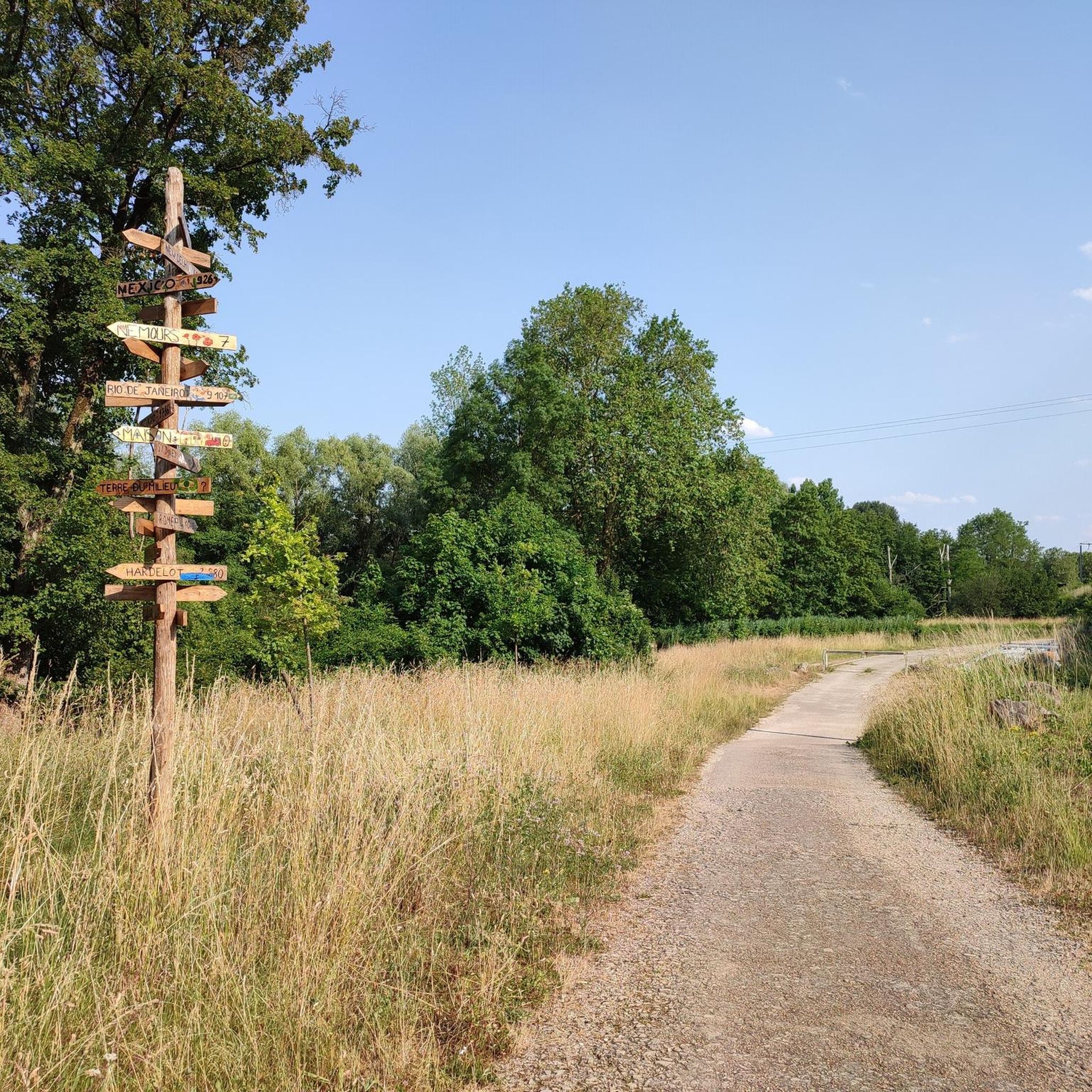
Nemours Castle was built starting in the 12th century. In 1926, the castle was listed as a historic monument in France. It is located on the left bank of the Loing River and near the old bridge, allowing it to serve as a defense for the town and a watchtower for the bridge. The fortress-like castle was rebuilt in the 15th and 17th centuries.
2
0

With the patronage of "John the Baptist", this parish has chosen a saint who is considered a forerunner of Jesus Christ. In Christian theology, he is the voice of the voice prophesied in the Old Testament book of Isaiah: "A voice calls out: In the desert prepare the way for the Lord, make straight in the desert a highway for our God!" (Luther Bible). John is the son of Zechariah and Elizabeth, who was visited by the Mother of God Mary when she learned from the Archangel Gabriel that she herself was to give birth to Jesus Christ, and her - until then childless - relative was still pregnant in old age. The feast day of Saint Jean Baptist in the calendar of saints is June 24th.
0
0

Saint-Jean-Baptiste de Nemours, Catholic Church, appears like an elevator to Heaven! Who would have built this in 2020!? Nobody! Our ancestors had faith. Next to them, we are lousy.
1
0

Not hard to see the elephant shape of the rock. Some nice paths and trails around.
0
0

…without forgetting the famous “dog’s ass” 🙂
1
0


It was referenced on the first list of Historic Monuments by Prosper Mérimée in 1840. This church was restored in the second half of the 19th century because the nave and the aisles were in danger of ruin. This major restoration led by the architect Sauvageot was completed in 1896
0
0
Frequently Asked Questions
What historical sites can I explore around Bougligny?
The region is rich in history. You can visit the Ruins of the Saint-Mathurin Basilica, a Gothic-style church dating back to the late 12th century. Another significant site is the Church of Our Lady of the Assumption, which showcases Carolingian, Romanesque, and Gothic architectural styles from the 11th to 14th centuries. Don't miss Nemours Castle, a well-preserved medieval fortress transformed into a museum.
Are there family-friendly attractions near Bougligny?
Yes, Nemours Castle is explicitly family-friendly, offering an engaging historical experience. Additionally, exploring the unique rock formations in the Fontainebleau forest, such as The Elephant, can be an exciting adventure for families.
What natural features can I see around Bougligny?
The area is known for its natural monuments, particularly within the Fontainebleau forest. A must-see is The Elephant, a unique rock formation resembling an elephant. The forest itself offers diverse landscapes for exploration.
What outdoor activities can I do near these attractions?
Bougligny is a great base for outdoor adventures. You can find numerous routes for various sports. For mountain biking, explore trails like the 'Pierre Le Sault Quarry loop from Poligny'. Hikers can enjoy paths such as the 'Pierre Le Sault Quarry – Nemours Castle loop from Nemours'. If you prefer running, consider the 'Nemours loop from Bagneaux-sur-Loing'. You can find more details on these and other routes in the dedicated guides for MTB Trails around Bougligny, Hiking around Bougligny, and Running Trails around Bougligny.
Are there any unique or 'hidden gem' attractions?
Beyond the well-known sites, the region holds unique natural wonders. The Elephant rock formation in the Fontainebleau forest is a distinctive geological feature that often surprises visitors with its natural artistry.
What is the best time to visit Bougligny attractions?
The best time to visit Bougligny and its attractions is generally during spring (April to June) and early autumn (September to October). The weather is usually mild and pleasant for exploring historical sites and enjoying outdoor activities in the Fontainebleau forest. Summer can also be enjoyable, especially for forest walks, but can be warmer.
Can I find circular walks or trails near Bougligny?
Yes, the area offers several circular routes suitable for various activities. For instance, the 'Pierre Le Sault Quarry loop from Poligny' is a moderate MTB trail, and the 'Nemours loop from Bagneaux-sur-Loing' is a popular running route. You can explore more options in the Hiking around Bougligny and MTB Trails around Bougligny guides.
What do visitors enjoy most about the attractions around Bougligny?
Visitors particularly appreciate the blend of historical depth and natural beauty. The Gothic architecture of sites like the Ruins of the Saint-Mathurin Basilica and the commanding presence of the Church of Our Lady of the Assumption are highly regarded. The unique rock formations in the Fontainebleau forest, such as The Elephant, also receive many positive comments for their surprising shapes.
How long should I plan for visiting the attractions?
The time needed varies by attraction. For individual historical sites like the Nemours Castle or the Ruins of the Saint-Mathurin Basilica, plan for 1-2 hours each. If you intend to explore the Fontainebleau forest and its natural monuments like The Elephant, you could easily spend a half-day or full day combining it with hiking or climbing.
Are there cafes or places to eat near the attractions?
While specific cafes are not listed for each highlight, the towns near the main attractions, such as Nemours (close to Nemours Castle) and other villages, offer various dining options. It's advisable to check local listings or plan your visit to coincide with meal times in these towns.
What is the difference between Bougligny attractions and Fontainebleau?
Bougligny is a region that encompasses several attractions, including historical sites and religious buildings. Fontainebleau, while a town itself, is also synonymous with the vast Fontainebleau forest, which extends into the Bougligny area. Many of Bougligny's natural attractions, such as The Elephant rock formation, are located within this famous forest. So, while distinct, they are closely connected geographically and by shared natural heritage.
Are there opportunities for wildlife spotting?
The Fontainebleau forest, which is home to natural monuments like The Elephant, is a rich natural habitat. While not a dedicated wildlife park, keen observers might spot various bird species, deer, wild boar, and other forest animals, especially during quieter times of the day.
Is public transport available to reach Bougligny attractions?
Public transport options vary depending on the specific attraction. Major towns like Nemours, which hosts Nemours Castle, are generally accessible by regional trains or buses. However, some of the more remote natural sites within the Fontainebleau forest might require a car or a combination of public transport and walking/cycling. It's recommended to check local transport schedules for your specific destination.
Most popular routes around Bougligny

Get inspired with the komoot mobile app


Explore more
Still not found the Highlight you’re looking for? See guides of the top attractions in other regions:
