Attractions and Places To See around Pommeuse - Top 20
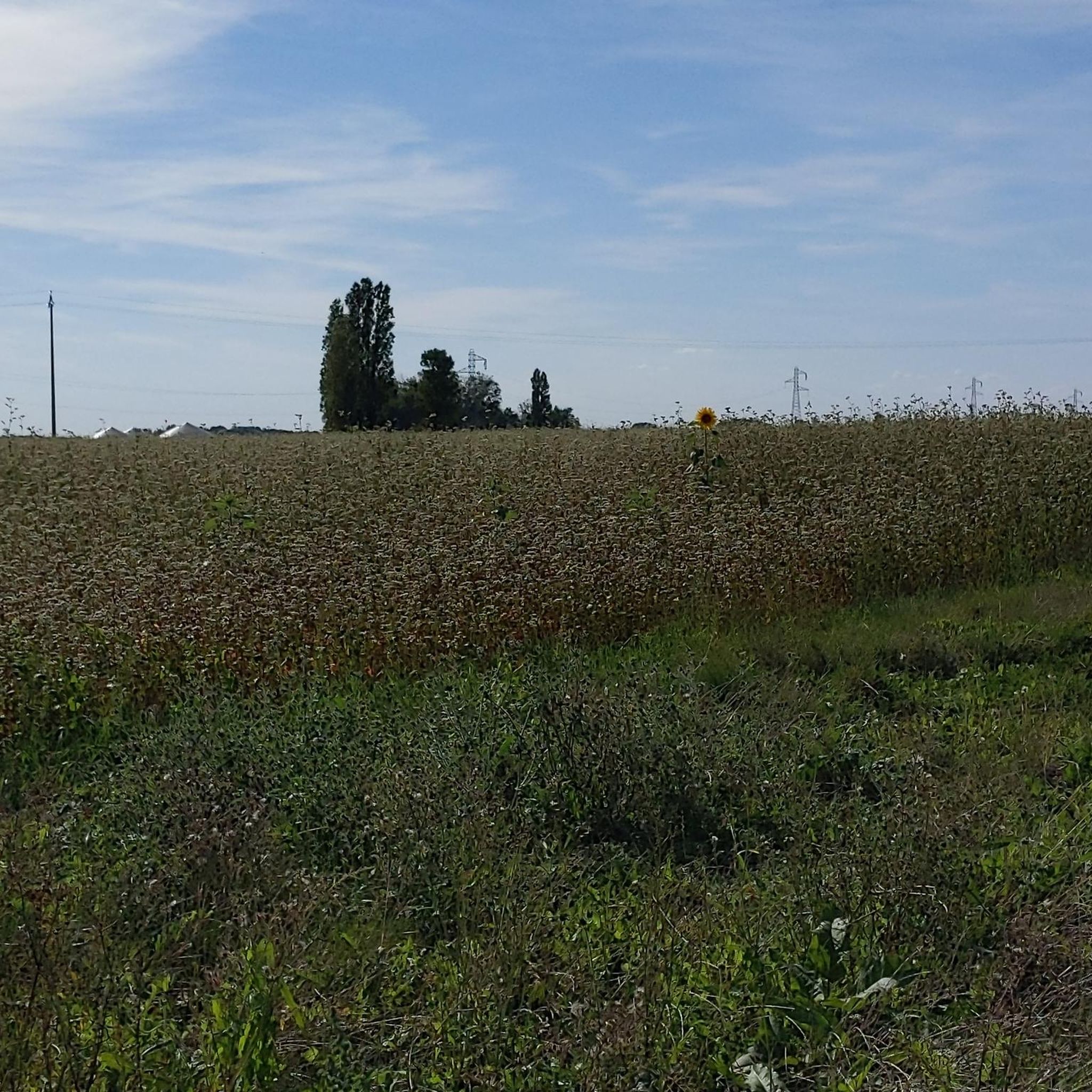
Attractions and places to see around Pommeuse, a village in the Île-de-France region, offer a blend of cultural sites and natural landscapes. The area features Gallo-Roman origins and diverse terrain, including forests, grasslands, and agricultural fields. The Grand Morin and Aubetin rivers are central natural features, providing opportunities for various outdoor activities. This region is characterized by its historical landmarks and scenic river valleys.
Best attractions and places to see around Pommeuse
- The most popular attractions is Grand Morin Mill, a historical structure that demonstrates early engineering skills. These mills were designed to harness natural forces like water for grinding grain or pressing oil.
- Another must-see spot is Collégiale Notre-Dame de Crécy-la-Chapelle, a religious building and historical site. This Gothic-style collegiate church, built in the 13th century, has been a historical monument since 1846.
- Visitors also love Coulommes Oil Pump Jack, a man-made monument. This derrick commemorates the first oil discovery in the region in 1958, highlighting local industrial history.
- Pommeuse is known for historical sites, natural features, and cultural landmarks. The area offers a variety of attractions to see and explore, from ancient architecture to industrial heritage.
- The attractions around Pommeuse are appreciated by the komoot community, with 28 upvotes and 20 photos shared by visitors.
Last updated: August 26, 2026
Collégiale Notre-Dame de Crécy-la-Chapelle
Highlight • Religious Site
Translated by Google •
Tip by

Coulommes Oil Pump Jack
Highlight • Monument
Production in Brie dates back to the 1950s, when France aimed for oil self-sufficiency and began a series of major research programs in Seine-et-Marne. The first oil discovery was made here on February 22, 1958, at a depth of 1,875 m in the basement of the village of Coulommes. This deposit has produced around two million tonnes of oil, but of the fifty-seven wells drilled since 1958 on the concession, only four are still active.
This derrick was installed here by the municipality of Coulommes to commemorate this event.
Following the fluctuations in the price of black gold, the oil companies plan to resume exploration and the re-exploitation of the deposits of Seine et Marne.
Translated by Google •
Tip by

Sign up now to discover places like this
Get recommendations on the best single tracks, peaks, & plenty of other exciting outdoor places.
Sign up for free
Grand Morin Mill
Highlight • Other
Translated by Google •
Tip by

Crécy-la-Chapelle – The Venice of Brie
Highlight • Settlement
Translated by Google •
Tip by

Côte de Tigeaux
Highlight (Segment) • Climb
Translated by Google •
Tip by

Sign up for free to discover even more attractions around Pommeuse.
Sign up for free
Already have an account?
Start today with a free account
Your next adventure awaits.
Login or Signup

Tips from the Community

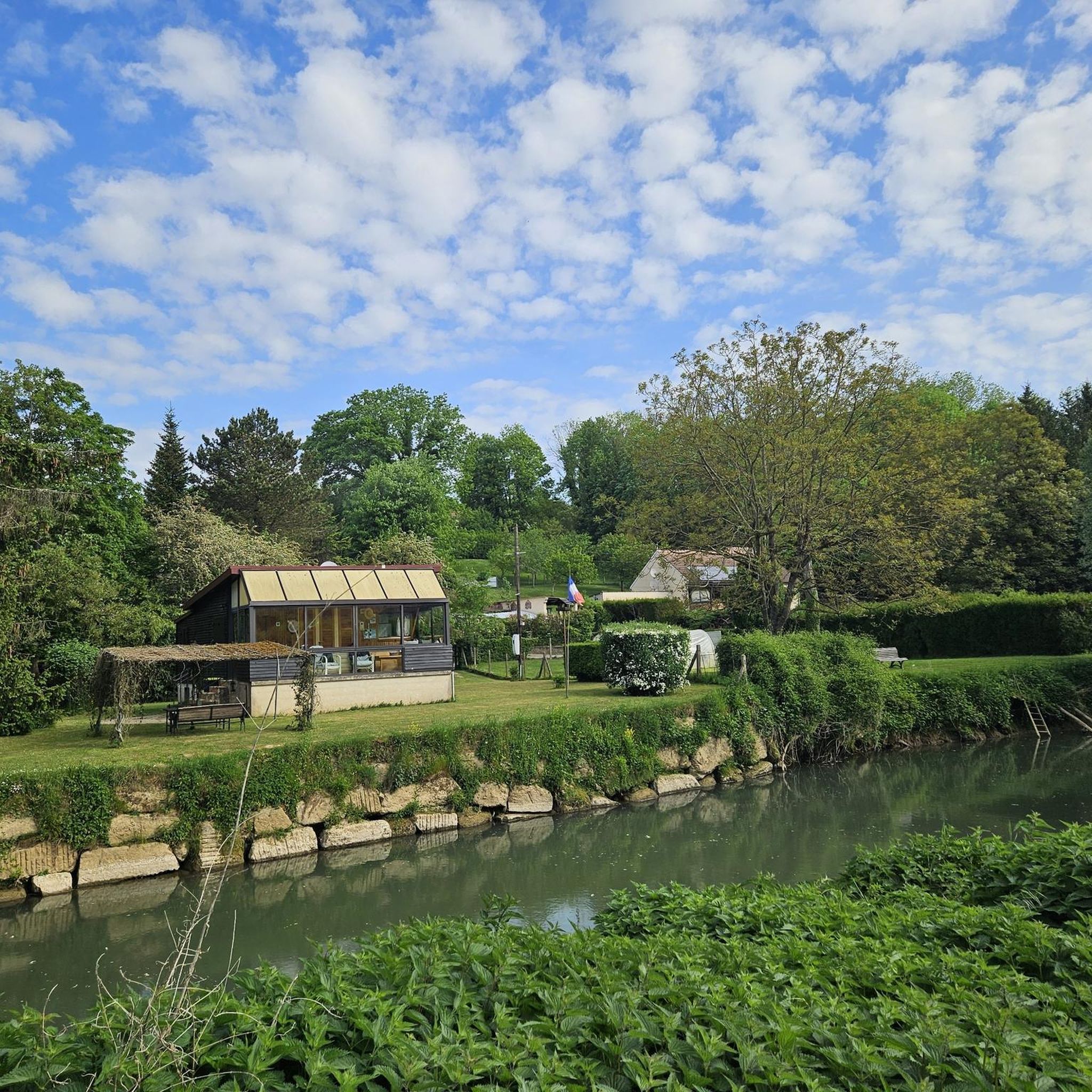
Centuries ago, our ancestors discovered how to harness the power of the elements – which, while helpful and useful, could also be a threat as untamed natural forces – for various purposes, thus eliminating the need for human or animal muscle power. A good example of the engineering skills of earlier generations are mills like these: the heavy millstones, used for grinding grain or pressing oil, could be powered by wind or – as in this case – water.
1
0

Located a few steps from a bend in the Grand Morin, the Collegiate Church of Notre-Dame-de-l'Assomption, in the former hamlet of La Chapelle-sur-Crécy, is reputed to be the second most beautiful church in Brie. Just after the imposing Saint-Etienne Cathedral in Meaux Built in the 13th century, it has unique architectural elements such as an apse vault composed of 12 branches that gives a lot of lightness to the interior of the building. With a total height of 19m under the keystone, the walls of the building have three successive rows of windows and stained glass windows, giving the interior of the building an incomparable luminosity. Located on the edge of the old Nationale 34, the royal road, the Collegiate Church of Notre-Dame-de-l'Assomption still dominates the valley of the Grand Morin and the small washhouse of the Vaudessard stream. Rarely open to the public, even if its interior remains visible, it occasionally serves as a concert hall.
0
0

Nice perspective of the emblem of the former oil activity with its church.
0
0

Collegiate Notre Dame de Crecy-la-Chapelle has been a historical monument since 1846. This sumptuous building, in the Gothic style, was built in the 13th century.
2
0

Gothic jewel of Brie built at the beginning of the 13th century, located just next to the road, it nevertheless presents a very fine example of flamboyant Gothic
0
0

There is oil in France! In fact, 64 oil and gas deposits are currently in operation, mainly in the Aquitaine Basin and in the Paris Basin. Annual French production amounts to 0.8 million tonnes of oil, which represents 1% of the country's consumption. Production in Brie dates back to the 1950s, when France aimed for oil self-sufficiency and began a series of major research programs in Seine-et-Marne. The first oil discovery was made here on February 22, 1958, at a depth of 1,875 m in the basement of the village of Coulommes. This deposit has produced around two million tonnes of oil, but of the fifty-seven wells drilled since 1958 on the concession, only four are still active. This derrick was installed here by the municipality of Coulommes to commemorate this event. Following the fluctuations in the price of black gold, the oil companies plan to resume exploration and the re-exploitation of the deposits of Seine et Marne.
0
0

The Venice of Brie Has 3 canals from the Grand Morin. Very frequented in the 19th century by many painters including Toulouse Lautrec and Van Gogh. It is especially JB Corot who lived there. It is good to stroll between the canals, the bridges, the mills and the Briard houses.
0
0

The path from fort to do is an even harder alternative than Tigeaux
0
0
Frequently Asked Questions
What historical sites can I visit around Pommeuse?
The region offers several historical sites. You can explore the Collégiale Notre-Dame de Crécy-la-Chapelle, a Gothic-style collegiate church dating back to the 13th century. The village of Pommeuse itself has Gallo-Roman origins and charming medieval streets. Additionally, the Grand Morin Mill showcases early engineering skills used for grinding grain or pressing oil.
Are there any unique cultural landmarks in the area?
Yes, a unique cultural landmark is the Coulommes Oil Pump Jack. This monument commemorates the first oil discovery in the region in 1958, highlighting a significant aspect of local industrial history.
What natural features are prominent around Pommeuse?
The Grand Morin River is a central natural feature, offering serene waters and lush greenery. The Aubetin River is another significant waterway, popular with anglers. The area's diverse landscapes include forests, grasslands, and agricultural fields, providing scenic views for exploration.
What outdoor activities are available along the Grand Morin River?
The Grand Morin River provides opportunities for various outdoor activities such as canoeing, walking, cycling, and fishing along its scenic trails. Its tranquil waters and lush surroundings make it ideal for both peaceful retreats and active adventures.
Are there opportunities for cycling around Pommeuse?
Absolutely! There are numerous trails for cycling, including both road and gravel options. You can find detailed road cycling routes around Pommeuse and gravel biking routes around Pommeuse, catering to different skill levels.
Where can I go for a run near Pommeuse?
Pommeuse offers several running trails. You can explore various running trails around Pommeuse, with options ranging from moderate to difficult, often featuring scenic views along the Grand Morin River.
Are there any challenging climbs for cyclists in the area?
Yes, cyclists looking for a challenge can tackle the Côte de Tigeaux. This elevation is well-known among cycling clubs in eastern Paris for both uphill and downhill segments, offering a rewarding experience.
What is the history behind the Collégiale Notre-Dame de Crécy-la-Chapelle?
The Collégiale Notre-Dame de Crécy-la-Chapelle is a Gothic-style collegiate church built in the 13th century. It has been recognized as a historical monument since 1846 and is considered a Gothic jewel of Brie, featuring unique architectural elements like an apse vault with 12 branches.
Is there a town known for its artistic heritage nearby?
Yes, Crécy-la-Chapelle – The Venice of Brie, located nearby, is renowned for its artistic heritage. Its picturesque setting, crossed by the Grand Morin, has inspired many painters, including notable artists like Corot, Dunoyer de Segonzac, and Altmann.
Are there family-friendly attractions around Pommeuse?
Many of the natural areas and charming villages are suitable for families. For instance, exploring the medieval streets of Pommeuse or enjoying activities along the Grand Morin River can be fun for all ages. The Coulommes Oil Pump Jack is also categorized as family-friendly, offering an interesting historical stop.
What do visitors appreciate most about the attractions around Pommeuse?
Visitors often appreciate the blend of cultural sites and natural landscapes. The historical significance of places like the Collégiale Notre-Dame de Crécy-la-Chapelle and the unique industrial history represented by the Coulommes Oil Pump Jack are highly valued. The serene beauty and outdoor activity opportunities along the Grand Morin River also receive positive feedback.
Most popular routes around Pommeuse

Get inspired with the komoot mobile app


Explore more
Still not found the Highlight you’re looking for? See guides of the top attractions in other regions:
