Attractions and Places To See around Sauvagnas - Top 20
Best attractions and places to see around Sauvagnas include a blend of historical sites, natural landscapes, and cultural experiences within the Nouvelle-Aquitaine region of France. The area features architectural heritage, serene natural surroundings, and opportunities for outdoor activities. Visitors can explore vineyards, forests, and river areas, alongside historical landmarks.
Best attractions and places to see around Sauvagnas
- The most popular attractions is Agen river port, a river port located at the foot of the Hermitage hillside. It offers a…
Last updated: July 15, 2026
Agen river port
Highlight • Other
Translated by Google •
Tip by

Agen Canal Bridge
Highlight (Segment) • Bridge
Translated by Google •
Tip by

Sign up now to discover places like this
Get recommendations on the best single tracks, peaks, & plenty of other exciting outdoor places.
Sign up for free
Château de Beauville and viewpoint
Highlight • Castle
Translated by Google •
Tip by

Poule à Vélo Inn
Highlight • Cafe
Translated by Google •
Tip by

Saint-Caprais Cathedral
Highlight • Historical Site
Translated by Google •
Tip by

Sign up for free to discover even more attractions around Sauvagnas.
Sign up for free
Already have an account?
Start today with a free account
Your next adventure awaits.
Login or Signup



Tips from the Community

Saint-Caprais Cathedral in Agen features several architectural peculiarities: its Romanesque apse is extended by a single-nave Gothic nave. Replacing an earlier wooden campanile, the current bell tower was built in 1835 at the initiative of Bishop Jean-Aimé de Levezou de Vezins and is unusual in that it consists of three Gothic stylistic elements (lancet Gothic, radiant Gothic, and flamboyant Gothic) curiously presented in reverse chronological order. A corbel composed according to this principle can still be seen in a corner of the north transept of Agen Cathedral. This corbel, in itself, is a small monument containing two large formerets and a long-span pointed arch. The paintings on the walls and ceilings depict the history of the arrival of Christianity in the region. A central role is given to the first martyrs of Agen. Other paintings are presented in series: the Evangelists, the Apostles, the patriarchs of the Jewish people (Abraham, Noah, etc.), the great kings of Israel, etc. The cathedral is much shorter than one might expect, judging by the size of the choir; indeed, political and financial difficulties greatly influenced the cathedral's final form. The painted decoration was entrusted to Jean-Louis Bézard, a painter from Toulouse who won the Prix de Rome in 1829. He completed the decoration of the chapel of the Hospice Saint-Jacques d'Agen, now the departmental hotel, in 1845, which has since disappeared. At the same time, he began painting the Chapel of the Virgin Mary in the cathedral. He continued decorating the cathedral until 1869. The choice of themes was made by the cathedral clergy and was the subject of debate between the painter and Abbé Deyche. For the decoration of the apse, the choice was made to depict the martyrdom of the saints of Agen. For the rest of the decoration, the paintings blend local themes and Marian iconography, the great figures of the Bible, the Old Testament, and the New Testament. Jean-Louis Bézard drew inspiration from the decoration of the Sicilian churches of Palermo and Montereale for the medallions of the arches of the transept crossing. The altar decoration: an altar cross and six candlesticks are listed as historical monuments. On the counter-façade, two statues: on the right, Saint Caprais, and on the left, Saint Stephen, by Louis Rochet. The main organ, built by organ builder Jean-Baptiste Stoltz, was featured at the 1855 World's Fair in Paris. According to legend, it was donated by Empress Eugenie in 1858 to Agen Cathedral, which until then had no instrument. It is the largest instrument in the Lot-et-Garonne department, with 45 stops spread over three manuals and a pedalboard. It has mechanical action. It is listed as a historic monument. The choir organ was built by organ builder Jules Magen in 1885 (15 stops over two manuals/pedalboard). It has been listed as a historic monument. Concert pianist and organist Jérôme Chabert has been its organist since 2002. He founded the Heures d'Orgue, an international festival held every summer in July and August on the cathedral's two organs.
0
0
Saint-Caprais Cathedral was built in the 12th century on the site of an episcopal basilica constructed in the 6th century, sacked by the Normans in 853 and then restored. Saint-Caprais Church is mentioned, along with Saint-Étienne Cathedral, in the will of Raymond, Lord of Toulouse, Marquis of Gothia, Count of Rouergue, Gévaudan, and Narbonne, who died in 961.[6] It was originally a collegiate church. Sacked again in December 1561 during the Wars of Religion, Saint-Caprais Collegiate Church became a fodder store in 1791 before being reopened in 1796 and becoming the official cathedral of Agen, following the destruction of the old Saint-Étienne Cathedral during the Revolution. It was elevated to the rank of cathedral in 1802. At the request of the Bishop of Agen, Jean-Aimé de Levezou de Vezins, the architect Gustave Bourrières[7] rebuilt the south façade, the bell tower, and the interior floors between 1838 and 1847.
0
0

Incredible lodge and restaurant, great quality and very friendly atmosphere.
1
0

Located in a former lock-keeper's house on the banks of the Canal des Deux Mers, the Auberge de la Poule à Vélo offers a warm and authentic atmosphere. Certified Accueil Vélo (Cycling Welcome), this friendly establishment offers comfortable rooms, a unique caravan, and local cuisine. Perfect for a peaceful cycling break, as a couple or with family, in the heart of the Gascon way of life.
0
1

Nice little cafe with friendly staff and delicious ice cream. Ideal for a short break
1
0

The beautiful Cathedral of Agen is dedicated to St. Caprais dating back to the 11th century.
4
0

I'm sorry but the river port of Agen no longer has any influence on the transport of goods and the rental of small boats has been moved to the much more active port of Buzet sur Baïse.
1
0
Spectacular canal bridge over the Garonne
3
0
Frequently Asked Questions
What historical sites can I explore in Sauvagnas?
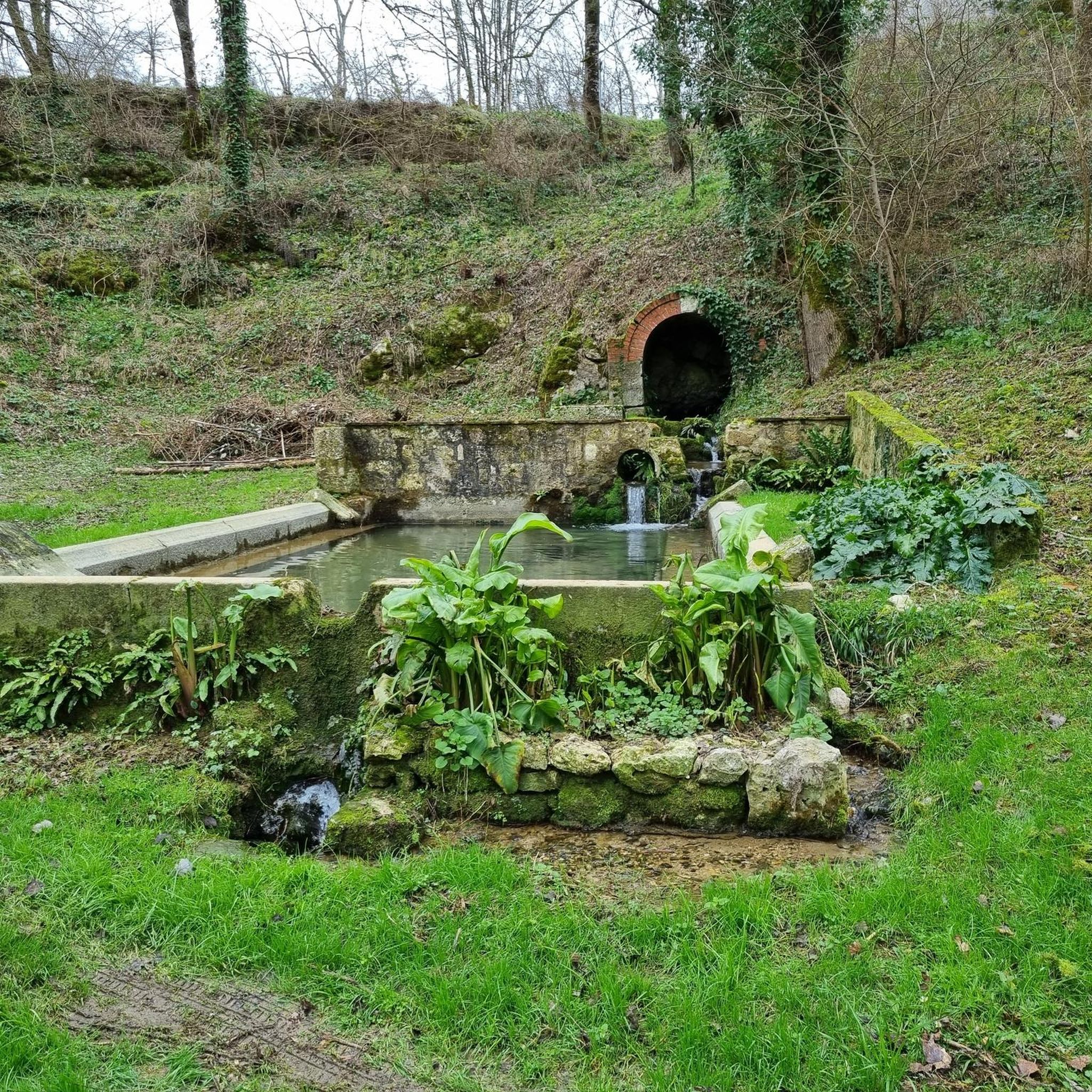
Sauvagnas offers a rich historical tapestry. You can visit the historic Château de Sauvagnas and its gardens, the recently restored Eglise Saint-Salvy, and an ancient Romanesque church in the village center. For a more rustic historical experience, explore the Remains of Roudoulous Church, often found along hiking trails, which also feature a typical dovecote and fountain. The area also has connections to the Romans and Templars, who established a commandery here.
Are there any natural attractions or scenic spots around Sauvagnas?
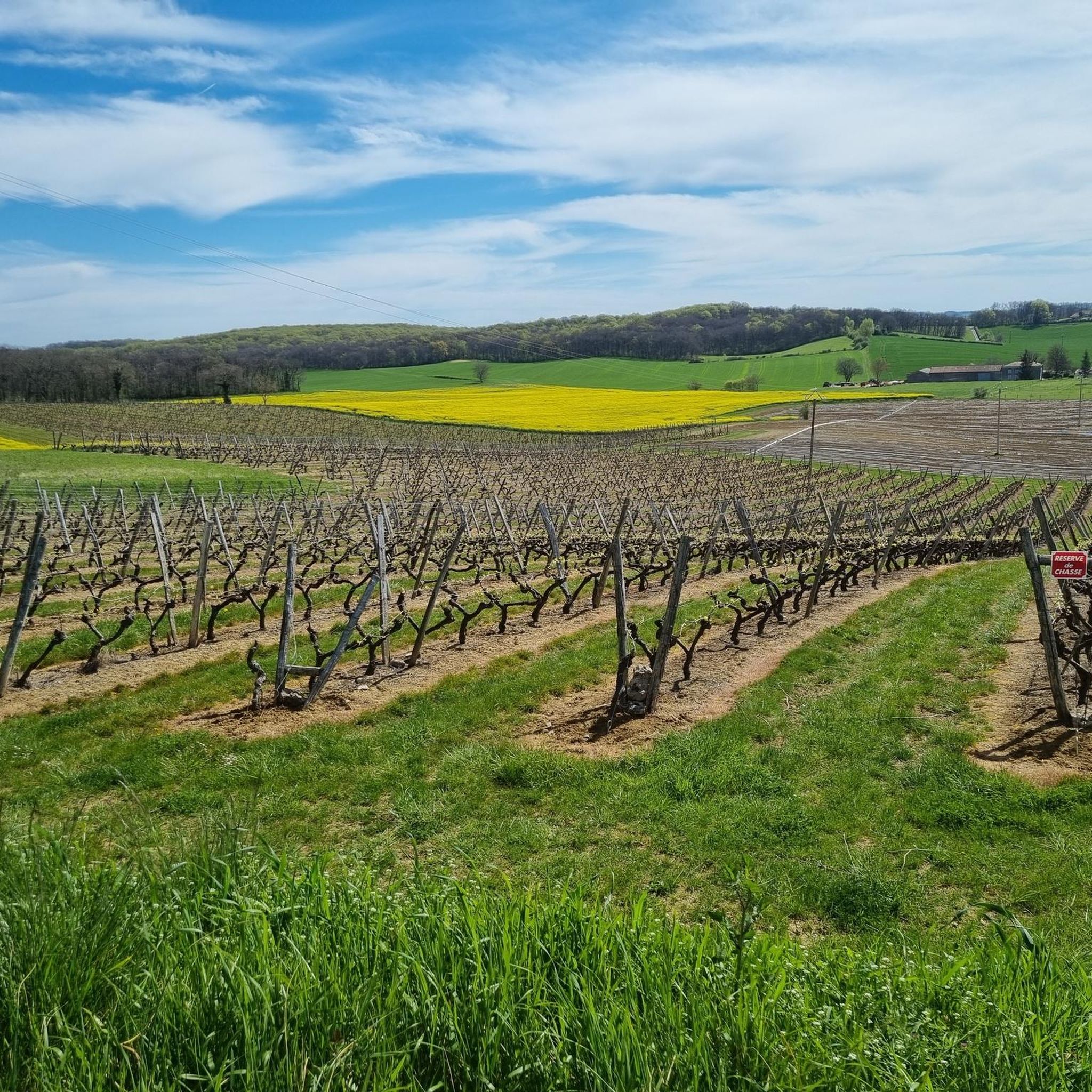
Yes, Sauvagnas is surrounded by natural beauty. You can explore the scenic Vineyards of Lot-et-Garonne, offering opportunities for wine tasting and picturesque views. The Montagnac Forest and the ancient Bois de Courties provide lush scenery and shaded paths for walking. The Lède River is also a notable natural feature, offering opportunities for kayaking.
What outdoor activities are available near Sauvagnas?
The region around Sauvagnas is excellent for outdoor enthusiasts. You can enjoy hiking on trails like "Sur les pas des Templiers" or "La traversée du bois de Courties." The Lède River is suitable for kayaking. For those interested in running or mountain biking, there are numerous routes available. For more details on running trails, visit Running Trails around Sauvagnas, and for MTB, see MTB Trails around Sauvagnas.
Are there hiking trails suitable for different skill levels?
Yes, Sauvagnas is a starting point for several scenic hiking trails catering to various levels. Trails like "Sur les pas des Templiers" (11.3 km) and "La traversée du bois de Courties" (13.3 km) offer a mix of shaded landscapes, medieval vestiges, and panoramic views. The Bois de Courtis loop from Sauvagnas is a moderate 13.3 km hike, and there's also an easy 5.3 km hiking loop directly from Sauvagnas. You can find more hiking options at Hiking around Sauvagnas.
Can I find family-friendly activities in Sauvagnas?
While Sauvagnas itself is known for its historical sites and natural trails, nearby attractions offer family-friendly options. The Agen Aqueduct, a 23-arch construction, is listed as family-friendly and impressive to see. The Poule à Vélo Inn also offers a welcoming atmosphere suitable for families, with delicious ice cream and comfortable rooms.
Where can I experience local cuisine or find artisan products?
You can savor the flavors of regional cuisine at local eateries like Le Petit Gourmet, known for its cozy atmosphere and regional dishes. The village also hosts artisan shops and boutiques where you can discover unique, handcrafted souvenirs and gifts created by local artists.
What is the best time of year to visit Sauvagnas attractions?
The Nouvelle-Aquitaine region, where Sauvagnas is located, generally enjoys pleasant weather from spring to early autumn. Visiting during these seasons allows for comfortable exploration of outdoor attractions like vineyards, forests, and hiking trails. Summer also brings the annual Sauva'Jazz Festival, offering free music in natural settings.
Are there any unique cultural events in Sauvagnas?
Yes, Sauvagnas hosts the annual Sauva'Jazz Festival. This event brings free music to the natural landscapes of the area, celebrating local flavors and culture, making it a unique cultural experience for visitors.
Are there any viewpoints offering panoramic views of the area?
Absolutely. The Château de Beauville and viewpoint, a castle built around the 13th century, offers beautiful views from its high vantage point. Additionally, many of the hiking trails, such as "Sur les pas des Templiers" and "La traversée du bois de Courties," provide panoramic views of the Agenais region.
Where can I find a good place to eat or relax after exploring?
For a relaxing break, consider the Poule à Vélo Inn, a highly-rated cafe and restaurant located in a former lock-keeper's house on the banks of the Canal des Deux Mers. It offers a warm atmosphere, local cuisine, and delicious ice cream. Le Petit Gourmet is another local eatery known for its regional dishes and cozy ambiance.
What are some notable man-made structures or engineering marvels near Sauvagnas?
Near Sauvagnas, you can visit the impressive Agen Aqueduct, also known as the Agen Canal Bridge. This 539-meter-long, 23-arch construction creates a grade-separated intersection of the Canal de Garonne over the Garonne river, showcasing remarkable 19th-century engineering.
Can I visit vineyards or go wine tasting in the Lot-et-Garonne region?
Yes, Sauvagnas is surrounded by some of the finest Vineyards of Lot-et-Garonne. The region offers ample opportunities for wine tasting tours and enjoying the scenic views of the grape-growing landscapes.

Get inspired with the komoot mobile app


Explore more
Still not found the Highlight you’re looking for? See guides of the top attractions in other regions:
