The best cycling routes around Arft
4.6
(854)
4,101
riders
238
rides
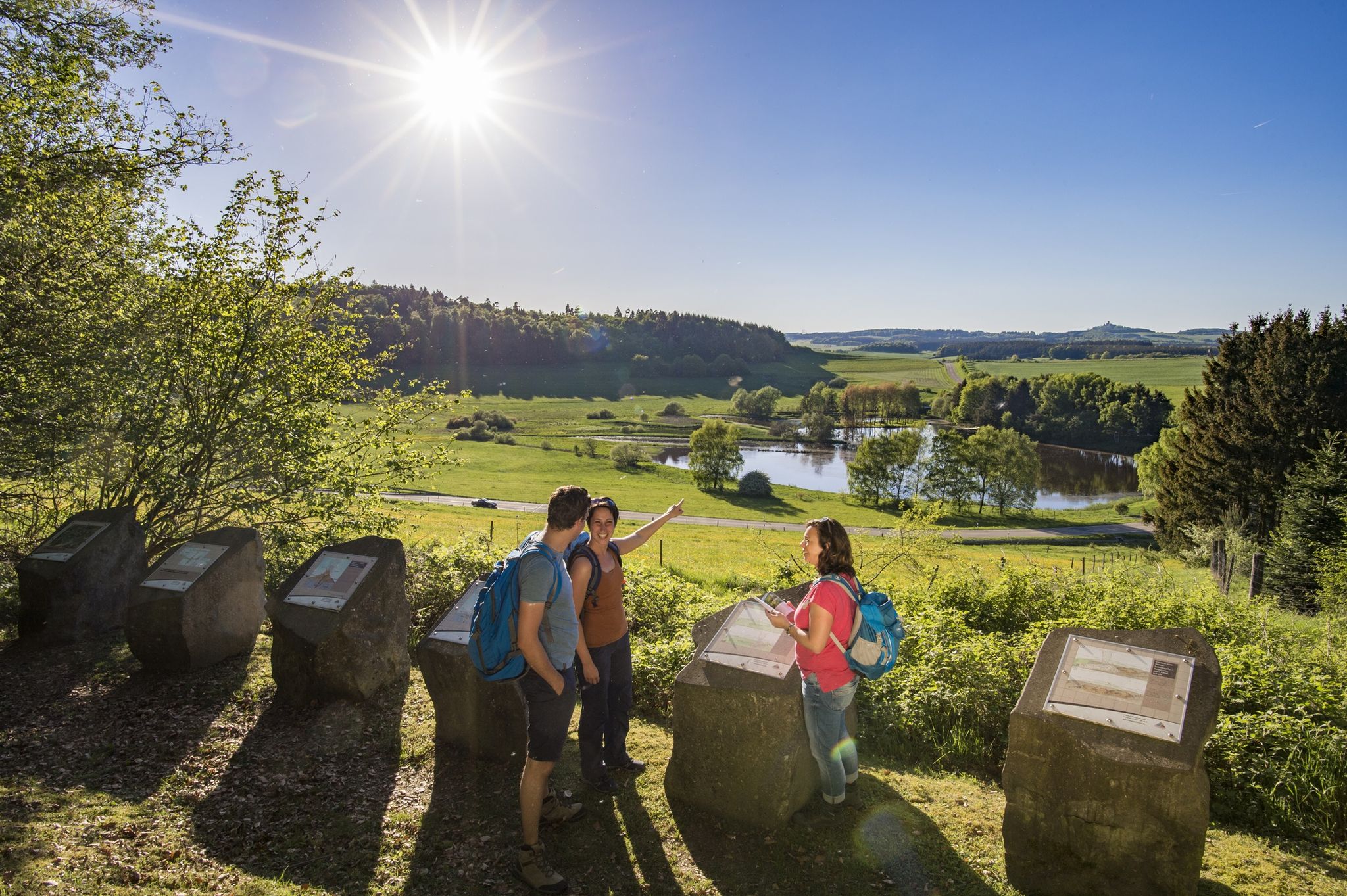
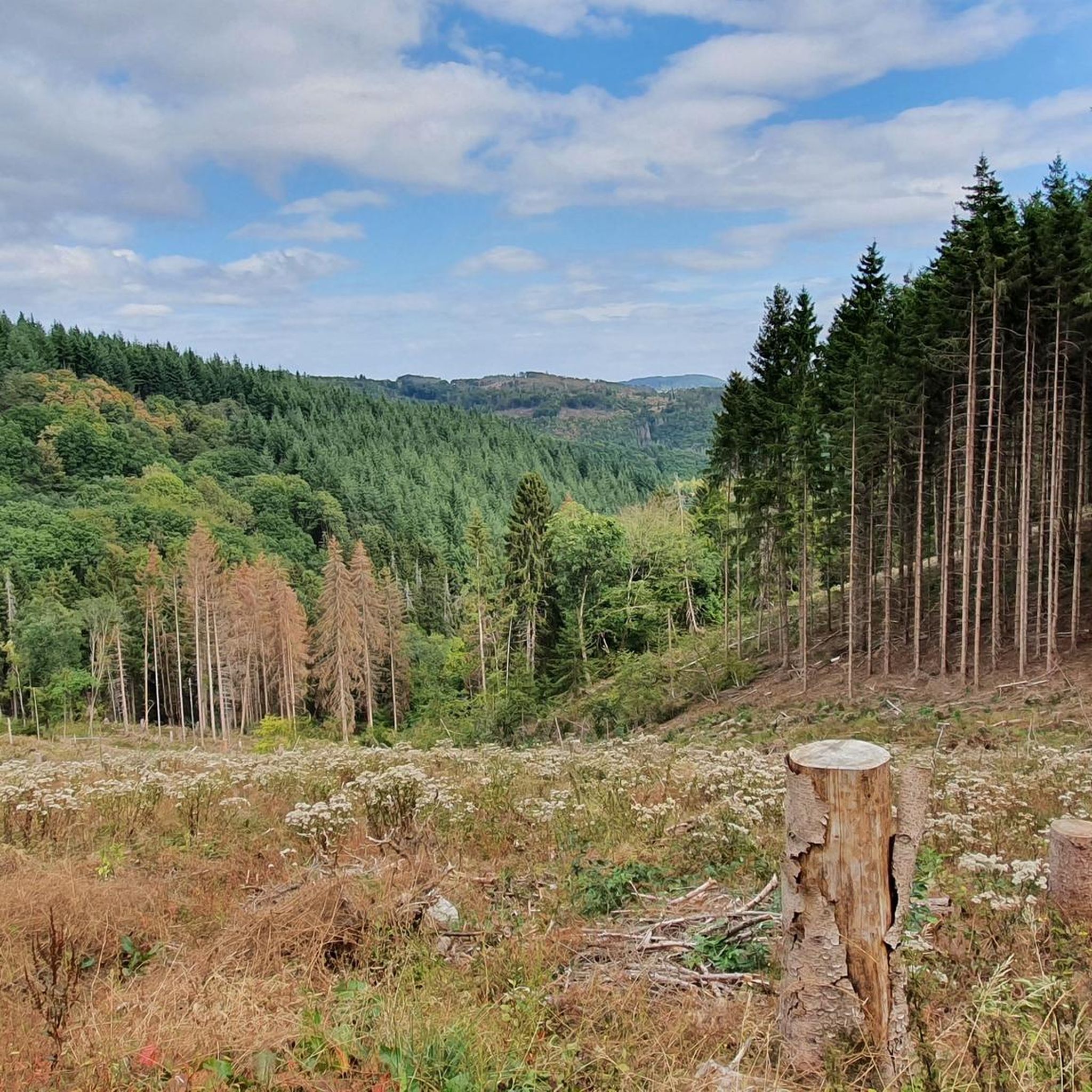
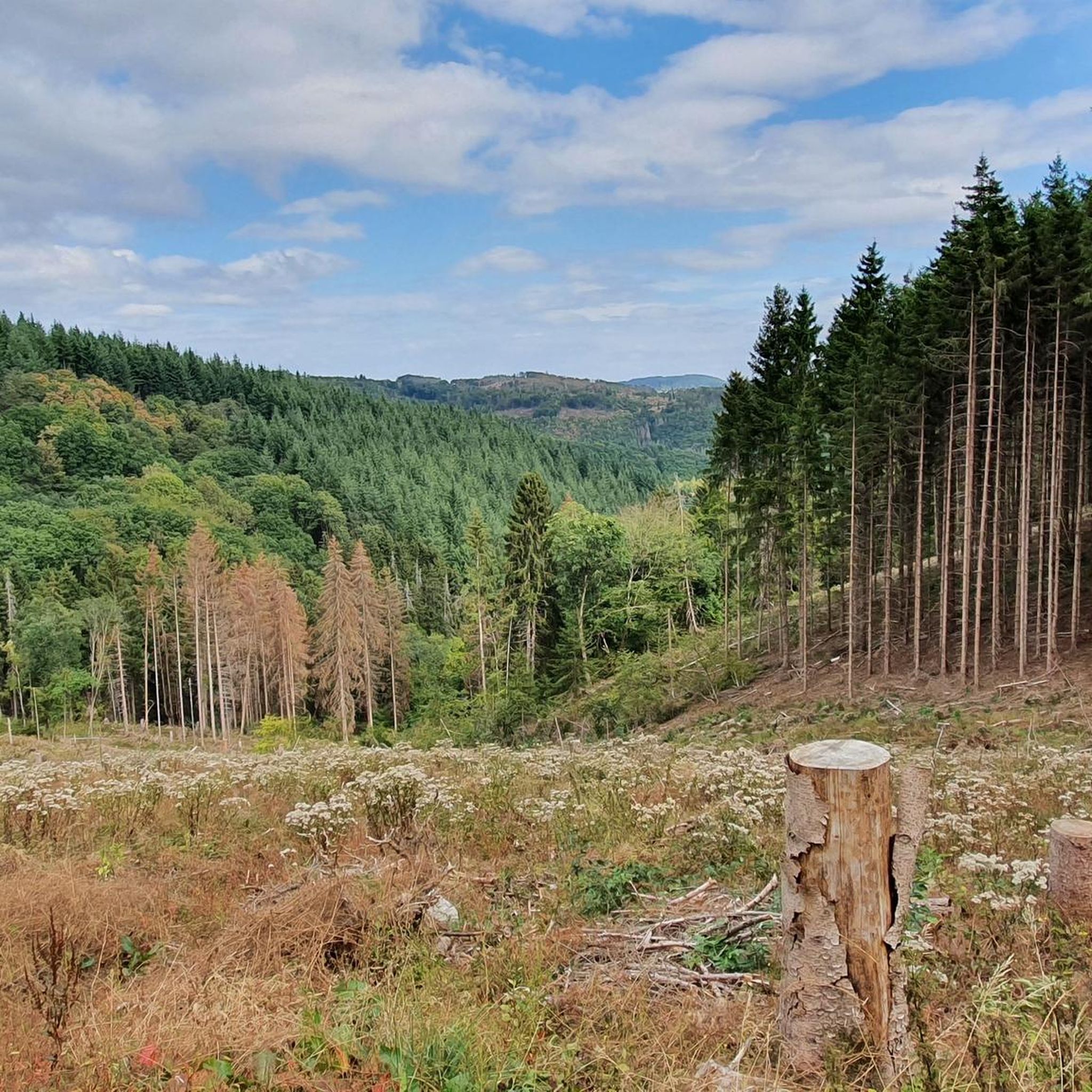
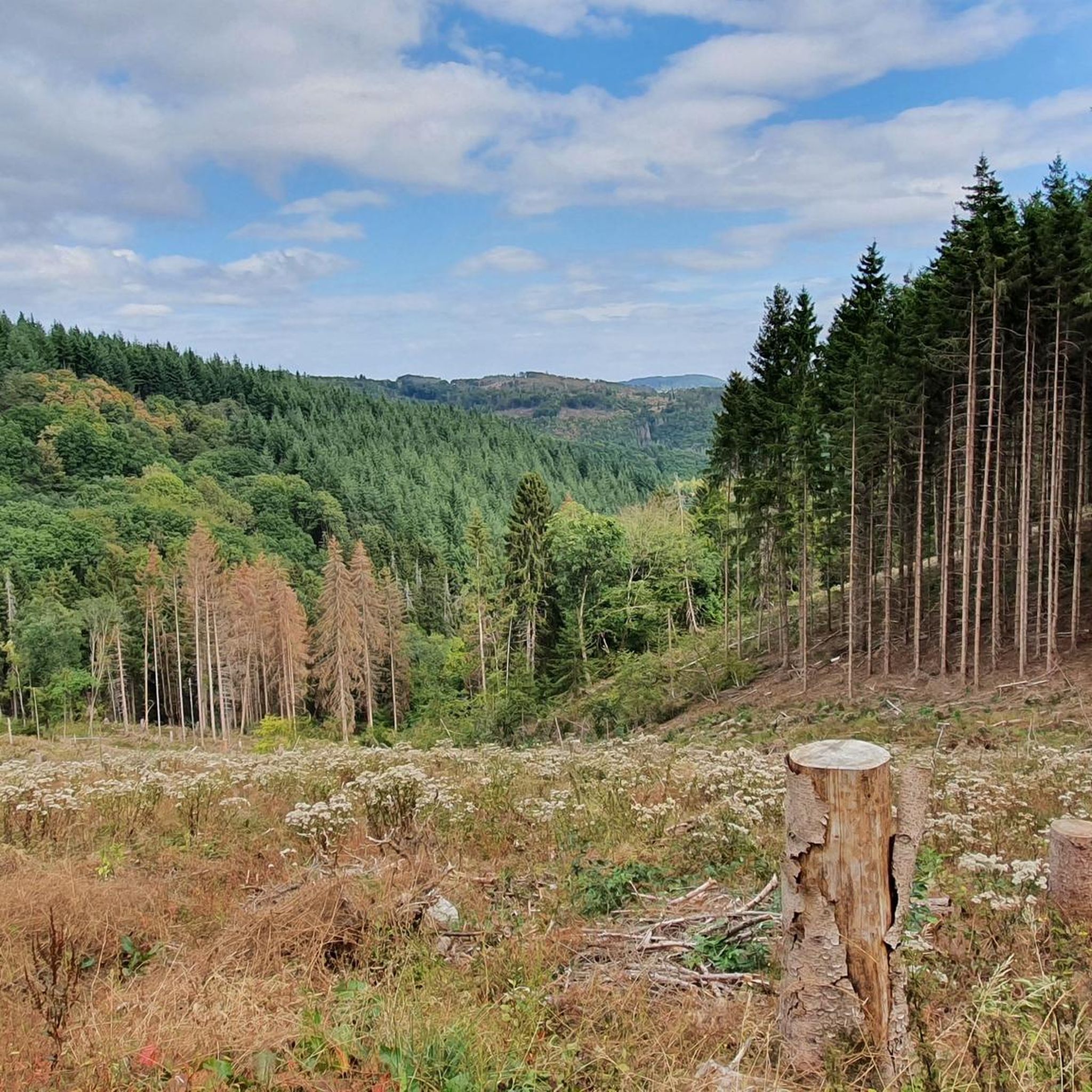
Best cycling routes Arft Eifel are situated within the Eifel region, characterized by its volcanic origins and varied terrain. The landscape features numerous volcanic craters, cinder cones, and maars, creating a distinctive environment for touring cyclists. The area includes undulating elevations such as the Raßberg and is interspersed with original heath landscapes, green valleys, and forests. Rivers like the Nette have carved deep valleys, adding to the scenic diversity of the routes.
Best touring cycling routes around Arft
- The most…
Last updated: October 4, 2026
4.3
(15)
50
riders
21.3km
01:23
230m
230m
Moderate bike ride. Good fitness required. Mostly paved surfaces. Suitable for all skill levels.
4.9
(29)
70
riders
44.8km
02:48
420m
420m
Moderate bike ride. Good fitness required. Mostly paved surfaces. Suitable for all skill levels.

4.9
(15)
38
riders
19.5km
01:22
250m
250m
Moderate bike ride. Good fitness required. Mostly paved surfaces. Suitable for all skill levels.
4.9
(9)
33
riders
21.2km
01:48
430m
430m
Moderate bike ride. Good fitness required. Mostly paved surfaces. Suitable for all skill levels.
4.7
(6)
15
riders
12.0km
00:55
180m
180m
Moderate bike ride. Good fitness required. Mostly paved surfaces. Suitable for all skill levels.
Get access to more routes and recommendations from other explorers.
Already have an account?
Our route recommendations are based on thousands of hikes, rides, and runs completed by other people on komoot.
Start today with a free account
Your next adventure awaits.

Tips from the Community

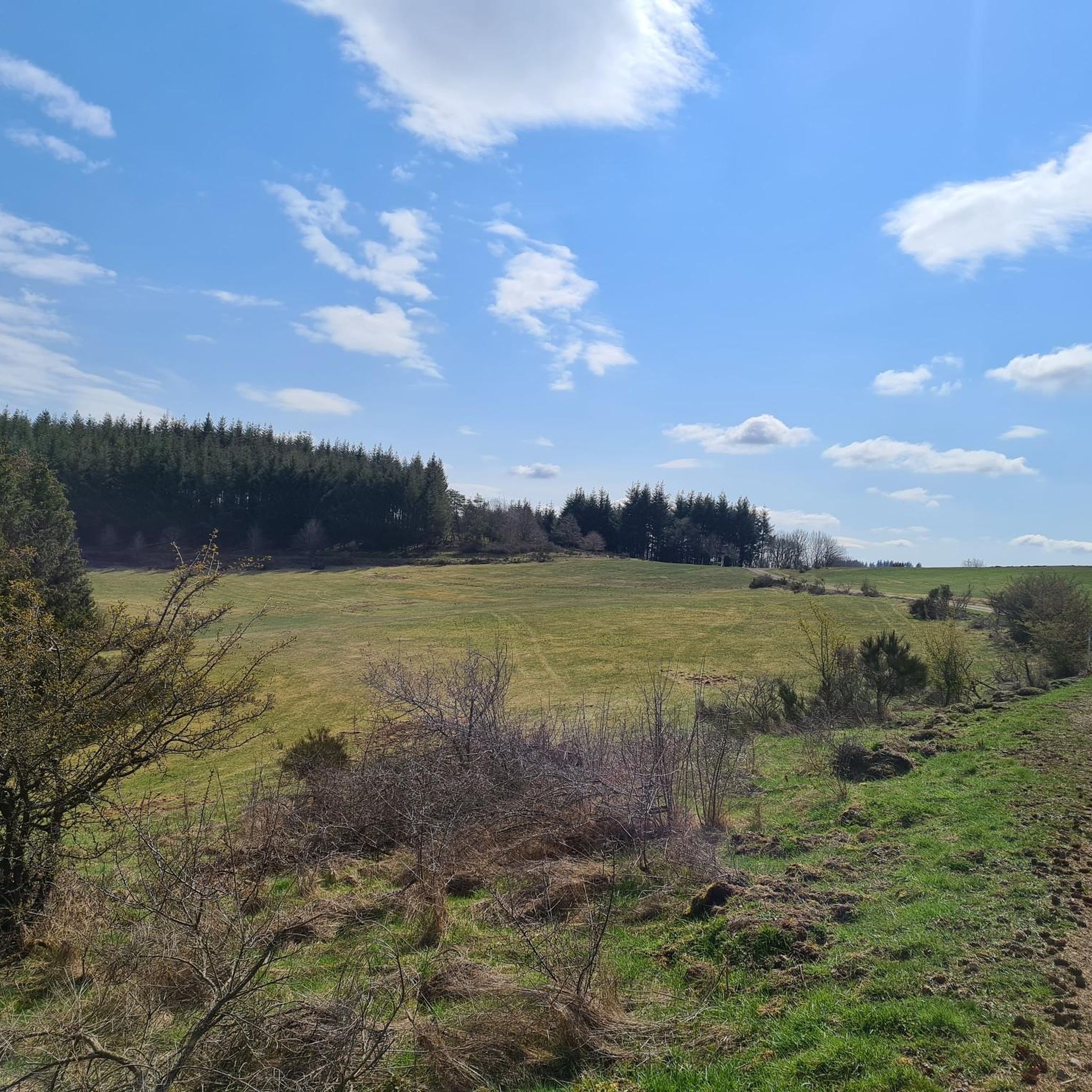
Der Traumpfad Bergheidenweg macht seinem Namen alle Ehre: Durch die offene Heidelandschaft führt der Weg in das Naturschutzgebiet Heidbüchel, an dessen Gipfel man eine wundervolle Fernsicht genießt. Es geht weiter entlang des Flusses Nette und anschließend ins Selbachtal mit seinen eindrucksvollen Klippen. Nach einer idyllischen Waldpassage und der Wanderung über weite Felder erwartet den Wanderer auf der nächsten Schutzhütte wiederum ein atemberaubendes Panorama. Kurz vor dem Ziel gilt es, den Raßberg zu umrunden
3
0

The northern gate of the city fortifications, which still exists today, is the gatehouse located on the Nette river, built between 1299 and 1354. It secured the crossing of the Nette and primarily served as the city entrance from the direction of Koblenz, which is why it also bears the name "Koblenzer Tor" (Koblenz Gate). Since there are no signs of a slot in the wall for a portcullis, it is assumed that a drawbridge to the bridge pier on the Nette was used to secure the gate. Due to the flood in 1598, the gatehouse collapsed along with the outer gate. However, the chiseled number 1599 testifies that the gatehouse was rebuilt just one year later. From the beginning of the 19th century until 1855, the gatehouse was used as a prison. The city coat of arms, added in 1911, is still visible today. Source: Jonas Breithaupt, University of Koblenz-Landau, 2015
4
0

A beautiful hiking area in every season.
0
0

The oldest part of Bürresheim Castle is the imposing keep, a 12th-century tower that clearly reflects the castle's defensive origins. Over time, the castle developed into a complex double complex, consisting of the so-called Cologne Castle and the Trier Castle, which underwent different construction and expansion phases. While the Cologne Castle formed the older part and primarily served economic purposes—leading to its eventual decline—the Trier Castle was transformed into a prestigious residential palace, which continues to shape the character of the entire complex to this day.
4
0

The Brückentor (Bridge Gate) is one of Mayen's few remaining medieval city gates and once served as the most important entrance for travelers coming from Koblenz. Today, this historic building houses the Mayen Carnival Museum, which brings the city's long tradition of "Faasenaacht" (Carnival Night) to life.
1
0

A very beautiful market square with beautiful buildings (town hall, church, and castle). Plenty of cafés and restaurants, bakeries, etc., offer opportunities for a rest and refreshment.
11
0
The late Gothic castle was besieged, destroyed, and rebuilt several times over the course of its eventful history. The current complex consists of the upper castle with the 34-meter-high Golo Tower and the slightly lower outer castle. The castle is protected from the city by a large castle gate, and on the other side by the keep and a moat complex. The former moat is now a ring road spanned by a 20-meter-long Gothic stone bridge. The Genovevaburg Castle houses two exhibitions of the Eifel Museum: EifelTotal and the German Slate Mine.
10
0
The castle belongs to the municipality of Sankt Johann in Rhineland-Palatinate and is located northwest of Mayen on a rocky outcrop at the confluence of the Nitzbach and Nette rivers. Along with Eltz Castle and Lissingen Castle, Bürresheim Castle is one of the few aristocratic residences in the Eifel region that was never conquered or destroyed, surviving unscathed both the wars of the 17th and 18th centuries and the social upheavals resulting from the French Revolution. Its history was largely shaped by its location on the border between the two ecclesiastical electorates of Cologne and Trier.
10
0
Frequently Asked Questions
How many touring cycling routes are available around Arft?
The Arft region offers a wide variety of touring cycling routes, with over 230 options available on komoot. These routes cater to different skill levels, from easy to difficult, allowing every cyclist to find a suitable adventure.
What kind of terrain can I expect when cycling around Arft?
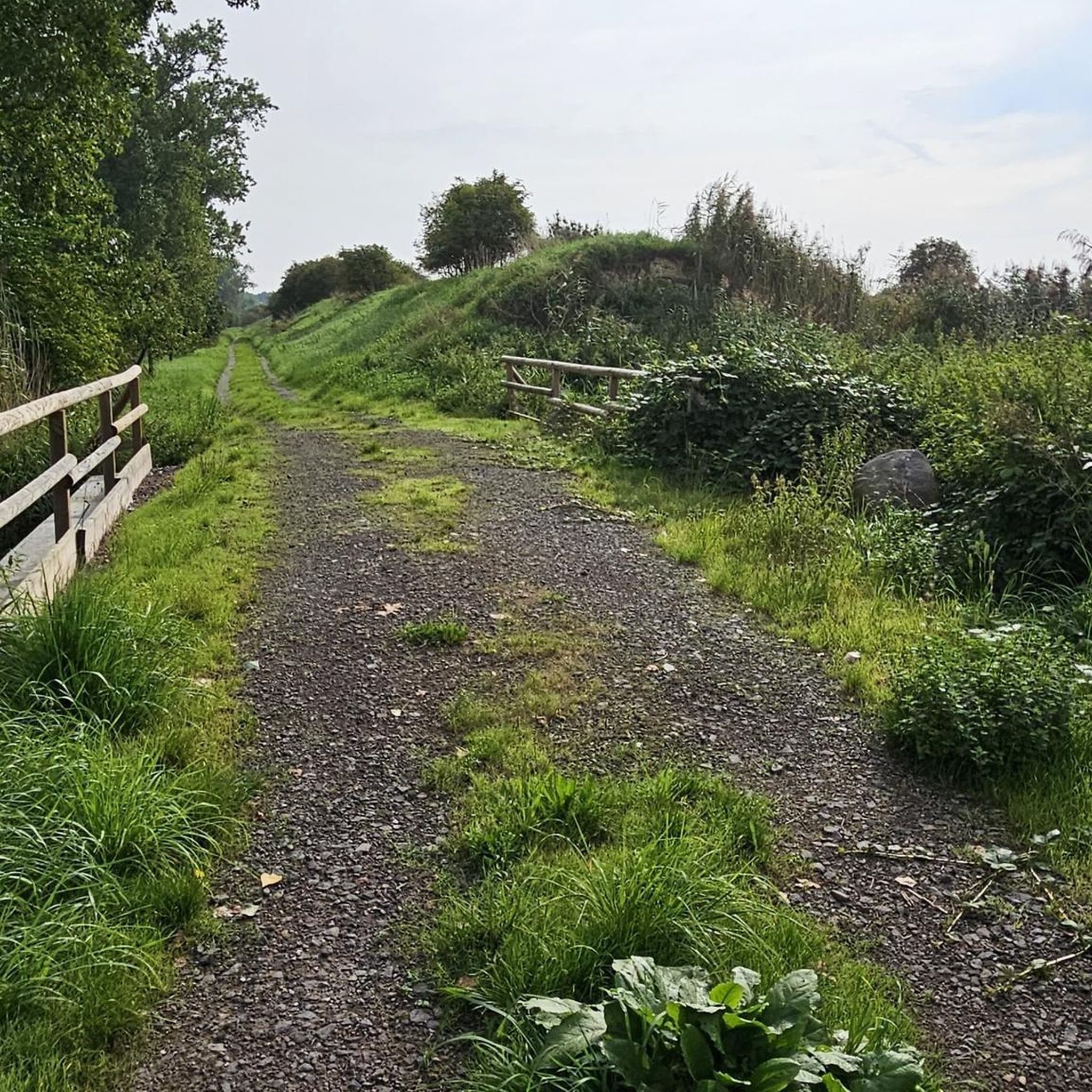
Cycling around Arft means experiencing the unique volcanic landscapes of the Eifel. You'll encounter varied terrain, including undulating elevations like the Raßberg, original heath landscapes, green valleys, and forests. Rivers such as the Nette have carved deep valleys, adding to the scenic diversity. Some routes also utilize disused railway lines, offering flatter, traffic-free sections.
Are there routes suitable for beginners or less experienced touring cyclists?
Yes, Arft offers several touring cycling routes suitable for beginners. There are 22 easy routes available, providing a gentle introduction to the region's beauty without overly challenging climbs. These often include sections on former railway lines, which are notably flat.
Are there challenging routes for experienced touring cyclists?
Absolutely. For experienced touring cyclists seeking a challenge, Arft and the surrounding Eifel region provide 111 difficult routes. These often feature significant elevation changes, such as climbs towards the Hohe Acht, the highest peak in the Eifel, offering rewarding views from the summit. An example of a challenging route is Finnenhütte Barbecue Area – Bendisberg Mine Wheel Monument loop from Arft, which covers 30.3 km with considerable ascent.
What can I see along the touring cycling routes around Arft?
The routes around Arft offer a rich tapestry of natural and historical sights. You can explore dramatic gorges like the Selbach Gorge and the Nitztal Valley. Historical landmarks include the Kaiser Wilhelm Tower on the Hohe Acht, offering panoramic views, and the intriguing Genoveva Cave. For motorsports enthusiasts, sections of the Volcanic Eifel cycle route offer views of the famous Nürburgring, including spots like Schwalbenschwanz.
Are there any circular touring cycling routes around Arft?
Yes, many touring cycling routes around Arft are designed as loops, allowing you to start and end at the same point. For instance, the Engeln Station – Wayside Cross in Spessart loop from Hausten is a moderate 21.3 km circular route, and the Bürresheim Castle – Genovevaburg Mayen loop from Hausten offers a longer 44.1 km circular experience.
Are there family-friendly touring cycling routes in Arft?
The Eifel region, including areas around Arft, features cycle paths built on disused railway lines. These are notably flat and traffic-free, making them ideal for leisurely rides and families with children. While specific family-friendly routes are not detailed in the guide, these types of paths are generally excellent choices for a relaxed family outing.
What are the parking options for touring cyclists near Arft?
Parking is generally available at trailheads and in the villages surrounding Arft. Many routes start from easily accessible locations, and the region is well-equipped to accommodate visitors arriving by car. Specific parking details can often be found on individual route pages on komoot.
Is public transport available to access cycling routes around Arft?
Yes, the Eifel region provides good public transport options for cyclists. RegioRadler buses are available to transport both cyclists and their bikes, facilitating access to various routes and allowing for one-way trips or connecting different sections of longer tours.
What do other touring cyclists enjoy the most about touring cycling in Arft?
The touring cycling experience in Arft is highly rated by the komoot community, with an average score of 4.6 stars from over 600 reviews. Cyclists often praise the varied landscapes, from volcanic formations and heathlands to green valleys, and the extensive network of routes that cater to different ability levels. The scenic beauty and the opportunity to explore both natural wonders and historical sites are frequently highlighted.
Are there bike-friendly services available in the Arft region?
The Eifel region boasts a well-developed infrastructure for cyclists. You can find bike rentals, e-bike charging stations, and bicycle-friendly accommodations throughout the area. These services ensure that touring cyclists have everything they need for a comfortable and enjoyable trip.
What is the best time of year for touring cycling in Arft?
The Eifel region is generally pleasant for cycling from spring through autumn. Spring offers blooming landscapes, while summer provides warm weather for longer rides. Autumn brings vibrant foliage, making it a picturesque time to explore. Winter cycling is possible but may be challenging due to colder temperatures and potential snow, especially on higher elevations like the Hohe Acht.
Most popular attractions around Arft

Get inspired with the komoot mobile app


Explore more
Browse the best Cycling routes in other regions.
