Top 14 Castles around Saint-Maximin
Best castles around Saint-Maximin are located in a region rich with historical estates, particularly near Chantilly in the Oise department. This area offers a landscape featuring forests and significant architectural heritage. The presence of numerous châteaux reflects centuries of aristocratic influence and diverse architectural styles. The region provides opportunities to explore historical sites and natural surroundings.
Best castles around Saint-Maximin
- The most popular castles is Grandes écuries du château de Chantilly, a castle that houses the Living Museum of…
Last updated: July 7, 2026
Grandes écuries du château de Chantilly
Highlight • Castle
Translated by Google •
Tip by

Chantilly Castle
Highlight • Castle
Translated by Google •
Tip by

Sign up now to discover places like this
Get recommendations on the best single tracks, peaks, & plenty of other exciting outdoor places.
Sign up for free
Pontarmé Castle
Highlight • Castle
Translated by Google •
Tip by
Chantilly Castle
Highlight • Castle
Translated by Google •
Tip by

White Queen's Castle
Highlight • Castle
Translated by Google •
Tip by
Sign up for free to discover even more castles around Saint-Maximin.
Sign up for free
Already have an account?
Start today with a free account
Your next adventure awaits.
Login or Signup


Tips from the Community

The Great Stables of the Château de Chantilly, built in the 18th century by Louis-Henri de Bourbon, Prince of Condé, are among the most majestic in the world. A masterpiece of classical architecture by Jean Aubert, they have housed the Living Museum of the Horse, dedicated to equestrian art, since 1982. This site has been owned by the Institut de France since 1886.
0
1

Beautiful castle 🏰 nice place for hiking 🤩
0
0

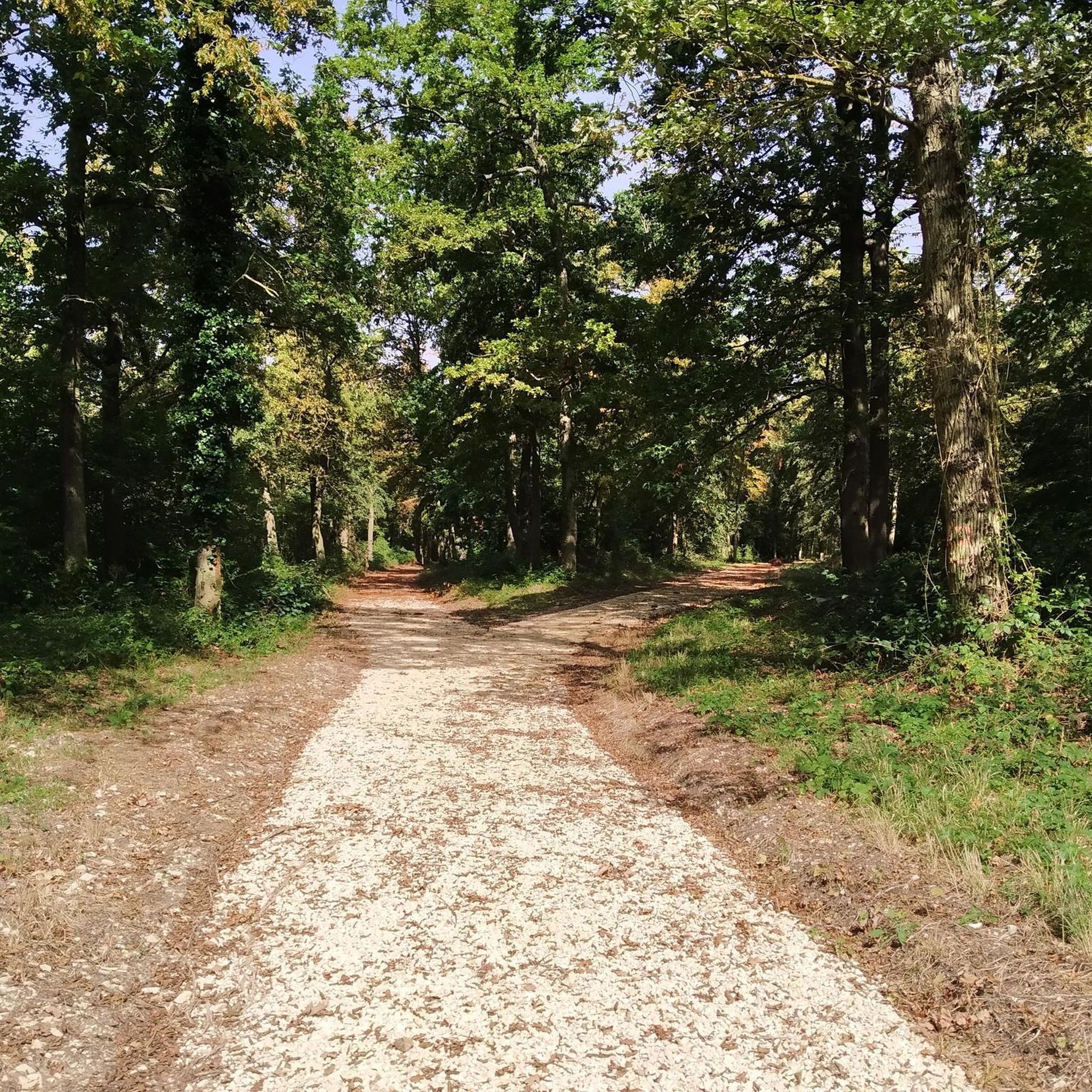
From Senlis, a lovely bike ride into the surrounding area (approx. 8 km) on asphalt, forest and field paths will quickly take you directly to the castle. Bicycles and dogs are not allowed on the castle grounds. However, you can cycle along the road and admire the castle. The town is also inviting and there are opportunities to cycle past the race track and through the park.
1
0

Hassle part of the journey approaching Chantilly are galloping tracks. Full of sand and impossible to roll
0
0

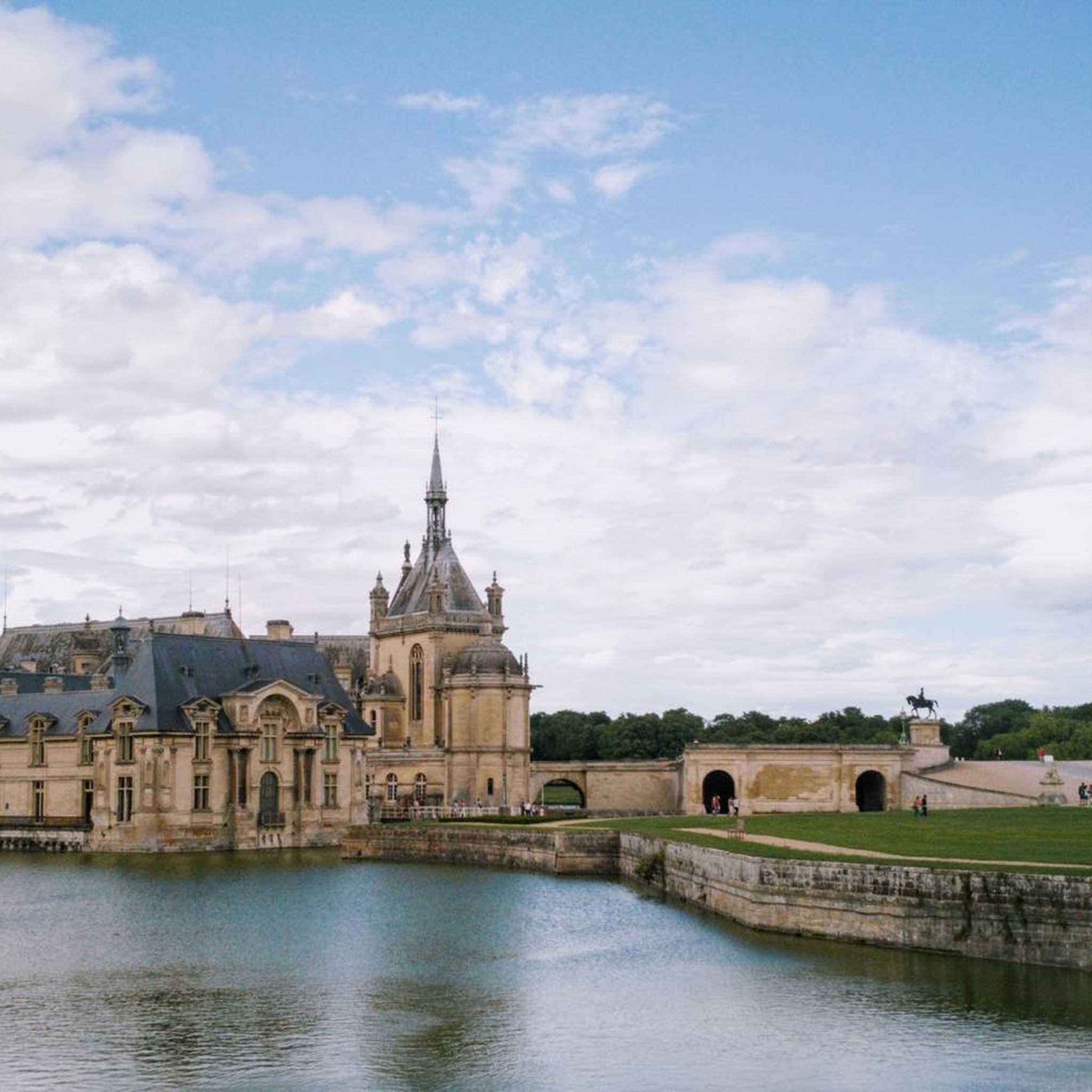
Renowned for its stables, the Château de Chantilly is also in itself an important monument to the history of France. Adjoining the town, it offers a superb setting for walking.
1
0

The Château de Chantilly is a magnificent castle surrounded by a vast park which offers numerous trails for running. You can explore the beautiful gardens and large stables within the grounds of the gardens. You can also enjoy a delicious dessert made from whipped cream, chantilly, which was invented here. Chantilly Castle is a fantastic and creamy destination for a running trip.
2
0
The Château de Chantilly is a magnificent castle surrounded by a vast park which offers numerous walking trails. You can explore the beautiful gardens, large stables and the art museum inside the castle. You can also enjoy a delicious dessert made from whipped cream, called chantilly, which was invented here. Chantilly Castle is an ideal destination for a hike.
2
0
Frequently Asked Questions
What are the most popular castles to visit around Saint-Maximin?
The most popular castles in this region include Grandes écuries du château de Chantilly, which houses the Living Museum of the Horse, and Chantilly Castle itself, known for its art collections and gardens. Visitors also appreciate Pontarmé Castle, a historical country residence visible from the outside.
Are there family-friendly castles in the Saint-Maximin area?
Yes, several castles are noted as family-friendly. Chantilly Castle, Pontarmé Castle, White Queen's Castle, and Coye-la-Forêt Castle are all categorized as suitable for families, offering historical exploration and often natural surroundings.
What kind of natural features can I expect to see near these castles?
Near White Queen's Castle, you'll find a beautiful landscape of lakes and forests, providing a natural setting for hikers and cyclists. The region around Chantilly also features extensive forests and well-maintained gardens, such as those at Chantilly Castle.
What outdoor activities can I do near the castles?
The area offers various outdoor activities. You can find numerous hiking routes, such as the 'Chatêau de Chantilly loop' or 'Chantilly Castle – La Nonette loop'. For cycling, there are road cycling routes like 'Chantilly Castle – Senlis Cathedral loop' and gravel biking options including 'The Apremont Table – Chantilly Castle loop'. You can explore more routes on the hiking, road cycling, and gravel biking guide pages for Saint-Maximin.
Are there hiking trails that pass by or near the castles?
Yes, several hiking trails are available. For instance, the 'Chatêau de Chantilly loop' is a moderate 16 km hike, and the 'Chantilly Castle – Lions Trail loop' is an easier 7.6 km option. These routes allow you to experience the natural surroundings while being close to historical sites. Find more details on the hiking guide page.
What historical significance do the castles in this region hold?
The castles reflect centuries of aristocratic influence. For example, Grandes écuries du château de Chantilly were built by Louis-Henri de Bourbon in the 17th century. Chantilly Castle is a significant example of French heritage, developed by the Duke of Aumale. Coye-la-Forêt Castle was rebuilt in the 18th century by the Prince of Condé, with hydraulic installations dating back to the 17th century.
What do visitors enjoy most about the castles around Saint-Maximin?
Visitors frequently praise the grandeur and historical richness of sites like Chantilly Castle, calling it a 'jewel of French heritage' with magnificent art collections and well-maintained gardens. The impressive scale of the Grandes écuries du château de Chantilly is also a highlight, as is the beautiful natural setting around White Queen's Castle.
Can I visit all parts of the castles, or are some private?
Some castles are fully open to the public, like Chantilly Castle and its stables. However, others, such as Pontarmé Castle, are private properties that can only be observed from the outside. It's always advisable to check specific castle websites for visitor access details.
Are there cafes or places to eat near the castles?
Yes, for instance, White Queen's Castle is near a creperie by the lake, offering a place to rest and refuel. The larger estates like Chantilly Castle typically have on-site dining options or cafes nearby.
What is the best time of year to visit the castles in this region?
While specific seasonal information isn't provided, visiting during spring or autumn generally offers pleasant weather for exploring the castle grounds and nearby outdoor routes. Summer can be warm, and winter might be chilly, but indoor attractions remain accessible year-round.
Is there a castle associated with the Rothschild family in the Saint-Maximin area?
Yes, the Château de Laversine, located in Saint-Maximin near Chantilly in the Oise department, was constructed in 1874 for Baron Gustave de Rothschild and later inherited by his son, Baron Robert de Rothschild. This château represents a notable example of 19th-century aristocratic estates.
Most popular routes around Saint-Maximin
Most popular attractions around Saint-Maximin

Get inspired with the komoot mobile app


Explore more
Looking for the best castles somewhere else? Discover other guides around Saint-Maximin:
