The best road cycling routes around Déols
4.6
(41)
1,307
riders
233
rides
Road cycling routes around Déols traverse gentle rural landscapes, offering quiet country roads and scenic waterways. The region is characterized by the Indre River valley and the picturesque Canal de Berry, providing varied terrain for cyclists. Proximity to Châteauroux and the wider Berry region expands cycling opportunities, including routes near the Parc naturel régional de la Brenne. The area features low elevation changes, making it suitable for accessible road cycling.
Best road cycling routes around Déols
- The most popular road…
Last updated: May 6, 2026
4.0
(2)
26
riders
51.0km
02:00
180m
180m
Easy road ride. Great for any fitness level. Mostly well-paved surfaces and easy to ride.
3.0
(1)
15
riders
49.5km
01:57
170m
170m
Easy road ride. Great for any fitness level. Mostly well-paved surfaces and easy to ride.

Sign up for free
12
riders
46.0km
01:49
190m
190m
Easy road ride. Great for any fitness level. Mostly well-paved surfaces and easy to ride.
1
riders
127km
05:21
940m
940m
Hard road ride. Very good fitness required. Mostly well-paved surfaces and easy to ride.
126km
04:59
580m
580m
Moderate road ride. Good fitness required. Mostly well-paved surfaces and easy to ride.
Get access to more routes and recommendations from other explorers.
Sign up for free
Already have an account?
Our route recommendations are based on thousands of hikes, rides, and runs completed by other people on komoot.
Start today with a free account
Your next adventure awaits.
Login or Signup


Tips from the Community

It's a nice route and the road is beautiful.
0
0

Built in the 1760s, the Château de Bouges located near Valençay elegantly illustrates the arts of the 18th century. When Claude Leblanc de Carnaval bought the estate in 1765, the old building present until then was razed to make way for an “Italian-style house”. This new, up-to-date construction displays the ambition of the rich ironmaster, who managed to rise in the world of Parisian finance and was recently ennobled. Ruined twelve years later, his castle was seized and sold. During the 19th century, successive buyers included the Prince of Talleyrand and Henri Dufour, who restored the castle and had the park landscaped in the English style. The Château de Bouges owes its transformation above all to the Viguier couple: Henry, director of a Parisian department store, and his wife Renée. Acquired in 1917, the Château de Bouges regained its initial vocation as a sumptuous residence. The Viguier couple brought the castle back to life with the acquisition of exceptional furniture dating from the 18th century, which wonderfully expresses the taste for well-being and refinement specific to the society of that era in harmony with the setting. Left without descendants, they bequeathed the castle to the State in 1967. Of elegant Italian construction, the charm of this castle lies in its inhabited appearance. A visit that will transport you to the elegance of the 18th century! After visiting the castle, be sure to discover the English-style park designed by the landscaper Achille Duchêne at the beginning of the 20th century. The winding paths allow you to discover varied views of the Château de Bouges all along the walk. The stone balustrade separates the park from the French garden where boxwood embroidery and trimmed yews are bordered by lime trees. The old vegetable garden, transformed into a flower garden by Madame Viguier, is today dedicated to the cultivation of flowers used for the composition of the bouquets which adorn the rooms of the castle. A visit to the outbuildings made up of the stables, the saddlery and the orangery allows you to discover Henri Viguier's passion for horse riding.
0
0

This castle has a rich history. The castle has many historic pieces of furniture, as well as a large park of around 50 hectares, alternating gardens and forests. It also played an important role during the Second World War, as a warehouse for the Louvre's works of art.
0
1

This small village not far from Chateauroux, Le Poinçonnet is a gateway to access an important nature center. Rich in trees, sometimes centuries old, with diverse flora and fauna, the forest is accessible for walks, by bike or on horseback, on its trails and via a forest road, part of which is closed to traffic, for make it suitable for walking.
0
0

The Château de Bouges is an 18th century residence surrounded by 80 hectares of greenery, with a pond where you can admire the reflections of the different trees. You can also discover the outbuildings where the stables, saddlery and horse-drawn carriages are located. The castle itself is open for guided tours, where you can explore its elegant rooms and furnishings. Opening hours vary depending on the season, do not hesitate to check them before traveling.
2
0
Frequently Asked Questions
How many road cycling routes are available around Déols?
There are over 230 road cycling routes around Déols, offering a wide variety of options for cyclists. These routes traverse gentle rural landscapes, quiet country roads, and scenic waterways.
What are the typical difficulty levels for road cycling routes in Déols?
Déols offers a range of routes suitable for various skill levels. You'll find approximately 67 easy routes, 163 moderate routes, and 5 more challenging options, ensuring there's something for everyone.
Are there circular road cycling routes available in the Déols area?
Yes, many road cycling routes around Déols are circular, allowing you to start and end in the same location. For example, the Châteauroux and Villedieu-sur-Indre Loop is an easy 31.7-mile circuit exploring rural landscapes and the Indre River valley.
What natural features can I expect to see while road cycling near Déols?
Road cycling in Déols will take you through the picturesque Indre River valley and alongside the scenic Canal de Berry. You can also explore areas near the Ecopark of Chenevières, a 22-hectare wetland, and the wider Berry region, which includes the Parc naturel régional de la Brenne known for its lakes and fields.
Are there any historical landmarks or attractions along the cycling routes?
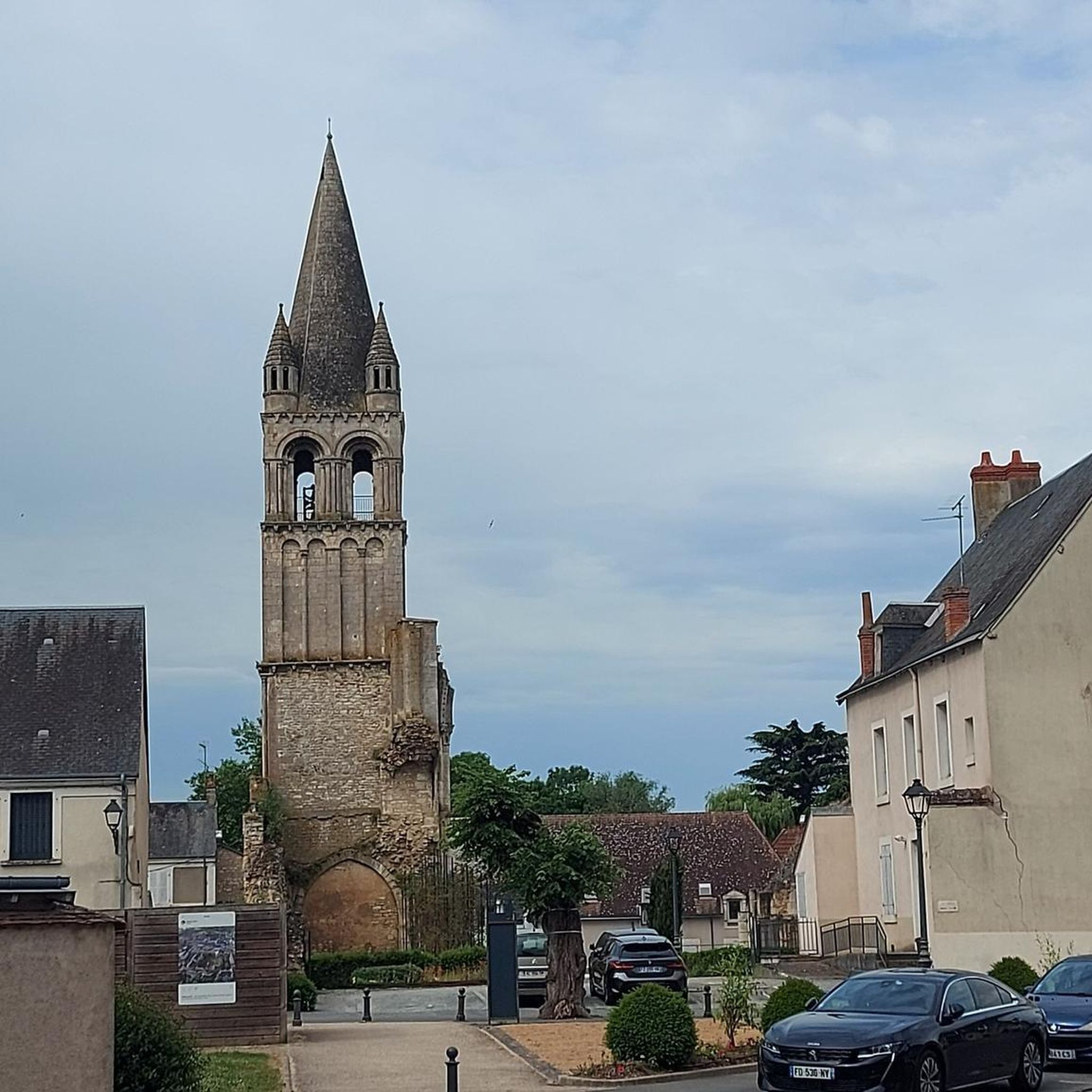
Yes, the region is rich in history. You might pass by the remains of the ancient Benedictine Déols Abbey, including its impressive Romanesque tower. Other notable sites include the Saint Etienne church and historical gates like the Porte de l'Horloge. Nearby, you can also explore Châteauroux, Raoul Castle, or the Cordeliers Convent.
What do other cyclists say about road cycling in Déols?
The komoot community rates the road cycling routes in Déols highly, with an average score of 4.5 stars from over 40 reviews. More than 1,200 road cyclists have used komoot to explore the varied terrain, often praising the quiet country roads and scenic river valleys.
Are there family-friendly road cycling routes in Déols?
Yes, the gentle rural landscapes and low elevation changes in the Déols area make it suitable for family-friendly cycling. Many easy routes, such as the Châteauroux Ambrault — circuit in the Boischaut Sud natural region, offer pleasant rides for all ages.
Where can I find parking for road cycling routes in Déols?
While specific parking areas for each route vary, Déols and its proximity to Châteauroux offer various public parking options. Many routes, especially those starting from larger towns, will have accessible parking nearby.
What is the best time of year for road cycling in Déols?
The region's climate makes spring and autumn particularly pleasant for road cycling, with mild temperatures and beautiful scenery. Summer can also be enjoyable, especially in the mornings or late afternoons, to avoid the warmest parts of the day.
Are there any longer distance road cycling routes around Déols?
Yes, for those seeking longer rides, options like the Châteauroux - Creuse Valley and Brenne Loop offer a challenging 79-mile (127 km) experience with significant elevation gain, exploring the wider region including the Brenne Natural Park.
Can I find routes with varied elevation profiles near Déols?
While the immediate Déols area is characterized by low elevation changes, routes extending further into the Berry region or towards the Brenne Natural Park can offer more varied terrain. For instance, the Châteaux and Pyramids Loop from Châteauroux is a moderate 78-mile (125 km) route with over 1,900 feet of elevation gain.
Are there routes that pass through forests or natural parks?
Absolutely. The La Forêt du Poinçonnet — loop from Châteauroux is a popular 28.6-mile route that leads directly through the forest of Poinçonnet. Additionally, routes extending towards the Brenne Regional Natural Park offer cycling through diverse natural landscapes.
Most popular attractions around Déols

Get inspired with the komoot mobile app


Explore more
Browse the best Road cycling routes in other regions.
