Top 5 Gorges around Bretigney-Notre-Dame
Best canyons near Bretigney-Notre-Dame France are characterized by the geological features of the Audeux river, which flows through the commune. This area features wooded canyons and notable "cuves" (kettles) carved into the streambed, particularly upstream from the Grâce-Dieu abbey. The natural landscape offers insights into the region's geology, showcasing erosion by water. These features are accessible for those exploring things to do near Bretigney-Notre-Dame.
Best canyons around Bretigney-Notre-Dame
- The most popular canyons highlight is View of the Doubs River and…
Last updated: July 1, 2026
Grotte Sous Buen
Highlight • Cave
Translated by Google •
Tip by

Fourbanne Cave
Highlight • Cave
Translated by Google •
Tip by

Sign up now to discover places like this
Get recommendations on the best single tracks, peaks, & plenty of other exciting outdoor places.
Sign up for free
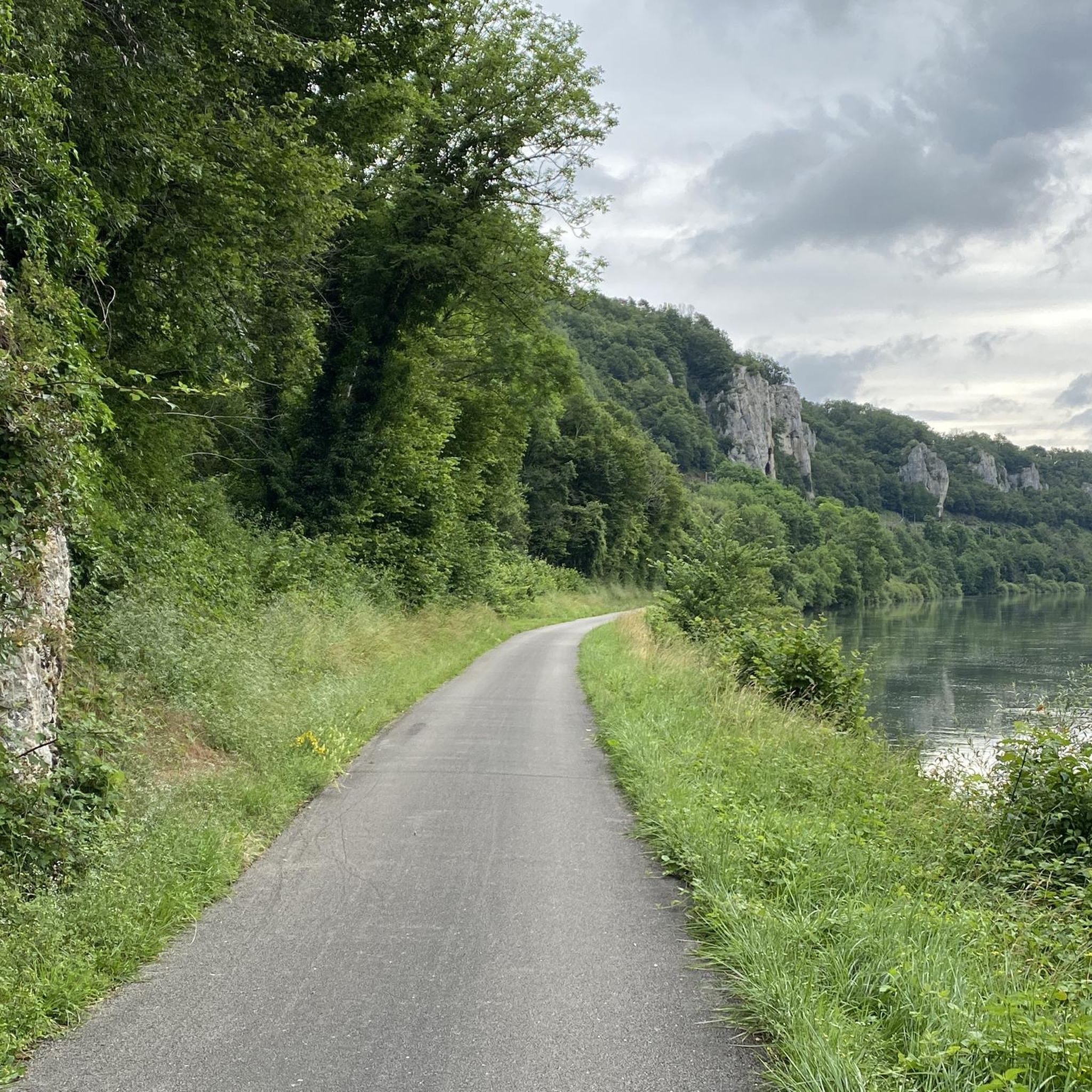
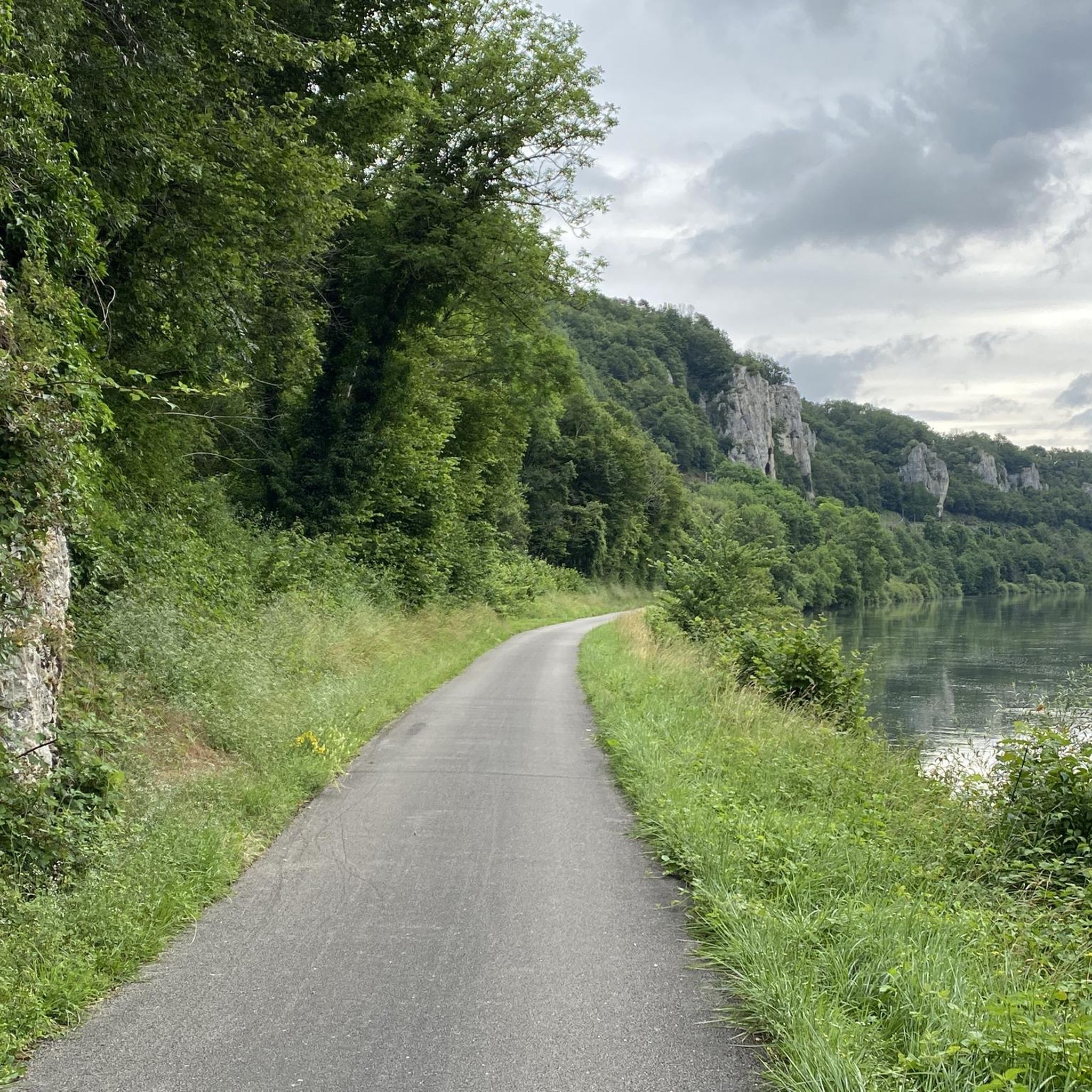
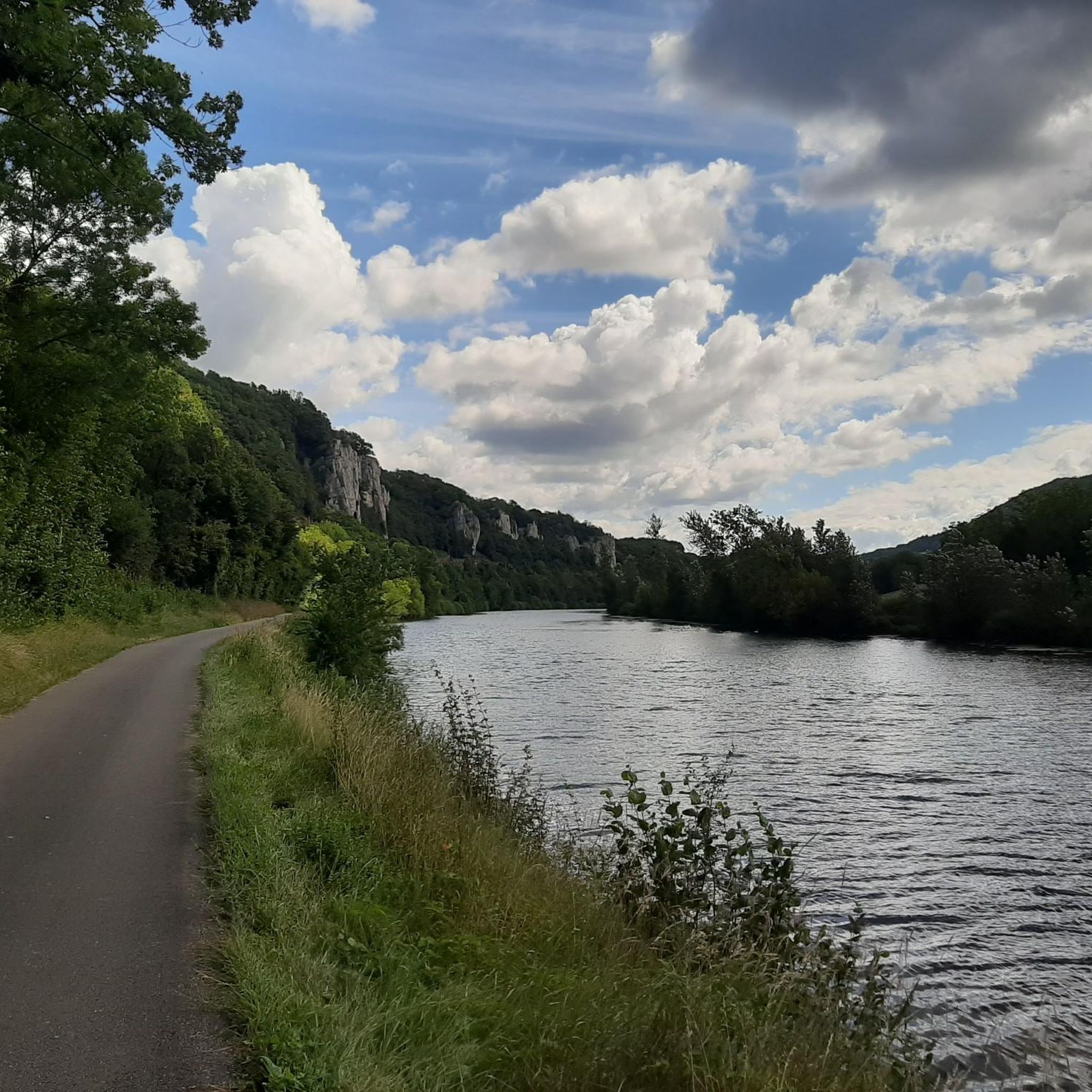
View of the Doubs River and cliffs
Highlight • Viewpoint
Translated by Google •
Tip by

Grotte du Petit Siblot
Highlight • Cave
Through a very small shaft entrance of just 30 x 50 cm.
you have to abseil about 7 meters ... …
Translated by Google •
Tip by

View of the Doubs from the Cliffs of Deluz
Highlight • Viewpoint
==============
Translated by Google •
Tip by

Start today with a free account
Your next adventure awaits.
Login or Signup

Tips from the Community

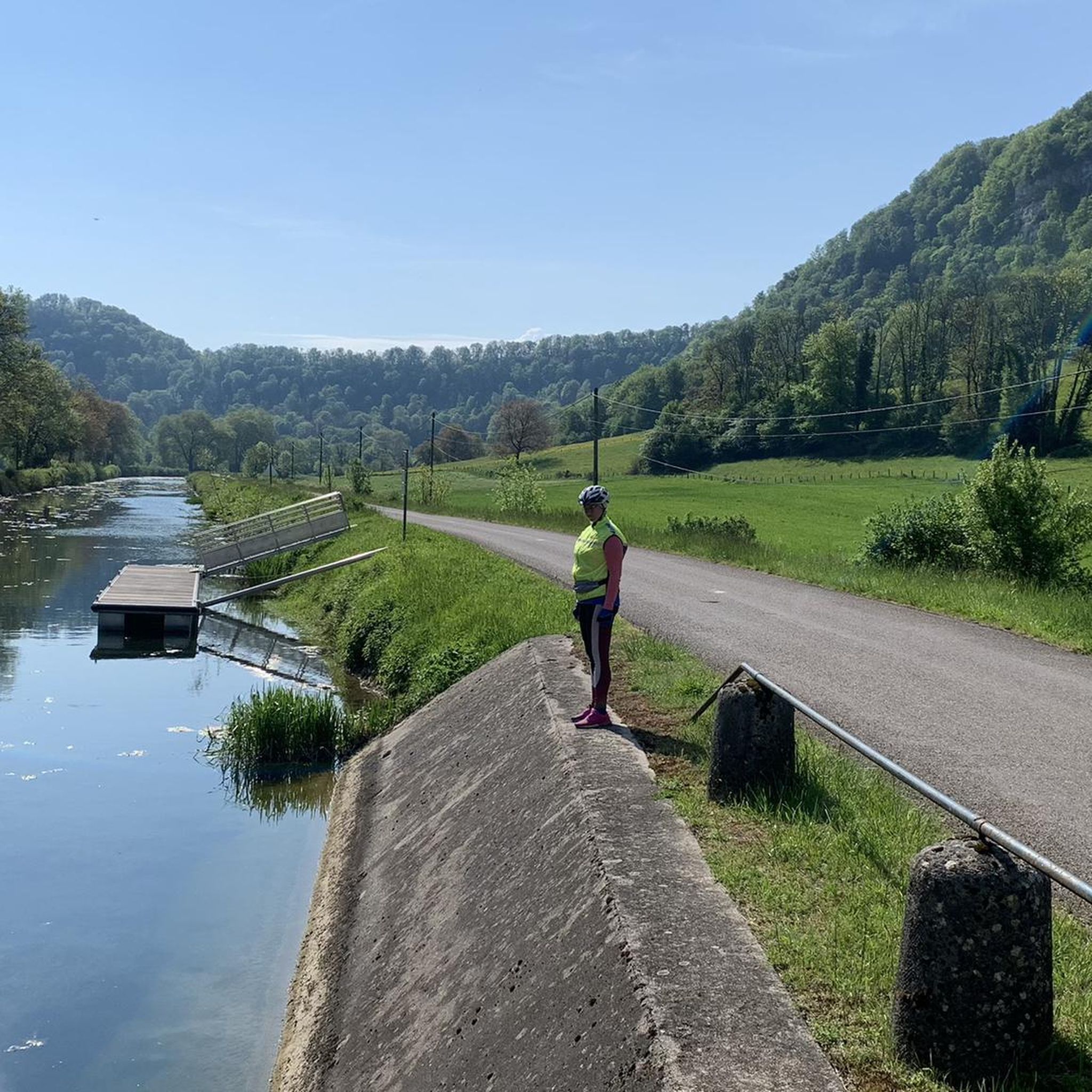
Driving along the Doub is wonderfully relaxing - just don't forget to take something to eat with you! A gastronomic service desert!
1
0

Cannot be reached directly from the cycle path.
2
0

High grotto with wonderful limescale deposits - accessible via a metal ladder even without equipment. The grotto does not lead deep into the rock, the daylight is sufficient, you do not need a flashlight. It is freely accessible to everyone.
1
0

On the other side of the train tracks up the hill are the wild undeveloped karst caves of Fourbanne, a dream for fans of speleology. Bring good light, rugged cloths, and wear your helmet (you're biking, so you have a helmet!). https://inpn.mnhn.fr/zone/znieff/430013670 See video https://www.youtube.com/watch?v=7nxTiEY92I8
1
4

The cave is listed as a real classic among speleologists. Through a very small shaft entrance of just 30 x 50 cm. you have to abseil about 7 meters ... Then the next 18 meter deep shaft. A final climbing step, about 5 meters lower, ends in an impressive and large hall with beautiful stalactite columns.
4
0

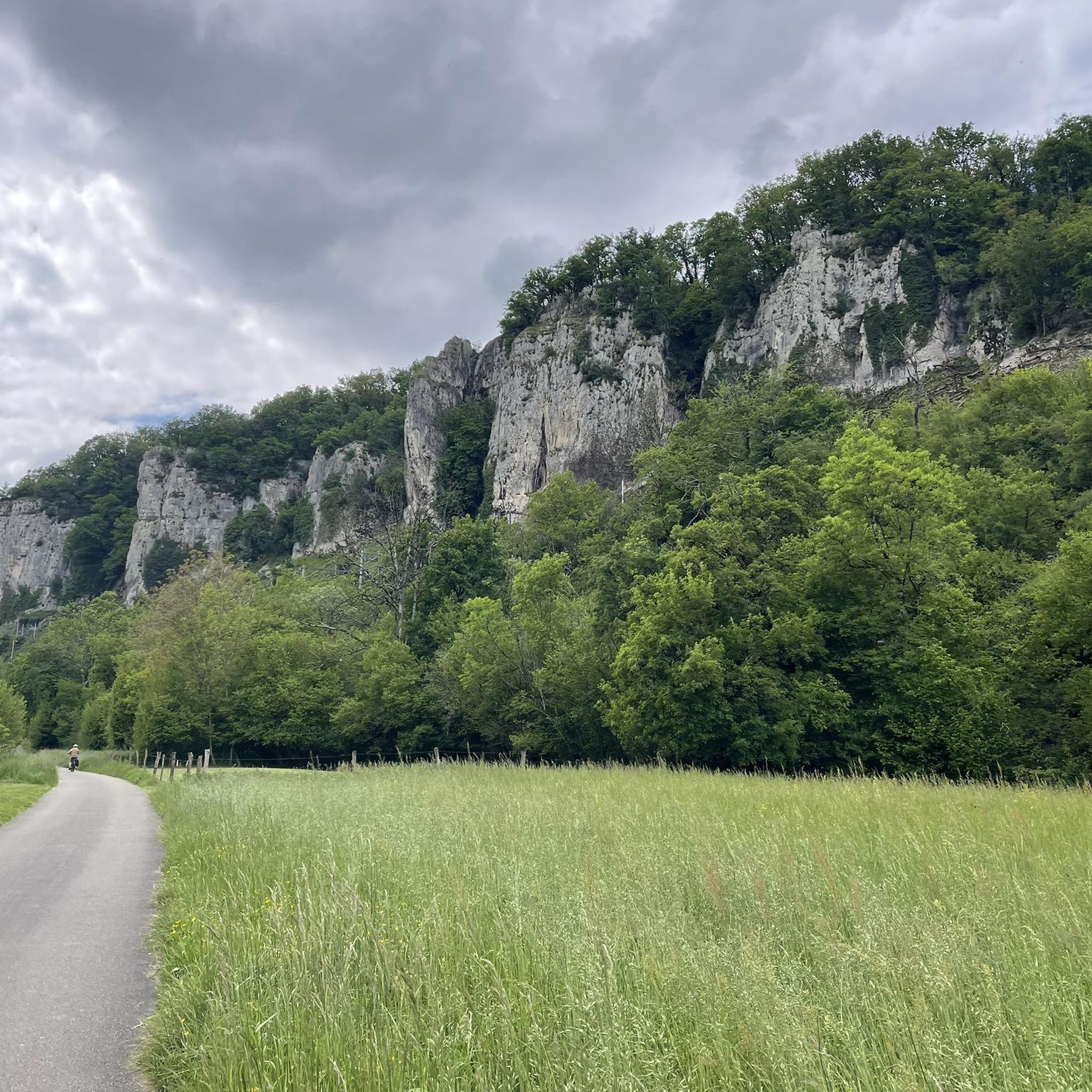
A nice point of view on the Doubs from the cliffs of Deluz. Be careful where you step, the stones are not stable in places! ============== A nice point of view over the Doubs from the cliffs of Deluz. Be careful at the top, rocks aren't stable in some places! https://fr.wikipedia.org/wiki/Deluz
4
1
Frequently Asked Questions
What are the main natural features to explore near Bretigney-Notre-Dame?
The primary natural features are centered around the Audeux river, which flows through the commune. You can explore wooded canyons, impressive 'cuves' (giant's kettles carved into the streambed), and several waterfalls, particularly upstream from the Grâce-Dieu abbey and near Aïssey. These areas showcase fascinating geological erosion.
Are there any caves to explore in the canyons area?
Yes, there are several caves. The Grotte Sous Buen is a high grotto with limescale deposits, accessible via a metal ladder and sufficiently lit by daylight, making it suitable for most visitors. For those seeking a more challenging experience, the Fourbanne Cave offers wild, undeveloped karst formations for speleology enthusiasts, requiring good light and protective gear. Another option for experienced speleologists is the Grotte du Petit Siblot, known for its challenging shafts and impressive stalactite columns.
What kind of scenic views can I find near Bretigney-Notre-Dame's canyons?
You can enjoy several scenic viewpoints. The View of the Doubs River and cliffs offers a relaxing perspective of the river and its surrounding cliffs. Another notable spot is the View of the Doubs from the Cliffs of Deluz, providing an elevated perspective over the Doubs river.
Are the canyons and natural features suitable for families?
Yes, some natural features are family-friendly. The Grotte Sous Buen is accessible via a metal ladder and does not require special equipment, making it a good option. The View of the Doubs River and cliffs is also considered family-friendly, offering a relaxing spot to enjoy the scenery.
What is the best time to visit the Audeux river's features?
The best time to visit depends on what you wish to see. The 'cuves' (giant's kettles) are most visible during periods of low water (étiage), revealing their intricate geological formations. However, during high water events (crue), the river transforms, and the waterfalls become more powerful and dramatic. Each season offers a different dynamic to experience the river's beauty.
What outdoor activities can I do near these canyons?
The area around Bretigney-Notre-Dame offers a variety of outdoor activities. You can explore numerous hiking trails, with options ranging from moderate to difficult, such as the Croix de Châtard Loop. For cyclists, there are road cycling routes like the Deluz Lock – Along the Doubs River loop, and gravel biking options including the 'Back to sources' trail. You can find more details on these activities in the Hiking around Bretigney-Notre-Dame, Road Cycling Routes around Bretigney-Notre-Dame, and Gravel biking around Bretigney-Notre-Dame guides.
What makes the 'Cuves de l'Audeux' unique?
The 'Cuves de l'Audeux' are unique geological formations, often described as 'marmites de géant' (giant's kettles). They are deep, circular depressions carved into the streambed by the persistent flow of water over time. These formations are a striking example of erosion and offer a distinct natural spectacle, especially during low water periods.
Are there specific hiking trails to explore the Audeux river gorges?
While specific named trails directly within the 'Gorges de l'Audeux' are not detailed in the guide, the area around the Audeux river, particularly upstream from the Grâce-Dieu abbey and near Aïssey, is ideal for exploring the wooded canyons and waterfalls. You can find various hiking routes in the broader region by checking the Hiking around Bretigney-Notre-Dame guide.
How accessible are the natural features near Bretigney-Notre-Dame?
Many natural features are easily accessible for those exploring the area. For instance, the Grotte Sous Buen is accessible via a metal ladder without special equipment. However, some caves like Fourbanne Cave and Grotte du Petit Siblot are considered challenging and require specific gear and experience.
What geological interests can be found in the canyons around Bretigney-Notre-Dame?
The canyons and river features around Bretigney-Notre-Dame offer significant geological interest. The Audeux river has sculpted the landscape, creating wooded canyons and the famous 'cuves' (giant's kettles) through erosion. These formations provide a clear demonstration of how water shapes hard rock over time. The caves in the region also showcase various limestone deposits and karst features.
Can I find information about the Audeux river itself?
The Audeux river is a 24.2 km long waterway originating in Eysson and flowing through several communes, including Bretigney-Notre-Dame. It is known for its wooded canyons, waterfalls, and the unique 'cuves' carved into its streambed. For more detailed information about the river's geography and characteristics, you can refer to its Wikipedia page.
Most popular routes around Bretigney-Notre-Dame
Most popular attractions around Bretigney-Notre-Dame

Get inspired with the komoot mobile app


Explore more
Already discovered everything in this region? See additional gorges around Bretigney-Notre-Dame for your next adventure:
