The best walks and hikes around Tonnerre
4.6
(86)
461
hikers
24
hikes
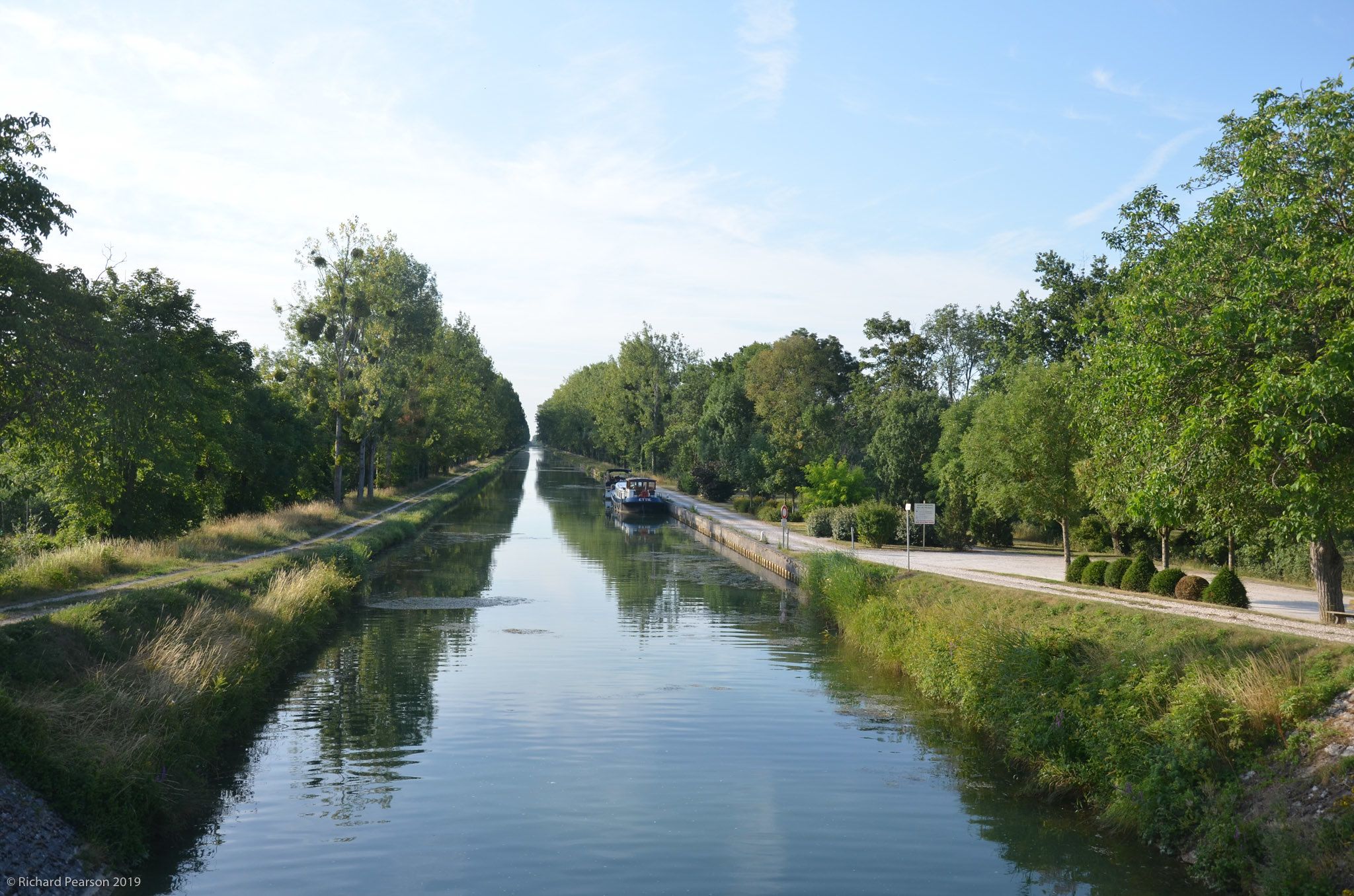
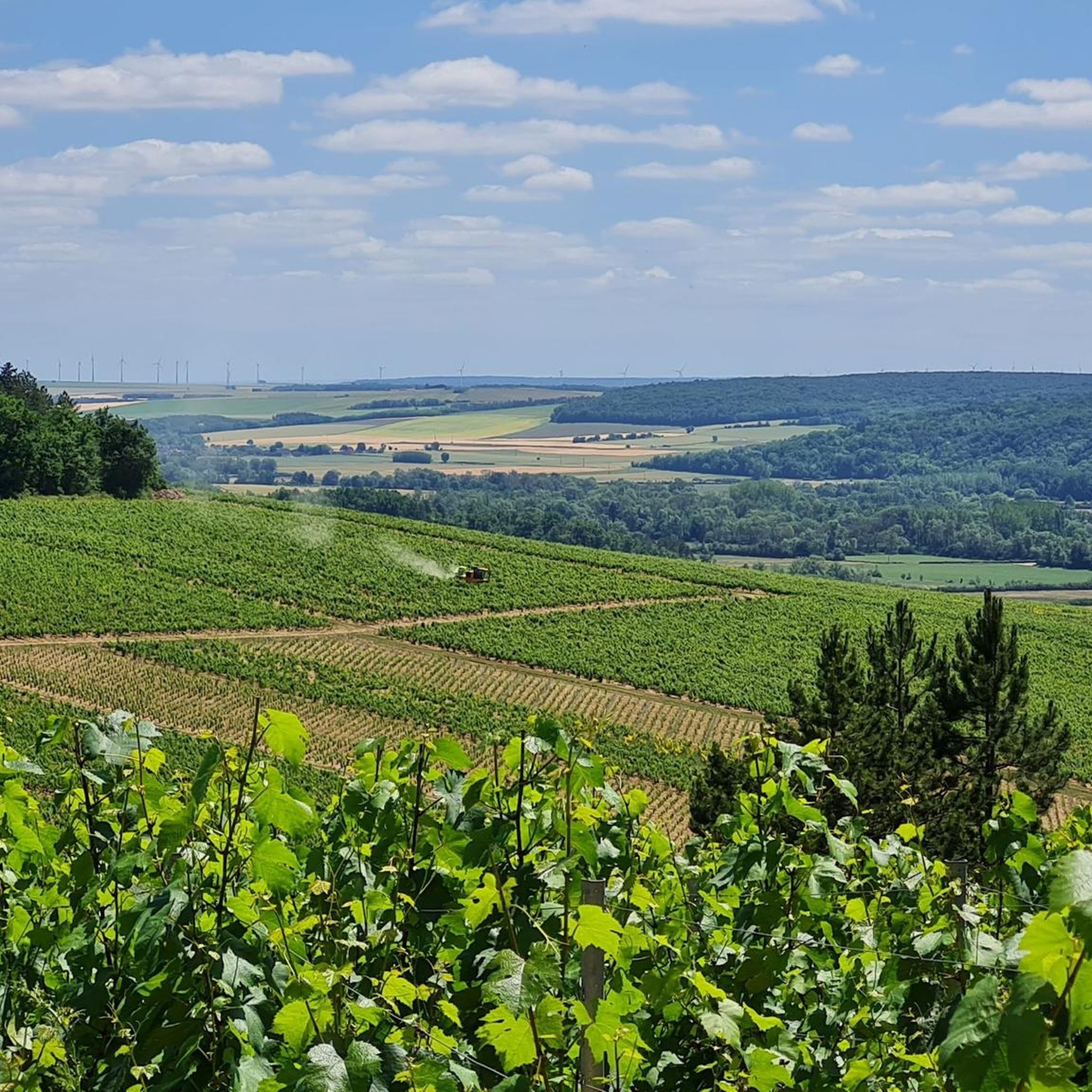
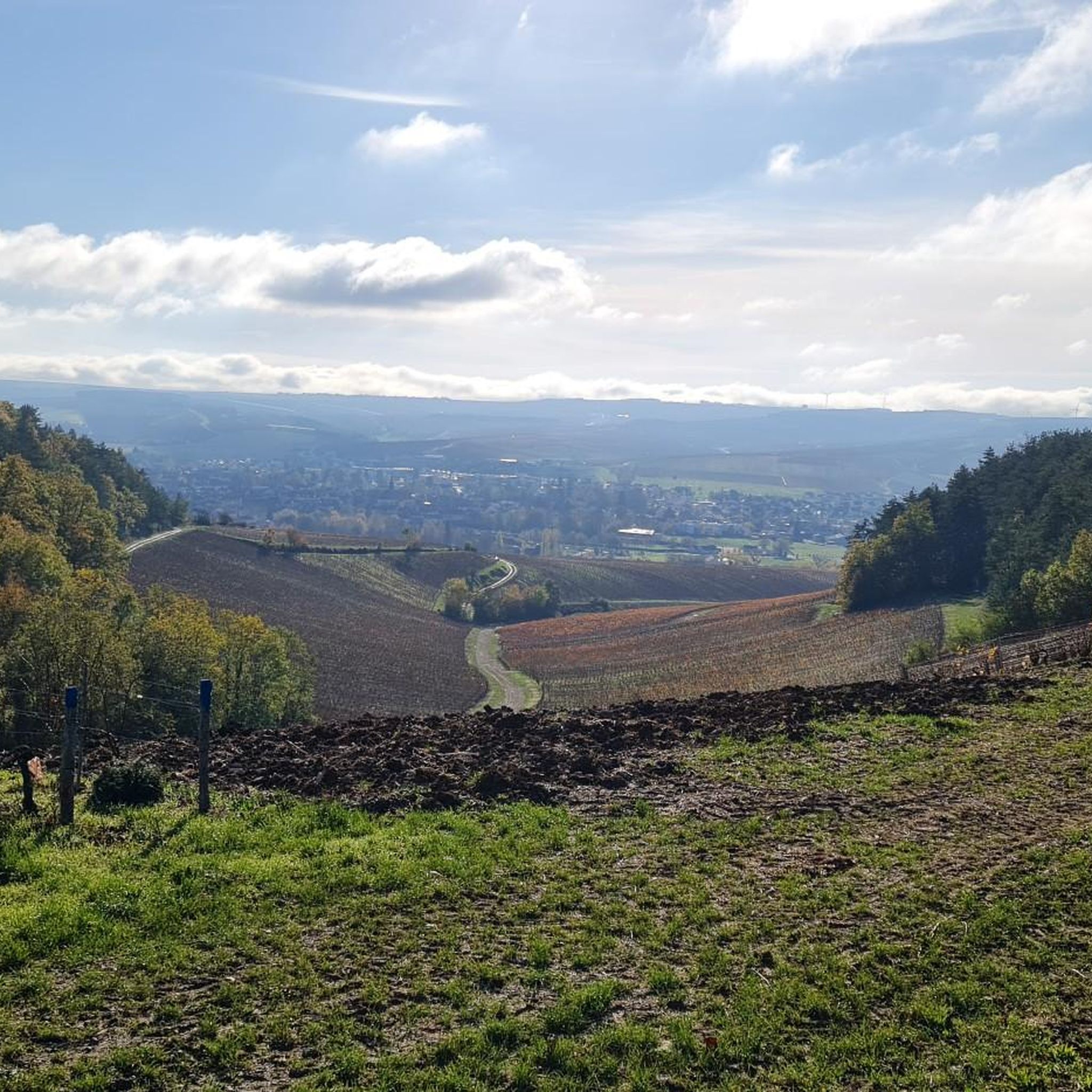
Hiking around Tonnerre offers diverse landscapes, including the picturesque Burgundy Canal with its accessible towpaths and the winding River Armançon. The region features hilly vineyards and forests, particularly in the wider Chablis and Tonnerrois areas, providing varied terrain and panoramic views. Limestone plateaux contribute to the distinctive geology, while the Fosse Dionne, a unique karst spring, adds a natural marvel to the town. These elements combine to create a varied environment for outdoor exploration.
Best hiking trails around Tonnerre
- The…
Last updated: July 4, 2026
4.2
(5)
19
hikers
13.7km
03:44
210m
210m
Moderate hike. Good fitness required. Easily-accessible paths. Suitable for all skill levels.
4.7
(3)
25
hikers
4.81km
01:15
30m
30m
Easy hike. Great for any fitness level. Easily-accessible paths. Suitable for all skill levels.

Sign up for free
3
hikers
6.96km
01:53
100m
100m
Easy hike. Great for any fitness level. Easily-accessible paths. Suitable for all skill levels.
3
hikers
21.9km
05:50
230m
230m
Hard hike. Very good fitness required. Easily-accessible paths. Suitable for all skill levels.
5.0
(2)
5
hikers
11.8km
03:15
200m
200m
Moderate hike. Good fitness required. Easily-accessible paths. Suitable for all skill levels.
Get access to more routes and recommendations from other explorers.
Sign up for free
Already have an account?
Our route recommendations are based on thousands of hikes, rides, and runs completed by other people on komoot.
Start today with a free account
Your next adventure awaits.
Login or Signup


Other adventures around Tonnerre

Tips from the Community

The Dionne pit is a karst source called the Vauclusian source, located in the city center of Tonnerre. It is fed by the infiltration of precipitation into the surrounding limestone plateau as well as by the losses of at least one river. The Dionne pit is remarkable for its flow and the size of its hydrogeological network which extends to more than 40 km. His presence is at the origin of the creation of the city of Tonnerre. An elaborate washhouse was built around the spring in the 18th century. Wikipedia
0
0

A real must-see - this round wash house around a turquoise green source is unique in its kind and well worth the detour.
0
0

The church in Tonnerre was dedicated to Saint Peter / “Saint-PIERRE”. Simon, nicknamed Peter (the word means "rock"), was a fisherman on the Sea of Galilee when he - together with his brother Andrew - was called by Jesus Christ to be "fishers of men". According to Catholic understanding, he is the supreme apostle, and the two millennia-long line of popes - currently Francis - are his successor. On statues and paintings, Peter is almost always depicted with two keys in his hand; this attribute refers to the biblical saying in Matthew: “I will give you the keys of the kingdom of heaven; Whatever you bind on earth will be bound in heaven, and whatever you loose on earth will be loosed in heaven” (Chapter 16, verse 19). Saint-Pierre is - together with Saint-Paul - also known as the “Princes of the Apostles”, their common feast day in the saints' calendar is on June 29th.
0
0

The Hotel Dieu is the work of Marguerite de Bourgogne. it is the longest medieval hospital in Europe. It was built in the XIII century.
0
1
The mystery of this pit is complete. The city was built around it.
0
2
We enjoyed a remarkable guided tour.
0
0

From the old stone bridge there is of course a beautiful view of the Armançon River. And a first look at the old town.
1
0
The Mühlengasse is a nice walking connection from the park with the train station there to the old town. A scenic view of the Mill Canal is included.
1
0
Frequently Asked Questions
How many hiking trails are there around Tonnerre?
There are over 20 hiking trails around Tonnerre, offering a variety of experiences from easy strolls along the canal to more challenging treks through the surrounding hills and forests. You'll find options suitable for all fitness levels.
Are there any easy hiking trails suitable for beginners or families in Tonnerre?
Yes, Tonnerre offers several easy trails perfect for beginners or families. A great option is the Saint Peter's Church – Notre-Dame Church loop from Tonnerre, an easy 3.0 miles (4.8 km) path that explores the town's historical churches and offers scenic views. Another accessible choice is the Tonnerre Lock – Burgundy Canal loop from Tonnerre, a 4.3 miles (7.0 km) trail along the scenic Burgundy Canal towpaths.
What kind of landscapes can I expect to see on a hike near Tonnerre?
Hiking near Tonnerre offers diverse landscapes. You can expect picturesque towpaths along the Burgundy Canal and the River Armançon, winding through green forests like the Wood of the Brions, and ascending gentle hills that provide panoramic views of the town and surrounding countryside. The region's limestone plateaux also contribute to its distinctive geology.
Are there any circular hiking routes in Tonnerre?
Yes, many of the trails around Tonnerre are circular, allowing you to start and end at the same point. For example, the popular Hôtel-Dieu de Tonnerre – Tonnerre Lock loop from Tonnerre is a moderate 8.5 miles (13.7 km) circular route that passes historical sites and the canal.
What historical sites or natural attractions can I see while hiking in Tonnerre?
Tonnerre's hikes often combine natural beauty with historical charm. You can explore the unique Fosse Dionne, a mysterious karst spring, or walk past the medieval Hôtel-Dieu de Tonnerre. Many routes also pass by historic churches like Notre-Dame Church and the Church of Saint-Pierre, which offers beautiful town views.
What do other hikers enjoy most about the trails in Tonnerre?
The hiking trails in Tonnerre are highly rated by the komoot community, with an average score of 4.7 stars. Reviewers often praise the peaceful canal paths, the blend of natural scenery with historical landmarks, and the well-maintained routes that cater to various abilities.
Are there any longer or more challenging hikes for experienced trekkers?
For experienced trekkers seeking a challenge, the Hôtel-Dieu de Tonnerre – Notre-Dame Church loop from Tonnerre is a difficult 13.6 miles (21.9 km) route. This trail offers a more extensive exploration of the region's varied terrain and historical points of interest.
Can I hike along the Burgundy Canal in Tonnerre?
Absolutely! The Burgundy Canal, with its inviting towpaths, offers a calm and relaxing setting for walkers. The Tonnerre Lock – Burgundy Canal loop from Tonnerre is a great example of a route that takes you along this scenic waterway, allowing you to observe historic locks and enjoy the tranquil reflections in the water.
Are there any hikes that feature the Fosse Dionne?
Yes, you can definitely incorporate the Fosse Dionne into your hike. The Fosse Dionne – Notre-Dame Church loop from Tonnerre is a moderate 7.3 miles (11.8 km) route that allows you to experience this captivating karst spring with its emerald waters, along with other historical sights in the town.
What is the best time of year to go hiking in Tonnerre?
Tonnerre offers pleasant hiking conditions throughout much of the year. Spring and autumn provide mild temperatures and beautiful scenery with blooming flowers or vibrant foliage. Summer is also popular, especially for walks along the shaded canal paths. Even in winter, the region's trails can be enjoyed, offering a different, serene perspective of the landscape.
Most popular attractions around Tonnerre

Get inspired with the komoot mobile app


Explore more
Browse the best Hikes in other regions.
