The best road cycling routes around Saint-Cibard
4.3
(37)
477
riders
132
rides
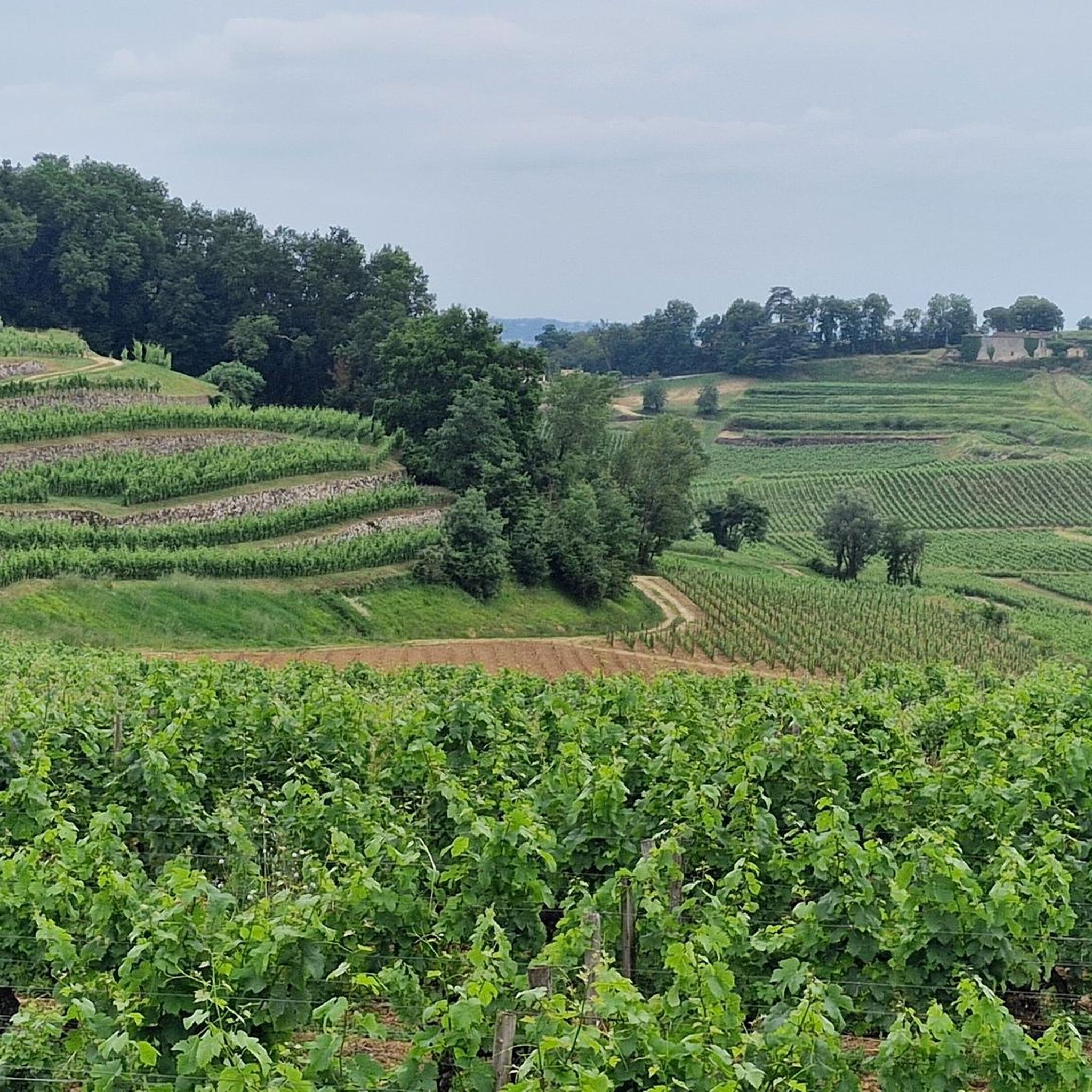
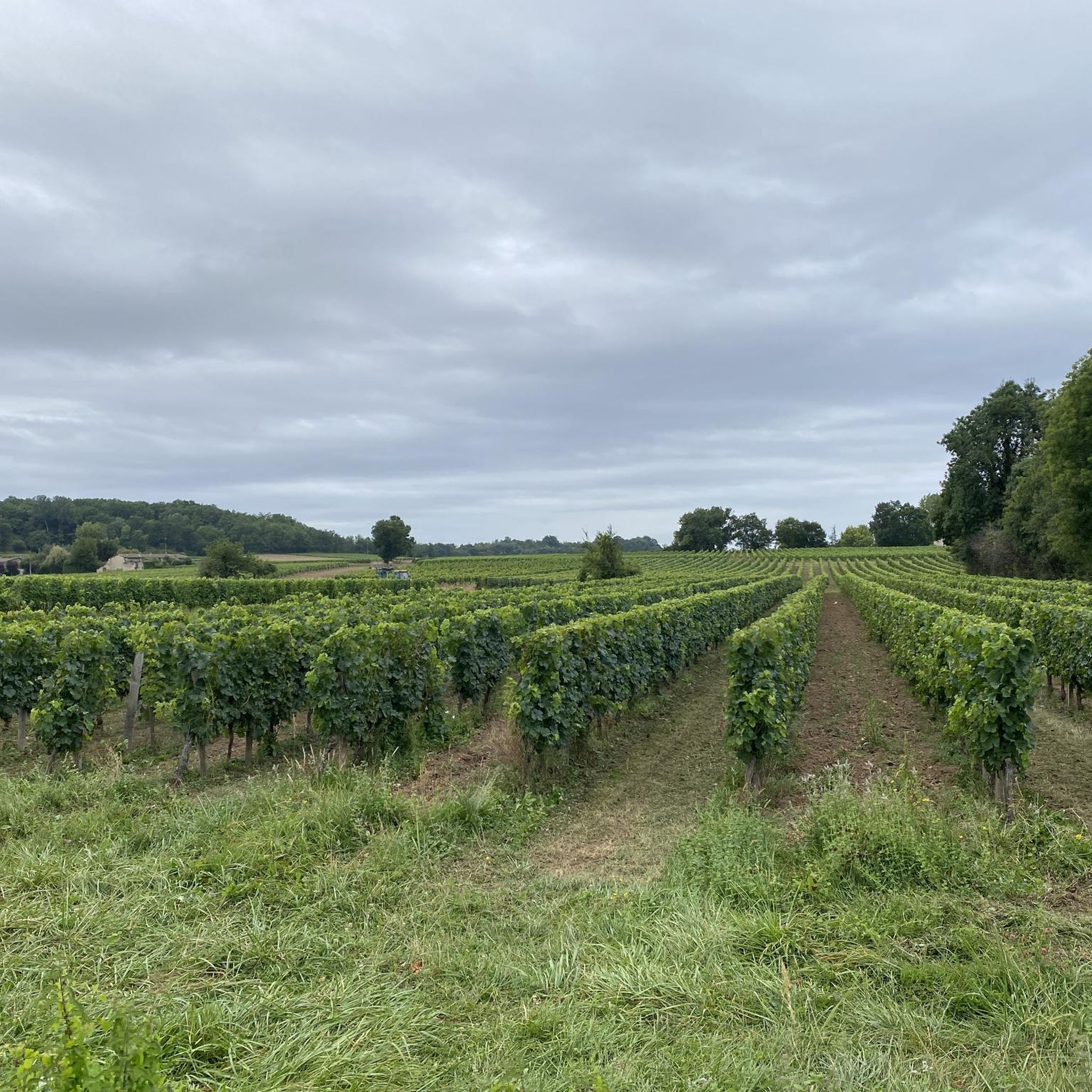
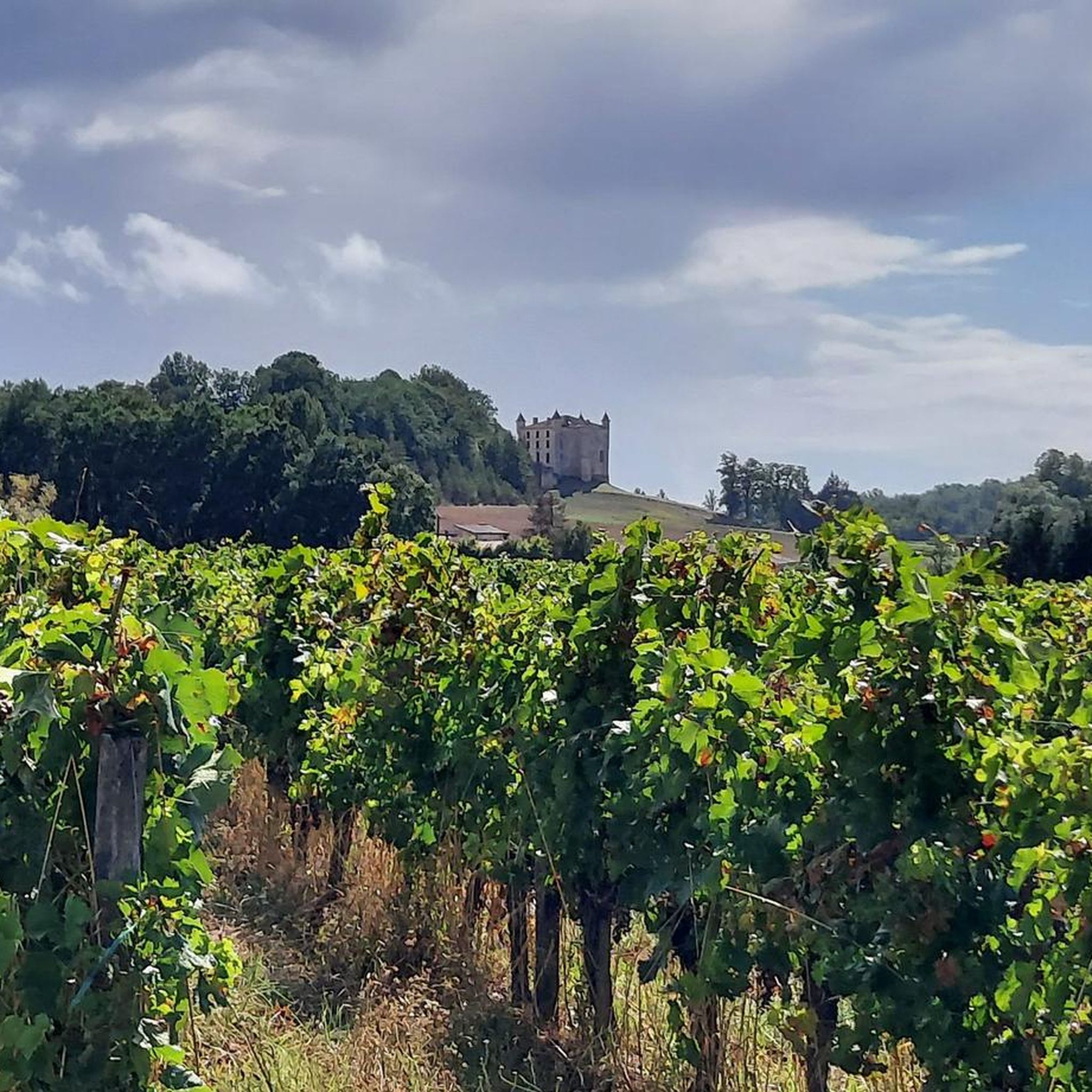
Road cycling around Saint-Cibard offers a blend of picturesque landscapes and suitable terrain within the Great Saint-Emilion Area. The region is characterized by vineyard-laced countryside and gently rolling hills, situated on a crest line at an elevation of 108 meters above sea level. Cyclists navigate well-paved roads that wind through these scenic agricultural lands, often providing views over the surrounding Dordogne and Isle valleys. This "flat to rolling" landscape accommodates various fitness levels, from serene rides to more challenging excursions.
…Last updated: May 14, 2026
22
riders
58.5km
02:38
430m
430m
Moderate road ride. Good fitness required. Mostly well-paved surfaces and easy to ride.
6
riders
49.0km
02:10
460m
460m
Moderate road ride. Good fitness required. Mostly well-paved surfaces and easy to ride.

Sign up for free
4.0
(1)
5
riders
37.8km
01:41
290m
290m
Easy road ride. Great for any fitness level. Mostly well-paved surfaces and easy to ride.
6
riders
26.5km
01:18
310m
310m
Moderate road ride. Good fitness required. Mostly well-paved surfaces and easy to ride.
7
riders
29.0km
01:15
260m
260m
Easy road ride. Great for any fitness level. Mostly well-paved surfaces and easy to ride.
Get access to more routes and recommendations from other explorers.
Sign up for free
Already have an account?
Our route recommendations are based on thousands of hikes, rides, and runs completed by other people on komoot.
Start today with a free account
Your next adventure awaits.
Login or Signup

Tips from the Community

The Saint-Étienne church of Branne is a true haven of peace in the heart of the village, offering a setting conducive to recollection and prayer. The architecture, both sober and majestic, bears witness to the deep faith that has inhabited these places through the centuries. The beauty of the sanctuary naturally invites the elevation of the soul and contemplation of the divine mysteries. One feels an atmosphere of serenity that helps each faithful to find themselves before the Lord in silence and dignity. It is a living place of worship where the presence of Christ is felt, recalling the importance of our Christian roots in the Gironde landscape. A spiritual stopover highly recommended for all those who seek to nourish their faith within a beautifully maintained church.
0
0

The name of Saint-Christophe, to whom this church in the village, which also bears his name, is dedicated, translates as "Christ-bearer." According to the saint's legend, he was a giant man who carried people across a river. One day, a small child called to him, and he carried it on his shoulders to the other bank. Amazingly, the child became heavier and heavier, and he said he felt as if the weight of the entire world were resting on his shoulders. Then the child revealed himself to him as Jesus Christ, Savior and Redeemer of the world.
1
0

Built in the 14th century, it was remodeled and rebuilt many times after the devastating fire of 1885. Today, you can visit this magnificent pleasure castle, typical of the Belle Époque. The guided tour of the Tower is an invitation to follow in the footsteps of the famous philosopher, through a comprehensive evocation of his life, his era, his work, and his thoughts.
0
0
pretty ridge road with views of the Dordogne valley and beautiful castles
0
0


Crossing the Pont de Branne by bike is a delightful experience, as you cross the picturesque Dordogne River. During the crossing, you will enjoy the breathtaking view of the village of Branne.
1
0

pretty
0
0
stunning
3
0
Frequently Asked Questions
How many road cycling routes are available in Saint-Cibard?
There are over 120 road cycling routes around Saint-Cibard, offering a wide range of options for different skill levels and preferences. You'll find everything from easy, leisurely rides to more challenging excursions through the region's picturesque landscapes.
What is the typical terrain for road cycling in Saint-Cibard?
The terrain around Saint-Cibard is characterized by gently rolling hills and vineyard-laced countryside. Situated on a crest line, the area offers a 'flat to rolling' landscape with well-paved roads, making it ideal for road cyclists. You can expect scenic routes winding through agricultural lands, often providing rewarding views over the surrounding Dordogne and Isle valleys.
Are there easy road cycling routes suitable for beginners or families in Saint-Cibard?
Yes, Saint-Cibard offers a good selection of routes suitable for beginners and families. There are 26 easy routes available, designed for more relaxed rides. An example of a route with an easy difficulty grade is the Saint-Émilion – Saint-Émilion Village loop from Lussac, which is about 31.6 km long.
What kind of historical sites or landmarks can I see along the road cycling routes?
The region is rich in history and culture. Along your rides, you can encounter several historical points of interest. Notable attractions include the Renaissance-era Château de Monbadon, known for its large royal dovecote, and various 12th-century Romanesque churches like the Saint-Christophe Church. The proximity to Saint-Émilion also allows for rides that explore its prestigious vineyards and historical sites, such as the Saint-Émilion – Saint-Émilion Climb loop from Puisseguin.
Are there any challenging road cycling routes for experienced riders?
Yes, for experienced riders seeking a challenge, Saint-Cibard offers 7 difficult routes. These routes typically feature more significant elevation gains and longer distances. While the overall terrain is rolling, these specific routes will test your endurance. For a longer, moderate challenge, consider the Piste Roger Lapébie – Saint-Émilion Village loop from Lussac, which covers over 80 km with substantial elevation.
What do other cyclists say about road cycling in Saint-Cibard?
The road cycling routes in Saint-Cibard are highly rated by the komoot community, with an average score of 4.4 stars from over 30 reviews. Cyclists often praise the beautiful vineyard landscapes, the well-maintained roads, and the opportunity to combine physical activity with cultural exploration in the Great Saint-Emilion Area.
Can I find circular road cycling routes in Saint-Cibard?
Yes, many of the road cycling routes around Saint-Cibard are designed as circular loops, allowing you to start and end your ride in the same location. An example is the Château de Monbadon – Branne Bridge loop from Lussac, which is a popular circular route through vineyard landscapes.
Are there routes that pass by natural features like rivers or lakes?
Yes, some routes incorporate natural waterways. Saint-Cibard is traversed by streams like the Nauves and Lidoire, and the region is close to the Dordogne river. The Saint-Magne Church – Dordogne at Castillon loop from Puisseguin, for instance, explores the scenic countryside near the Dordogne river, offering pleasant views of the water.
What is the best time of year for road cycling in Saint-Cibard?
The region's climate generally makes spring and autumn ideal for road cycling, offering pleasant temperatures and beautiful scenery as the vineyards change color. Summer can also be enjoyable, but it's advisable to ride in the mornings or late afternoons to avoid the midday heat. The well-paved roads are generally suitable for cycling throughout much of the year.
Are there opportunities to combine cycling with wine tasting or vineyard visits?
Absolutely. Saint-Cibard is nestled in the heart of the Great Saint-Emilion Area, a renowned wine-growing region. Many routes wind directly through vineyards, offering a unique opportunity to immerse yourself in the local wine culture. You can easily plan stops at local châteaux or wineries along your ride to experience wine tasting. For more information on the region's wine tourism, you might find resources like Saint-Émilion Tourisme helpful.
How can I find cafes or places to stop for refreshments along the routes?
While specific cafe stops are not always marked on every route, the region is dotted with charming villages and towns where you can find local establishments. Given the area's popularity for tourism, especially wine tourism, many villages will have cafes, bakeries, or small restaurants. Planning your route to pass through larger towns like Saint-Émilion or Lussac will increase your chances of finding refreshment stops.
Is Saint-Cibard a good base for exploring the wider Bordeaux cycling region?
Yes, Saint-Cibard's location within the Great Saint-Emilion Area makes it an excellent base for exploring the wider Bordeaux cycling region. Its proximity to Saint-Émilion and the extensive network of well-paved roads allow cyclists to easily extend their rides into diverse landscapes, from vineyards to river valleys. For broader cycling information in the area, you can consult resources like Bordeaux Tourism.
Most popular attractions around Saint-Cibard

Get inspired with the komoot mobile app


Explore more
Browse the best Road cycling routes in other regions.
