Attractions and Places To See around Lussac - Top 20
Best attractions and places to see around Lussac, a village in the Gironde department of Nouvelle-Aquitaine, France, offers a rich array of attractions. This region is known for its historical heritage and renowned wine production, particularly AOC Lussac-Saint-Émilion wines. The landscape features over 11 km of rivers and ancient sites, including Gallo-Roman remains and megaliths. Lussac provides opportunities to explore historical landmarks, vineyards, and natural points of interest.
Best attractions and places to see around Lussac
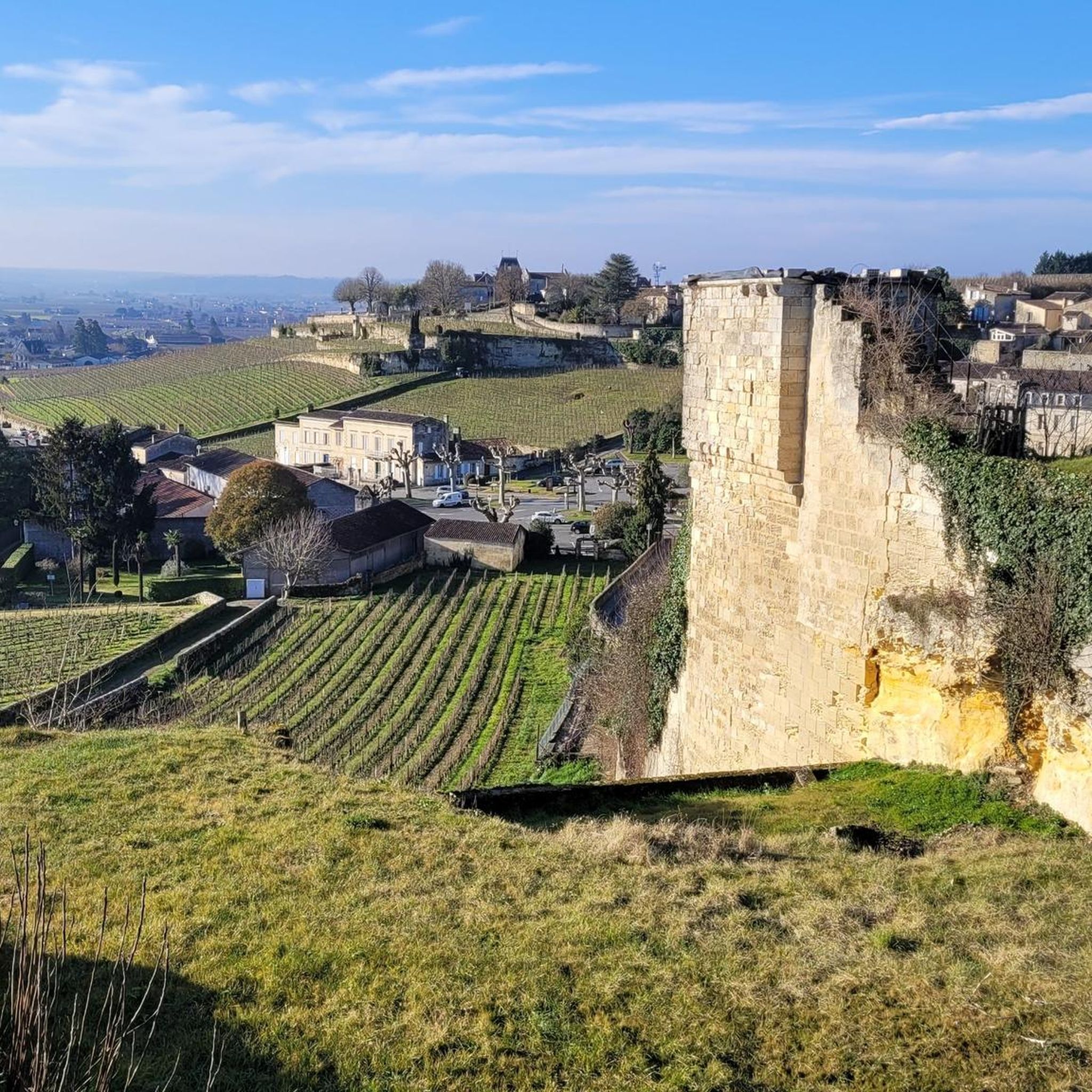
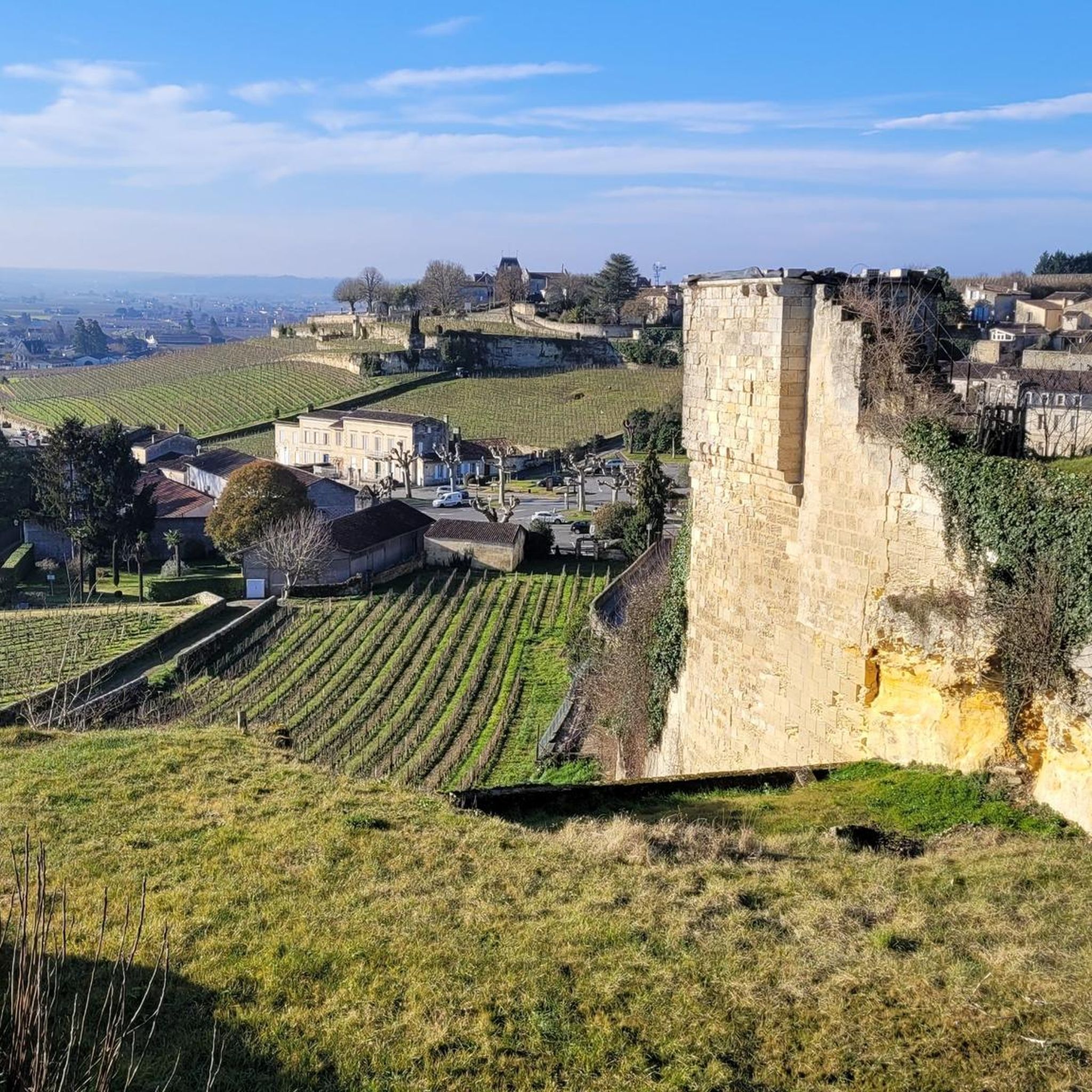
- The most popular attraction is Saint-Émilion Village, a settlement that is a UNESCO World Heritage Site. This medieval city is perched on a rocky promontory and surrounded by vineyards.
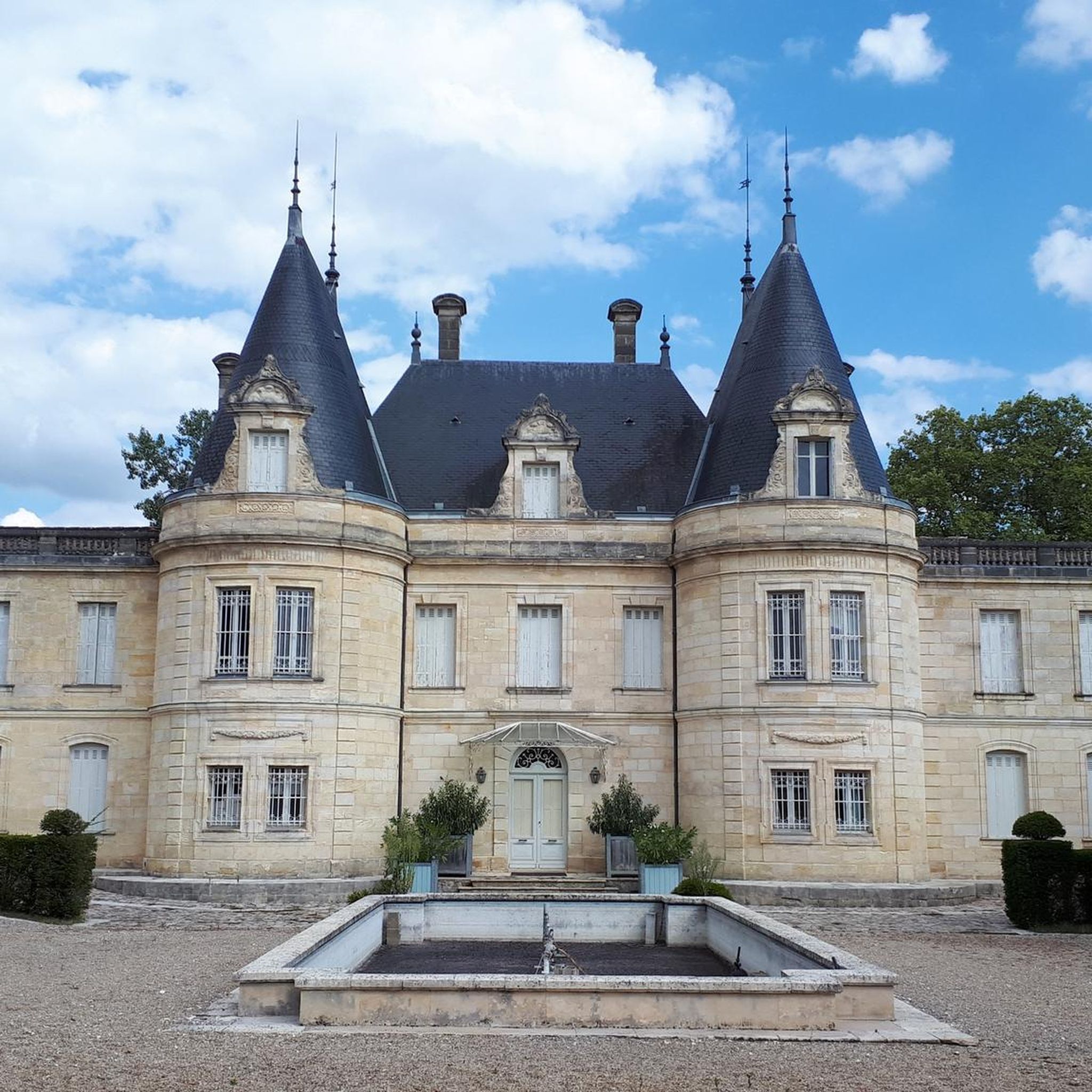
- Another must-see spot is Château de Monbadon, a castle. This historical site is well hidden by the relief and vegetation, revealing itself at the last moment.
- Visitors also love Saint-Christophe Church, a religious building. This church, dedicated to Saint-Christophe, is notable for its sandstone architecture, which reflects the evening sun.
- Lussac is known for its historical sites, vineyards, and religious buildings. The area offers a variety of attractions to see and explore, from ancient Roman villas to 19th-century castles and churches.
- The attractions around Lussac are appreciated by the komoot community, with highlights receiving more than 350 upvotes and over 290 photos shared.
Last updated: July 2, 2026
Saint-Émilion Village
Highlight • Settlement
Translated by Google •
Tip by

Cordeliers' Cloister
Highlight • Religious Site
Translated by Google •
Tip by

Sign up now to discover places like this
Get recommendations on the best single tracks, peaks, & plenty of other exciting outdoor places.
Sign up for free
Château Angélus
Highlight • Historical Site
Translated by Google •
Tip by

Notre-Dame Abbey Church, Guîtres
Highlight • Other
The church of Guîtres is an abbey church; it is therefore the church of an abbey of monks (Benedictine). This abbey, of which only a few traces remain, is said to have been built by Grimoard and Raymond de Fronsac, sons of Hermengarde de Rochechouard, towards the end of the 11th century (between 1060 and 1080). The abbey of Guîtres was therefore dependent on that of Fronsac. The Romanesque style, which dominates the eastern part of the church, is proof that it was shortly after the year 1000 that it began to rise to the picturesque height where we can admire it today. In the Isle Valley, on a hillside where there were three fountains famous even at the time of the Romans (from which the name Guîtres is said to have originated), the Benedictines from Fleury-sur-Loire and Cluny laid the first stone of their abbey on the site of a chapel burned by the Normans. Their work lasted until the 15th century.
Translated by Google •
Tip by

Saint-Christophe Church
Highlight • Religious Site
Translated by Google •
Tip by

Sign up for free to discover even more attractions around Lussac.
Sign up for free
Already have an account?
Start today with a free account
Your next adventure awaits.
Login or Signup

Tips from the Community

The TV series – available only in German – »Schätze der Welt – Erbe der Menschheit« documents in short episodes, each lasting a quarter of an hour, important places that have been honored as World Heritage Sites by UNESCO. The accompanying text states: "Saint- Emilion is one of the most romantic wine towns in the world. The small town lies on a limestone plateau, framed by vineyards where the grapes for the famous 'grands crus' grow. With this important wine-growing region in southwestern France, UNESCO has also declared wine a World Heritage Site. Rightly so, because Saint- Emilion represents the perfection of wine." Follow this link to the film =>> https://www.ardmediathek.de/video/schaetze-der-welt/saint-emilion-frankreich-folge-226/swr/Y3JpZDovL3N3ci5kZS83Nzg1MTUw
0
0
The name of Saint-Christophe, to whom this church in the village, which also bears his name, is dedicated, translates as "Christ-bearer." According to the saint's legend, he was a giant man who carried people across a river. One day, a small child called to him, and he carried it on his shoulders to the other bank. Amazingly, the child became heavier and heavier, and he said he felt as if the weight of the entire world were resting on his shoulders. Then the child revealed himself to him as Jesus Christ, Savior and Redeemer of the world.
1
0

Superb property of great classified growths.
1
1

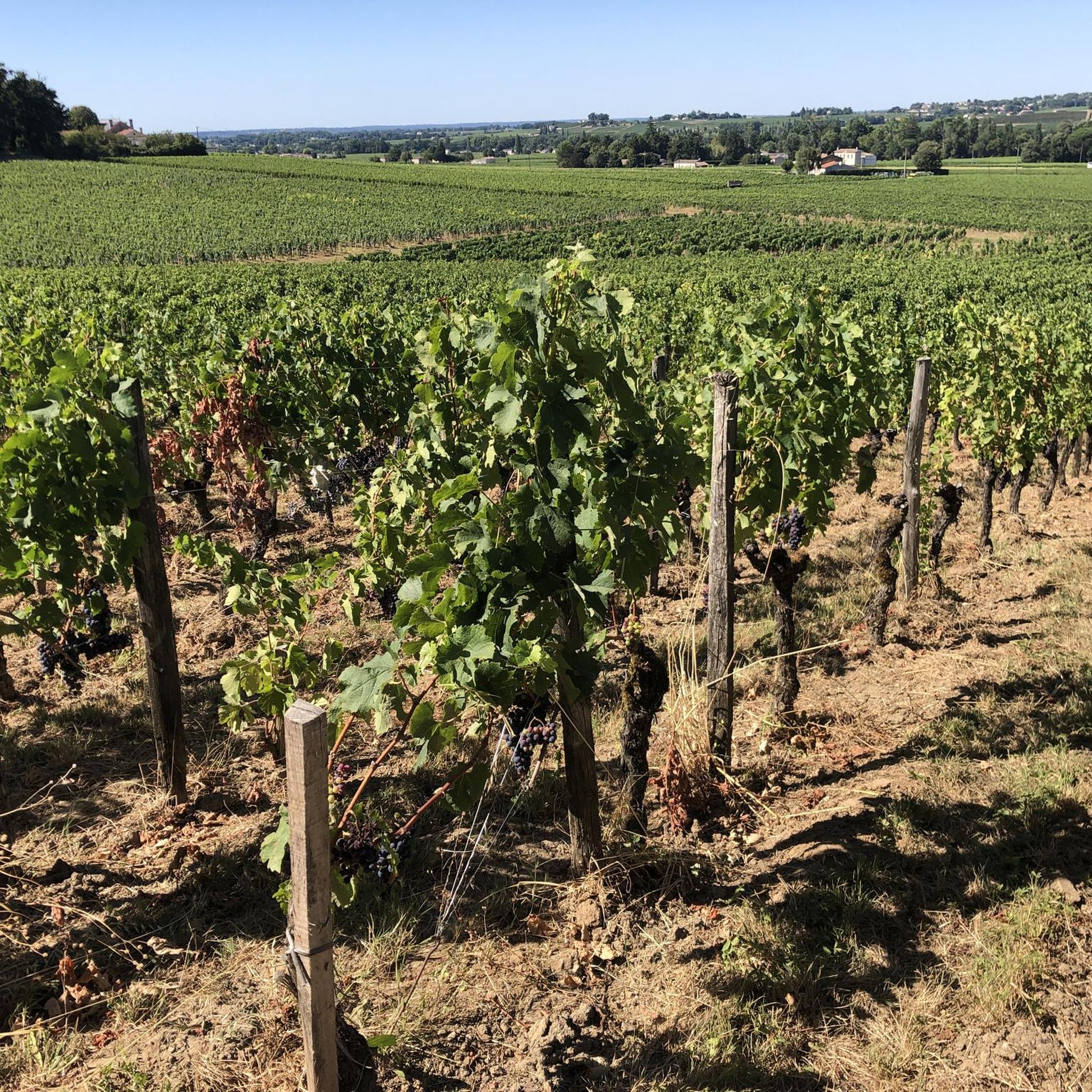
Château Angélus, located in the heart of the prestigious Saint-Émilion vineyard, is a renowned wine estate that combines tradition and modernity. Surrounded by perfectly maintained vines, this iconic château offers a sumptuous setting where you can discover the art of winemaking for its Grands Crus Classés. The view of the vineyard from the château is simply magnificent, with its rows of vines stretching as far as the eye can see. Wine lovers will appreciate the guided tours and tastings.
2
0
Château Angélus, located in the heart of the prestigious Saint-Émilion vineyard, is one of the most famous Grands Crus Classés of Bordeaux. Nestled in the middle of perfectly maintained vines, a visit to the château allows you to discover the wine history of the region, its impressive cellars and its ultra-modern winery. Wine lovers will appreciate tastings of the refined vintages.
1
0

Former monastery. Today a department store for everything related to wine. Nice restaurant in the old cross-gate and monastery garden. Various paid tours can be booked.
0
0

Perched on a rocky promontory and surrounded by the famous vineyard of the same name, Saint-Émilion is a magnificent village. Very popular with tourists and wine lovers, it is crowded in summer and I recommend that you come and discover it out of season. The medieval city is a UNESCO World Heritage Site and many cycling events take place there, in the small, steep, cobbled streets.
2
0
This church in Saint-Emilion has a very unusual architecture: it is not built stone on stone, but the church was - in the truest sense of the word - beaten out of the stone, which is why it is also called the "rock church".
2
0
Frequently Asked Questions
What historical sites can I explore in and around Lussac?
Lussac is rich in history. You can visit the 19th-century Château de Lussac, which is also a wine estate. The Church of Saint-Pierre, originally 12th-century Romanesque, offers a glimpse into the past, as does the listed Historic Monument, Château de Latour-Ségur. Don't miss the ancient Gallo-Roman Villa (Villa of Luccius), which gave Lussac its name, with some remains still visible within a vineyard. Further afield, the medieval Saint-Émilion Village, a UNESCO World Heritage Site, is a must-see for its historical architecture and vineyards.
Where can I experience Lussac's renowned wine culture?
Lussac is at the heart of the AOC Lussac-Saint-Émilion wine region. Many châteaux, including Château de Lussac and Château de Bellevue, operate as wine estates and offer opportunities for wine tourism and tastings. The Wine House (Maison des Vins et du Tourisme de Lussac), an 18th-century manor, is another excellent place to learn about and taste local wines.
Are there any unique natural or ancient monuments to discover in Lussac?
Yes, Lussac features the unique Megalith of the Picampeau Mound (Pierre de Picampeau), a Gaulish monument also known as the Stone of the Martyrs, which offers admirable views of the Lussac vineyard. The area also boasts over 11 km of rivers, including the stream of Gendarme, the stream De Lavie, the Palais, and Petit Palais, contributing to its natural charm.
What kind of outdoor activities can I do near Lussac's attractions?
The region around Lussac is ideal for various outdoor activities. You can find numerous running trails, such as the 'Running loop from Lussac' or the 'Château de Monbadon loop from Hôtel Château Fleur des Roques'. For cyclists, there are scenic routes like the 'Vines – Château Angélus loop from Montagne'. Mountain biking enthusiasts can explore trails like the 'Mountainbike loop from Coutras'. You can find more details on these and other routes in the Running Trails around Lussac, Cycling around Lussac, and MTB Trails around Lussac guides.
Are there any easy walks or hiking trails suitable for families around Lussac?
While specific family-friendly or easy walks are not detailed for Lussac, the region offers hiking opportunities to discover its natural and historical heritage. For an easy running option, consider the 'Windmills loop from Montagne' which is just under 5 km. When planning a walk, consider the terrain around vineyards which can sometimes be on busy roads, as noted by visitors. Always check the difficulty grade of routes in the Running Trails around Lussac guide.
What do visitors particularly enjoy about the attractions near Lussac?
Visitors frequently praise the charm and flair of the old towns, especially the medieval Saint-Émilion Village. The hidden nature of sites like Château de Monbadon, which reveals itself at the last moment, is also a highlight. Many appreciate the quality wines from the numerous wineries and the beautiful sandstone architecture of churches like Saint-Christophe Church, especially during sunset.
What is the best time of year to visit Lussac and its attractions?
While Lussac is beautiful year-round, the medieval Saint-Émilion Village can get very crowded with tourists and wine lovers in summer. For a more relaxed experience, it is recommended to visit out of season to avoid the crowds and fully appreciate the historical sites and vineyards.
Are there any religious buildings worth visiting in the Lussac area?
Absolutely. The Church of Saint-Pierre in Lussac, with its 12th-century Romanesque origins and 19th-century restoration, is a notable religious site. Nearby, the Saint-Christophe Church is admired for its sandstone architecture. Further afield, the Notre-Dame Abbey Church in Guîtres, an 11th-century Benedictine abbey church, showcases impressive Romanesque style.
Can I find any less crowded or 'hidden gem' attractions near Lussac?
For a less crowded experience, consider exploring the Gallo-Roman Villa (Villa of Luccius) remains within a vineyard, which offers a unique historical perspective away from the main tourist hubs. The Megalith of the Picampeau Mound also provides a unique ancient monument with scenic views. While Château de Monbadon is a significant historical site, its 'hidden' nature, tucked away by relief and vegetation, might offer a more secluded discovery.
What kind of historical architecture can I expect to see in Lussac?
Lussac showcases a range of historical architecture. You'll find the grand 19th-century Château de Lussac with Renaissance-inspired wings, replacing an earlier structure. The Church of Saint-Pierre displays Romanesque origins from the 12th century, with later alterations and a 19th-century spire. The Wine House is an 18th-century manor, and you can also spot a 19th-century double washhouse. The nearby Saint-Émilion Village is a UNESCO site renowned for its well-preserved medieval architecture.
Are there opportunities for hiking to viewpoints with scenic views in Lussac?
Yes, the Megalith of the Picampeau Mound (Pierre de Picampeau) not only offers historical significance but also provides admirable views of the Lussac vineyard. Additionally, the area around Château de Monbadon is noted as a viewpoint, offering great sights, especially when approaching from different directions.
Most popular attractions around Lussac

Get inspired with the komoot mobile app


Explore more
Still not found the Highlight you’re looking for? See guides of the top attractions in other regions:
