Attractions and Places To See around Luxé - Top 15
Best attractions and places to see around Luxé showcase a rich historical and natural landscape. The region, situated near the Charente river and Boixe forest, is home to significant Romanesque architecture and ancient sites. Visitors can explore a variety of cultural heritage locations and charming villages, offering options for easy hiking trails near Luxé and family friendly attractions.
Best attractions and places to see around Luxé
- The most popular attractions is Saint-Amant-de-Boixe Abbey, a historical abbey that is an…
Last updated: July 2, 2026
Saint-Amant-de-Boixe Abbey
Highlight • Other
Possibility of …
Translated by Google •
Tip by

Mansle
Highlight • Settlement
Translated by Google •
Tip by

Sign up now to discover places like this
Get recommendations on the best single tracks, peaks, & plenty of other exciting outdoor places.
Sign up for free
Saint-Denis Church
Highlight • Other
Translated by Google •
Tip by

Notre-Dame de Lanville Priory in Marcillac-Lanville
Highlight • Other
Translated by Google •
Tip by

Lichères Ferry on the Charente
Highlight • River
Please note, the ferry may be …
Translated by Google •
Tip by

Sign up for free to discover even more attractions around Luxé.
Sign up for free
Already have an account?
Start today with a free account
Your next adventure awaits.
Login or Signup



Tips from the Community


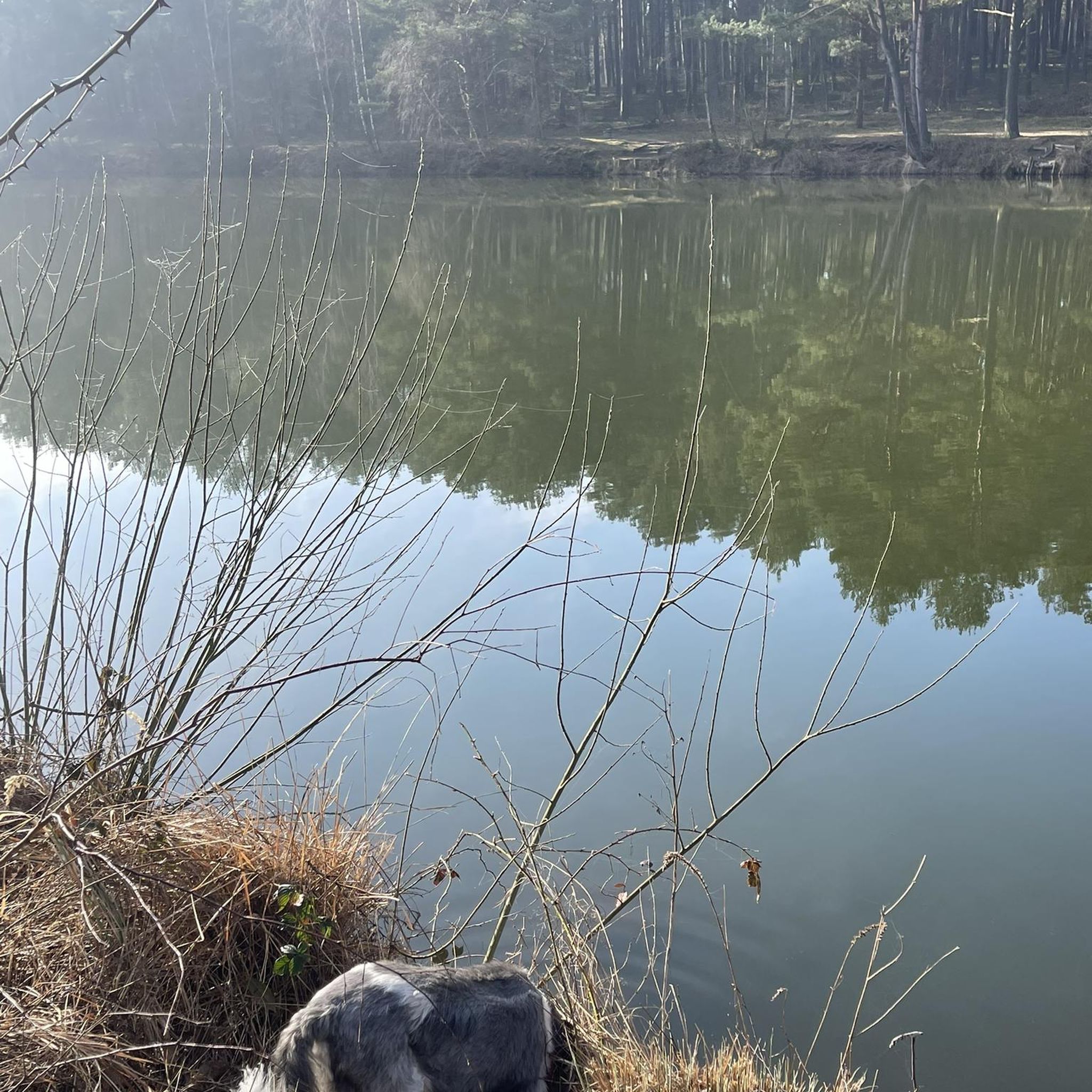
Wooden ferry from Lichères, which allows you to cross the Charente. A cable stretched across both banks allows hikers to cross the waters independently. Please note, the ferry may be immobilized during the harshest winter months. You will then have to return to the bridge, a little further south.
2
0

problem is, this is not in use or available until at least april, so you can't cross the river here in the winter months
1
0

This isolated church was built in the 8th century and is a good example of Romanesque architecture. After partially collapsing in the 18th century, it was restored in 1907 after being listed as a historical monument in 1903.
2
0
This isolated church was built in the 8th century and is a good example of Romanesque architecture. After partly collapsing in the 18th century, it was restored in 1907 after being classified as a historical monument in 1903.
3
0

Located in the archpriest of Ambérac, diocese of Angoulême, the conventual priory of Notre-Dame de Lanville, founded at an unknown date, was attached around 1120 to the rule of the canons regular of Saint Augustine. It will remain conventual until its suppression in 1791. The buildings were largely in ruins in 1632 and the difficulties becoming greater and greater, the priory was united with the abbey of Sainte-Geneviève du Mont. The visit reports of 1636 and 1672 indicate that major work was carried out to raise the priory in the second half of the 17th century. The buildings located to the south of the church could be the lodgings of the prior or the chaplain. They include a main building for residential use, flanked by two north and south wings constituting the outbuildings, arranged around a closed courtyard. The partly modern north wing has retained some openings characteristic of the 14th and 15th centuries. A long vaulted cellar of a broken cradle develops under the entire length of this wing. The south wing has semicircular openings alternating with small rectangular bays, no doubt from the 17th century. The rectangular main building opens, to the west, onto a terrace overlooking a pool spanned by a bridge-staircase. The house itself is built on a long barrel-shaped cellar with a basket handle. The church was fortified in the 15th century. In its primitive state, its nave was covered with three domes which collapsed and were replaced, in the 15th century, by ribbed vaults. In 1904, the presence of a channeled stream having weakened the foundations of the building, the facade collapsed.
1
0
The early 12th century church has all but disappeared, itself and the reconstructions have suffered from the military conflicts that have punctuated the centuries. You enter through an open portal in a facade which very well announces the architectural juxtapositions. These last give a particular charm to the building by their inconsistencies. They arouse curiosity and ultimately offer the visitor a certain degree of privacy. An organ with the original story has been installed. It is the ultimate work of Ivan Peychès (1906-1978), a genius scientific researcher but also a visual artist, musician and composer. Brilliant innovator in the field of applied sciences, he will build this instrument in his living room in ten years during his retirement.
1
0
Crossing the Charente can be done by ferry (with cables), and with the strength of the arms ...
0
0
Frequently Asked Questions
What historical sites can I visit around Luxé?
The Luxé region is rich in history. You can explore the impressive Romanesque architecture of Saint-Amant-de-Boixe Abbey, an ancient site on the route of Saint-Jacques de Compostelle. Another notable historical monument is the isolated Saint-Denis Church, dating back to the 8th century. Don't miss Tusson, which features 5th-century BC tumulus, among the largest in Europe, and a historic priory with a monastic garden.
Are there family-friendly attractions around Luxé?
Yes, the region offers several options for families. The charming settlement of Mansle provides opportunities for canoeing and kayaking on the banks of the Vienne river, which can be a fun activity for all ages. Exploring the historical sites like Saint-Amant-de-Boixe Abbey can also be an educational outing for older children.
What outdoor activities are available near Luxé attractions?
Beyond exploring historical sites, you can enjoy various outdoor activities. In Mansle, you can go canoeing or kayaking on the Vienne river. For those who enjoy walking, there are numerous hiking trails, including easy options like the 7.5 km "Dolmen "Old Woman's House" – Dolmen des Perottes loop from Juillé". You can find more routes for hiking, cycling, and mountain biking in the area by visiting the Hiking around Luxé, Cycling around Luxé, and MTB Trails around Luxé guides.
Are there easy hiking trails near Luxé?
Yes, there are several easy hiking trails suitable for beginners or those looking for a relaxed walk. One example is the "Dolmen "Old Woman's House" – Dolmen des Perottes loop from Juillé," which is approximately 7.5 km long and rated as easy. You can discover more options and detailed routes in the Hiking around Luxé guide.
Where can I find examples of Romanesque architecture in the Luxé area?
The Luxé region is renowned for its Romanesque heritage. Key examples include Saint-Amant-de-Boixe Abbey, an imposing Romanesque building that has impressed artists for centuries. The isolated Saint-Denis Church, built in the 8th century and restored in 1907, is another excellent example. The church in Mansle, though largely rebuilt, also retains elements from its early 12th-century Romanesque origins.
What are some hidden gems or lesser-known historical sites near Luxé?
Beyond the more popular sites, consider visiting Notre-Dame de Lanville Priory in Marcillac-Lanville. This conventual priory, founded at an unknown date and attached to the rule of the canons regular of Saint Augustine around 1120, offers a glimpse into the region's monastic past, with parts of the structure fortified in the 15th century.
What kind of natural features can I see around Luxé?
The Luxé area is characterized by its proximity to natural landscapes. It is situated near the Charente river and the Boixe forest, offering picturesque settings for walks and exploration. The settlement of Mansle is located on the banks of the Vienne river, providing scenic riverside views and opportunities for water activities.
Are there cafes or places to eat near the attractions?
Yes, some attractions offer nearby amenities. For instance, around Saint-Amant-de-Boixe Abbey, you'll find a few shops where you can eat. The village of Mansle has local shops and restaurants, and Tusson also boasts restaurants and tea rooms where gourmets can enjoy a break.
What do visitors enjoy most about the attractions around Luxé?
Visitors particularly appreciate the rich historical and architectural heritage, especially the Romanesque style of buildings like Saint-Amant-de-Boixe Abbey and Saint-Denis Church. The charming villages and the opportunities for outdoor activities, such as canoeing in Mansle, are also highly valued by the komoot community.
Can I find long-distance cycling routes that include Luxé attractions?
Yes, the region offers several longer cycling routes. For example, the "Saint-Amant-de-Boixe Abbey – Vindelle Dam loop from Maine-de-Boixe" is a challenging 77 km route, and the "Mansle – Saint-Amant-de-Boixe Abbey loop from Fontenille" spans over 100 km. These routes allow you to combine cycling with visits to key historical sites. More details can be found in the Cycling around Luxé guide.
Are there any prehistoric sites in the Luxé region?
Yes, the town of Tusson is home to four tumulus dating from the fifth century BC. These prehistoric monuments are notable for being aligned and are considered among the largest in Europe, offering a unique glimpse into ancient history.

Get inspired with the komoot mobile app


Explore more
Still not found the Highlight you’re looking for? See guides of the top attractions in other regions:
