Attractions and Places To See around Maisnières - Top 20
Attractions and places to see around Maisnières offer insights into local history and natural landscapes within the Somme department. This commune is characterized by its small-town feel and its connection to the Vimeuse river, which flows through several of its hamlets. The area features historic landmarks, such as the Visse Watermill and remnants of a medieval castle, alongside natural points of interest. Visitors can explore a mix of historical sites and natural features that define the region.
Best attractions and…
Last updated: July 7, 2026
V1 Launch Site of Guerville
Highlight • Historical Site
Translated by Google •
Tip by

Site of Queen Mother Elizabeth
Highlight • Historical Site
Translated by Google •
Tip by
Sign up now to discover places like this
Get recommendations on the best single tracks, peaks, & plenty of other exciting outdoor places.
Sign up for free
Briga (ancient city)
Highlight • Historical Site
fr.wikipedia.org/wiki/Briga
Translated by Google •
Tip by

Marais de Gousseauville
Highlight • Natural
Translated by Google •
Tip by

Rambures Castle
Highlight • Castle
Translated by Google •
Tip by

Sign up for free to discover even more attractions around Maisnières.
Sign up for free
Already have an account?
Start today with a free account
Your next adventure awaits.
Login or Signup

Tips from the Community

A beautiful castle - but you have to pay attention to the opening times - there is a lunch break
0
0


Once again a place where History is present surrounded by a magnificent forest where it is pleasant to walk by bike or on foot
0
0

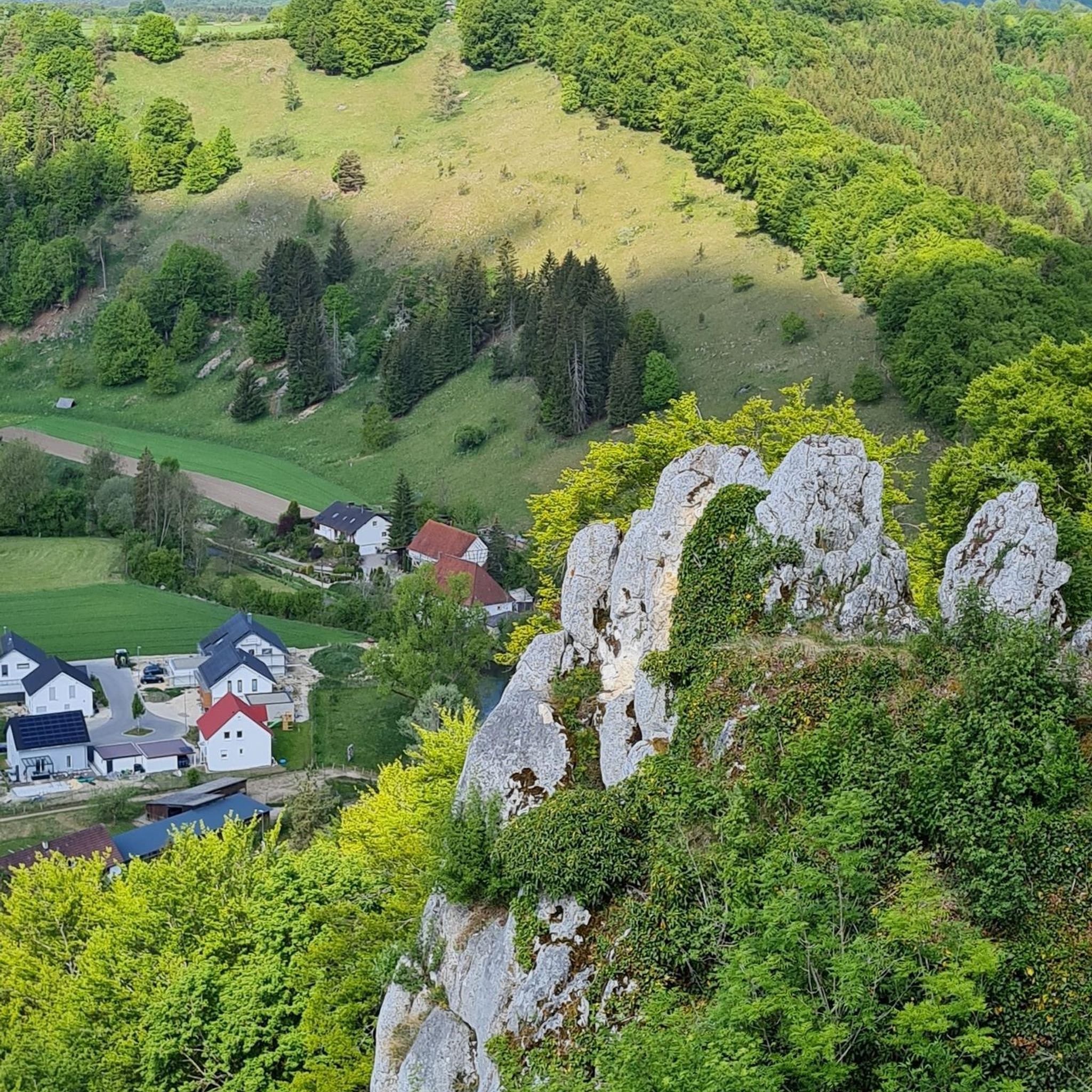
The Gousseauville marshes present a diverse flora and fauna in this nature reserve. You can admire the water lilies, reeds and willows that grow along the ponds and streams, and spot some of the birds and fish that call this area home. The trail is easy to follow and suitable for all running levels.
2
0
The Gousseauville Marshes present a diverse flora and fauna in this nature reserve. You can admire the water lilies, reeds and willows that grow along the ponds and streams, and spot some of the birds and fish that inhabit this area. The trail is easy to follow and suitable for all walking levels.
2
0

Even if only foundation walls can be seen, they are at least impressive in their size. In any case, the city seems to have been not insignificant in Roman Gaul. You can find more information on the page. https://fr.wikipedia.org/wiki/Briga
1
0

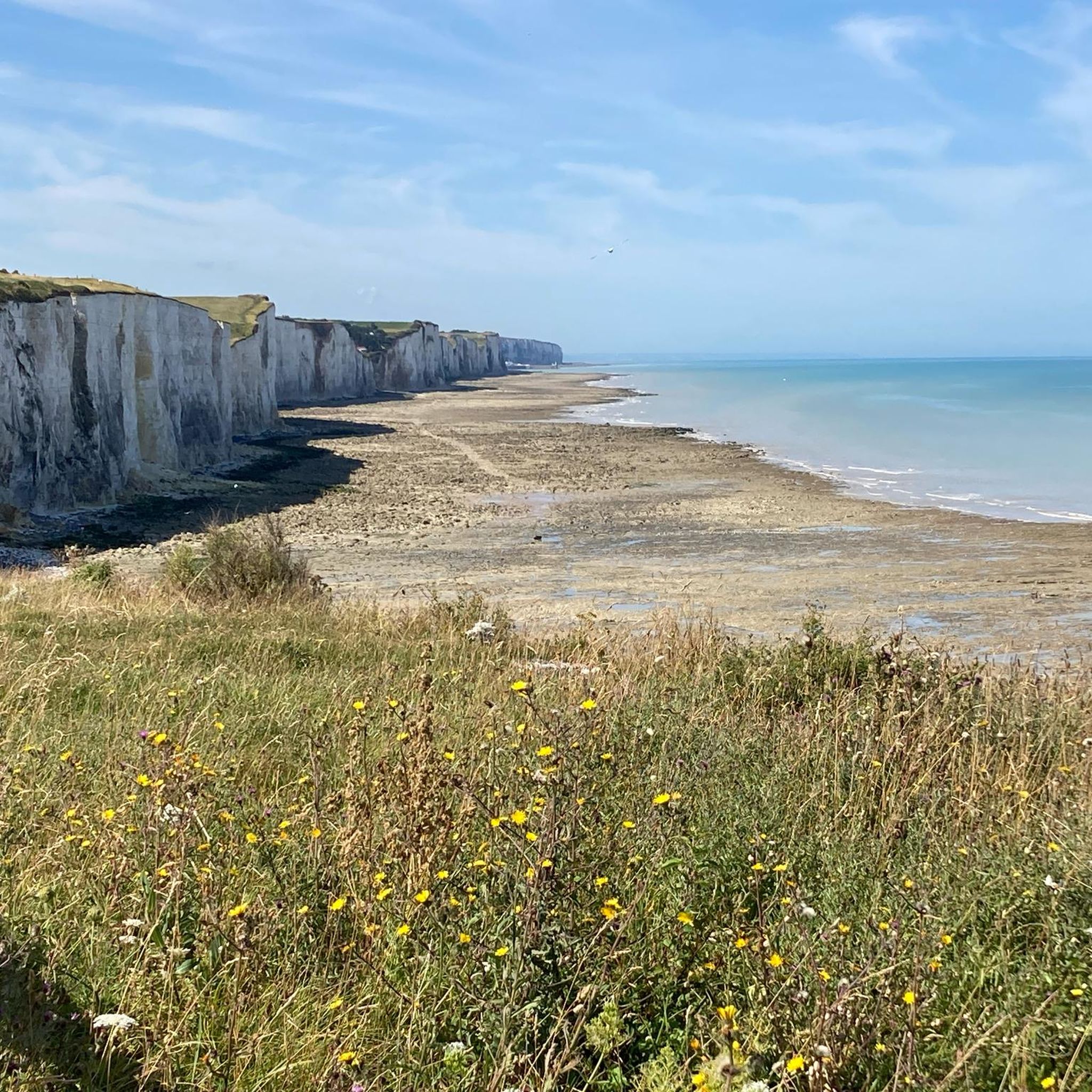
Briga was a Gallo-Roman town which prefigured the city of Eu. The site corresponds to a secondary city of the Early Roman Empire whose surface area is currently estimated at more than 65 ha. The remains of the ancient city, hidden under the forest for more than a millennium, were only rediscovered at the end of the 18th century, when it was decided to extend the road from Eu into the forest. Even today, excavations are organized every year in summer. But the origins of the site seem to date back before the Roman occupation. In the current state of knowledge, it is the sanctuary which seems to be the oldest point of occupation, and to derive its existence from a place of Celtic worship which dates back to the 3rd century BC. AD Impossible to miss it, the small road passes right in the middle of the site...
0
0

In the forest of Eu, at the post of Montauban located in Guerville, the V1 launch base is a place of memory of the bombing operations carried out by the German army during the Second World War. It is good to ask a few minutes to learn a little. Especially since explanatory panels offer essential landmarks to visitors who have free access to the places all year round. The catapults had to be impressive (400 km/h at the exit of the ramp!). And it is also difficult to imagine that these “flying” machines could have reached London and killed civilians.
1
0
Frequently Asked Questions
What historical sites can I visit around Maisnières?
Maisnières and its surroundings offer several historical sites. You can explore the remnants of a medieval castle motte and the nearby Church of Saint-Crépin in Maisnières itself. Further afield, discover the historic Rambures Castle, a 15th-century brick fortress known for its successful architecture. Another significant site is Briga (ancient city), a Gallo-Roman town with impressive foundation walls, and the V1 Launch Site of Guerville, a place of memory from WWII.
Are there any castles or châteaux to see near Maisnières?
Yes, the region features notable castles. The most prominent is Rambures Castle, a well-preserved 15th-century brick fortress. Additionally, the Château d'Harcelaines, located within one of Maisnières' hamlets, now functions as a guesthouse and is surrounded by a garden.
What natural attractions can I find around Maisnières?
Nature lovers can explore the Marais de Gousseauville, a nature reserve rich in diverse flora and fauna, including water lilies, reeds, and various birds. The Vimeuse River is also a prominent natural feature, flowing through several of Maisnières' hamlets and feeding the historic Visse Watermill. For broader exploration, the Somme department offers significant natural sites like the Hable-d'Ault and the Réserve naturelle de la Baie de Somme within a reasonable distance.
Are there family-friendly activities or attractions in the area?
Several attractions around Maisnières are suitable for families. The Rambures Castle offers a park with various games for children. The Site of Queen Mother Elizabeth is a historical and natural monument that serves as a starting point for a walking tour of the Yères Valley, equipped with comfort and information facilities. The Marais de Gousseauville also features an easy-to-follow trail suitable for all walking levels, making it a pleasant outing for families.
Can I go hiking or cycling near Maisnières?
Yes, the area around Maisnières is excellent for outdoor activities. You can find various routes for hiking, cycling, and mountain biking. Popular hiking routes include loops around the Marais de Gousseauville. Cycling routes often feature scenic paths like the 'Moulin de Visse – Parc de la Rue de la Forêt loop'. For more details on trails and their difficulty, refer to the specific Komoot guides for each activity.
What is the significance of the Visse Watermill?
The Visse Watermill is a historic landmark in Maisnières, notable as the last surviving mill out of fourteen that once operated on the Vimeuse river. It has a rich history, having been owned by the Abbey of Corbie, confiscated during the French Revolution, and rebuilt in 1837. Its wheel was restored in 1992, and it is listed as a Historic Monument.
What is the story behind the Site of Queen Mother Elizabeth?
The Site of Queen Mother Elizabeth in the forest of Eu marks a unique historical connection between France and England. It features the stumps of a beech and an oak tree, planted side by side in 1843 for Queen Victoria's arrival. These intertwined trees symbolized good understanding between the two nations. Although felled in 2013 for health reasons, their presence is still palpable. The site was renamed on the 100th birthday of the Queen Mother of England by President Jacques Chirac and is a starting point for a walking tour of the Yères Valley.
Are there easy walking trails suitable for beginners near Maisnières?
Yes, there are options for easy walks. The trails around the Marais de Gousseauville are generally easy to follow and suitable for all walking levels, including beginners. You can find several easy hiking loops, such as the 'Marais de Gousseauville loop from Longroy', which is around 4 km. For more details on easy routes, check the hiking guide for Maisnières.
Can I learn about World War II history in the Maisnières area?
Yes, you can visit the V1 Launch Site of Guerville. Located in the forest of Eu, this site is a place of memory for the bombing operations carried out by the German army during the Second World War. Explanatory panels provide essential information about the V1 flying bombs and their historical context, offering a poignant glimpse into this period.
What kind of wildlife can I expect to see in the natural areas?
In natural reserves like the Marais de Gousseauville, you can spot diverse wildlife. The area is home to various birds and fish that inhabit the ponds and streams. The rich flora, including water lilies, reeds, and willows, also supports a variety of insects and smaller creatures, making it an interesting spot for nature observation.
What is the best time of year to visit Maisnières and its attractions?
The best time to visit Maisnières and its attractions generally depends on your preferred activities. Spring and summer (April to September) offer pleasant weather for outdoor activities like hiking and cycling, with lush natural landscapes. The historical sites and castles are typically accessible year-round, but warmer months provide a more comfortable experience for exploring the grounds and surrounding areas.
Most popular routes around Maisnières
Most popular attractions around Maisnières

Get inspired with the komoot mobile app


Explore more
Still not found the Highlight you’re looking for? See guides of the top attractions in other regions:
