The best walks and hikes around Saigneville
4.2
(669)
5,576
hikers
149
hikes
Hiking around Saigneville offers diverse landscapes, characterized by a blend of sea, forest, and river environments within the Somme region of France. The area provides varied terrain for outdoor exploration, including coastal paths and inland routes. Notable natural features include the Baie de Somme nature reserve, which contributes to the region's varied hiking experiences.
Best hiking trails around Saigneville
- The most popular hiking route is Château de Noyelles — loop from Noyelles-sur-Mer in the Baie de Somme nature reserve,…
Last updated: June 26, 2026
4.0
(17)
84
hikers
Moderate hike. Good fitness required. Easily-accessible paths. Suitable for all skill levels.
3.8
(4)
16
hikers
6.36km
01:36
10m
10m
Easy hike. Great for any fitness level. Easily-accessible paths. Suitable for all skill levels.

Sign up for free
5.0
(7)
22
hikers
7.71km
02:05
100m
100m
Moderate hike. Good fitness required. Easily-accessible paths. Suitable for all skill levels.
3.0
(5)
27
hikers
Moderate hike. Good fitness required. Easily-accessible paths. Suitable for all skill levels.
4.0
(1)
12
hikers
5.37km
01:26
60m
60m
Easy hike. Great for any fitness level. Easily-accessible paths. Suitable for all skill levels.
Get access to more routes and recommendations from other explorers.
Sign up for free
Already have an account?
Our route recommendations are based on thousands of hikes, rides, and runs completed by other people on komoot.
Start today with a free account
Your next adventure awaits.
Login or Signup

Tips from the Community

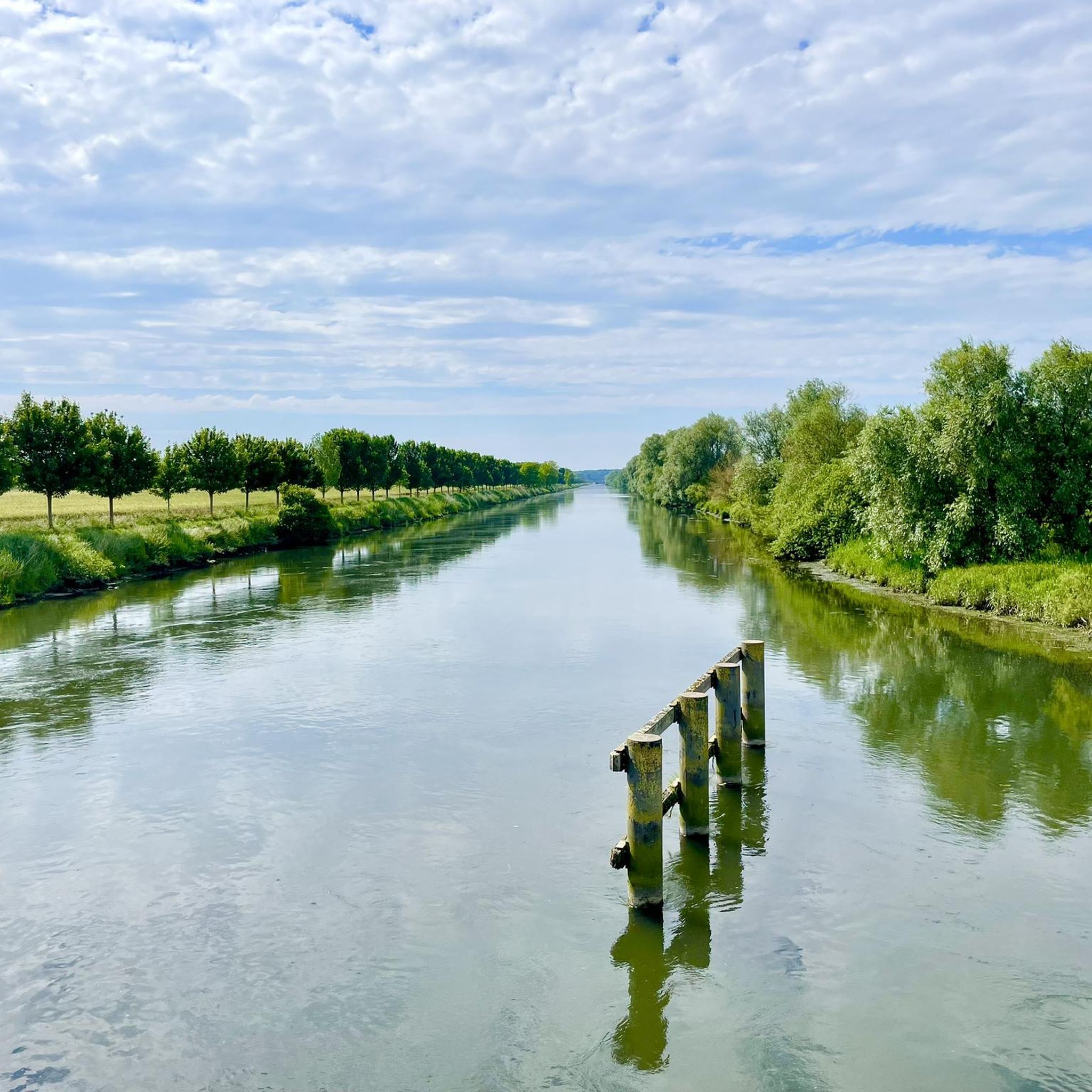
Very worthwhile canal, recommended!
0
0

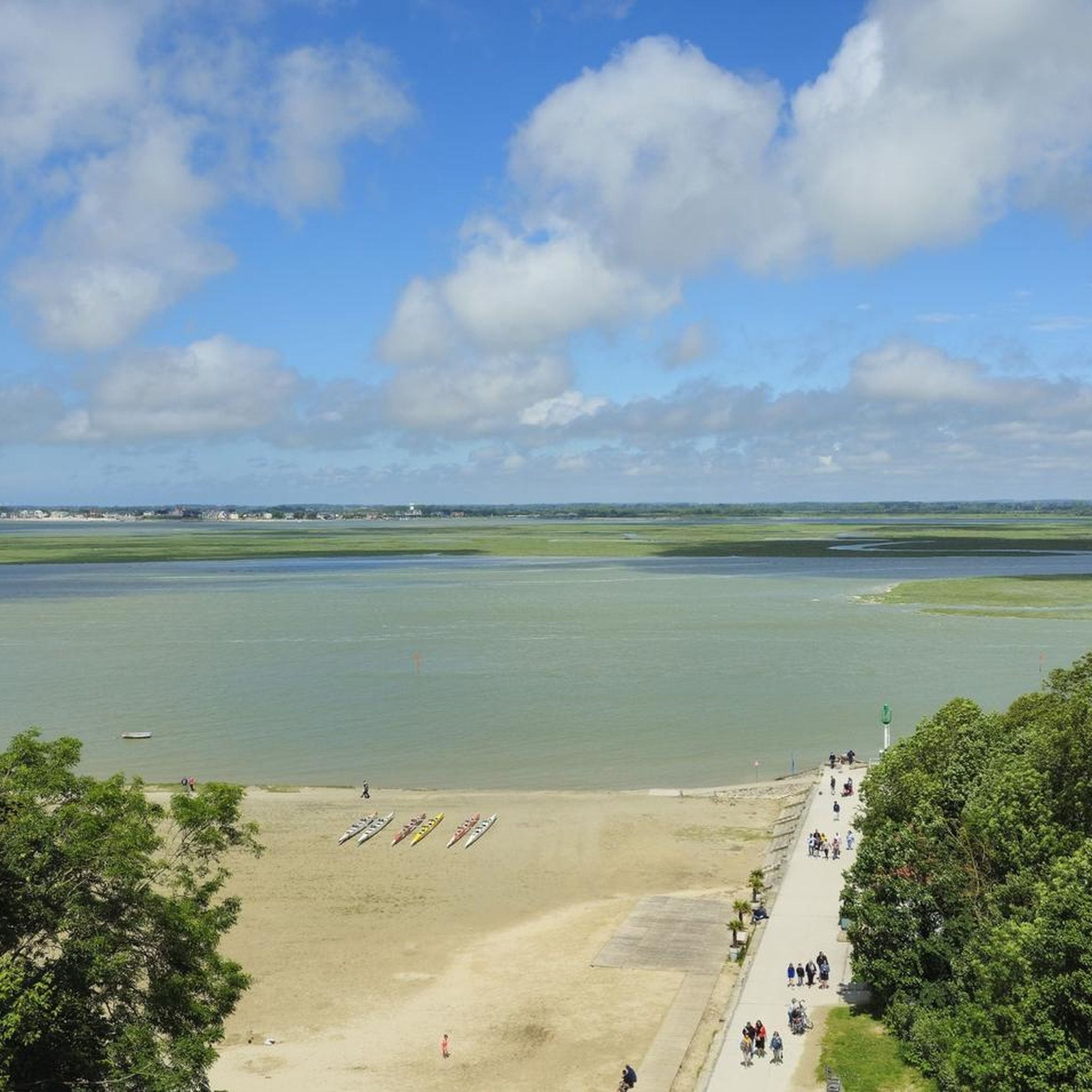
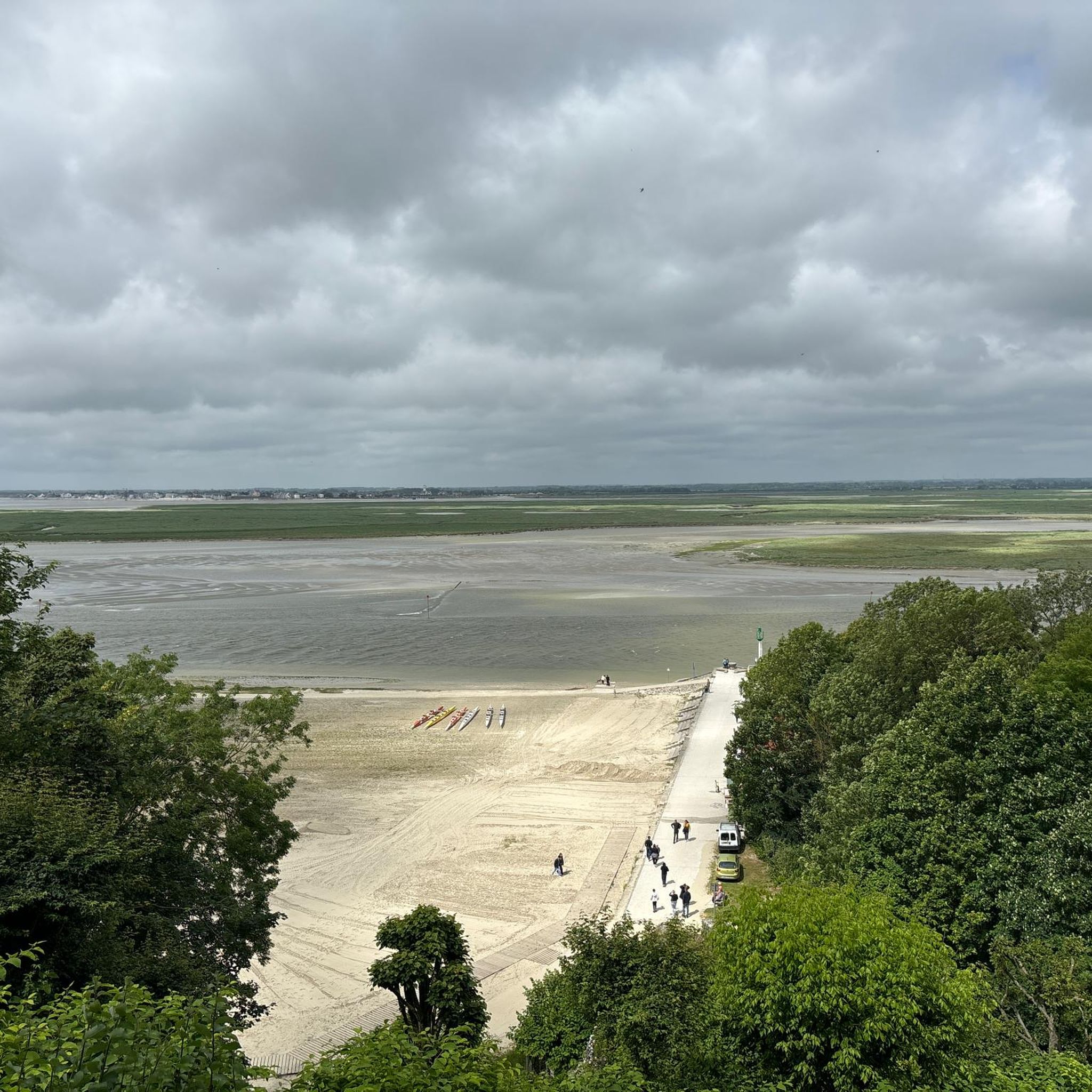
Beautiful nature away from the hustle and bustle of the coast.
1
0

The church is built of natural stone with a characteristic pattern. It consists of two naves, separated by high arches. The baptismal chapel is still part of the original church. A church was first mentioned in the 12th century, but the current church dates back to the 13th century. The church was repeatedly destroyed during the Hundred Years' War and was set on fire in 1475, when the city defended itself against the English and Burgundian rulers. The church was rebuilt at the end of the 15th century and reconsecrated in 1500, but construction activities lasted until 1559. During the French Revolution, the furniture was sold, shrines and paintings were burned and bells were melted down. In 1845, a rectangular brick building was built next to the tower. Next to the church is the heavy tower, equipped with buttresses. In 1786, it was crowned with a tent roof.
2
0
n the 12th century, a church was first mentioned, but the current church dates back to the 13th century. The church was repeatedly destroyed during the Hundred Years' War and was set on fire in 1475, when the city defended itself against the English and Burgundian rulers. At the end of the 15th century, the church was rebuilt and reconsecrated in 1500, but construction continued until 1559. During the French Revolution, the furniture was sold, shrines and paintings were burned and bells were melted down. In 1845, a rectangular brick building was built next to the tower. The church is built of natural stone with a characteristic pattern. It consists of two naves, separated by high arches. The baptistery is still part of the original church. Next to the church is the heavy tower, equipped with buttresses. In 1786, it was crowned with a tent roof.
2
0

Perfect for relaxing and enjoying the sea air
2
0

With its gargoyles emerging from elegant flint and stone checkerboard walls, the St-Martin church stands on the square of the same name. Its very first construction probably dates back to the 12th century. It was completely rebuilt in the 15th century. Once battered by the sea, battered by the vagaries of history, the result today is a surprising building with multiple aesthetics. It is a unique building in France and a precious witness to time. As such, the church was listed in the supplementary inventory of Historic Monuments in 1926, then classified in 2022.
9
0
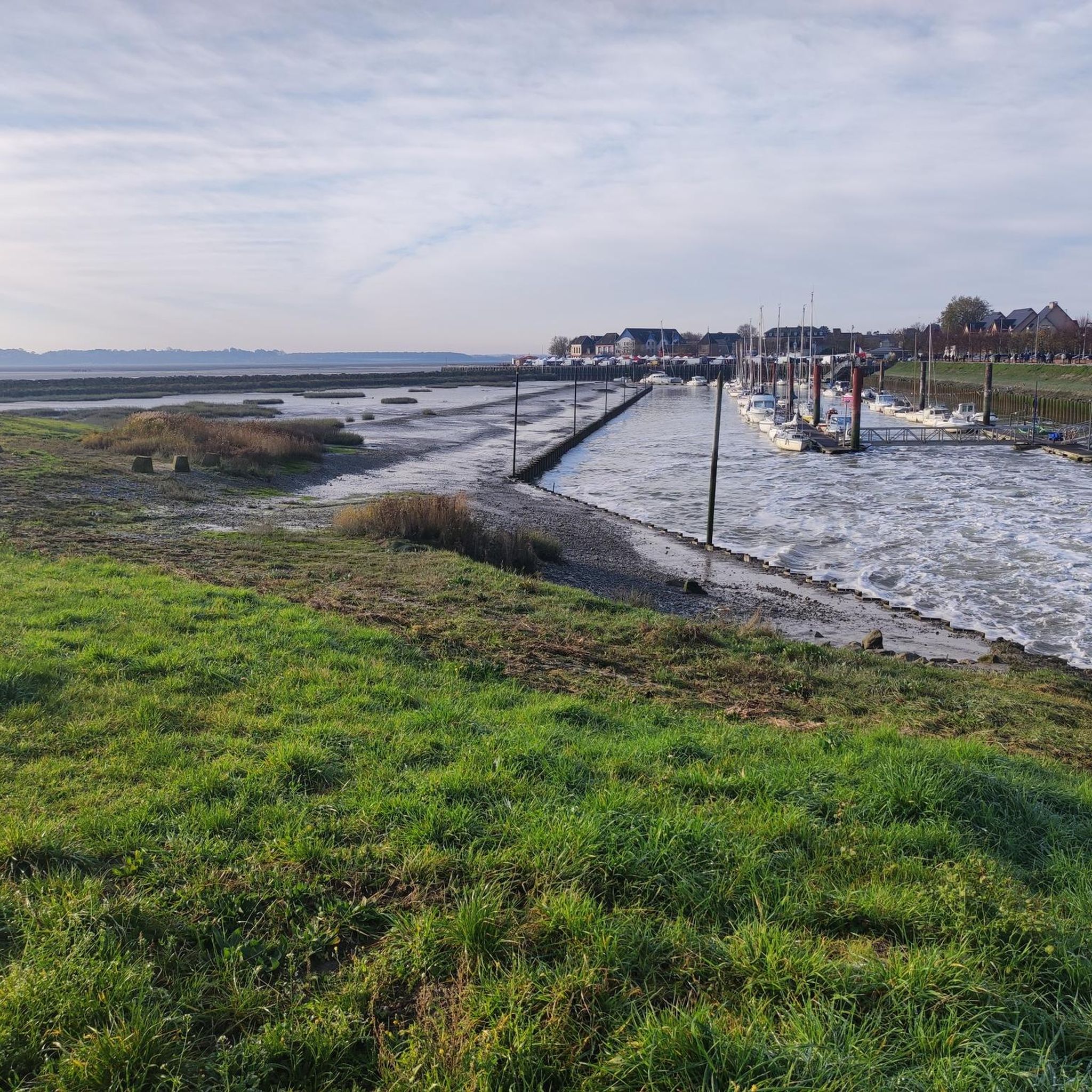
The great classic of a visit to St-Valéry-sur-Somme is to take the train to go to Crotoy. The journey crosses the lock bridge at Saint-Valery-sur-Somme and goes around the bay and the marshes, observing swans, herons, egrets, moorhens and all kinds of ducks. Allow 1 hour for the journey. The landscapes are surprising, especially the large expanses of salt meadows where flocks of sheep graze.
10
0

Cross the Bay of the Somme from Crotoy, take the steam train back and then go to Le Hourdel to see the seals, that's all you need for a wonderful holiday. https://youtu.be/nenNw-_0ADE
4
0
Frequently Asked Questions
How many hiking trails are available around Saigneville?
There are nearly 150 hiking trails around Saigneville, offering a wide range of options for all skill levels. This includes over 70 easy routes, more than 60 moderate trails, and a few challenging options for experienced hikers.
What kind of terrain can I expect on hikes near Saigneville?
The Saigneville area is characterized by diverse landscapes, blending sea, forest, and river environments. You can expect coastal paths, river valleys, and routes through the varied Somme countryside, including the unique environment of the Baie de Somme nature reserve.
Are there any family-friendly hiking trails in the Saigneville area?
Yes, Saigneville offers many family-friendly options. For an easy walk with natural surroundings, consider the Highland Cattle loop from Noyelles-sur-Mer, which is 4.0 miles (6.4 km) long and suitable for most families.
Can I bring my dog on the hiking trails around Saigneville?
Many trails in the Saigneville region are dog-friendly, but it's always best to keep your dog on a leash, especially in nature reserves like the Baie de Somme, to protect local wildlife. Always check local signage for specific regulations.
What are some notable natural features or landmarks to see while hiking?
The region boasts several interesting natural features. The Baie de Somme itself is a significant natural reserve. You can also explore areas near Cape Hornu, known for its distinctive shape and picturesque views near Saint-Valery-sur-Somme. For a route exploring the Baie de Somme, try the Château de Noyelles — loop from Noyelles-sur-Mer.
Are there any circular hiking routes near Saigneville?
Yes, many routes in the area are circular. For example, the Miannay Manor loop from Miannay is a moderate 4.8-mile (7.7 km) circular trail that takes you through the local countryside.
What do other hikers say about the trails in Saigneville?
The hiking trails around Saigneville are highly regarded by the komoot community, with an average rating of 4.3 stars from over 500 reviews. Hikers often praise the diverse landscapes, from coastal views to tranquil inland paths, and the variety of routes available.
What is the best time of year to go hiking in Saigneville?
The diverse landscapes of Saigneville, with its blend of sea, forest, and rivers, make it suitable for hiking across multiple seasons. Spring and autumn offer pleasant temperatures and vibrant scenery, while summer is ideal for enjoying coastal paths. Always check local weather conditions before heading out.
Are there any historical or cultural attractions near the hiking trails?
Yes, the region has historical significance. The Port of Saint-Valery, a historic sea and river port, is a popular destination. You can also find the Sailors' Chapel and the impressive Saint-Vulfran Collegiate Church in Abbeville within easy reach.
Are there options for longer distance or more challenging hikes?
While many routes are easy to moderate, there are a few challenging hikes available for those seeking a greater test. The region's varied terrain, from coastal paths to river valleys, provides opportunities to extend your walks and explore further. For example, the Picnic spot loop from Abbeville is a moderate 9.9 km route that offers a good distance.
Where can I find parking for hiking trails near Saigneville?
Parking availability varies by trailhead. Many popular starting points, especially in towns like Noyelles-sur-Mer or Miannay, offer designated parking areas. It's advisable to check specific route details on komoot for parking information related to your chosen trail.
Can I access hiking trails near Saigneville using public transport?
Public transport options exist to reach some areas around Saigneville and the Baie de Somme, particularly to larger towns like Noyelles-sur-Mer or Abbeville, which serve as starting points for several trails. For detailed information on routes and schedules, it's best to consult local transport services or the Somme Tourism website: somme-tourisme.com.
Most popular routes around Saigneville
Most popular attractions around Saigneville

Get inspired with the komoot mobile app


Explore more
Browse the best Hikes in other regions.
