Attractions and Places To See around Friville-Escarbotin - Top 20
Best attractions and places to see around Friville-Escarbotin include a blend of local heritage and access to diverse regional attractions. The commune itself features cultural sites such as the Musée du Vimeu and historical châteaux. Nearby, visitors can explore dramatic coastal cliffs, the natural habitat of the Baie de Somme, and various gardens. The area provides opportunities to engage with both natural landscapes and cultural heritage.
Best attractions and places to see around Friville-Escarbotin
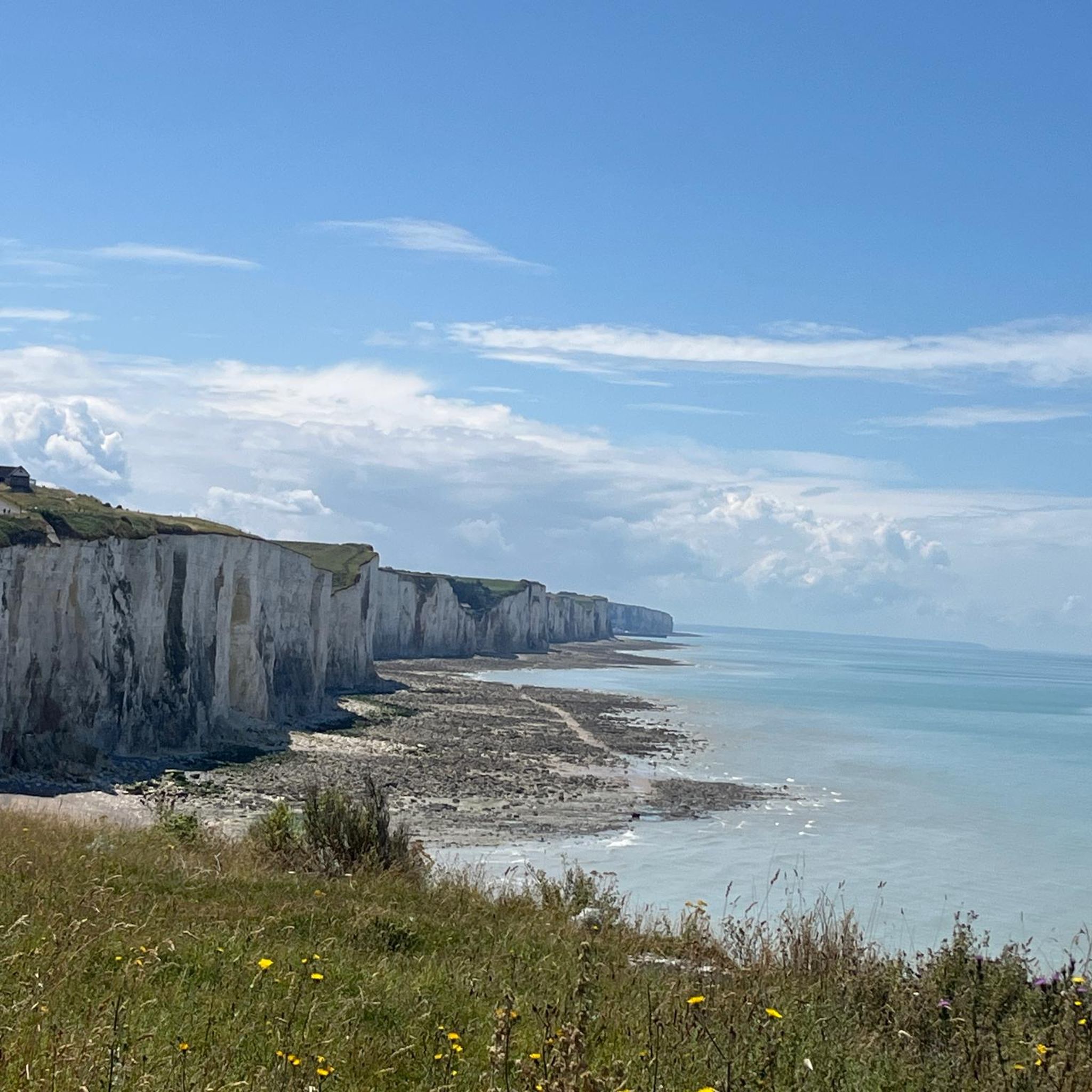
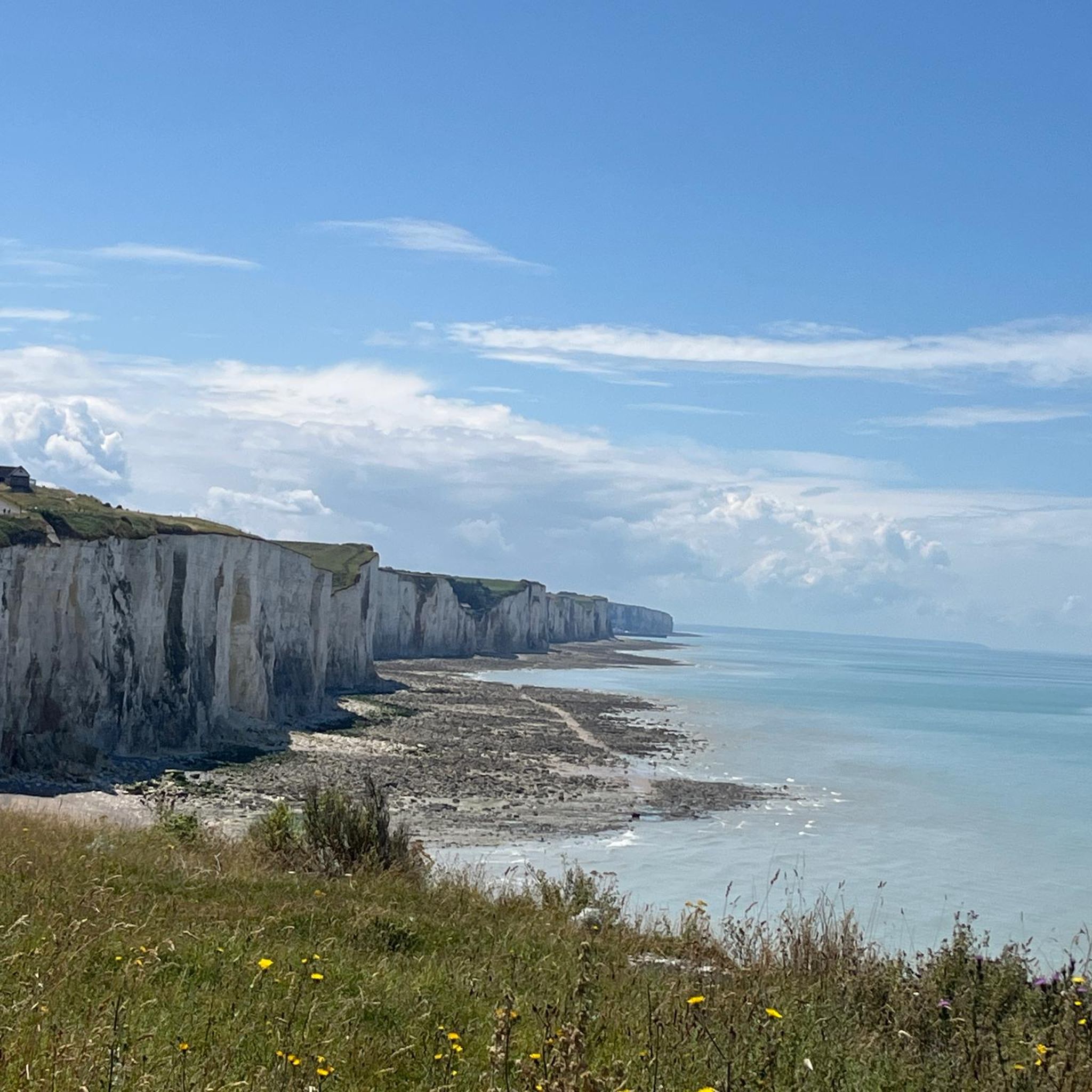
- The most popular attractions is La Cise Cliff, a natural monument that is a stunning white cliff overlooking the turquoise sea of the Bay of Somme. The cliffs are composed of chalk from the Upper Cretaceous, strewn with flint nodules.
- Another must-see spot is Ault Chalk Cliffs, a natural monument featuring impressive cliffs at the edge of the Normandy Alabaster Coast. The village of Ault is situated at the edge of these cliffs, offering an exceptional geographical location.
- Visitors also love Panoramic view, a viewpoint offering extensive vistas. The cliffs surrounding Ault beach, visible from here, are made of Upper Cretaceous chalk with flint nodules.
- Friville-Escarbotin is known for its natural landscapes, including coastal cliffs and the Baie de Somme, as well as its cultural heritage sites like museums and châteaux. The region offers a variety of attractions to see and explore.
- The attractions around Friville-Escarbotin are appreciated by the komoot community. With more than 280 upvotes and over 100 photos, the komoot community appreciates these spots.
Last updated: May 9, 2026
Ault Chalk Cliffs
Highlight • Natural Monument
france-voyage.com/frankrijk-steden/ault-31863.htm
Translated by Google •
Tip by

La Cise Cliff
Highlight • Natural Monument
Flint horizons are stratigraphic markers. On the cliffs of Ault, the regular flint band called Seven Sisters is recognizable and characterizes the boundary between the Middle Coniacian and the Upper Coniacian (around 87 million years ago). The boundary between the lower and middle Coniacian is marked by the Shoreham 2 marl level, which is more difficult to identify. These lithostratigraphic markings allow in particular the correlation of distant deposits, such as between the Normandy and Picardy coasts, or between the French and English coasts.
Translated by Google •
Tip by

Sign up now to discover places like this
Get recommendations on the best single tracks, peaks, & plenty of other exciting outdoor places.
Sign up for free
Bois de Cise
Highlight • Forest
This coastal wood was originally a wild wood which became a place for hunting with hounds. Bois de Cise was then sold in the form of lots, by a visionary who would stop at no means.
Today, it is a charming vacation spot and stroll, best discovered on foot along the small paths and wooden stairs that line the site. Very pretty villas bear witness to the prosperous years before the First World War.
Like Victor Hugo in his time, don't forget to go to the panorama. Fantastic viewpoint where you can see the Baie de Somme estuary.
Translated by Google •
Tip by

Cayeux-sur-Mer - Hable d'Ault
Highlight • Structure
The chemin des planches, one of the longest plank paths in Europe (2 km), runs alongside the promenade of this climatic health resort, along with 409 wooden beach huts. The Plages de la Mollière stretches from Le Hâble d'Ault to Le Hourdel. Hiking trails have been laid out in the Bois de Brighton.
The contributions of Cayeux sailors and fishermen made it possible to build the Chapelle des Marins, a chapel dedicated to Mary, which was built in the 1960s. Note the original tympanum of artful carvings.
lannoo.be/sites/default/files/books/issuu/9789401465175.pdf
Translated by Google •
Tip by
Cliffs of Ault
Highlight • Natural Monument
Even if the city has lost its splendor, the site is impressive, because to the north, the plain of the Bay of Somme extends, and to the west, the cliffs as far as Le Havre.
In my photo, unfortunately, I was not able to capture a beautiful light, but believe me, this is the land of exceptional lights.
Have a nice ride everyone.
Translated by Google •
Tip by

Sign up for free to discover even more attractions around Friville-Escarbotin.
Sign up for free
Already have an account?
Start today with a free account
Your next adventure awaits.
Login or Signup
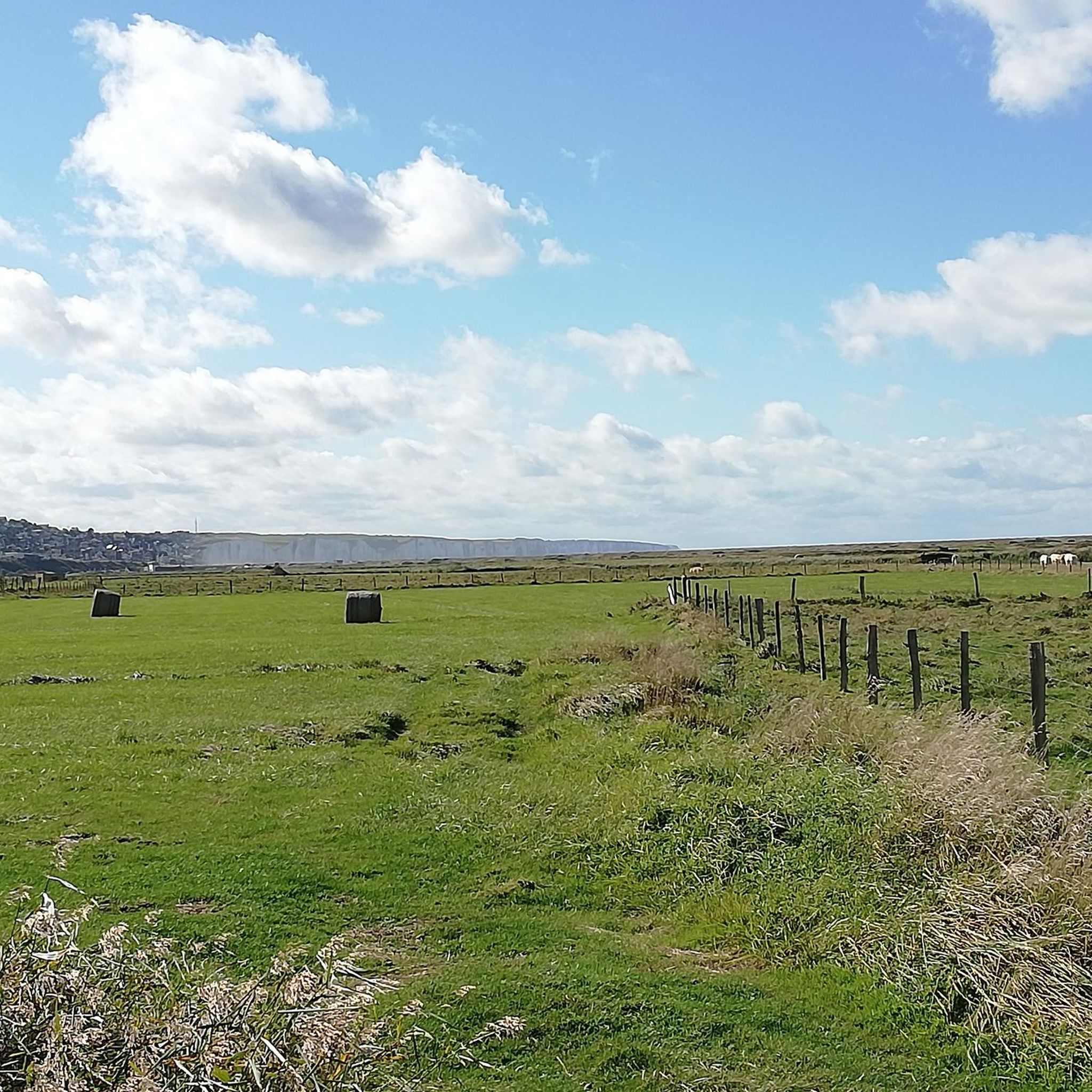
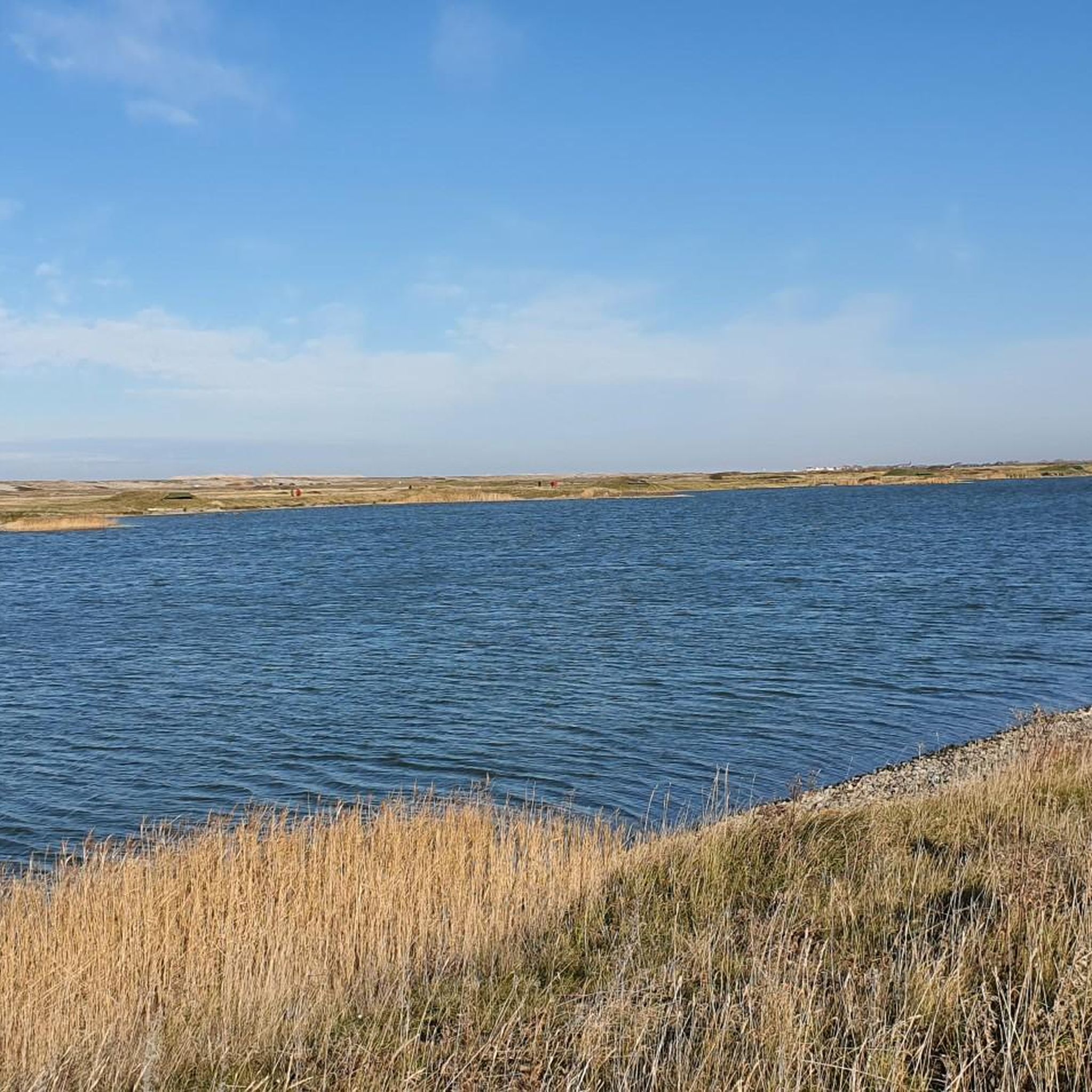

Tips from the Community

Pretty village, all shops. Please note, the footbridge along the cabins is prohibited for bicycles.
0
0

The cliffs are made of chalk and are impressive to look at.
3
0
Here in Ault begin the chalk cliffs, which stretch all the way to Normandy and repeatedly appear as enormous cliffs.
4
0


The cliffs around the beach of Ault are composed of chalk from the Upper Cretaceous, more precisely from the Turonian and Coniacian (around 83 million years ago to 90 million years ago). They are strewn with flint nodules which highlight the subhorizontal stratification planes (the formation of flint has already been discussed in Discovery of the geology of the cliffs of Étretat, presentation of an excursion from the beach of Tilleul (Antifer) to the Porte d'Amont (Étretat Nord)). The relative proportion of chalk and flint is around 90-95% chalk to 5-10% flint. Flint horizons are stratigraphic markers. On the cliffs of Ault, the regular flint band called Seven Sisters is recognizable and characterizes the boundary between the Middle Coniacian and the Upper Coniacian (around 87 million years ago). The boundary between the lower and middle Coniacian is marked by the Shoreham 2 marl level, which is more difficult to identify. These lithostratigraphic markings allow in particular the correlation of distant deposits, such as between the Normandy and Picardy coasts, or between the French and English coasts.
3
0
A green setting in the heart of the cliffs, classified as a picturesque area since 1959. The Bois de Cise is an exceptional natural area, a small natural forest, originally wild and abandoned, which became a famous seaside resort during the Belle Époque under the leadership of a visionary who stopped at nothing. This coastal forest was originally a wild forest and a hunting ground in the Middle Ages. At the end of the 19th century, the Bois de Cise was sold off in lots on the initiative of a property developer and became a famous seaside resort of the Belle Époque. Today, it is a charming holiday and walking area that is best explored on foot via the narrow paths and wooden steps that crisscross the area. Very beautiful villas bear witness to the prosperous years before the First World War. Don't forget to go to the panorama, like Victor Hugo in his time, a fantastic viewpoint from which you can see the mouth of the Bay of Somme.
0
0
The cliffs around the beach of Ault are composed of chalk from the Upper Cretaceous, more precisely from the Turonian and Coniacian (around 83 million years ago to 90 million years ago). They are strewn with flint nodules which highlight the subhorizontal stratification planes (the formation of flint has already been discussed in Discovery of the geology of the cliffs of Étretat, presentation of an excursion from the beach of Tilleul (Antifer) to the Porte d'Amont (Étretat Nord)). The relative proportion of chalk and flint is around 90-95% chalk to 5-10% flint. Flint horizons are stratigraphic markers. On the cliffs of Ault, the regular flint band called Seven Sisters is recognizable and characterizes the boundary between the Middle Coniacian and the Upper Coniacian (around 87 million years ago). The boundary between the lower and middle Coniacian is marked by the Shoreham 2 marl level, which is more difficult to identify. These lithostratigraphic markings allow in particular the correlation of distant deposits, such as between the Normandy and Picardy coasts, or between the French and English coasts.
2
0
Frequently Asked Questions
What natural features can I explore near Friville-Escarbotin?
The region offers stunning natural landscapes, particularly along the coast. You can visit the impressive Ault Chalk Cliffs, which mark the beginning of the Normandy Alabaster Coast. Another significant natural monument is La Cise Cliff, a beautiful white cliff overlooking the Bay of Somme. The wider Baie de Somme is also recognized for its extensive natural habitat and diverse flora and fauna, including seals.
Are there any historical or cultural sites to visit in Friville-Escarbotin itself?
Within Friville-Escarbotin, you can explore the Musée du Vimeu, which details the history of metallurgy and the lock-making industry in the region. The commune also has historical residences like the Château de Friville and the Château des Montmignon in Escarbotin, reflecting its rich past.
What kind of outdoor activities are available around Friville-Escarbotin?
The area is excellent for outdoor enthusiasts. You can find numerous options for hiking, running, and gravel biking. For example, there are several hiking trails, including an easy loop around the Cliffs of Ault. Gravel biking routes, such as the 'Port of Saint-Valery – Cap Hourdel Lighthouse loop', also offer scenic exploration. You can also find running trails like the 'Running loop from Friville-Escarbotin'.
Where can I find the best panoramic views of the coastline?
For breathtaking vistas, head to the Panoramic view point near Ault. From here, you can admire the impressive chalk cliffs surrounding Ault beach. The village of Ault itself, situated at the edge of the Normandy Alabaster Coast cliffs, offers exceptional geographical views.
Are there any family-friendly attractions or activities nearby?
Yes, the area offers options for families. The Cayeux-sur-Mer - Hable d'Ault area is considered family-friendly, featuring a wide pebble beach and a charming coastal town. Additionally, the region provides opportunities for various water sports on a 55-hectare body of water, including canoeing, kayaking, and pedal boating, which can be fun for families.
What do visitors enjoy most about the attractions around Friville-Escarbotin?
Visitors particularly appreciate the dramatic coastal landscapes and the unique geological formations. The chalk cliffs, like those at Ault and La Cise, are frequently highlighted for their beauty and the scenic hiking opportunities they offer. The peaceful atmosphere of places like Bois de Cise and the charming coastal towns also receive positive feedback.
Can I observe wildlife in the Friville-Escarbotin area?
Yes, the Baie de Somme, a short distance from Friville-Escarbotin, is a significant natural habitat known for its diverse flora and fauna. It's an excellent place for wildlife spotting, particularly for observing seals at low tide, especially near Pointe du Hourdel.
Are there any notable gardens to visit in the vicinity?
Several remarkable gardens are located near Friville-Escarbotin. These include Le Jardin Sauvage in Buigny-lès-Gamaches, the Parc Et Jardin Du Chateau D'Eu, and the Domaine de la Roseraie in Gamaches. The Herbarium Des Remparts in Saint-Valery-sur-Somme is also a beautiful option.
What is the best time of year to visit Friville-Escarbotin and its surrounding attractions?
The coastal and natural attractions are generally best enjoyed during the warmer months, from late spring to early autumn (May to September), when the weather is pleasant for outdoor activities like hiking, cycling, and exploring the beaches and gardens. This period also offers the best conditions for observing wildlife in the Baie de Somme.
Are there any charming towns or villages worth visiting near Friville-Escarbotin?
Absolutely. Saint-Valery-sur-Somme, about 14 km away, is a picturesque town known for its charm. Mers-les-Bains is another pleasant seaside town famous for its distinctive Belle Époque villas. You might also enjoy Le Tréport, a coastal town with a funicular offering panoramic views.
Where can I find information about cycling routes in the area?
For cycling enthusiasts, there are various routes available. You can explore gravel biking routes around Friville-Escarbotin, such as the 'Cliffs – Eastern end of Falaises d'Albâtre, Ault coastal panorama loop'. Accompanied bike tours are also offered in the Bresle valley and the Forest of Eu.
Most popular routes around Friville-Escarbotin
Most popular attractions around Friville-Escarbotin

Get inspired with the komoot mobile app


Explore more
Still not found the Highlight you’re looking for? See guides of the top attractions in other regions:
