The best walks and hikes around Thésée
4.5
(105)
1,061
hikers
37
hikes
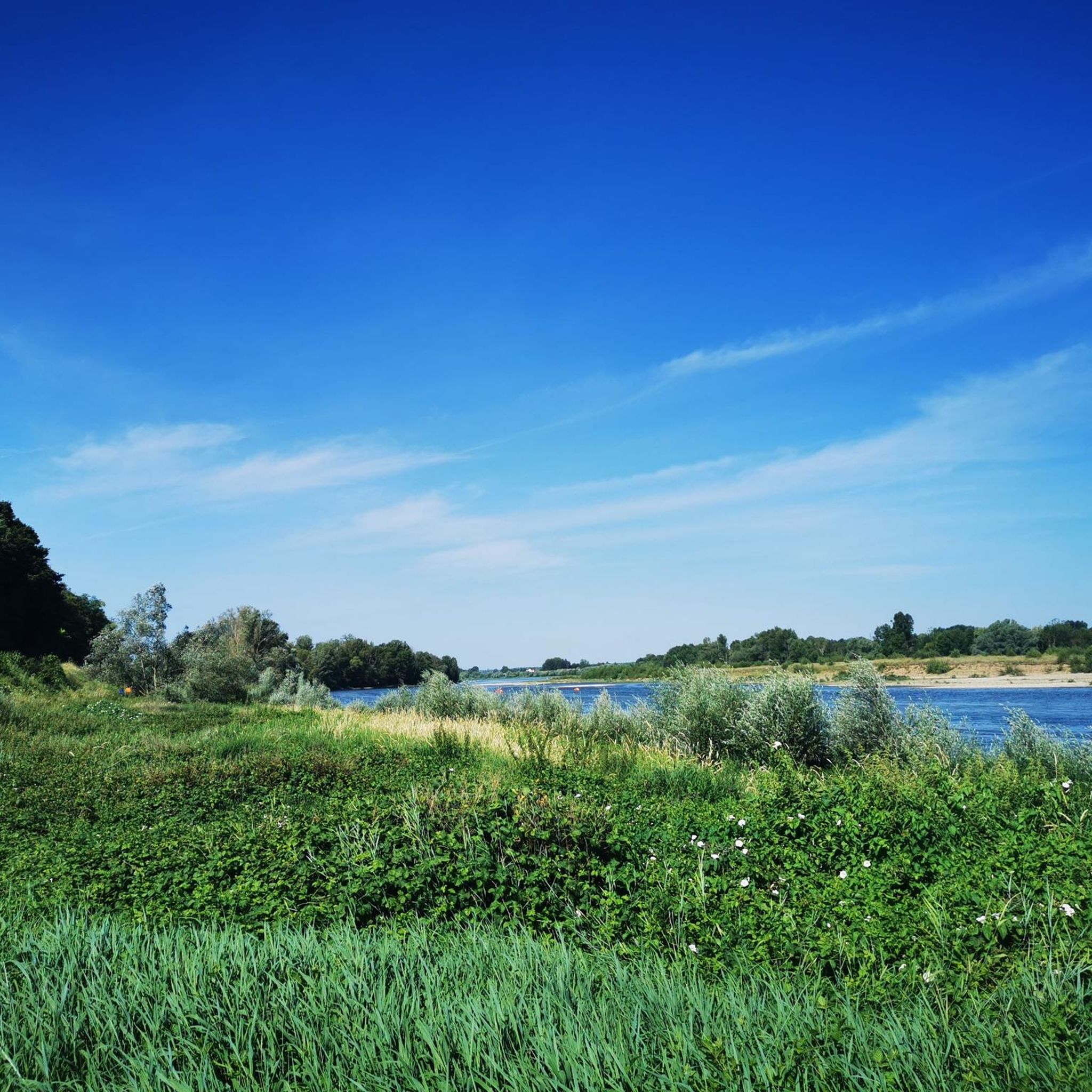
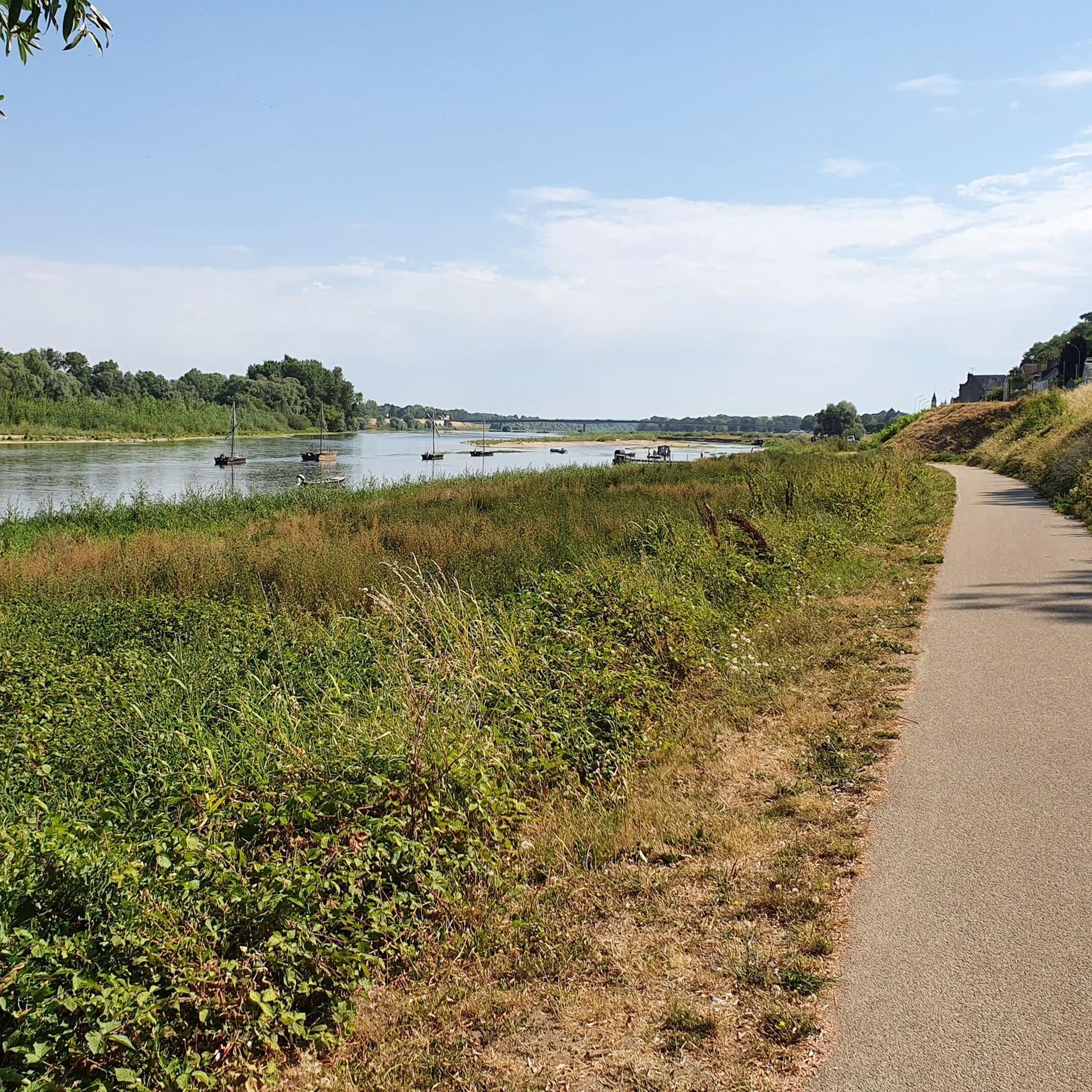
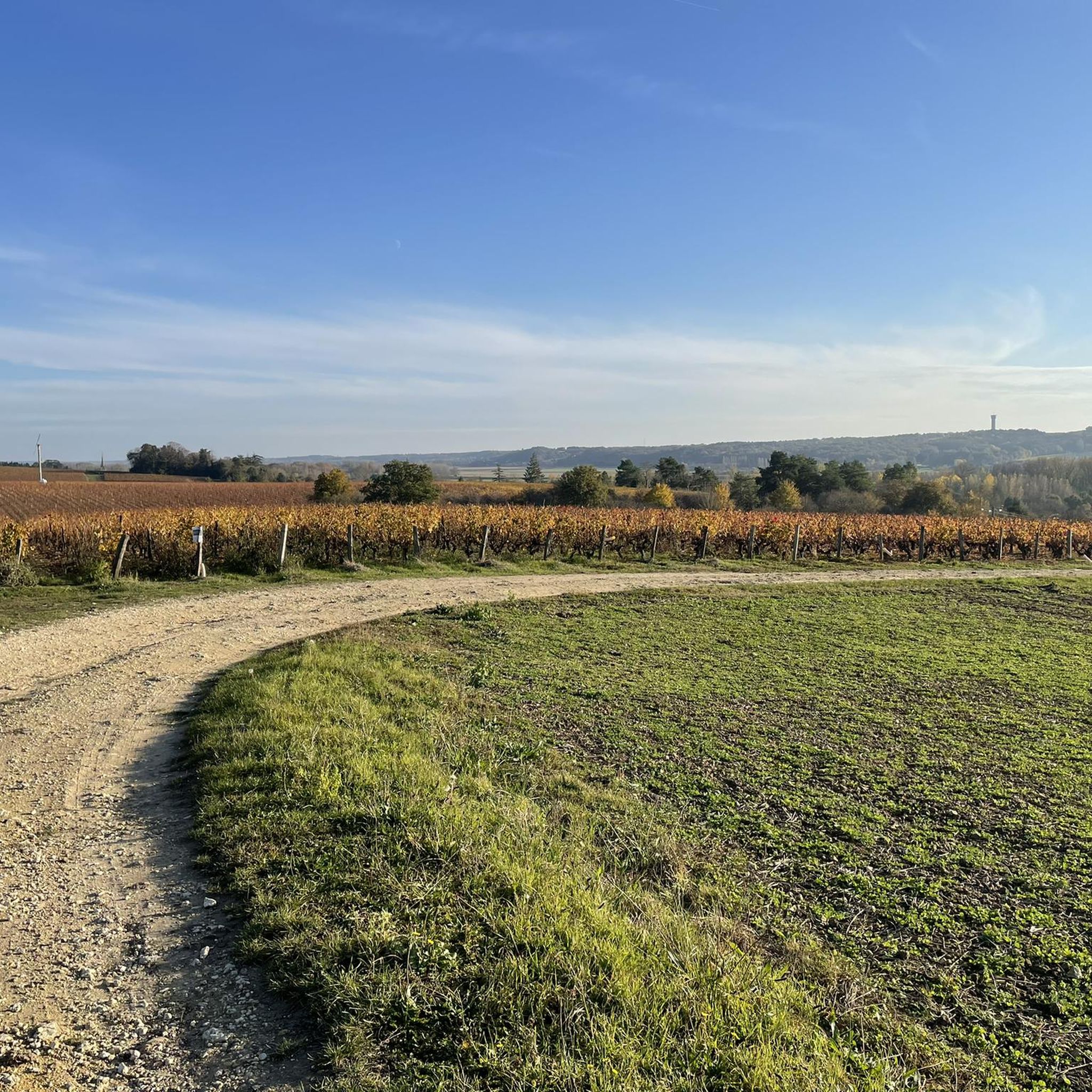
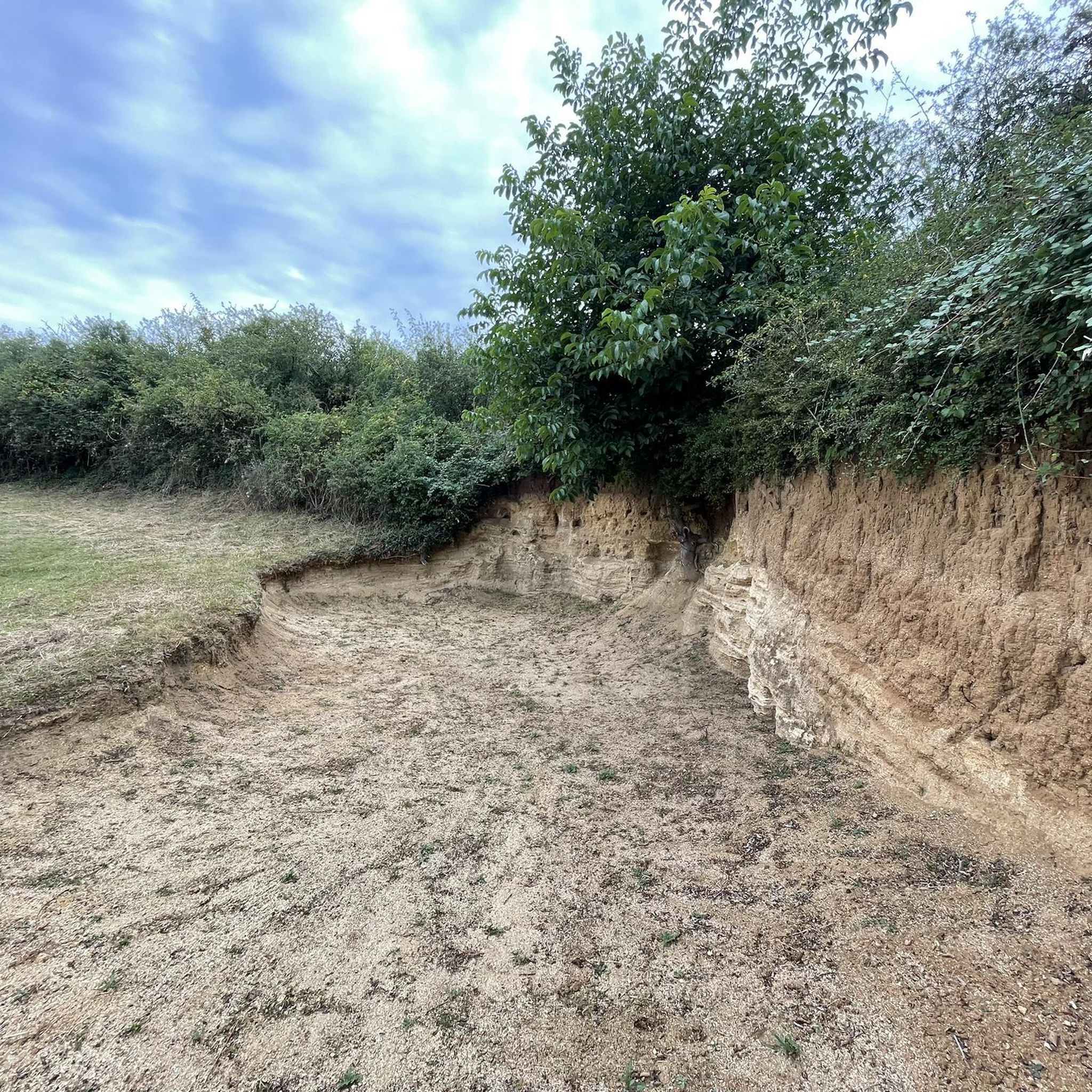
Hiking around Thésée offers routes through a landscape characterized by gentle river valleys, dense woodlands, and historical features. The region's terrain is generally low-lying, with minimal elevation changes, making it suitable for various fitness levels. Hikers can explore areas featuring ancient forests, historic castles, and unique troglodyte dwellings carved into the soft rock. These natural and historical elements define the outdoor experience in Thésée.
Best hiking trails around Thésée
- The most popular hiking route is Choussy Forest Loop, a…
Last updated: July 2, 2026
4.4
(8)
20
hikers
12.4km
03:12
70m
70m
Hike the moderate 7.7-mile Choussy Forest loop, enjoying diverse nature, the Le Bavet river, wildlife, and fossils.
4.1
(9)
18
hikers
6.78km
01:47
60m
60m
Easy hike. Great for any fitness level. Easily-accessible paths. Suitable for all skill levels.

Sign up for free
4.0
(1)
13
hikers
13.8km
03:34
70m
70m
Moderate hike. Good fitness required. Easily-accessible paths. Suitable for all skill levels.
5.0
(2)
8
hikers
12.8km
03:27
150m
150m
Moderate hike. Good fitness required. Easily-accessible paths. Suitable for all skill levels.
3.0
(2)
4
hikers
13.2km
03:32
160m
160m
Moderate hike. Good fitness required. Easily-accessible paths. Suitable for all skill levels.
Get access to more routes and recommendations from other explorers.
Sign up for free
Already have an account?
Our route recommendations are based on thousands of hikes, rides, and runs completed by other people on komoot.
Start today with a free account
Your next adventure awaits.
Login or Signup

Tips from the Community

A tower that was deliberately sawn off. Yes, really. During this loop through Montrichard Val de Cher, you'll climb to the ruins of the Château de Montrichard. With views over the Cher, it's as if you were ruling the region yourself. Only... that keep didn't collapse. It was deliberately lowered by Henry IV. Impressive. A magnificent view.
3
0

On the banks of the Cher River, the medieval town of Saint-Aignan, listed as a remarkable heritage site, appeals to heritage lovers as well as those who enjoy local products and unusual walks. A medieval town in the heart of the Loire Valley châteaux (50 km south of Tours) and 2 km from the Beauval Zoo. In Saint-Aignan, you will first be impressed by the Renaissance château, which overlooks the town. Adorned with the famous scallop shell and the Salamander of Francis I, it was built on the site of an ancient 9th-century fortress, of which only the Hagard Tower remains today. Construction continued in the 19th century with the addition of an octagonal tower. While the château, now privately owned, is not open to the public, you can nevertheless access its main courtyard and terrace by taking a staircase from the collegiate church. https://www.ville-saintaignan.com/saint-aignan-cite-exception
3
0
Saint-Aignan (formerly known as Saint-Aignan-en-Berry or Saint-Aignan-sur-Cher) is a French commune located in the Loir-et-Cher department, in the Centre-Val de Loire region. Built on a hillside on the banks of the Cher River, the town enjoyed a highly desirable location at the crossroads of three provinces: Orléanais, Berry, and Touraine. Its historic urban architecture features narrow streets and numerous monuments. https://fr.wikipedia.org/wiki/Saint-Aignan_(Loir-et-Cher)
3
0
The small town of Saint-Aignan on the Cher with its stately castle and pretty church.
3
0
The Collegiate Church of Saint-Aignan is a French church located in the center of the city of Orléans, on the north bank of the Loire River, in the Loiret department in the Centre-Val de Loire region. It is dedicated to Saint Aignan, Bishop of Orléans. This beautiful church was originally built for the cult of Saint Aignan, whose relics were kept in the crypt. The current basilica, begun by Charles VII in 1438 but completed in 1509 by Louis XII, is not the first construction, as traces of buildings dating from the 6th, 9th, 11th, 14th, and 15th centuries have been found. They were all destroyed by fire, floods, or human hands. The people of Orléans, and in particular the canons, have always been keen to rebuild this building because Saint Aignan is an important figure in the history of Orléans, due to the role he played against the barbarians in the 5th century. While bishop of the city, he is said to have miraculously defended it against the Hun invasion in 451. https://www.tourismeloiret.com/fr/diffusio/visites/collegiale-saint-aignan-orleans_TFOPCUCEN045V501HHG
3
0
History: In the 10th century, Eudes I, Count of Blois, built a castle on the hills. Of the old building, only the so-called Agar Tower, or keep, remains, with some wall removals. The current castle, set at right angles, was rebuilt in the 16th century by the Beauvilliers. The north facade is divided by two brick and stone pavilions. The attic is decorated with pedimented dormers. To the south, in the main courtyard, the two buildings intersect at right angles. They are pierced by cruciform mullioned windows, separated by pilasters and bands on which figures are sheltered in small niches. Stone dormers with pinnacled and shell pediments adorn the roofs. A modern polygonal tower, outside the building, connects the two main buildings. It is highly decorated with pilasters and twin columns. The west pavilion is the most richly decorated. A frieze decorated with Italianate medallions supports an openwork balustrade. The ruins of the original castle are located opposite the current castle. The building was extensively restored in the 19th century.
3
0
Saint Aignan, who died in 453 after defending the people of Orleans against the Huns, was buried in a first tomb. As veneration of his relics grew, a basilica was built. A community of monks settled there, and canons replaced them in the 9th century. Following the damage caused by Norman attacks and the fire of 999, Charles the Bald began reconstruction, and Robert the Pious completed the Romanesque church with its crypt housing the relics of Saint Aignan. This church was consecrated on June 14, 1029. We will soon celebrate its millennium. https://collegiale-saintaignan-dorleans.fr/la-crypte/
4
0
Castle of Saint-Aignan-sur-Cher https://www.sudvaldeloire.fr/offres/chateau-de-saint-aignan-saint-aignan-fr-2608592/
3
0
Frequently Asked Questions
How many hiking trails are available around Thésée?
There are over 30 hiking routes in the Thésée region, offering a variety of experiences through gentle river valleys, dense woodlands, and historical sites. These include options for easy, moderate, and a few more challenging hikes.
Are there easy hiking trails suitable for beginners or families in Thésée?
Yes, Thésée offers 6 easy hiking trails perfect for beginners or families. An excellent option is the Gué-Péan Castle loop from Monthou-sur-Cher, an easy 4.2-mile (6.8 km) path that provides views of historic landmarks and the surrounding countryside.
What historical sites or landmarks can I see while hiking around Thésée?
The Thésée region is rich in history. Many trails pass by significant landmarks. For example, the Gué-Péan Castle loop from Monthou-sur-Cher offers views of Gué-Péan Castle. You can also explore areas with unique troglodyte dwellings, such as on the Pont de Montrichard – Troglodyte houses in Bourré loop from Angé, which leads past the fascinating Troglodyte houses in Bourré.
Are there circular hiking routes in Thésée?
Yes, many of the hiking routes around Thésée are circular, allowing you to start and end at the same point. Popular circular options include the Choussy Forest Loop and the Gué-Péan Castle loop from Monthou-sur-Cher.
What is the best season for hiking in Thésée?
The best seasons for hiking in Thésée are generally spring and autumn. During these times, the weather is mild, and the natural scenery, from blooming wildflowers to vibrant autumn foliage, is particularly beautiful. Summer can also be pleasant, especially in the shaded woodlands, but it's advisable to hike earlier in the morning or later in the afternoon to avoid the midday heat.
Are the hiking trails around Thésée dog-friendly?
Most hiking trails in the Thésée region are dog-friendly, provided your dog is kept on a leash, especially in areas with wildlife or near agricultural land. Always ensure you carry water for your pet and clean up after them. Specific restrictions might apply in certain protected areas, so it's always good to check local signage.
What kind of flora and fauna can I expect to see on hikes in Thésée?
Thésée's landscape, characterized by woodlands and river valleys, supports diverse flora and fauna. You can expect to see various tree species, wildflowers, and perhaps spot birds like buzzards or kingfishers near waterways. Keep an eye out for deer, wild boar, and smaller mammals in the denser forest areas.
Is parking available at the trailheads in Thésée?
Yes, parking is generally available at or near the starting points of many hiking trails in Thésée and surrounding villages. Look for designated parking areas in town centers or near popular attractions that serve as trail access points.
How long do hikes around Thésée typically take?
Hikes around Thésée vary in length and duration. Easy trails, like the 4.2-mile Gué-Péan Castle loop, can take around 2 hours. Moderate routes, such as the 7.7-mile Choussy Forest Loop, typically require about 3 to 3.5 hours to complete.
What do other hikers say about the trails in Thésée?
The hiking trails in Thésée are highly rated by the komoot community, with an average score of 4.4 stars from over 115 reviews. Reviewers often praise the region's quiet woodlands, well-marked paths, and the unique blend of natural beauty with historical elements like castles and troglodyte dwellings.
Are there any less crowded hiking trails around Thésée?
While popular routes can see more visitors, many of Thésée's 30 trails offer a sense of solitude, especially outside peak tourist times. Exploring some of the lesser-known moderate trails or venturing into the deeper parts of the woodlands can provide a quieter experience. The Cave entrance loop from Mareuil-sur-Cher is a good option for a moderate hike that might be less frequented.
What should I bring for a hike in Thésée?
For hiking in Thésée, it's recommended to bring comfortable walking shoes, water, snacks, and appropriate clothing for the weather. Sun protection (hat, sunscreen) is advisable, especially in open areas. A map or GPS device (like komoot) is useful for navigation, and binoculars can enhance wildlife viewing.
Most popular attractions around Thésée

Get inspired with the komoot mobile app


Explore more
Browse the best Hikes in other regions.
