Attractions and Places To See around Bélesta - Top 20
Best attractions and places to see around Bélesta, located in the Pyrénées-Orientales department of France, encompass a diverse range of historical landmarks and natural attractions. This region is characterized by its unique geological formations and rich historical sites. Visitors can explore ancient castles, prehistoric museums, and distinctive rock formations sculpted by natural processes over millions of years.
Best attractions and places to see around Bélesta
- The most popular attractions is Guilléra Gorges and Rodès Canal, a gorge that offers…
Last updated: July 7, 2026
The Organ Pipes of Ille-sur-Têt
Highlight • Gorge
Translated by Google •
Tip by

Guilléra Gorges and Rodès Canal
Highlight (Segment) • Gorge
Tour to the highlight: komoot.de/tour/340848344?ref=itd
Translated by Google •
Tip by

Sign up now to discover places like this
Get recommendations on the best single tracks, peaks, & plenty of other exciting outdoor places.
Sign up for free
Sant Martí de la Roca
Highlight • Religious Site
Translated by Google •
Tip by

Fairy Chimneys
Highlight • Natural Monument
Translated by Google •
Tip by
Corbère Castle
Highlight • Castle
Translated by Google •
Tip by

Sign up for free to discover even more attractions around Bélesta.
Sign up for free
Already have an account?
Start today with a free account
Your next adventure awaits.
Login or Signup
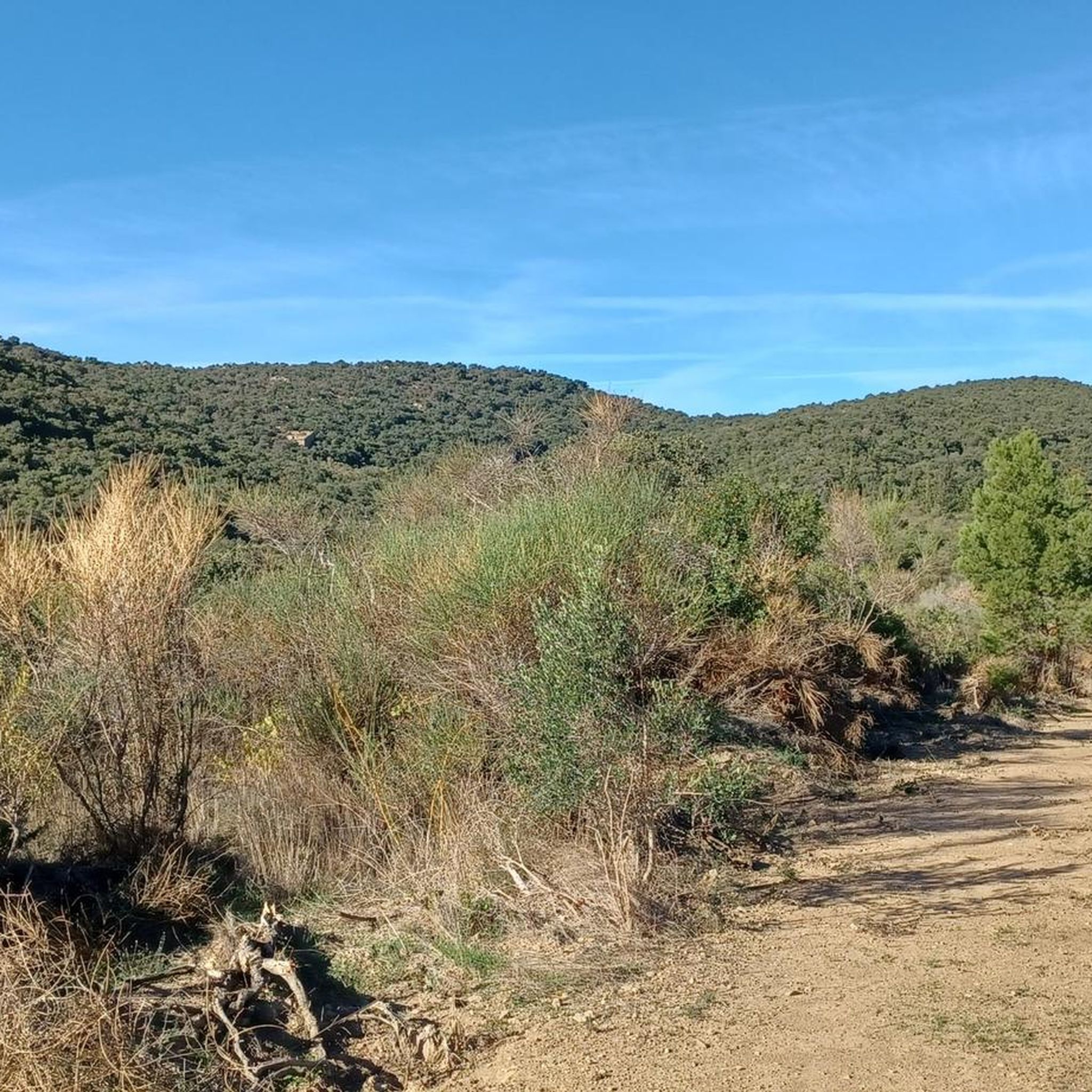
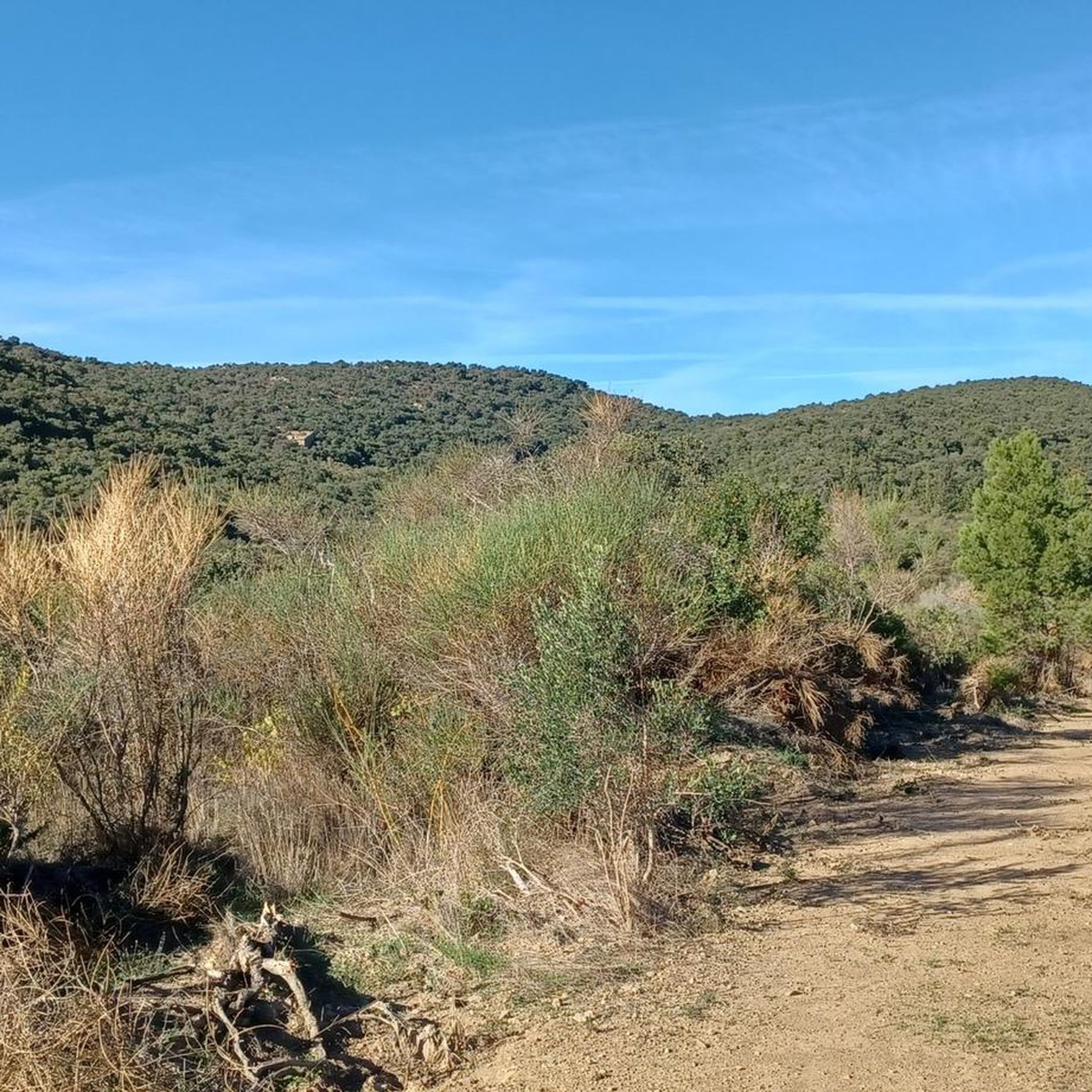
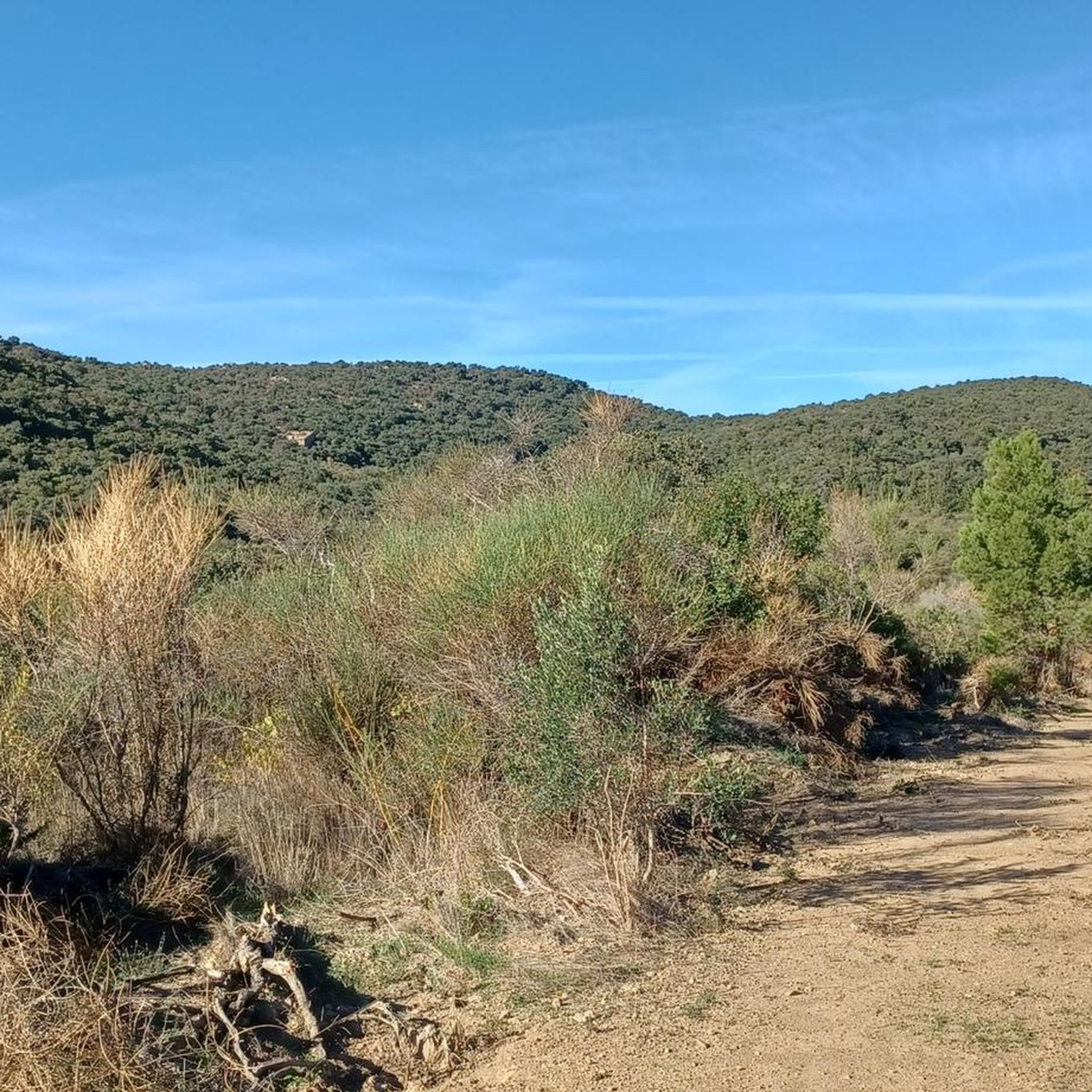
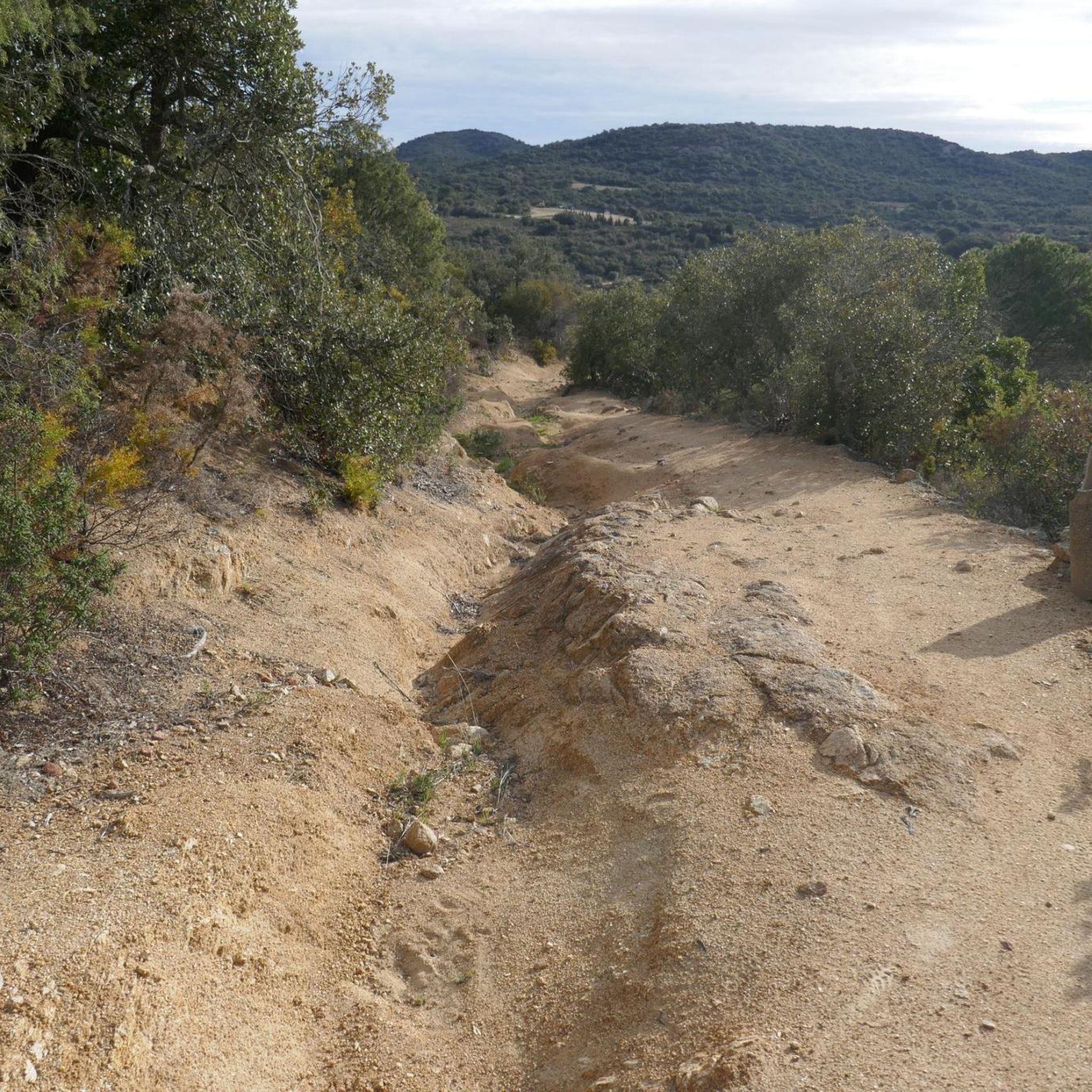

Tips from the Community

A fascinating landscape shaped by erosion, it offers magnificent views of the eastern Pyrenees with its highest peak, Canigou, at 2784 m.
2
0

There is much to read about this landscape, formed by erosion over 50 million years, but you simply have to see it for yourself, it is so beautiful and unique.
7
0
A unique place in France, a landscape of fairy chimneys with a fragile, ephemeral beauty. It shows the cliffs of sand and clay, patiently chiseled by the rain. Erosion has worked like an artist
9
0
A unique place in France, a landscape of fairy chimneys with a fragile, ephemeral beauty. It shows cliffs of sand and clay, patiently chiseled by the rain. Erosion has worked like an artist.
6
0
Orgues offers a view of these astonishing natural structures known as "fairy chimneys." It's a unique landscape with colorful reliefs that water has sculpted in clay and sand, torn from the Pyrenees and deposited in the Tet Valley over the course of 5 million years.
9
0
Orgues offers a view of these astonishing natural structures known as "fairy chimneys." It's a unique landscape with colorful reliefs that water has sculpted in clay and sand, torn from the Pyrenees and deposited in the Tet Valley over the course of 5 million years.
7
0
This castle likely dates back to the 12th century. Although medieval in design, it was remodeled in the 13th and then again in the 16th century. Its architecture is inspired by medieval Catalan architecture, and it is likely privately owned.
0
0
Frequently Asked Questions
What unique natural formations can I explore near Bélesta?
Near Bélesta in Pyrénées-Orientales, you can discover the astonishing Orgues d'Ille-sur-Têt, also known as "fairy chimneys." These are unique geological structures with colorful reliefs sculpted by water from clay and sand over millions of years. Another similar site is Fairy Chimneys, offering impressive natural views.
Are there any gorges or river walks in the Bélesta area?
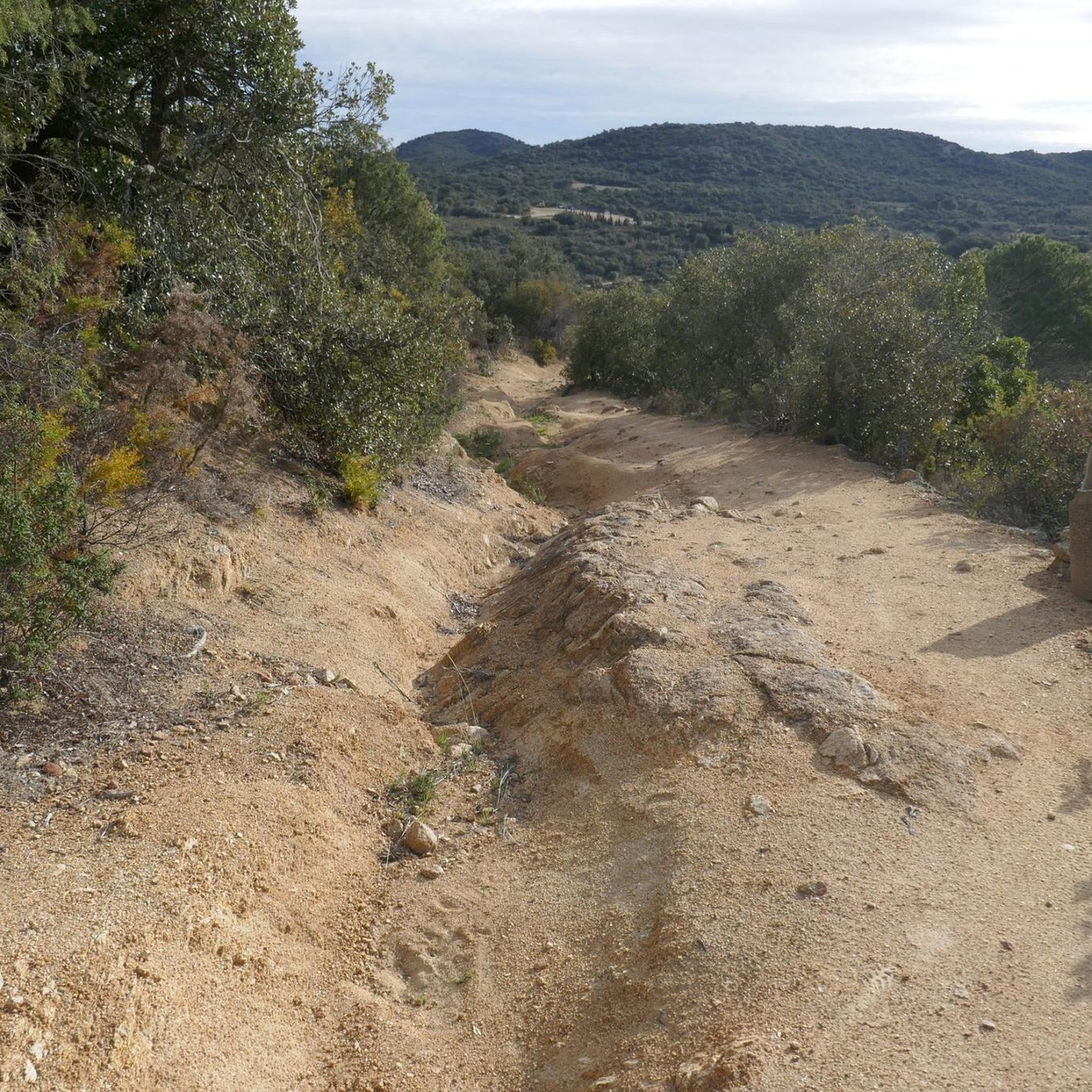
Yes, the Guilléra Gorges and Rodès Canal offer a beautiful hike along a river and an ancient water canal. This canal, known as Canal de Perpignan, continues towards Ille-sur-Têt and provides a shaded and scenic walk, even in summer.
What historical sites can I visit around Bélesta?
The region boasts several historical sites. You can explore Corbère Castle, a historic gem with medieval architecture offering panoramic views. Additionally, the area is rich in religious heritage, including the Chapelle de Casenoves, Eglise de Sainte Marie de Marcevol, Prieuré de Serrabone, and Abbaye Saint Michel de Cuixa. The fortified town of Villefranche-de-Conflent, with its Vauban fortifications, is also nearby.
Can I explore Cathar castles from Bélesta?
Yes, Bélesta serves as a gateway to several famous Cathar castles. You can visit impressive sites such as Château de Queribus and Château de Peyrepertuse, both within a short distance, offering a glimpse into the region's rich medieval history.
What hiking opportunities are available around Bélesta?
Bélesta offers a variety of hiking trails for different skill levels. You can find routes like the 'Bélesta Village – Pic Aubeill Viewpoint loop' or the 'Ancient Town Gate of Bélesta – Bélesta Cave loop.' For more detailed information and a wider selection of trails, explore the Hiking around Bélesta guide.
Are there options for cycling or gravel biking near Bélesta?
Absolutely. The area around Bélesta is suitable for cycling, including gravel biking. Routes like the 'Bélesta Village – View of Canigou loop' or 'Les Orgues d'Ille-sur-Têt – Bélesta Village loop' offer scenic rides. Discover more options in the Gravel biking around Bélesta guide.
Are there family-friendly attractions or activities in the Bélesta area?
Yes, the Orgues d'Ille-sur-Têt are considered family-friendly, offering an engaging natural spectacle for all ages. The Guilléra Gorges and Rodès Canal also provide an accessible and enjoyable walk for families.
What do visitors particularly enjoy about the attractions near Bélesta?
Visitors frequently praise the breathtaking panoramic views from sites like Sant Martí de la Roca and Corbère Castle. The unique geological formations of the Orgues d'Ille-sur-Têt are also a major highlight, often described as 'astonishing' and 'impressive' by those who experience them.
What is the best time of year to visit Bélesta for outdoor activities?
The region generally enjoys a Mediterranean climate. Spring and autumn are often ideal for outdoor activities like hiking and cycling, offering pleasant temperatures and vibrant landscapes. Summers can be warm, but many trails, like the Guilléra Gorges, provide shade.
Are there any lesser-known or 'hidden gem' attractions worth discovering near Bélesta?
Beyond the main highlights, the region offers charming hamlets within the Fenouillèdes area, known for its vineyards and garrigue. The village of Bélesta itself hosts a Château-Musée de Préhistoire, and the unique Riberach hotel, housed in a former wine cooperative, offers a distinctive cultural experience.
Where can I find local amenities like cafes or restaurants in Bélesta?
The village of Bélesta offers local amenities including a country bistro and a gastronomic restaurant. For a wider selection, nearby towns and villages in the Fenouillèdes region will also have cafes and restaurants catering to visitors.
Are there other notable Bélesta locations in France?
Yes, besides Bélesta in Pyrénées-Orientales, there is another commune named Bélesta in the Ariège department. This other Bélesta is known for natural wonders like the intermittent Fontaine de Fontestorbes, the extensive Forêt de Bélesta, and the impressive Gouffre des Corbeaux chasm.
Most popular routes around Bélesta
Most popular attractions around Bélesta

Get inspired with the komoot mobile app


Explore more
Still not found the Highlight you’re looking for? See guides of the top attractions in other regions:
