The best cycling routes around La Calotterie
4.3
(919)
7,336
riders
279
rides
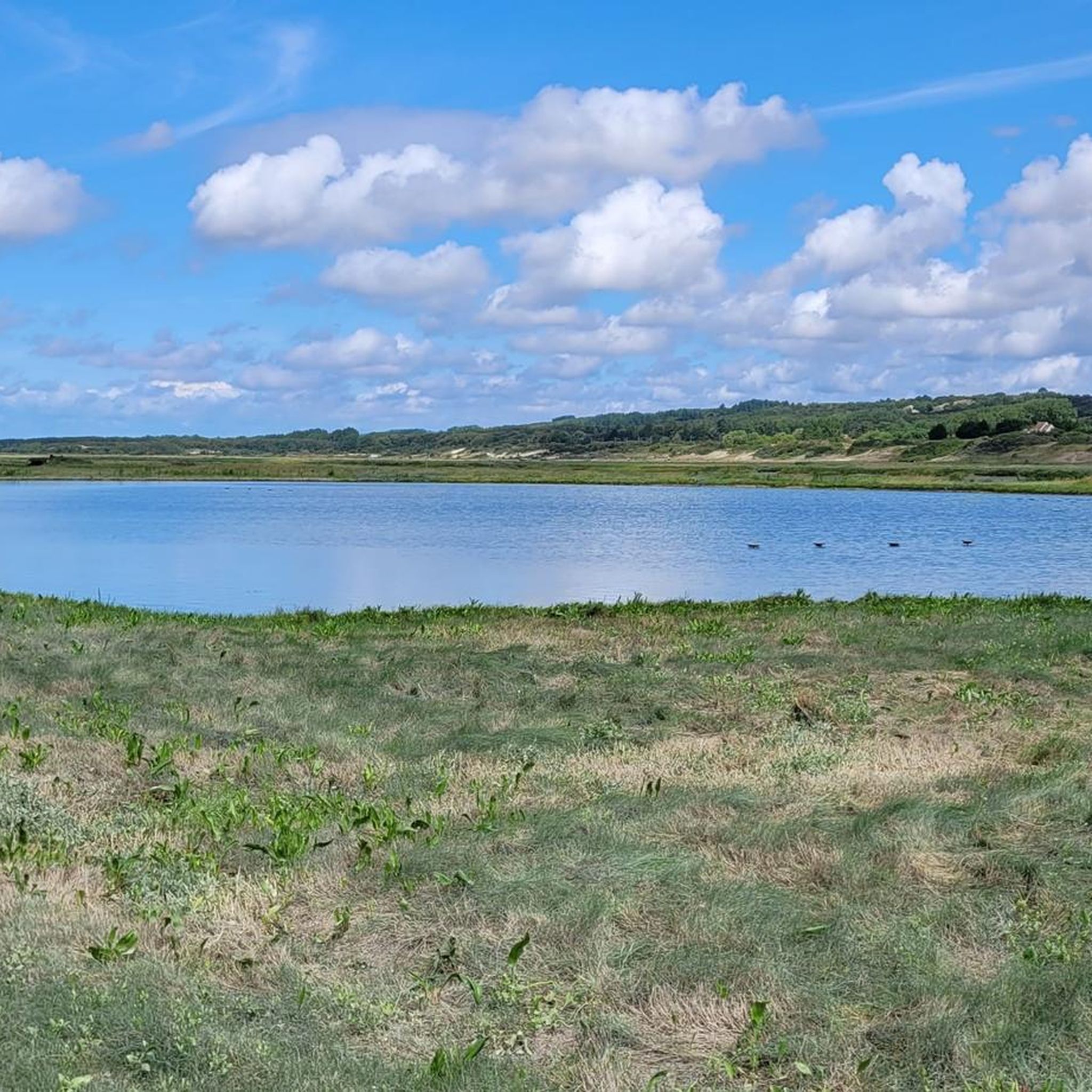
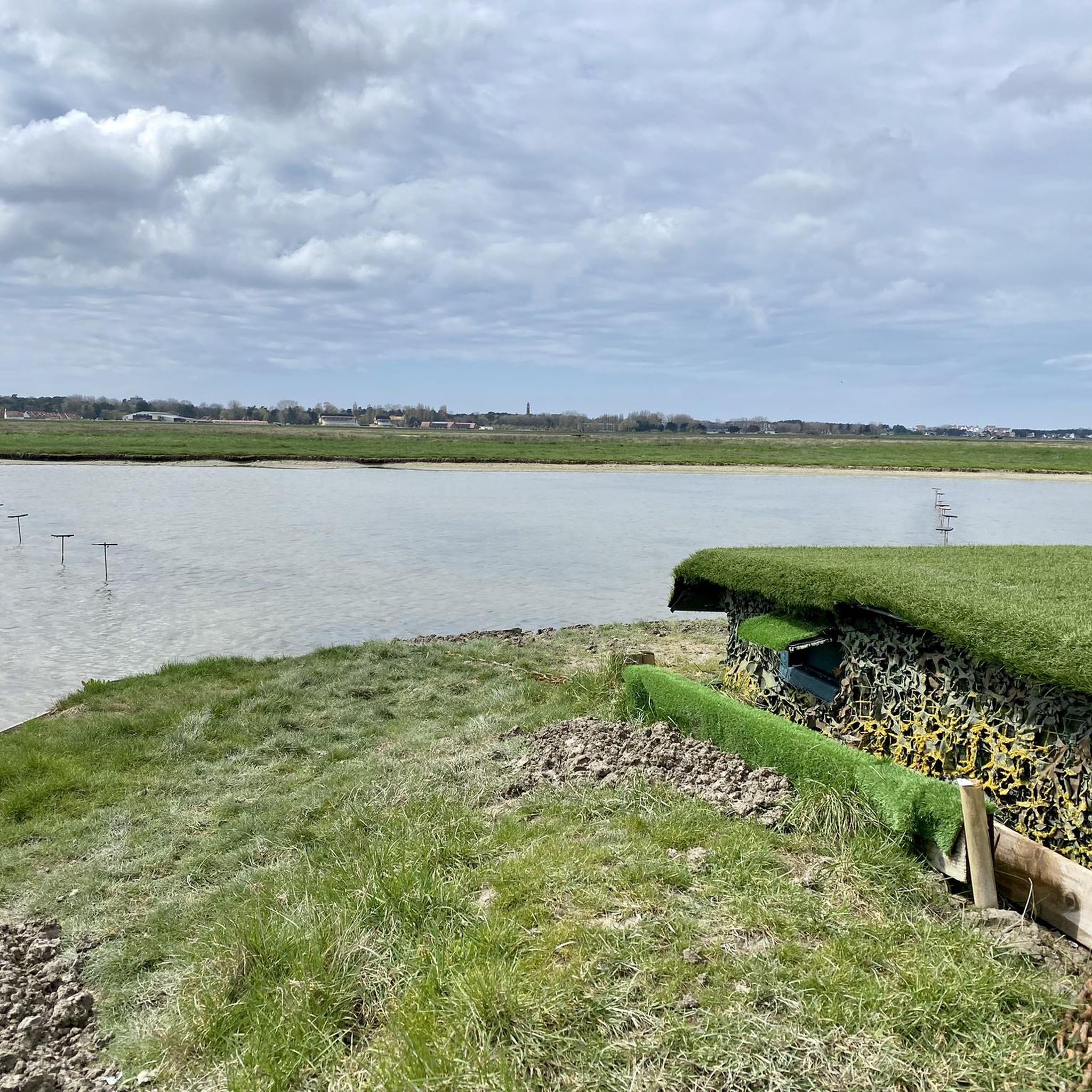
Touring cycling routes around La Calotterie traverse a varied landscape characterized by marshes and wetlands along the Canche River. The region features accessible coastal stretches, verdant valleys such as the Canche Valley, and open countryside. Cyclists can expect a mix of paved surfaces and some unpaved segments, suitable for various skill levels. This area provides a base for exploring nearby historic towns and natural reserves.
Best touring cycling routes around La Calotterie
- The most popular touring cycling route is Banks…
Last updated: May 13, 2026
7
riders
15.3km
01:09
130m
130m
Hard bike ride. Great for any fitness level. You may need to push your bike for some segments of this route.
18
riders
43.5km
03:07
310m
310m
Moderate bike ride. Good fitness required. Mostly paved surfaces. Suitable for all skill levels.

Sign up for free
5.0
(1)
3
riders
33.9km
01:59
160m
160m
Moderate bike ride. Good fitness required. Mostly paved surfaces. Suitable for all skill levels.
6
riders
21.9km
01:17
60m
60m
Easy bike ride. Great for any fitness level. Mostly paved surfaces. Suitable for all skill levels.
6
riders
28.1km
02:01
180m
180m
Moderate bike ride. Good fitness required. Mostly paved surfaces. Suitable for all skill levels.
Get access to more routes and recommendations from other explorers.
Sign up for free
Already have an account?
Our route recommendations are based on thousands of hikes, rides, and runs completed by other people on komoot.
Start today with a free account
Your next adventure awaits.
Login or Signup
Tips from the Community


Montreuil on the sea
1
0
Montreuil on the sea
1
0

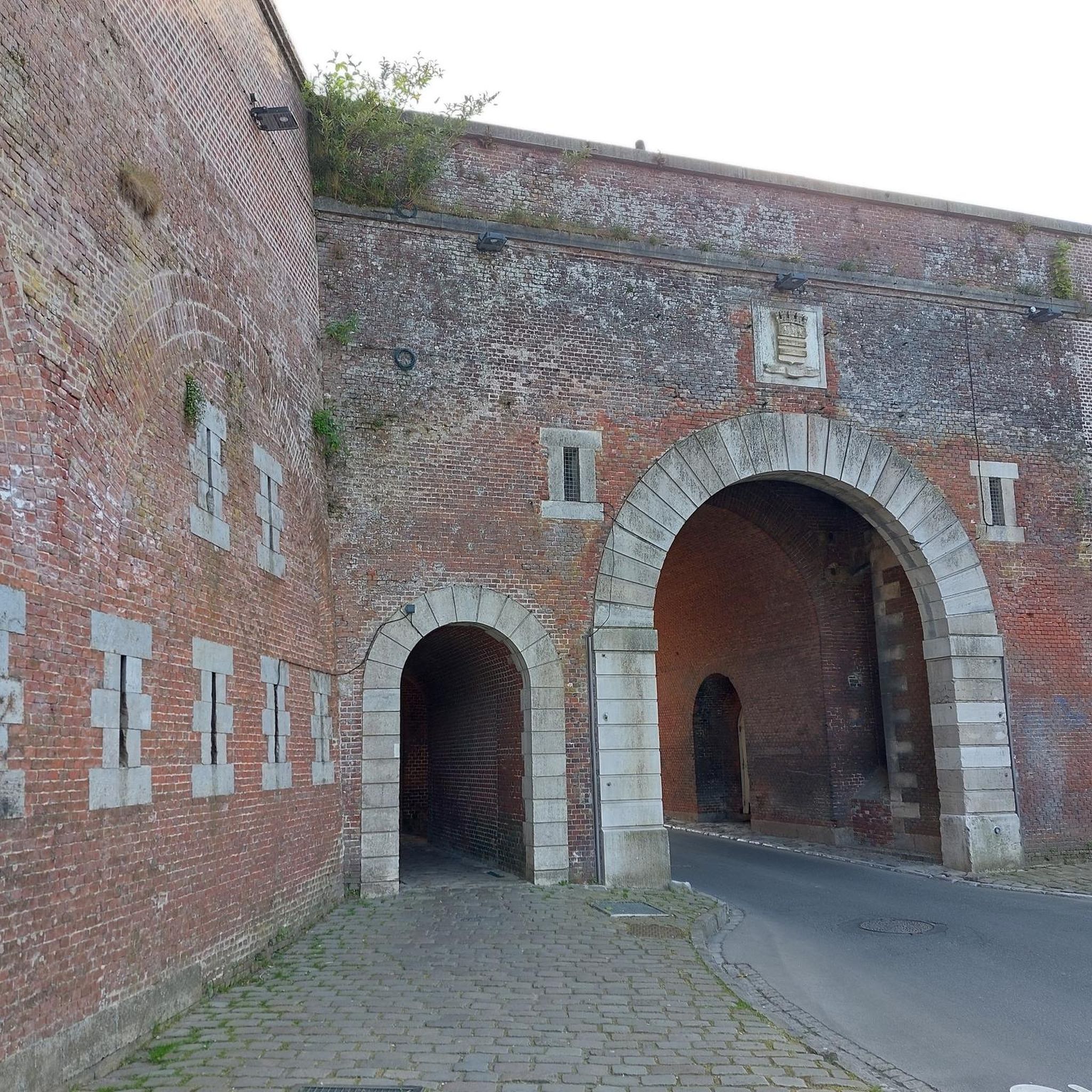
The town of Montreuil-sur-mer is surrounded by a rampart, built between the 13th and 17th centuries. Take advantage of this walk of about 3 km, in the cool of the trees, to discover the impressive military heritage of the town. Be careful around the ramparts (over 40 metres high) Bikes must be kept on a leash.
9
0
The origins of Montreuil, whose name derives from the Latin 'monasteriolum' (small monastery), are closely linked to its religious history. The abbey church of Saint-Saulve in Montreuil-sur-Mer was built in the 12th century and is located on the site of an older monastery dedicated to Saint Walloy, founded in the 10th century. In 926, the monks of Landévennec (Finistère) fled the Norman invasions and found refuge in Montreuil, where they founded the abbey of Saint-Walloy (local deformation of the name Saint Guénolé). In 1111, this abbey changed its name when the remains of Saint-Saulve were brought there. In its original design, the building had a layout typical of pilgrimage churches with an ambulatory and radiating chapels. In the Middle Ages, the numerous relics attracted pilgrims to Montreuil and gave the town a character of holiness. It was then nicknamed 'The Necropolis of Ponthieu'. The reconstruction after the earthquake of 1467 caused the collapse of at least six religious buildings, including the Hôtel-Dieu and the Saint-Saulve church, which was completely rebuilt at the beginning of the 16th century.
7
0
The Hôtel-Dieu was founded in the 13th century by Gauthier de Maintenay. The hospital and chapel have been run by the Augustinian sisters since 1252 and were badly affected by the mysterious natural disaster of 1467. The sanctuary was rebuilt and consecrated in 1475. All that remains from the 15th century is the flamboyant portal.
8
0
The Abbey of Sainte-Austreberthe is one of two large monasteries in Montreuil-sur-Mer, originally founded in the 10th century. The protection offered by the ramparts in the context of Viking raids gave the Norman nuns of Pavilly the certainty of preserving the relics of their patron saint: Austreberthe. She is a Merovingian aristocrat from Marconnes near Hesdin. The current buildings were built in 1736 and 1750. They still include the cloister and the chapel. During the French Revolution, the nuns temporarily left France for England, taking with them the treasure trove of sacred art and the relics it contained. With the dissolution of the community at the beginning of the 19th century, works of art and precious reliquaries, including the crosier of Saint Austreberthe, were deposited in the abbey church of Sainte-Saulve, where they are still located.
8
0
Frequently Asked Questions
What kind of terrain can I expect on touring cycling routes around La Calotterie?
The region around La Calotterie offers a varied landscape, including marshes and wetlands along the Canche River, coastal stretches, and verdant valleys. You can expect a mix of paved surfaces, suitable for most riders, with some potentially unpaved segments for those seeking a more adventurous experience.
Are there touring cycling routes suitable for beginners in La Calotterie?
Yes, La Calotterie offers a good selection of routes for beginners. Out of over 280 touring cycling routes in the area, 107 are classified as easy. An example of an easy route is the Banks of the Canche – Montreuil and its citadel loop from Sorrus, which is 16.3 km long.
How long do touring cycling routes typically take around La Calotterie?
Route durations vary depending on distance and difficulty. For instance, the Banks of the Canche – Porte de Boulogne loop from Attin is about 15.3 km and takes approximately 1 hour 8 minutes. Longer routes, like the Banks of the Canche – Montreuil and its citadel loop from La Calotterie (43.5 km), can take around 3 hours 7 minutes.
Are there family-friendly touring cycling routes in La Calotterie?
While specific 'family-friendly' designations are not always available, many of the easy and moderate routes with paved surfaces are suitable for families. The region's gentle valleys and accessible coastal paths, such as those found in Le Touquet-Paris-Plage, provide pleasant options for cycling with children.
Can I bring my dog on touring cycling routes around La Calotterie?
The region offers many open landscapes and rural paths which are generally suitable for cycling with dogs, provided they are well-behaved and kept under control. However, it's always advisable to check local regulations or specific route details for any restrictions, especially in nature reserves or protected areas.
Are there circular touring cycling routes available in La Calotterie?
Yes, many touring cycling routes in La Calotterie are designed as loops, allowing you to start and end at the same point. Examples include the Inxent – Old Mill of Inxent loop from La Calotterie and the Gau – Vélomaritime loop from Énocq.
What historical sites or attractions can I visit while cycling around La Calotterie?
The area is rich in history and natural beauty. You can cycle to the historic fortified town of Montreuil and its citadel, explore the seaside resort of Le Touquet-Paris-Plage, or visit the poignant Étaples military cemetery. The View of Étaples harbor also offers a scenic stop.
When is the best time of year for touring cycling in La Calotterie?
The region is generally pleasant for cycling from spring through autumn. These seasons offer milder weather and lush landscapes, making for comfortable rides. While specific weather conditions can vary, avoiding the peak heat of summer or the colder, potentially wetter winter months is often recommended for touring cyclists.
Is parking available near the touring cycling routes in La Calotterie?
Given La Calotterie's proximity to towns like Montreuil-sur-Mer and Le Touquet-Paris-Plage, parking facilities are generally available in and around these hubs, which often serve as starting points for cycling routes. Specific parking details for individual trailheads may vary, so it's advisable to check local signage.
What do other touring cyclists enjoy the most about touring cycling in La Calotterie?
The area is highly rated by the komoot community, with an average score of 4.1 stars from over 790 reviews. Reviewers often praise the diverse landscapes, including river valleys and coastal views, and the network of routes that cater to different ability levels. The opportunity to combine cycling with visits to historic towns like Montreuil-sur-Mer is also a highlight.
Are there routes that explore the coastal areas near La Calotterie?
Yes, the broader Côte d'Opale and Baie de la Somme regions, easily accessible from La Calotterie, are renowned for their coastal cycling opportunities. Routes like the Gau – Vélomaritime loop from Énocq offer a taste of the coastal scenery and connect to the wider Vélomaritime network.
How many touring cycling routes are there in La Calotterie?
There are over 280 touring cycling routes available around La Calotterie, offering a wide range of options for different skill levels and preferences. This includes 107 easy routes, 131 moderate routes, and 42 difficult routes.
Most popular routes around La Calotterie
Most popular attractions around La Calotterie

Get inspired with the komoot mobile app


Explore more
Browse the best Cycling routes in other regions.
