Attractions and Places To See around Châteldon - Top 20
Best attractions and places to see around Châteldon include historical sites, natural features, and cultural landmarks. This medieval village is nestled in the Puy-de-Dôme department of France, situated between the Dore valley and the Bois Noirs foothills. The area is part of the Livradois-Forez Regional Natural Park, offering diverse landscapes and opportunities for exploration. Châteldon is also known for its naturally carbonated mineral water and well-preserved medieval architecture.
Best attractions and places to see around Châteldon
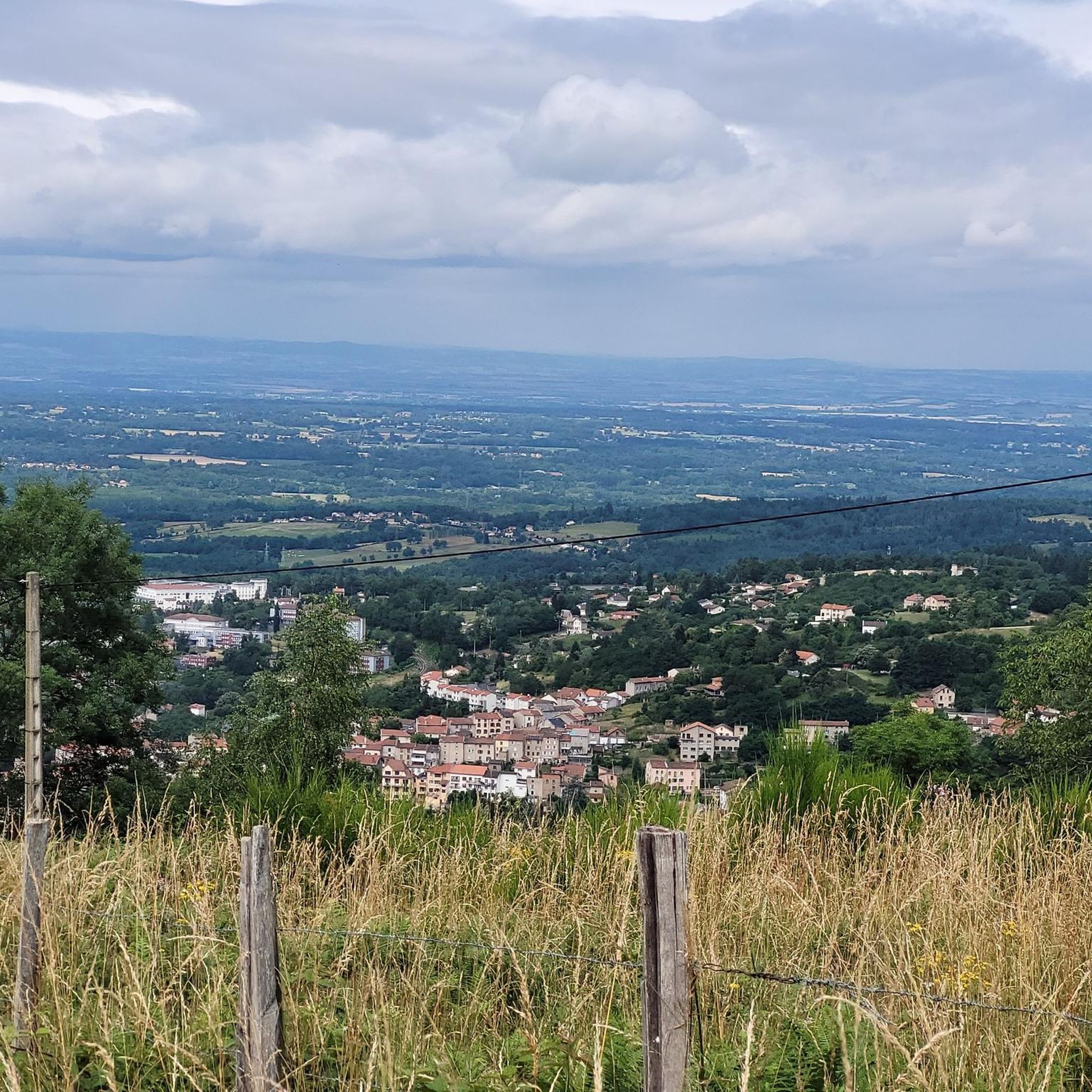
- The most popular attractions is Puy de Montoncel, a summit that is an extinct volcano peaking at 1,287 meters. Its slopes are covered with a majestic forest, and it offers panoramic views of the Auvergne volcanoes.
- Another must-see spot is Saint-Vincent Rock, an imposing volcanic rock that offers views of the surrounding forests and valleys. This natural monument also features the ruins of an ancient castle and a statue of the Virgin and Child.
- Visitors also love Château de Montgilbert, a ruined medieval fortress dating back to the 13th century. It is located on a rocky hill overlooking the Vareille valley and provides panoramic views of the countryside.
- Châteldon is known for its historical sites, natural monuments, and castles. The region offers a variety of attractions to see and explore, from ancient fortresses to volcanic peaks.
- The attractions around Châteldon are appreciated by the komoot community, with more than 30 upvotes and 16 photos shared by visitors.
Last updated: July 2, 2026
Puy de Montoncel
Highlight • Summit
“Its slopes are covered with a majestic thorn forest, with an archaic, sometimes primal beauty. The rare paths that cut through the woods wind along the slopes, in the shade of the green giants. These paths are the veins of the forest. They are the tunnels of abundant oxygen. From meadows to groves, I have the impression of floating on an ocean of nature.
At the top of the puy, I find an empty plateau of trees as if blown by the wind, and covered with thick thatch. A huge iron cross rises in the sky, looks mischievously at the wind turbines which on the neighboring ridges come alive to the sound of the air.
I sit on a large carpet of green grass, real velvet to rest my body from this first and sweaty ascent. I light a pipe and happily observe the volcanoes of Auvergne which stir up the horizon. Their supple and rounded shapes give the impression of observing distant hills. Puy-de-Dôme, Monts Dore, Puy-de-Sancy, I have fun guessing the roofs on which I trudged the previous year. »
Translated by Google •
Tip by

Saint-Vincent Rock
Highlight • Natural Monument
It is a natural curiosity that dates back millions of years, when lava gushed out of a crack. Later, the sea receded and a tectonic movement lifted the lava, creating the impressive rock that stands today.
You can explore the ruins of an ancient castle that once crowned the rock and admire a statue of the Virgin and Child, called “Notre Dame de là-haut”, installed in 2012.
Translated by Google •
Tip by

Sign up now to discover places like this
Get recommendations on the best single tracks, peaks, & plenty of other exciting outdoor places.
Sign up for free
Château de Montgilbert
Highlight • Castle
Translated by Google •
Tip by
Chemin de la Ligue wind turbines
Highlight • Structure
Translated by Google •
Tip by
Rouets Valley
Highlight (Segment) • Historical Site
Also visit the cutlery museum in Thiers (almost 3 hours).
In total a busy day to visit thiers and the valley, super interesting and beautiful
Translated by Google •
Tip by

Sign up for free to discover even more attractions around Châteldon.
Sign up for free
Already have an account?
Start today with a free account
Your next adventure awaits.
Login or Signup

Tips from the Community

A marvel of our beautiful Bourbonnais mountains
0
0

great ride but remember to charge the batteries before leaving.....
0
0

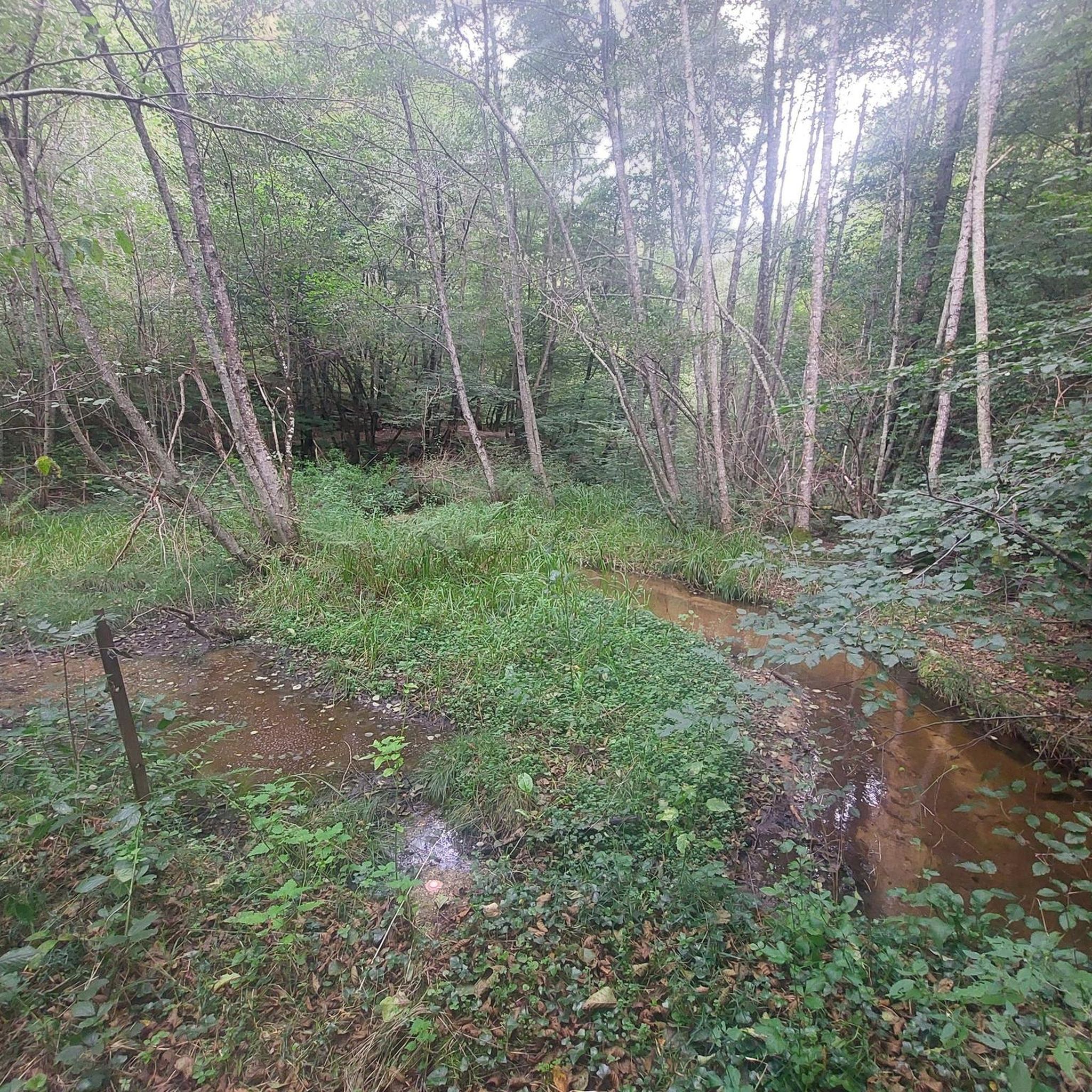
As you walk along the track that runs through the forest towards the Saint-Vincent rock, the trees part for a moment to reveal the wind turbines.
0
0

Saint-Vincent Rock is an imposing volcanic rock that offers breathtaking views of the surrounding forests and valleys. It is a natural wonder that dates back millions of years, when lava erupted from a fissure. Later, the sea receded, and tectonic movement lifted the lava, creating the impressive rock that stands today. You can explore the ruins of an ancient castle that once crowned the rock and admire a statue of the Virgin and Child, called "Our Lady of Up There," installed in 2012.
0
0

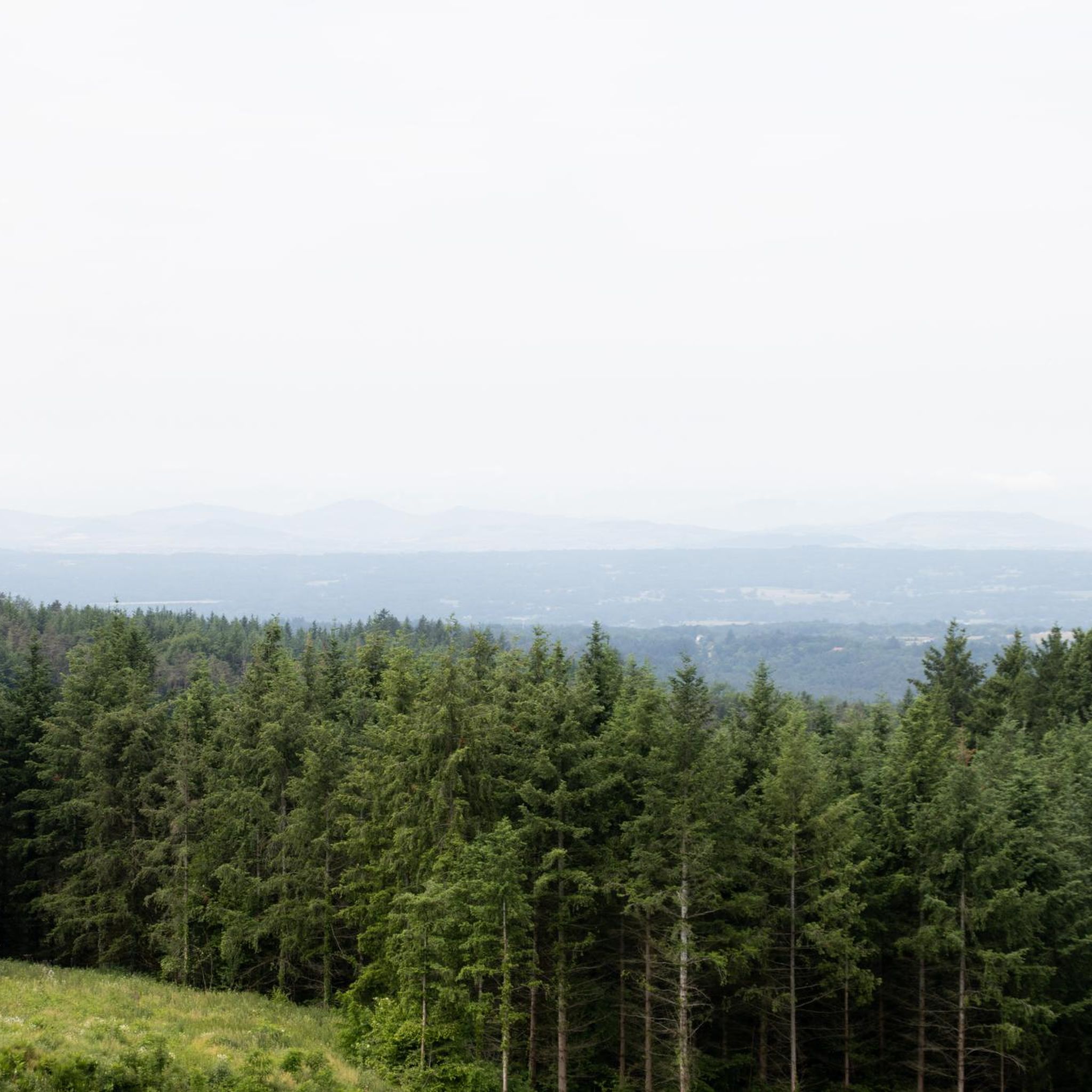
The Puy de Montoncel is an extinct volcano, culminating at an altitude of 1,287 meters. In a notebook, I wrote about it: "Its slopes are covered with a majestic thorn forest, with an archaic, sometimes primal beauty. The rare paths that cut through the woods wind along the slopes, in the shade of the green giants. These paths are the veins of the forest. They are tunnels of abundant oxygen. From meadows to groves, I feel as if I'm floating on an ocean of nature. At the summit of the puy, I find a plateau devoid of trees as if blown by the wind, and topped with a thick thatch. A huge iron cross rises into the sky, looking mischievously at the wind turbines on the neighboring ridges, which come to life with the sound of the air." I sit down on a wide carpet of green grass, a veritable velvet to rest my body after this first, sweaty climb. I light a pipe and cheerfully observe the Auvergne volcanoes that swell the horizon. Their supple, rounded shapes give the impression of observing distant hills. Puy-de-Dôme, Monts Dore, Puy-de-Sancy, I amuse myself by guessing the roofs I was clambering over the previous year.
0
0
Montgilbert Castle is a ruined medieval fortress dating back to the 13th century. Visitors can explore the remains of the two concentric walls, the towers, the chapel, and the seigneurial residence, and imagine the lives of the lords and soldiers who inhabited this strategic site. The castle is located on a rocky hill overlooking the Vareille Valley and offers panoramic views of the surrounding countryside. Montgilbert Castle is open to visitors year-round and admission is free.
0
0

What the runner walking quickly past encounters off the path are the modern heirs of the historic windmills, because centuries ago our ancestors were clever enough to harness the power of the elements for their own purposes. They used the wind captured in the blades to drive the heavy millstones, so that grain could be ground into flour, for example. While in the past, attention was paid to the architecture of each individual mill, this modern and unaesthetic variant - which is used to generate electricity - has simply been built en masse in the landscape. These wind farms, which are designed for efficiency, are not without controversy, because on the one hand, no consideration is given to the landscape when they are built, and above all, the slender blades become a death trap for birds.
1
0
At the crest of Chemin de la Ligue, the tops of the trees are not the only ones nourished by the wind. Here, you walk at the foot of the wind turbines. Immense, they impress as much by their size as by the monotonous sound they emit.
0
0
Frequently Asked Questions
What historical sites can I explore in and around Châteldon?
Châteldon is rich in history. You can admire the exterior of the 12th-century Château de Châteldon, visit the 15th-century Église Saint-Sulpice, and see the 14th-century Belfry. The village also features charming old houses, including 17th-century "maisons de vignerons." Further afield, explore the ruins of the 13th-century Château de Montgilbert, which offers panoramic views, and the ancient castle ruins on Saint-Vincent Rock.
Where can I find the best panoramic views in the Châteldon area?
For breathtaking views, head to Puy de Montoncel, an extinct volcano offering panoramic vistas of the Auvergne volcanoes. Saint-Vincent Rock also provides stunning views of surrounding forests and valleys. Additionally, the ruined Château de Montgilbert, perched on a rocky hill, offers expansive countryside views. You can also experience a unique perspective from the Chemin de la Ligue wind turbines.
What natural features are unique to the Châteldon region?
Châteldon is nestled within the Livradois-Forez Regional Natural Park, offering diverse landscapes. Key natural features include Puy de Montoncel, an extinct volcano covered in majestic forests, and Saint-Vincent Rock, an imposing volcanic formation millions of years old. The area's volcanic origins contribute to its unique topography and mineral water.
What outdoor activities can I do near Châteldon?
The region around Châteldon is ideal for various outdoor activities. You can explore numerous cycling routes, including road cycling, mountain biking, and gravel biking. For detailed routes and difficulties, check the Road Cycling Routes around Châteldon, MTB Trails around Châteldon, and Gravel biking around Châteldon guides. The village also offers designated walking circuits to explore its history and natural surroundings.
Are there family-friendly attractions or activities in Châteldon?
Yes, Châteldon and its surroundings offer family-friendly options. Exploring the medieval village with its historical sites like the Belfry and old houses can be an engaging activity. The Rouets Valley provides a beautiful natural setting for walks and learning about the area's industrial past. Many of the walking and cycling routes in the Livradois-Forez Regional Natural Park are suitable for families, depending on the chosen difficulty.
Can I bring my dog to attractions around Châteldon?
Yes, some attractions are dog-friendly. For instance, the Rouets Valley is noted as dog-friendly, though dogs should be kept on a leash. When visiting natural areas or trails, it's generally advisable to keep dogs leashed and check local regulations for specific sites.
What is the best time of year to visit Châteldon for outdoor activities?
The best time to visit Châteldon for outdoor activities is typically during the spring (April to June) and autumn (September to October) when the weather is mild and pleasant for hiking, cycling, and exploring. Summer (July and August) is also popular, though it can be warmer, especially for strenuous activities. Winter offers a different charm, but some trails might be less accessible.
What is the significance of Châteldon mineral water?
Châteldon is famous for its naturally carbonated mineral water, which holds historical importance as the first mineral water exploited in France. King Louis XIV reportedly had this water transported to Versailles for its diuretic and digestive properties. Its limited production makes it a rare and prized water.
Are there specific walking circuits to explore the village of Châteldon?
Yes, the village of Châteldon encourages visitors to explore its rich history through designated walking circuits. These routes wind through the lanes around the Château de Châteldon, allowing you to discover remnants of centuries of construction and learn about the evolution of the inhabitants' lives.
What do visitors enjoy most about the attractions around Châteldon?
Visitors particularly enjoy the stunning panoramic views from sites like Puy de Montoncel and Saint-Vincent Rock, often describing the forests as majestic and the natural beauty as primal. The historical significance of places like Château de Montgilbert and the unique experience of being close to the Chemin de la Ligue wind turbines are also highly appreciated.
Where can I go mountain biking near Châteldon?
The area offers several challenging mountain biking trails. Notable routes include "Circuit n°55, Le Puy Snidre" and the "Lime kiln country" trail, both offering difficult terrain. For more options and details, refer to the MTB Trails around Châteldon guide.
Are there any easy walks or beginner hikes around Châteldon?
While some routes are challenging, the village itself offers designated walking circuits that are generally easy to navigate and perfect for exploring its historical charm. For cycling, there are also easy gravel biking routes like "The Pavillon des Célestins – View of Vichy loop" and "Church in Hauterive loop." You can find more details in the Gravel biking around Châteldon guide.
Most popular routes around Châteldon
Most popular attractions around Châteldon

Get inspired with the komoot mobile app


Explore more
Still not found the Highlight you’re looking for? See guides of the top attractions in other regions:
