The best cycling routes around Saint-André-Le-Désert
4.6
(146)
1,022
riders
88
rides
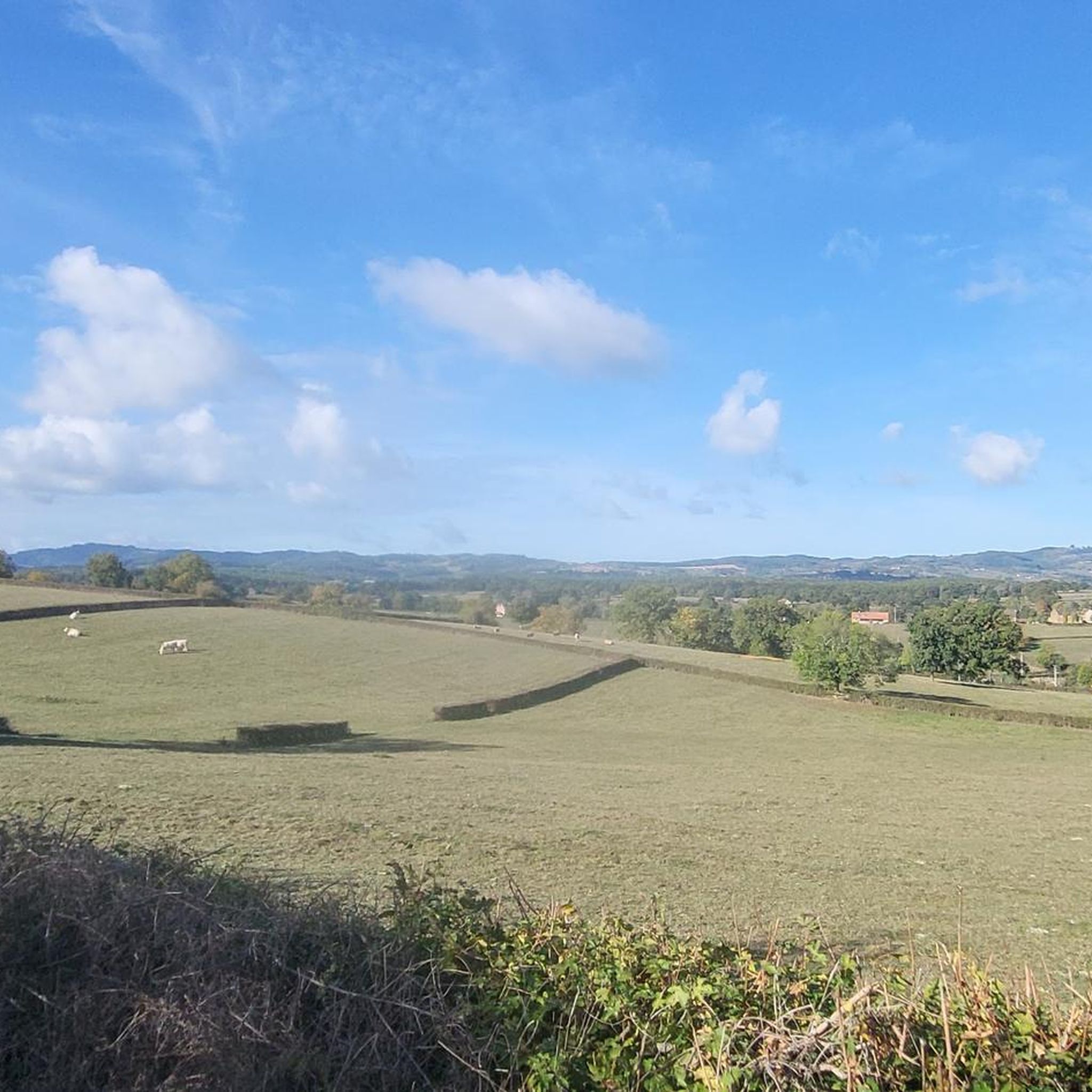
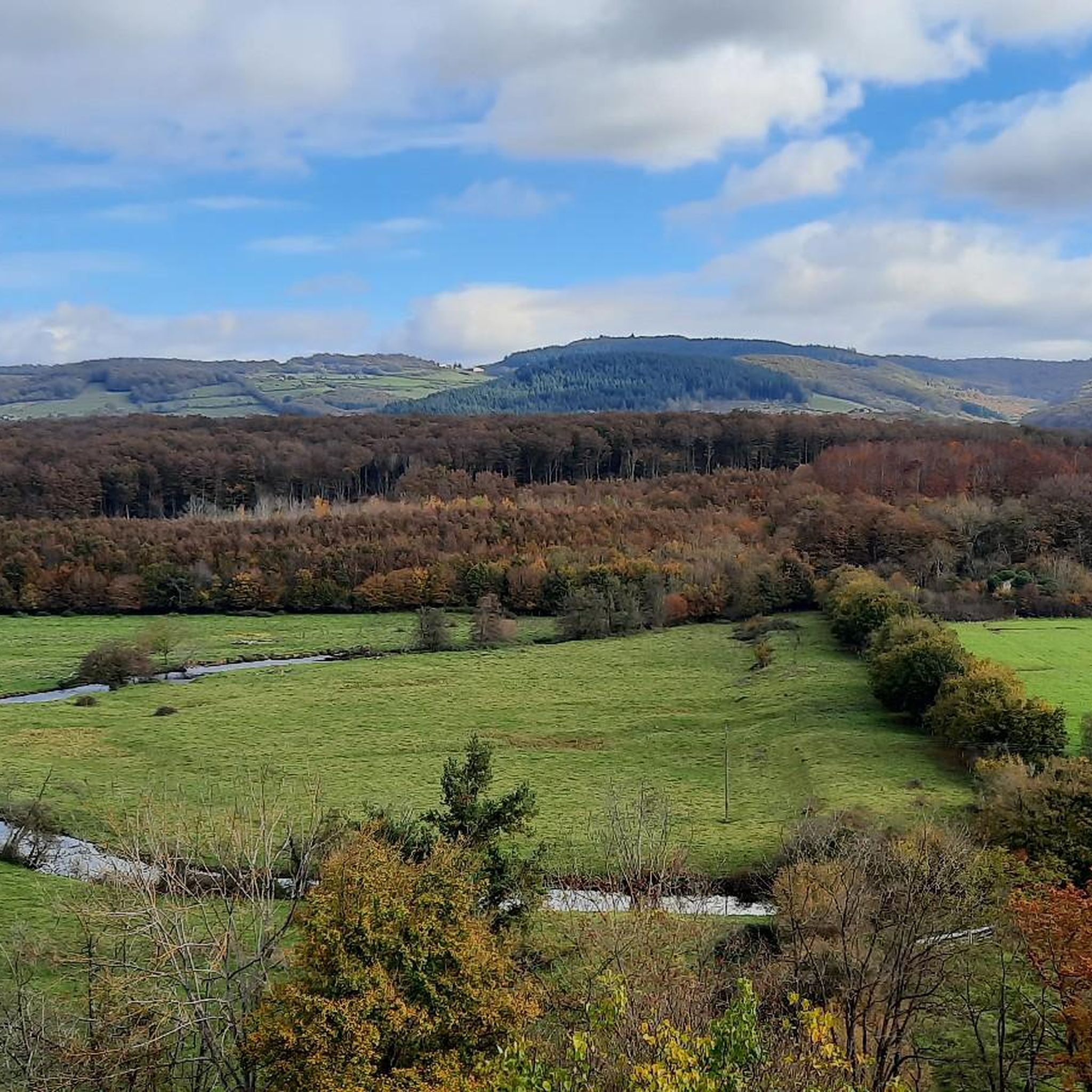
Touring cycling around Saint-André-Le-Désert features routes through the rolling landscapes of Southern Burgundy. The region is characterized by greenways, agricultural fields, and historical sites such as abbeys and castles. These routes often follow dedicated paths, offering a mix of open countryside and charming village passages.
Best touring cycling routes around Saint-André-Le-Désert
- The most popular touring cycling route is Greenway of Southern Burgundy – Voie verte of Southern Burgundy loop from La Vineuse sur Fregande, a 40.5 miles (65.2 km)…
Last updated: July 4, 2026
4.7
(3)
6
riders
Hard bike ride. Very good fitness required. Mostly paved surfaces. Suitable for all skill levels.
5
riders
47.2km
03:10
740m
740m
Hard bike ride. Very good fitness required. Mostly paved surfaces. Suitable for all skill levels.

Sign up for free
5.0
(1)
4
riders
35.3km
02:12
350m
350m
Moderate bike ride. Good fitness required. Mostly paved surfaces. Suitable for all skill levels.
2
riders
25.6km
01:33
210m
210m
Moderate bike ride. Good fitness required. Mostly paved surfaces. Suitable for all skill levels.
5.0
(1)
3
riders
15.2km
00:59
190m
190m
Moderate bike ride. Good fitness required. Mostly paved surfaces. Suitable for all skill levels.
Get access to more routes and recommendations from other explorers.
Sign up for free
Already have an account?
Our route recommendations are based on thousands of hikes, rides, and runs completed by other people on komoot.
Start today with a free account
Your next adventure awaits.
Login or Signup

Tips from the Community

Magnificent ride mostly in the shade on level, smooth ground.
1
0
The Tour des Fromages is a preserved defensive tower from the 11th century, which originally belonged to the ramparts of the powerful Abbey of Cluny. In the Middle Ages, the structure was still called Tour des Fèves (Bean Tower), as supplies were stored there. It got its current, curious name in the 19th century because a merchant used the tower to dry her homemade cheeses. Today, the tower is a popular attraction. Visitors can climb the 120 steps to the top. From up there, you have a beautiful 360-degree panoramic view over the entire medieval monastic city and the surrounding Burgundy landscape. Access to the tower is directly through the local Cluny tourist office.
1
0
A route through a green corridor, that brings joy.
1
0
The Château de Cormatin is a magnificent moated castle from the early 17th century. The castle was built between 1606 and 1625 by the Marquises d'Huxelles. It houses the best-preserved state rooms from the Louis XIII era in all of France. Famous are the "Gilded Rooms" (Salles Dorées) with lavish paintings, sculptures, and gilded ceilings. The extensive grounds, covering around 12 hectares, are among the most beautiful gardens in France. Highlights in the outdoor area include a large boxwood labyrinth, an open-air Baroque theatre, water features, and a historic vegetable garden. This spot only offers a brief glimpse of the rear grounds.
2
0
The church of Saint-Valentin de Jalogny is a historic Roman Catholic church in the municipality of Jalogny in the Saône-et-Loire department. Built in the Romanesque style, the structure was erected in the 12th century. It replaced an earlier place of worship from 969, which had been built by the famous monks of the nearby Cluny Abbey. The striking, four-story bell tower with a pyramidal tent roof was built directly next to the choir. The lower part is preserved in its original state, while the upper floor was raised in the 19th century.
0
0
Founded in 910, the Benedictine abbey developed into the starting point of the Cluniac reform movement. In the High Middle Ages, it was one of the most influential religious and political centers in Western Europe. At its peak, the Cluny congregation comprised around 1,200 monasteries with over 20,000 monks across the continent. Cluny was independent of secular rulers and local bishops. It was directly subordinate to the Pope in Rome.
1
0
The famous French National Stud Haras National de Cluny in Burgundy was established by decree under Napoleon I in 1806 to secure the army's need for cavalry horses. It thus looks back on over 200 years of equestrian history. It is located in the immediate vicinity and at the foot of the historic Abbey of Cluny. The first breeding stallions were housed in the former stables of the abbey from 1807 onwards. Today, the facility belongs to the Équivallée organization. It serves to promote equestrian sports, hosts riding tournaments and shows, and is a renowned training center (including for animal osteopathy).
1
0
Le Papyllon is a cozy bar and café in Ameugny in the Saône-et-Loire department. A cozy place primarily known as a "Tea Time & Cosy Beer Bar" with an inviting outdoor area/terrace. Travelers appreciate the large selection of beers and the relaxed atmosphere in the green surroundings.
1
0
Frequently Asked Questions
How many touring cycling routes are available around Saint-André-Le-Désert?
There are over 80 touring cycling routes in the Saint-André-Le-Désert area, offering a wide range of options for different skill levels. You'll find 8 easy, 38 moderate, and 37 difficult routes to explore.
What kind of terrain can I expect on touring cycling routes in Saint-André-Le-Désert?
The region around Saint-André-Le-Désert is characterized by rolling landscapes, greenways, and agricultural fields. Routes often follow dedicated paths, providing a mix of open countryside and charming village passages through Southern Burgundy.
Are there any easy or beginner-friendly touring cycling routes?
Yes, there are 8 easy touring cycling routes suitable for beginners. These routes typically feature gentler gradients and shorter distances, perfect for a relaxed ride through the scenic countryside.
What are some of the longer touring cycling routes in the area?
For those seeking a longer challenge, the Greenway of Southern Burgundy – Voie verte of Southern Burgundy loop from La Vineuse sur Fregande is a difficult 40.5-mile (65.2 km) route. Another substantial option is the Cluny Abbey – Notre-Dame Church loop from Salornay-sur-Guye, which covers 29.3 miles (47.2 km).
Are there any circular touring cycling routes around Saint-André-Le-Désert?
Many routes in the area are designed as loops, allowing you to start and finish at the same point. Examples include the Greenway of Southern Burgundy – Voie verte of Southern Burgundy loop from La Vineuse sur Fregande and the Cormatin Castle – Cormatin Castle loop from Salornay-sur-Guye.
What historical landmarks can I see along the touring cycling routes?
The region is rich in historical sites. You can cycle past landmarks such as Cormatin Castle, the Sainte-Marie-Madeleine Church, and the Church of the Assumption of Ameugny. The Cluny Abbey – Notre-Dame Church loop from Salornay-sur-Guye specifically offers views of historical landmarks.
What do other touring cyclists enjoy most about cycling in Saint-André-Le-Désert?
The area is highly rated by the komoot community, with an average score of 4.7 stars from over 100 reviews. Touring cyclists often praise the well-maintained greenways, the picturesque rolling hills, and the opportunity to discover historical architecture along the routes.
Are there any routes that pass by lakes or ponds?
Yes, for a route that includes water features, consider the Étang Dusupoy loop from Donzy-le-National. This moderate 8.8-mile (14.2 km) route offers pleasant views around the pond.
What is the best time of year for touring cycling in this region?
Southern Burgundy, with its mild climate, is generally pleasant for touring cycling from spring through autumn. Summer offers warm weather perfect for exploring the open countryside, while spring and autumn provide cooler temperatures and beautiful seasonal colors.
Are there any moderate routes that are good for a half-day ride?
Absolutely. The Sainte-Marie-Madeleine Church – Cormatin Castle loop from Le Gros Chigy is a moderate 21.9-mile (35.3 km) trail that typically takes around 2 hours 11 minutes to complete, making it ideal for a half-day excursion.
Can I find routes that are less crowded or considered 'hidden gems'?
While the main greenways are popular, exploring some of the moderate or difficult routes that venture further into the rural terrain can offer a more secluded experience. Routes like the Étang Dusupoy loop from Donzy-le-National might offer a quieter ride away from the more frequented paths.
Most popular routes around Saint-André-Le-Désert
Most popular attractions around Saint-André-Le-Désert

Get inspired with the komoot mobile app


Explore more
Browse the best Cycling routes in other regions.
