Attractions and Places To See around Inchy-En-Artois - Top 20
Best attractions and places to see around Inchy-En-Artois include a variety of historical landmarks and natural features. This small commune in the Pas-de-Calais department of France offers local points of interest and serves as a base for exploring the wider Hauts-de-France region. The area features megalithic sites, war memorials, and regional nature reserves. Visitors can explore both cultural heritage and natural landscapes within and near Inchy-En-Artois.
Best attractions and places to see around Inchy-En-Artois
- The most popular attractions is The…
Last updated: May 9, 2026
The Menhir of Lécluse or the Devil's Stone
Highlight • Summit
Translated by Google •
Tip by

The Big Rock
Highlight • Historical Site
Be careful, the place is very swampy and it is more easily accessible in dry weather 😉.
Translated by Google •
Tip by

Sign up now to discover places like this
Get recommendations on the best single tracks, peaks, & plenty of other exciting outdoor places.
Sign up for free
Etangs communaux d'Arleux
Highlight • Other
Translated by Google •
Tip by

Menhir Statue of Bouteroue de Palluel
Highlight • Monument
Translated by Google •
Tip by
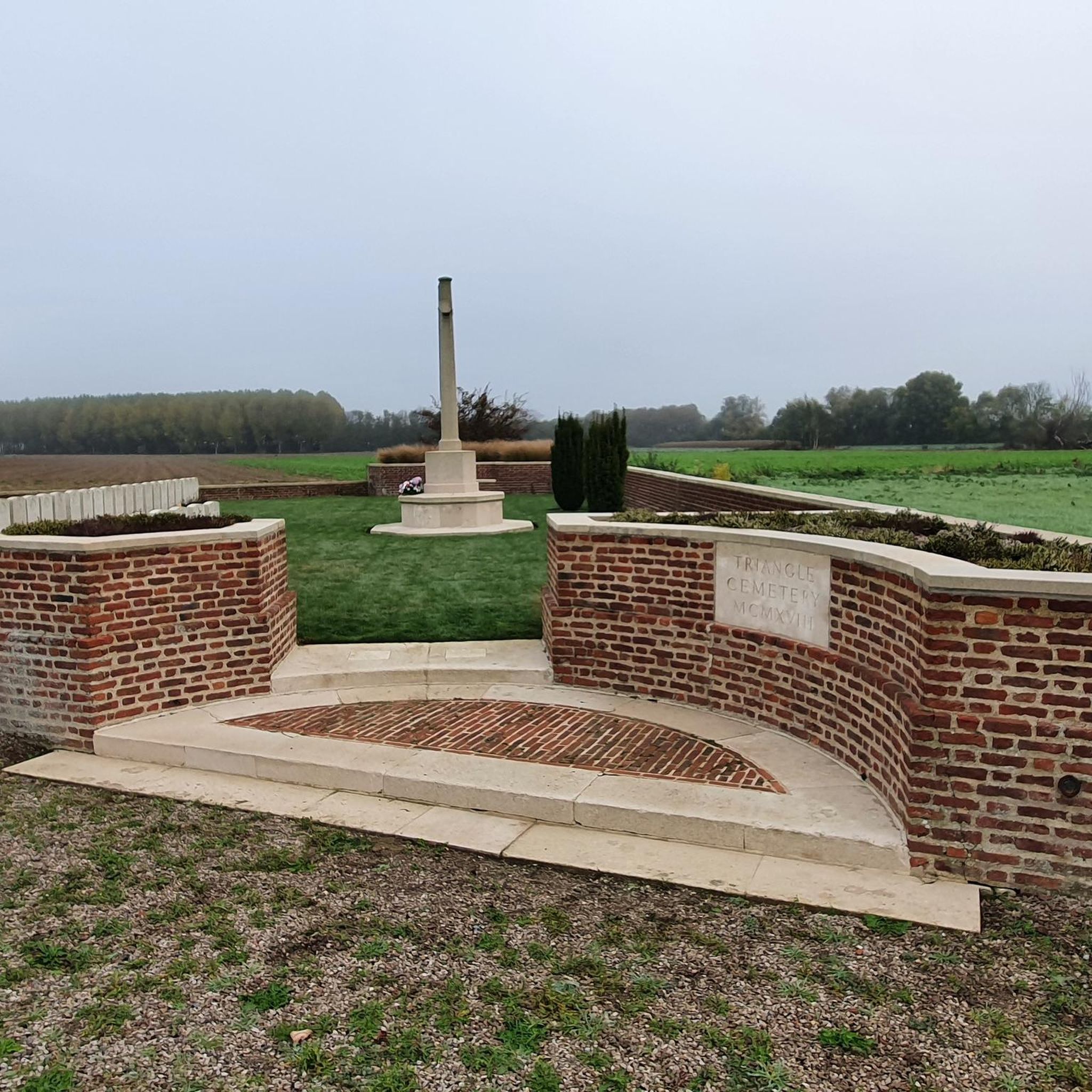
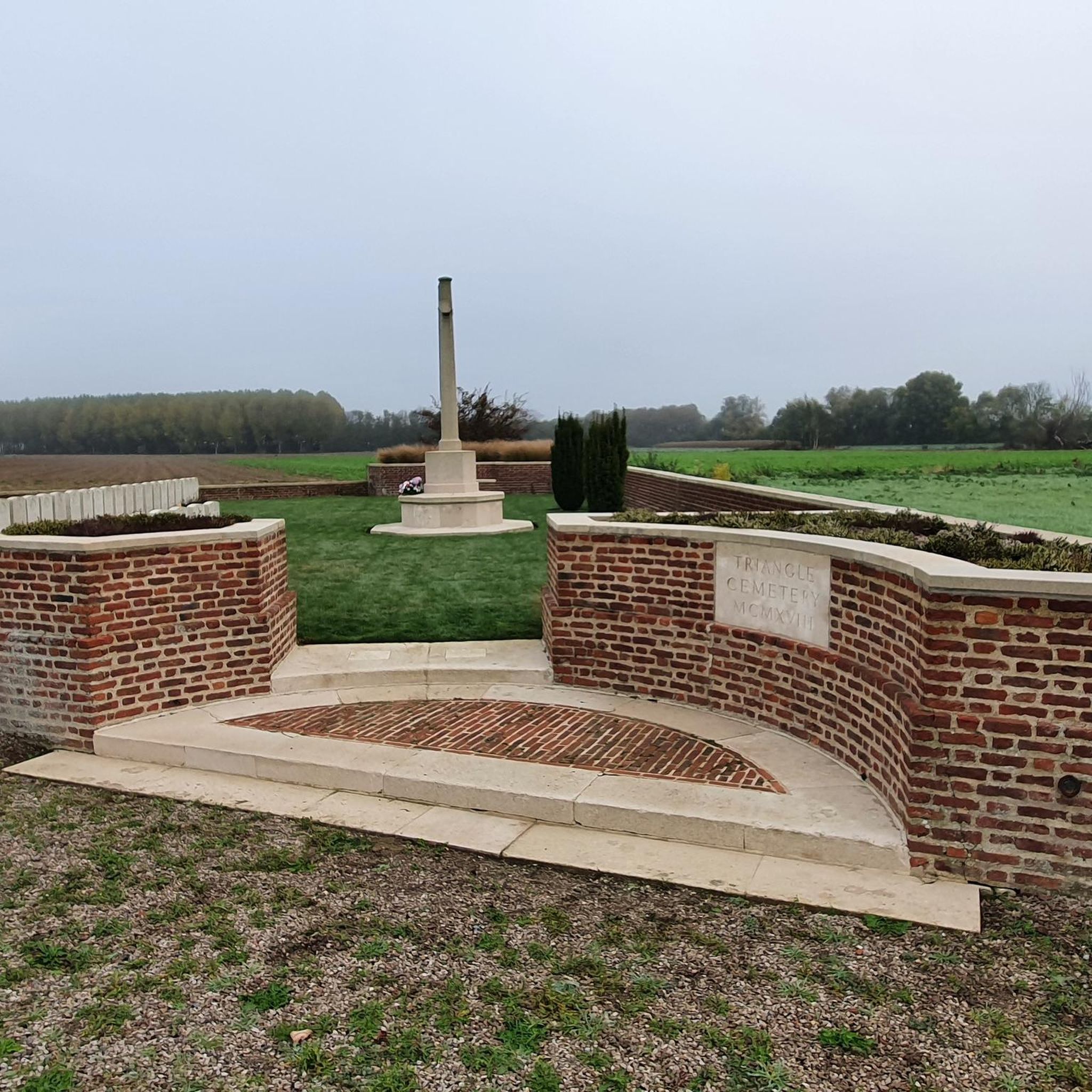
Sains-les-Marquion British Cemetery
Highlight • Other
Translated by Google •
Tip by

Sign up for free to discover even more attractions around Inchy-En-Artois.
Sign up for free
Already have an account?
Start today with a free account
Your next adventure awaits.
Login or Signup



Tips from the Community

They are part of the unknown treasures of Arras and the Pays d'Artois. The various megalithic sites are good for a beautiful walk, among mysteries and legends, history and extraordinary landscapes. Set sail for the Scarpe valley and the Sensée valley, in the wake of the megaliths of the Pays d'Artois.
2
0

The British cemetery of Sains-les-Marquion contains the graves of 255 soldiers who died during the First World War, mainly Canadians who liberated the village from German occupation in September 1918. You can admire the architecture of the cemetery, designed by W C Von Berg, and pay tribute to fallen heroes.
3
0

The image is really small. We had to search after driving past it for the first time.
6
0
Small statue of Menhir Bouteroue by Palluel near the roundabout. The Sensée valley is known for its mysterious menhirs and dolmens: stones from Lécluse or Aubigny-au-Bac, large boulder from Oisy-le-Verger, ... Most monoliths testify to a primitive religion. Now legends are resurfacing, tongues are wagging and myths still have bright days ahead.
6
0
Arleux is a commune in the north of France, between Douai and Cambrai, in the heart of the Sensée valley. It is a green oasis and a true haven of peace with vast ponds, swamps as far as the eye can see, rivers and canals that delight nature lovers with their exceptional biodiversity. The municipal pond of Arleux is a popular place for fishermen, where pontoons have been installed for people with reduced mobility. There are many white fish such as roach, bream, tench, carp, eel, eel and goby, but also predatory fish such as pike, pike-perch and perch.
3
0

The story goes that once the people of the country showed the scratches produced, according to legend, by the claws of the demon when he seized the stone. Streaks do indeed appear on two sides of the menhir… But are they the same as before or do they come from the destruction of the stone in 1918
2
0

Menhir to discover. A descriptive panel is present at the parking lot of the site. Access is by a grassy path, not dented, practicable.
1
0
Commonwealth Military Cemetery: https://www.cwgc.org/visit-us/find-cemeteries-memorials/cemetery-details/2102502/sains-les-marquion-british-cemetery/
0
0
Frequently Asked Questions
What historical sites can I explore around Inchy-en-Artois?
The region is rich in history. You can visit ancient megalithic sites such as The Menhir of Lécluse or the Devil's Stone, a classified historical monument with intriguing legends, or Menhir Statue of Bouteroue de Palluel. Additionally, the Sains-les-Marquion British Cemetery commemorates soldiers from World War I. Further afield, explore the UNESCO-listed Belfries in nearby Cambrai, Douai, and Arras, or the historic towns of Arras and Cambrai themselves.
Are there any natural attractions or reserves near Inchy-en-Artois?
Yes, nature lovers will find several spots to enjoy. The Etangs communaux d'Arleux offer a green oasis with vast ponds and swamps, known for its biodiversity and fishing. You can also explore regional nature reserves like the Réserve naturelle régionale du Marais de Wagnonville, Réserve naturelle régionale de la Tourbière de Vred, or the Réserve naturelle régionale du Pré des Nonnettes, all within a short drive.
What kind of outdoor activities can I do near these attractions?
The area around Inchy-en-Artois is excellent for cycling and gravel biking. You can find numerous routes, such as the 'Cantaing-sur-Escaut Lock – Folly Park loop' for gravel biking or the 'Côte d'Oisy-le-Verger – The Marshes - Lécluse Pond loop' for road cycling. For more options, explore the dedicated guides for gravel biking, general cycling, and road cycling around Inchy-en-Artois.
Are there family-friendly attractions in the Inchy-en-Artois area?
Many of the historical and natural sites can be enjoyed by families. The megalithic sites like The Menhir of Lécluse or the Devil's Stone and Menhir Statue of Bouteroue de Palluel offer a chance to explore history and local legends. The Etangs communaux d'Arleux are also suitable for families, offering a peaceful setting for walks and nature observation.
What are some unique or 'hidden gem' attractions to discover?
Beyond the well-known sites, consider visiting The Big Rock (Menhir of Oisy-le-Verger), a particularly impressive megalith planted in marshy terrain, offering a sense of mystery and ancient history. The various regional nature reserves also provide tranquil escapes off the beaten path.
What do visitors enjoy most about the attractions around Inchy-en-Artois?
Visitors appreciate the blend of historical intrigue and natural beauty. The megalithic sites, like The Menhir of Lécluse, are often highlighted for their legends and the unique experience of walking among ancient stones. The peaceful atmosphere and biodiversity of places like Etangs communaux d'Arleux are also frequently praised.
Are there any war memorials or sites related to conflict history?
Yes, the region holds significant sites related to past conflicts. The Sains-les-Marquion British Cemetery is a poignant reminder of World War I, where 255 soldiers, primarily Canadians, are laid to rest. In Inchy-en-Artois itself, you can find a local war memorial. Further away, Péronne hosts an impressive museum commemorating life during the war, and Orival Wood Cemetery is another significant cultural site.
What are the best options for walking or hiking near Inchy-en-Artois?
The area offers various trails for outdoor enthusiasts. While specific hiking routes are not detailed in the guide data, the region research mentions a challenging 18 km loop hike around Boursies and other longer routes. The megalithic sites also provide opportunities for walks amidst historical and natural landscapes. For cycling, numerous routes are available, which can often be adapted for walking.
Is there public transport access to attractions around Inchy-en-Artois?
Inchy-en-Artois is a small commune, and while local points of interest like L'église Saint Martin and Le monument aux morts are accessible within the village, many of the wider regional attractions and natural reserves are best reached by car. Public transport options to specific rural highlights may be limited, so planning your journey in advance is recommended.
Are there any attractions suitable for visitors with reduced mobility?
At Etangs communaux d'Arleux, pontoons have been installed specifically for people with reduced mobility, making it a more accessible option for enjoying nature and fishing. For other sites, it's advisable to check specific accessibility details beforehand, as many historical or natural sites may have varied terrain.
What is the best time of year to visit Inchy-en-Artois and its surrounding attractions?
The spring and summer months (April to September) generally offer the most pleasant weather for exploring the outdoor attractions, nature reserves, and cycling routes. During these seasons, the natural landscapes are vibrant, and conditions are ideal for walking and outdoor activities. However, historical sites and museums are accessible year-round.
Can I find any ancient megalithic sites in the area?
Yes, the Pays d'Artois region is known for its megalithic heritage. You can visit The Menhir of Lécluse or the Devil's Stone, which is classified as a historical monument, and the Menhir Statue of Bouteroue de Palluel. Another notable site is The Big Rock (Menhir of Oisy-le-Verger), which stands impressively in a marshy landscape.
Most popular routes around Inchy-En-Artois

Get inspired with the komoot mobile app


Explore more
Still not found the Highlight you’re looking for? See guides of the top attractions in other regions:
