Top 10 Castles around Bouxwiller
Best castles around Bouxwiller offers a journey into the rich historical heritage of this Alsatian town. While the original Château de Bouxwiller was largely destroyed, its former site, the Place du Château, remains a significant historical area. The town served as an administrative center for the Hanau-Lichtenberg county, with several seigneurial buildings still standing. Bouxwiller's historical circuit guides visitors through its well-preserved architecture, including half-timbered houses and the 14th-century Saint-Georges castle chapel.
Best castles around Bouxwiller
- The most popular castles…
Last updated: July 6, 2026
Rohan Castle
Highlight • Castle
Translated by Google •
Tip by

Château des Rohan de Saverne
Highlight • Castle
Translated by Google •
Tip by

Sign up now to discover places like this
Get recommendations on the best single tracks, peaks, & plenty of other exciting outdoor places.
Sign up for free
Greifenstein Castle
Highlight • Castle
The complex consists of two castles, each …
Translated by Google •
Tip by

Lichtenberg Castle
Highlight • Castle
Translated by Google •
Tip by

Warthenberg Castle
Highlight • Castle
Translated by Google •
Tip by

Sign up for free to discover even more castles around Bouxwiller.
Sign up for free
Already have an account?
Start today with a free account
Your next adventure awaits.
Login or Signup
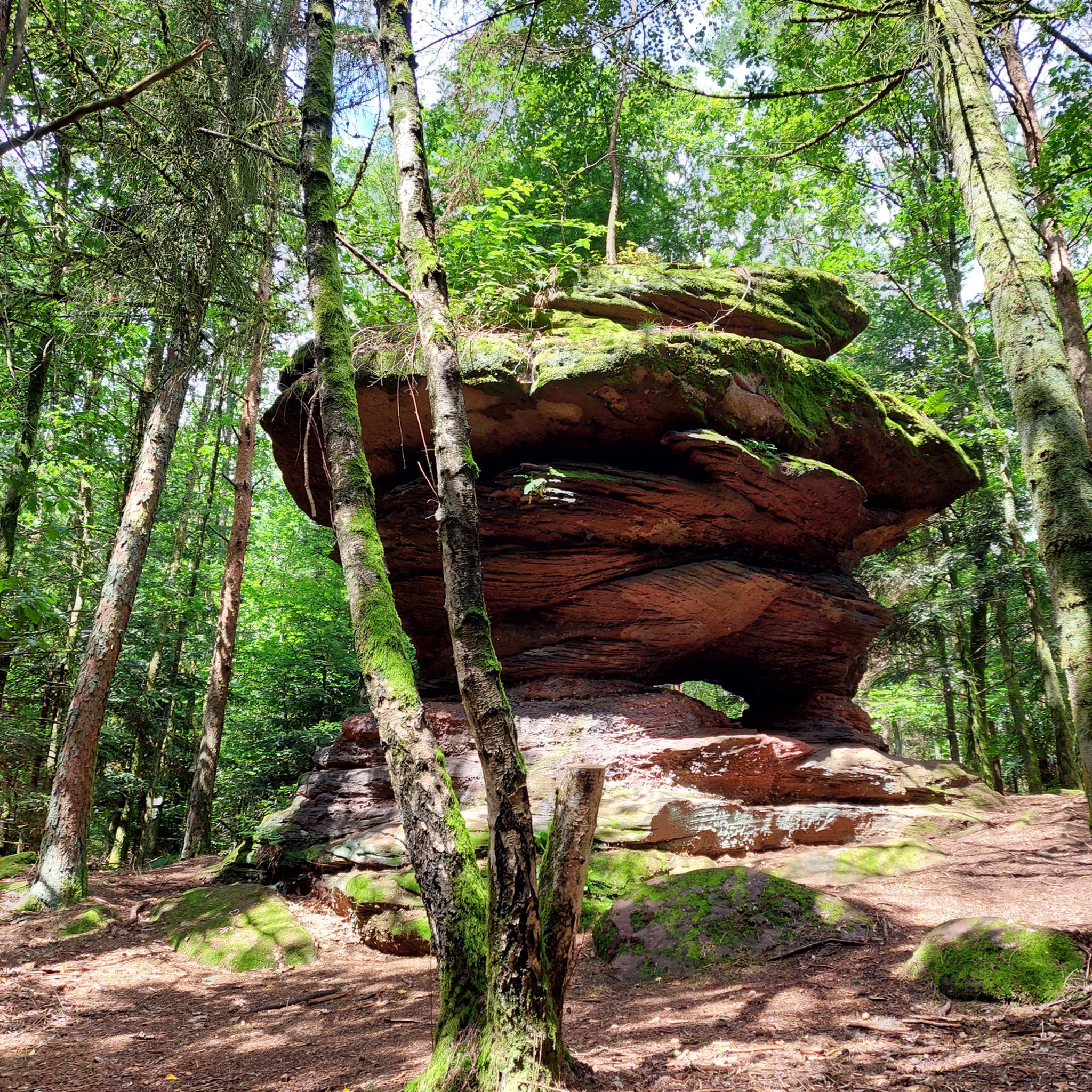
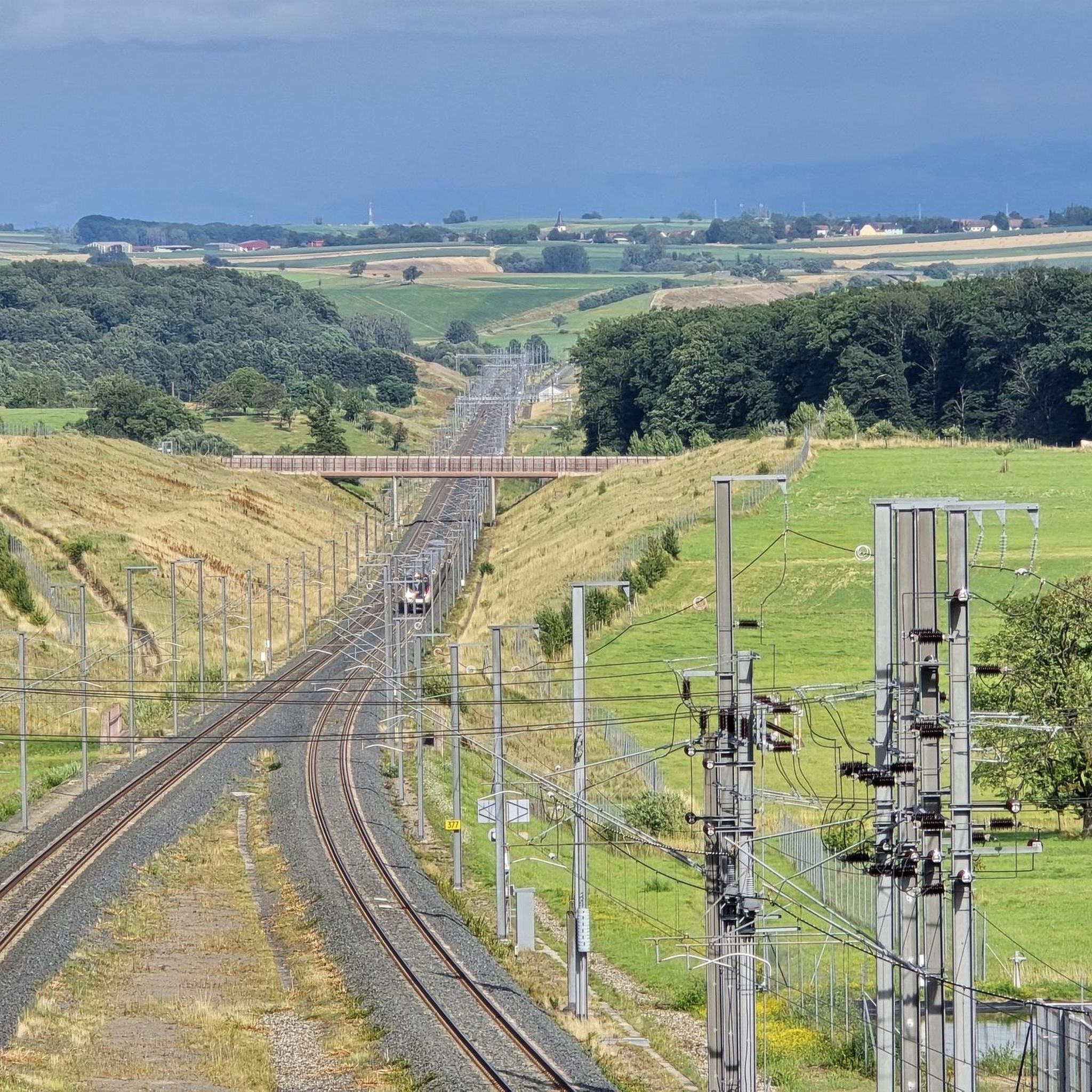
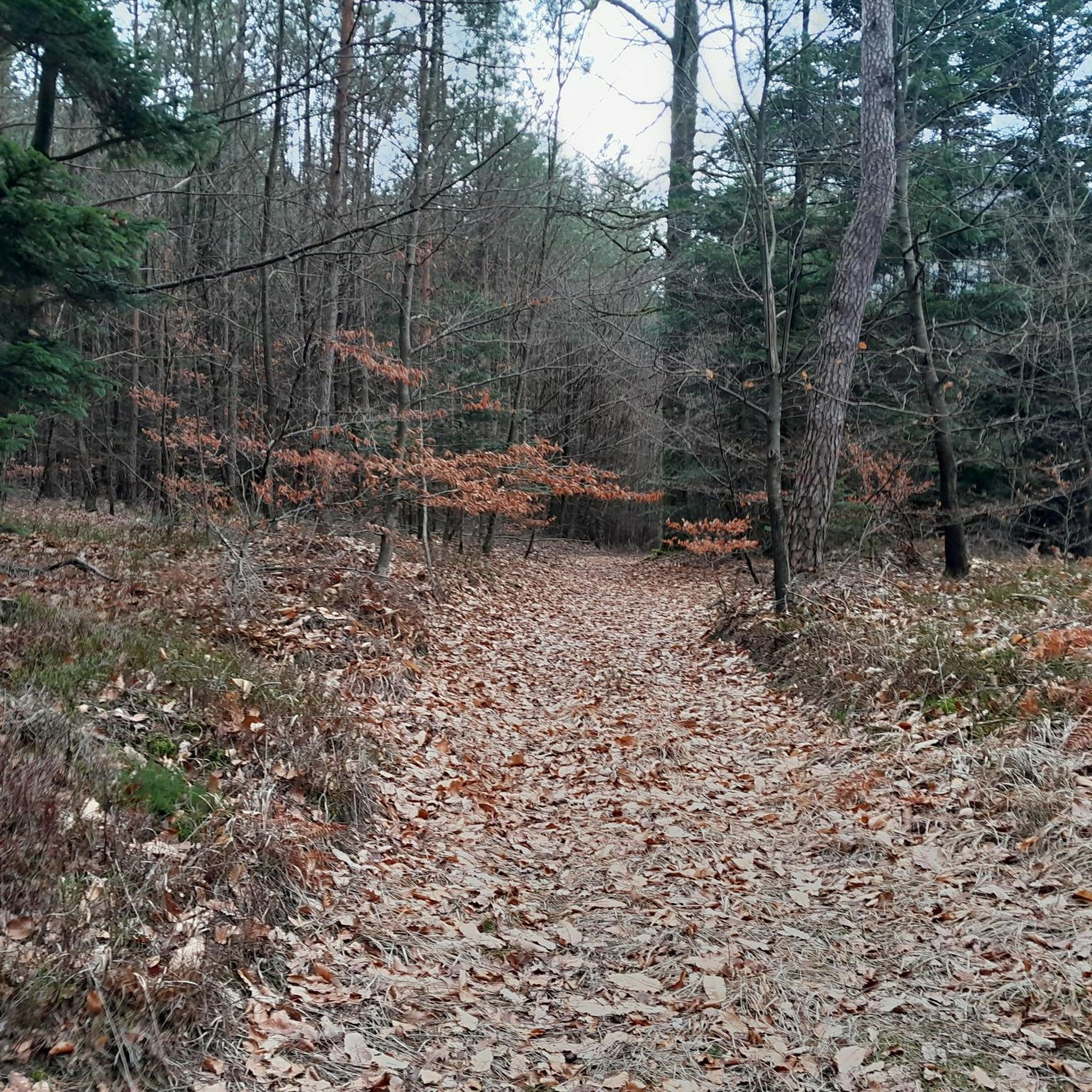
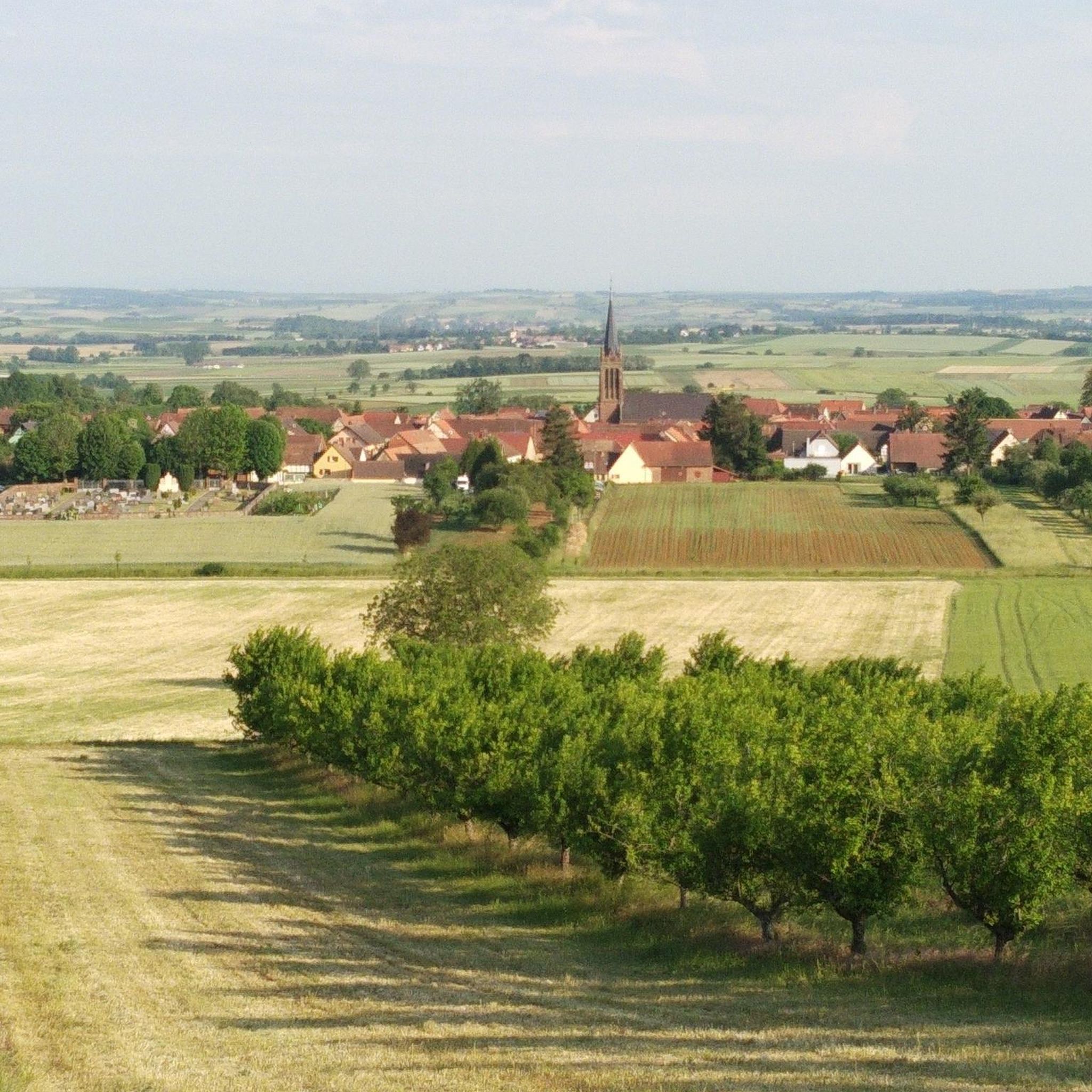

Tips from the Community

The Château des Rohan, formerly called "The Little Alsatian Versailles," is located in the city center of Saverne on the Rhine-Marne Canal. This former bishop's castle, built in the 13th century and restored in the 19th century on the initiative of Napoleon III, now houses a museum, a cultural center, a youth hostel, and a school. The neoclassical façade (park side), made of pink sandstone, is 140 meters long, which is the same horizontal height as Strasbourg Cathedral. The Château des Rohan Museum presents extensive Gallo-Roman and medieval archaeological collections. It consists of three departments: Art and History, Louise Weiss, and Archaeology. The Art and History department encompasses many areas: paintings, prints, and 15th- and 16th-century polychrome wood carvings from the churches of Saverne and the region, as well as a room dedicated to the history of the castle. Louise Weiss Department To honor her Alsatian ties (her family originally came from Petite-Pierre near Saverne), journalist Louise Weiss (1893-1983) donated her collections (ethnographic objects, paintings, drawings, 19th- and 20th-century decorative arts, and personal archives) to the Saverne Museum in 1981 and 1983. Archaeological Department In the vaulted cellars of the castle, the museum houses a rich archaeological collection, including numerous Gallo-Roman funerary and votive steles. Tours of the museum and access to the castle roof are available (upon request). Admission (museum + roof access): €5 (adults) and €4 (students)
0
0

A large neoclassical palace from the late 18th century, especially in relation to the relatively small town. Located at the lower end of the old town, it has a large park at the rear, facing the Rhine-Marne Canal. The palace now belongs to the city and houses two museums, a primary school, a youth hostel, and several theaters and event venues. The varied history of its use is interesting; details can be found online: https://de.m.wikipedia.org/wiki/Rohan-Schloss
5
0

The castle complex is located on a spur on the Daubenschlag rock (French: Rocher du Daubenschlag). All that is visible here are the foundations of a large castle. Behind the clearly visible moat there is a strong shield wall, against which a large square keep (base area 11 × 11 meters) leans in the middle. In the middle of the castle complex there are still remains of a palace.
2
0

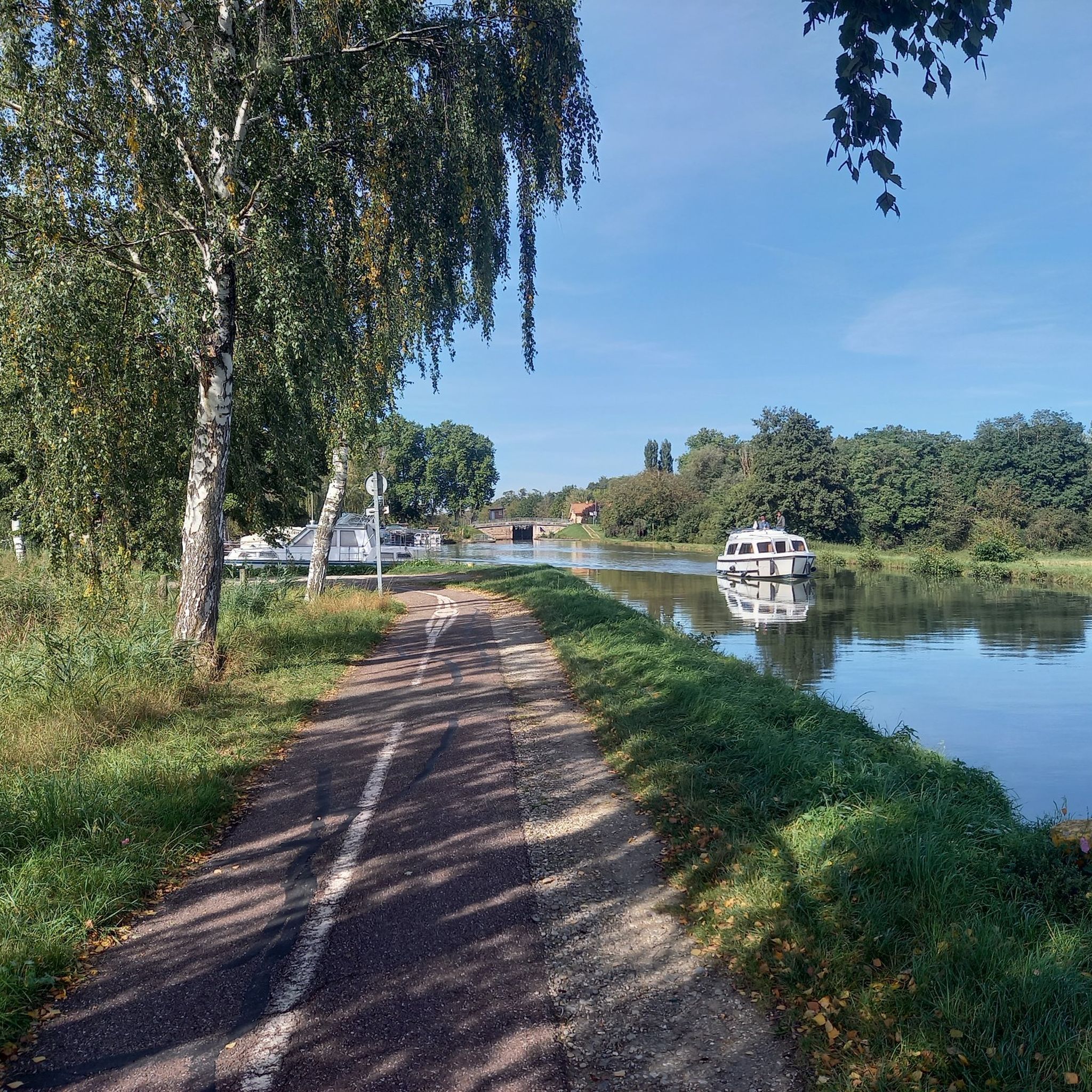
Impressive building in Saverne - not far from the cycle path.
2
0

Saverne is a beautiful town - the Château des Rohan is impressive. I love the red sandstone.
0
0

Pretty big for the area. But you can cycle well along the canal
1
1

today a school or boarding school or something similar.
3
1

The Rohanschloss, formerly known as the “Little Alsatian Versailles”, is located in the city center of Saverne, on the Rhine-Marne Canal. Built in the 18th century and restored in the 19th century at the behest of Napoleon III, this prince-bishop's castle now houses a museum, a cultural center, a youth hostel and a school. The facade (park side) made of pink sandstone in the neoclassical style is 140 meters long, which horizontally corresponds to the height of the Strasbourg Cathedral. (Source: https://www.visit.alsace/)
0
0
Frequently Asked Questions
What historical sites related to castles can I explore directly in Bouxwiller?
While the original Château de Bouxwiller was largely destroyed, its former site, the Place du Château, remains a significant historical area. You can see the Chancellerie (now Town Hall), the Halle aux Blés, and the 14th-century Saint-Georges Castle Chapel, which is the oldest surviving part of the former château complex. The town also offers a historical circuit that guides visitors through its well-preserved architectural heritage.
Which castles around Bouxwiller are most popular with visitors?
Among the most popular are Lichtenberg Castle, known for its 13th-century ruins and strategic location, and Warthenberg Castle, where you can explore the foundations of a large castle on the Daubenschlag rock. Visitors also appreciate Rohan Castle, a grand neoclassical palace housing museums and cultural centers.
Are there any castles near Bouxwiller that offer great viewpoints?
Yes, both Greifenstein Castle and Warthenberg Castle are known for their scenic views. From Greifenstein, a wooden staircase leads to a lookout point with views of other castles like Hohbarr and Groß Geroldseck. Warthenberg, located on the Daubenschlag rock, also offers expansive vistas.
What kind of outdoor activities can I do near the castles around Bouxwiller?
The region offers various outdoor activities. You can find numerous routes for gravel biking, mountain biking, and running. For example, there are gravel biking loops like the 'Château des Rohan de Saverne – Saverne Marina loop' and MTB trails such as the 'Rock Tunnel – Roe Deer Spring loop'. You can explore these and more on the Gravel biking around Bouxwiller, MTB Trails around Bouxwiller, and Running Trails around Bouxwiller guide pages.
Are there family-friendly castles to visit in the Bouxwiller area?
Yes, Lichtenberg Castle is considered family-friendly. It's a 13th-century castle built on a 400-meter high hill, offering an engaging historical experience for all ages. The site often hosts exhibitions and demonstrations, making it an interactive visit.
What is the best time of year to visit the castles around Bouxwiller?
The castles and historical sites around Bouxwiller are generally enjoyable throughout the warmer months, from spring to autumn. During these seasons, the weather is more favorable for exploring ruins, walking historical circuits, and enjoying the outdoor activities and viewpoints. Always check specific opening hours as they may vary seasonally.
Are there any less crowded or hidden historical gems near Bouxwiller?
Bouxwiller itself, with its historical circuit and the remnants of its former château, offers a glimpse into Alsace off the main tourist routes. While not a fully intact castle, the site of the former Château de Bouxwiller and its surrounding seigneurial buildings provide a rich historical experience without the crowds of more famous sites. The 14th-century Saint-Georges Castle Chapel is a particularly old and significant structure.
How long does it typically take to visit the historical sites in Bouxwiller?
Exploring Bouxwiller's historical circuit, which includes the Place du Château, the Chancellerie, and the Saint-Georges Castle Chapel, typically takes about an hour. For individual castles like Lichtenberg Castle, you might want to allocate 2-3 hours to fully explore the ruins, exhibitions, and enjoy the views.
What is the significance of the Château d'Ingwiller in relation to Bouxwiller's history?
The Château d'Ingwiller, located about 30 km west of Haguenau, has historical ties to the region. Although largely destroyed, remnants like a vaulted cellar and a late medieval round tower remain. Interestingly, in 1807, the castle and its outbuildings were gifted to the hospital of nearby Bouxwiller, linking its past directly to the town.
Can I find cafes or restaurants near the castles in the Bouxwiller region?
While specific cafes or restaurants directly at castle sites might be limited, the town of Bouxwiller itself offers amenities. Its well-preserved architectural heritage and historical circuit make it a charming place to find local cafes and restaurants. For castles further afield, such as Rohan Castle in Saverne, you'll find dining options within the town.
Are there any castle ruins that are particularly interesting for their historical context?
Absolutely. Lichtenberg Castle is a prime example, with its ruins showcasing a 16th-century Gothic chapel and a Renaissance marble mausoleum. The site of Warthenberg Castle is also historically significant, as its foundations and shield wall were only discovered during excavations a few decades ago, offering a unique archaeological perspective.
What are the highlights of the former Château de Bouxwiller site?
The former Château de Bouxwiller site, now the Place du Château, is rich in history. Key highlights include the Chancellerie (built 1658-1663), the Halle aux Blés, and the 14th-century Saint-Georges Castle Chapel, which is the oldest surviving structure from the original complex. These buildings offer a glimpse into Bouxwiller's past as an administrative center for the Hanau-Lichtenberg county.
Most popular routes around Bouxwiller
Most popular attractions around Bouxwiller

Get inspired with the komoot mobile app


Explore more
Looking for the best castles somewhere else? Discover other guides around Bouxwiller:
