The best road cycling routes around Givenchy-En-Gohelle
4.3
(210)
4,871
riders
375
rides
Road cycling around Givenchy-En-Gohelle features diverse landscapes, including surrounding plains and gently rolling hills. The area is characterized by its historical significance, with landmarks like the Canadian National Vimy Memorial offering clear views of the Franco-Flemish plain. Cyclists can explore routes that incorporate sections of the mining basin cycle route (V31) and the Bois de Givenchy, providing varied terrain for different fitness levels.
Best road cycling routes around Givenchy-En-Gohelle
- The most popular road cycling route is Zivy Crater - Thelus…
Last updated: October 27, 2026
4.3
(9)
154
riders
53.6km
02:06
210m
210m
Moderate road ride. Good fitness required. Mostly well-paved surfaces and easy to ride.
3.5
(4)
48
riders
Easy road ride. Mostly well-paved surfaces and easy to ride.

32
riders
78.1km
03:34
450m
450m
Moderate road ride. Good fitness required. Some segments of this route may be unpaved and difficult to ride.
4.5
(2)
26
riders
48.6km
02:05
330m
330m
Moderate road ride. Good fitness required. Mostly well-paved surfaces and easy to ride.
4.3
(3)
31
riders
51.0km
02:24
440m
440m
Moderate road ride. Good fitness required. Mostly well-paved surfaces and easy to ride.
Get access to more routes and recommendations from other explorers.
Already have an account?
Our route recommendations are based on thousands of hikes, rides, and runs completed by other people on komoot.
Start today with a free account
Your next adventure awaits.
Tips from the Community

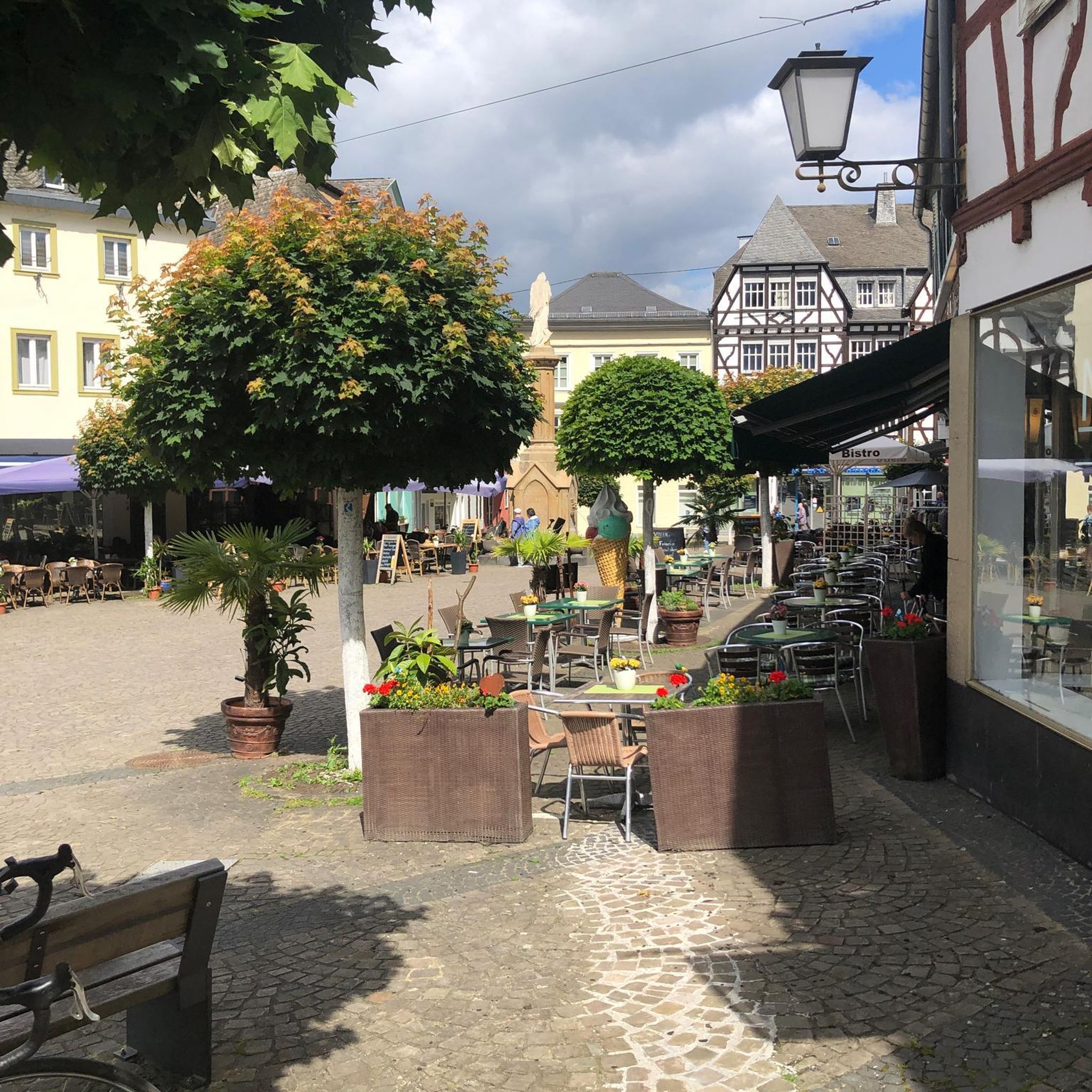
17th-century building (listed as a historic monument) in the Jesuit Baroque style, remarkable for its curved gable sculpted in ashlar, its Sacred Heart motif, and its pastel blue painted wooden door, framed by a bed of hydrangeas
0
0

A memorial that should not be missed
0
0

The ruins of the old church of Ablain-Saint-Nazaire are an impressive and symbolic remnant of the First World War. This church, built in the 16th century in flamboyant Gothic style by Jacques Le Caron, was heavily damaged during the fighting in 1915. The ruins have been preserved as a monument to commemorate the horrors of war.
7
0
A remarkable story about the ruins concerns the decision not to rebuild the church after the war. Although the church had been classified as a historical monument in 1908, the Commission for Historical Monuments decided that the ruins should remain as a testimony to the German destruction. Ironically, it was the French guns that had destroyed the church, but the ruins became a symbol of the war and the reconstruction.
6
0

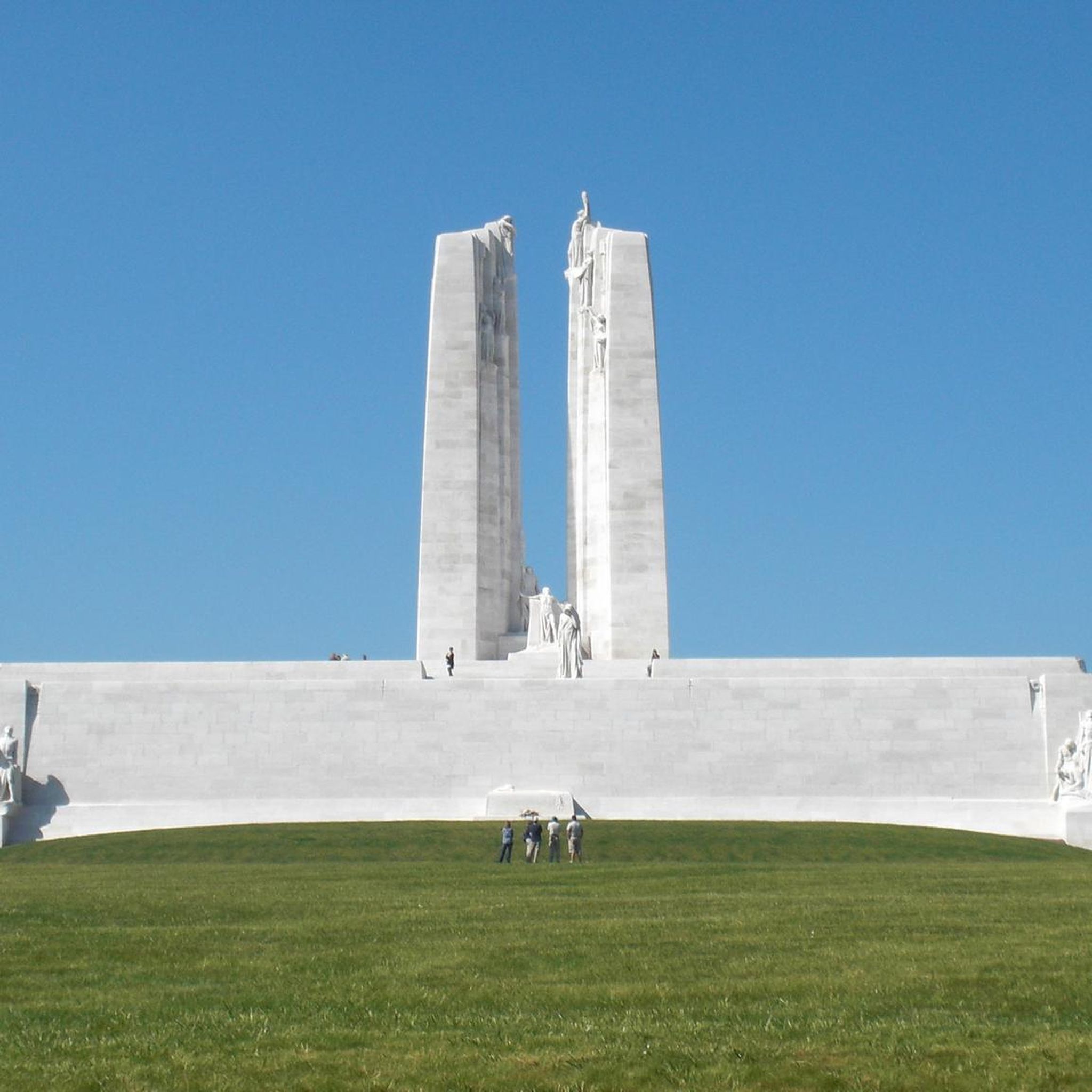
The Vimy Memorial is the most prestigious Canadian monument in Europe. It is located on the very site of the 1917 fighting near Vimy in the Pas-de-Calais region of France. Erected on the highest point of the hill, Hill 145, the objective of the operations that began on April 9, 1917, it overlooks the Douai Plain. In 1921, architect and sculptor Walter S. Allward (1875-1955) won the competition from the Canadian Battlefield Memorials Commission. The significance of the battles at the site and the favorable location at the top of the hill allowed Vimy to receive the most prestigious work.
1
0
Bois-carré British Cemetery: This cemetery was established in April 1917 by units of the 1st Canadian Division, during the Battle of Vimy Ridge. After the Armistice, it was expanded to accommodate graves from the surrounding battlefields. Bois-carré British Cemetery contains 506 graves, including 382 of Canadian combatants and three Native American soldiers who could not be buried according to their tribal rites. On either side of the cross bearing the Sword of Sacrifice, stand two columns beneath which are grouped the remains of bodies previously buried and then exhumed by bombing raids. At the beginning of the Second World War, the cemetery was used by the 8th Casualty Clearing Station.
0
0
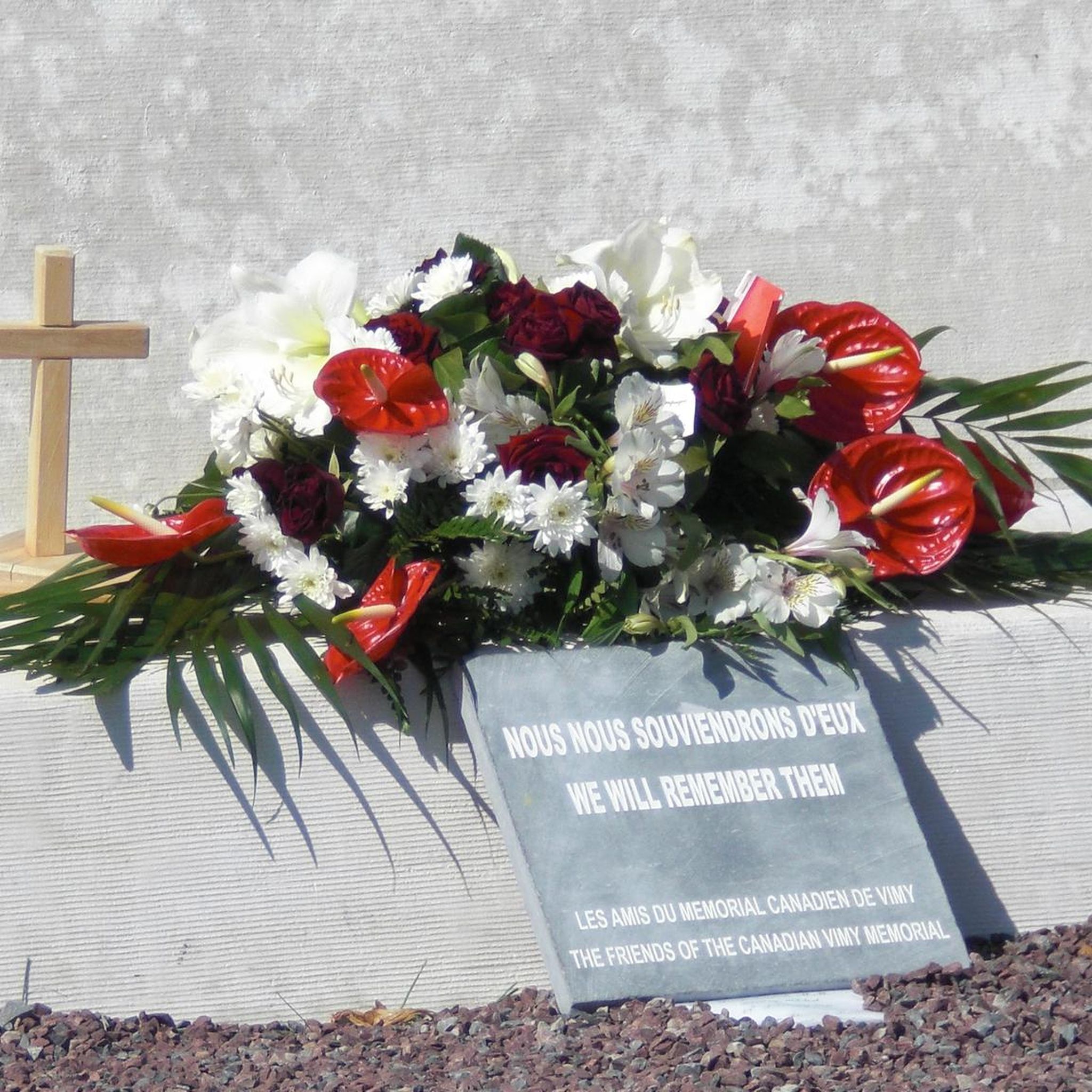
Zivy Crater: You are here in the center of what was once the no man's land between the trenches from which the assault of April 9, 1917, began. Fifty-three soldiers, including 50 Canadian nationals, are buried there. The same exceptional design as Lichfield Crater.
0
0
Frequently Asked Questions
How many road cycling routes are available around Givenchy-En-Gohelle?
There are over 370 road cycling routes around Givenchy-En-Gohelle, offering a wide variety of options for different skill levels and preferences.
What kind of terrain can I expect when road cycling in Givenchy-En-Gohelle?
The region features diverse landscapes, including surrounding plains and gently rolling hills. You'll find routes that incorporate sections of the mining basin cycle route (V31) and the natural areas of the Bois de Givenchy. The area is also known for challenges like the 'Montée des Canadiens' near the Canadian Vimy Memorial, offering both scenic views and elevation.
Are there road cycling routes with significant elevation gain for a challenging ride?
Yes, for those seeking a challenge, routes like the 'Montée des Canadiens' offer gradual but significant ascents. For example, the Abbey of Mont Saint-Éloi – The White Way loop from Avion includes over 400 meters of elevation gain, providing a good workout while passing historical abbey ruins.
What historical landmarks can I see along the road cycling routes?
Many routes pass by significant historical sites. You can cycle past the poignant Canadian National Vimy Memorial, offering panoramic views. Other routes may include the ruined church of Ablain-Saint-Nazaire or the Notre-Dame-de-Lorette National Cemetery. The Abbey of Mont Saint-Éloi – The White Way loop from Avion also passes by historical abbey ruins.
Are there scenic viewpoints along the road cycling routes in Givenchy-En-Gohelle?
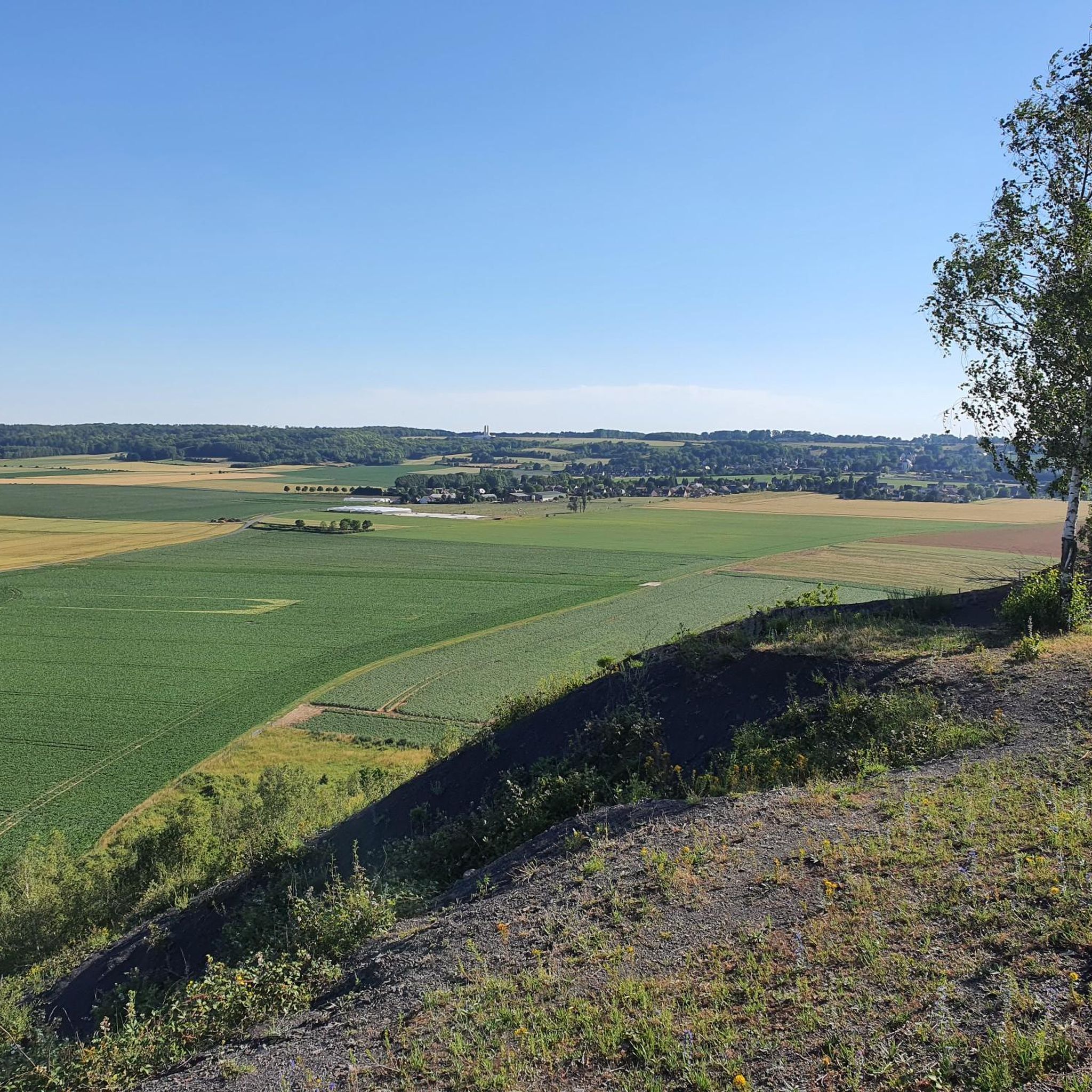
Absolutely. From elevated points, particularly around the Canadian National Vimy Memorial, you can enjoy expansive views of the Franco-Flemish plain and the UNESCO-listed mining basin, with its distinctive 'terrils' (slag heaps). Many routes are designed to showcase these picturesque backdrops.
Can I find natural features or forests on the road cycling routes?
Yes, the Bois de Givenchy (Givenchy Forest) covers a significant portion of the northern side of the commune, offering natural areas that some routes incorporate. You might also encounter views of the unique 'terrils' (slag heaps) from the mining basin, which are now part of the natural landscape.
Are there family-friendly road cycling options in Givenchy-En-Gohelle?
Yes, there are nearly 90 easy road cycling routes available, many of which are suitable for families. These routes often feature well-paved surfaces and gentler gradients, allowing for a relaxed ride through the scenic plains and historical areas.
Are there circular road cycling routes available?
Most of the road cycling routes in the area are designed as loops, allowing you to start and end at the same point. For instance, the Zivy Crater - Thelus – Farbus Hill loop from Neuville-Saint-Vaast is a popular circular route that offers views of historical sites.
What do other cyclists say about the road cycling routes here?
The road cycling routes around Givenchy-En-Gohelle are highly rated by the komoot community, with an average score of 4.3 stars from over 200 reviews. Cyclists often praise the blend of historical sites with varied terrain and scenic views.
Where can I find parking for road cycling routes in Givenchy-En-Gohelle?
While specific parking areas vary by route, many routes start from towns or villages like Neuville-Saint-Vaast or Ablain-Saint-Nazaire, where public parking is generally available. It's advisable to check the starting point of your chosen route for the most convenient parking options.
Are there any easy road cycling routes for beginners?
Yes, there are 89 easy road cycling routes around Givenchy-En-Gohelle. An example is the Ruins of Saint-Bertin Abbey – Notre-Dame-de-Lorette Memorial loop from Ablain-Saint-Nazaire, which is an easy 28.8 km (17.9 miles) loop, perfect for a more relaxed ride.
What is the best time of year for road cycling in Givenchy-En-Gohelle?
The spring and autumn months generally offer the most pleasant conditions for road cycling, with milder temperatures and beautiful scenery. Summer can also be enjoyable, though it's wise to start earlier in the day to avoid the midday heat.
Most popular routes around Givenchy-En-Gohelle
Most popular attractions around Givenchy-En-Gohelle

Get inspired with the komoot mobile app


Explore more
Browse the best Road cycling routes in other regions.
