The best walks and hikes around Farbus
4.5
(1004)
7,827
hikers
362
hikes
Hiking around Farbus offers access to the varied landscapes of the Pas-de-Calais department in the Hauts-de-France region. The terrain transitions from the Gohelle plain to the edges of the Artois plateau, characterized by open countryside, fields, and gentle hillsides. While Farbus itself is a small village, its location provides a starting point for exploring the broader regional features. The area around Farbus is primarily defined by its rural character and historical significance.
Best hiking trails around Farbus
- The most popular…
Last updated: May 13, 2026
4.5
(36)
237
hikers
8.11km
02:10
90m
90m
Moderate hike. Good fitness required. Easily-accessible paths. Suitable for all skill levels.
3.0
(1)
14
hikers
9.00km
02:24
100m
100m
Moderate hike. Good fitness required. Easily-accessible paths. Suitable for all skill levels.

Sign up for free
5.0
(2)
17
hikers
7.00km
01:53
90m
90m
Easy hike. Great for any fitness level. Easily-accessible paths. Suitable for all skill levels.
4.8
(5)
15
hikers
9.79km
02:32
50m
50m
Moderate hike. Good fitness required. Easily-accessible paths. Suitable for all skill levels.
5.0
(3)
9
hikers
Moderate hike. Good fitness required. Easily-accessible paths. Suitable for all skill levels.
Get access to more routes and recommendations from other explorers.
Sign up for free
Already have an account?
Our route recommendations are based on thousands of hikes, rides, and runs completed by other people on komoot.
Start today with a free account
Your next adventure awaits.
Login or Signup
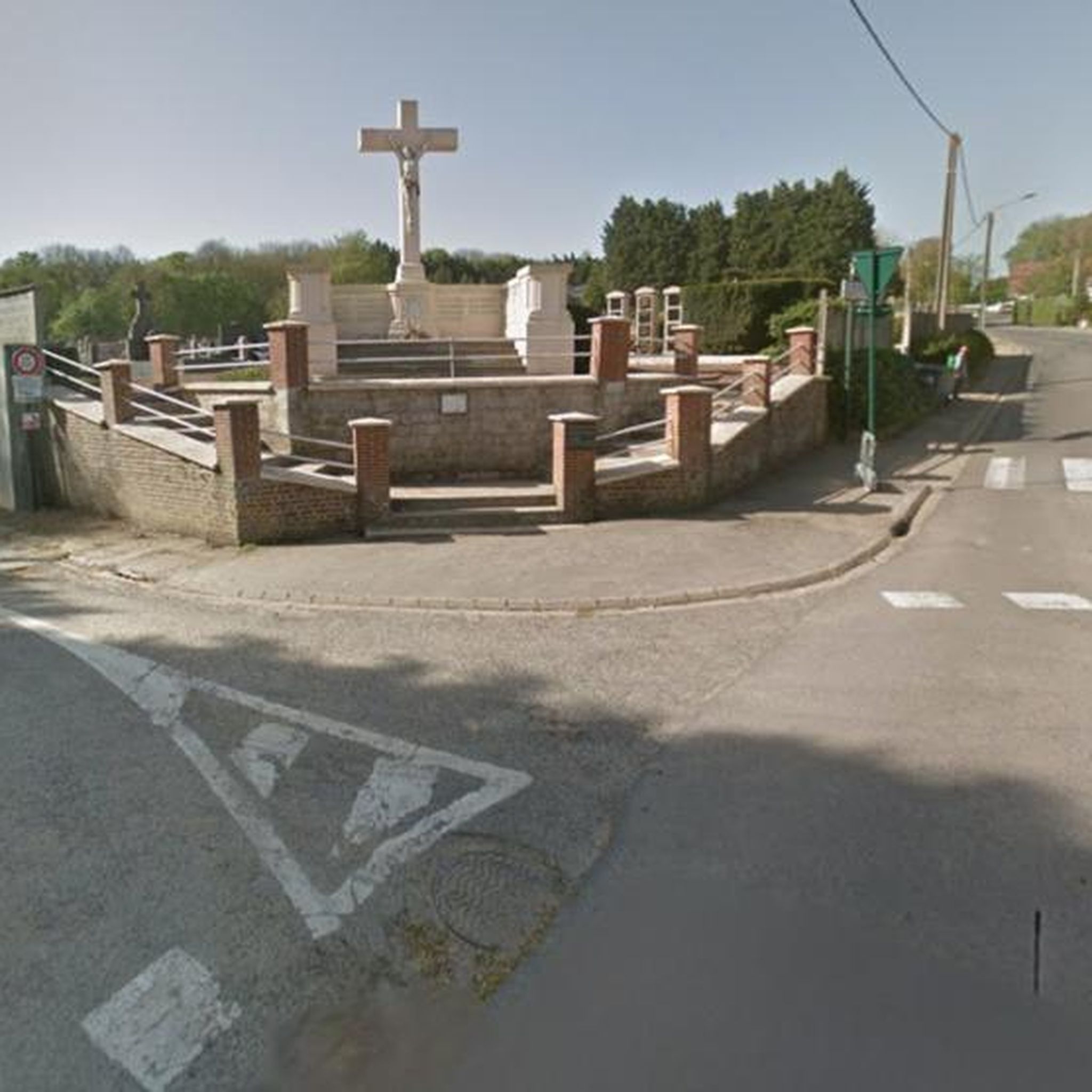
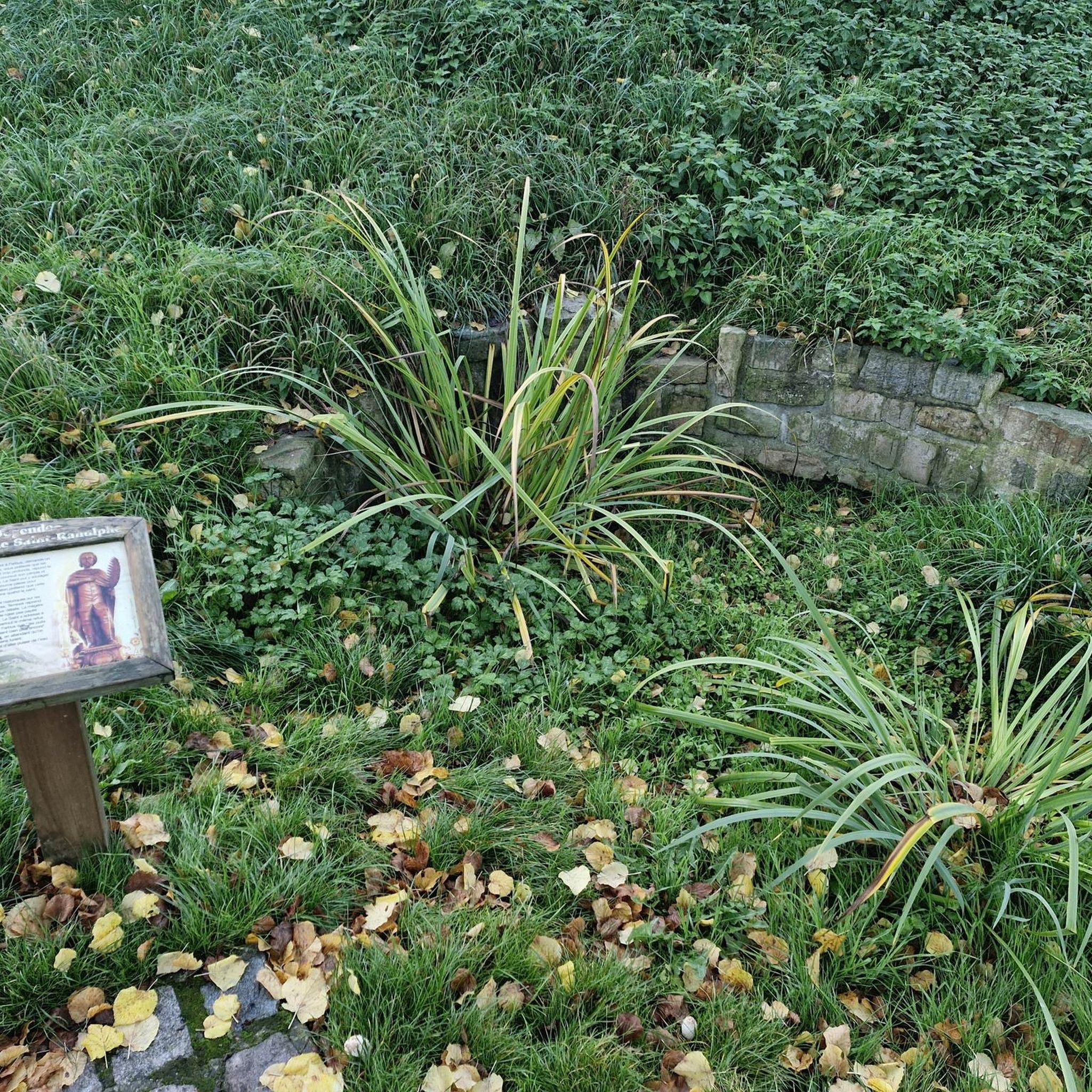


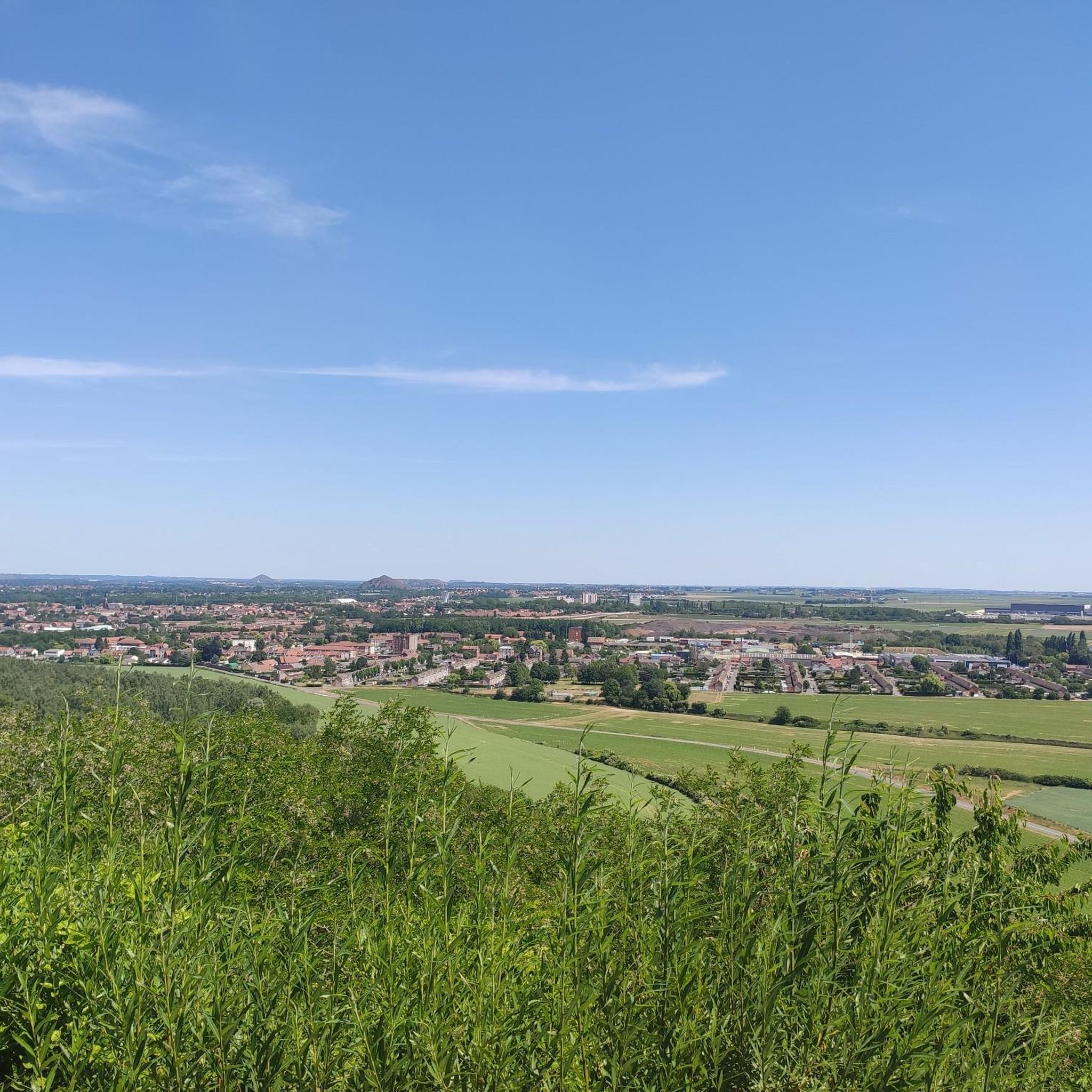
Tips from the Community

I me too me too me too me too o too too too too i too me too me too me too ii i oiiii i i i i i i i i i i i i i i i i i i okro89&88&&@8889&88889@w😢i i i.f5fi🙂🌞🤔
0
0

Before the Canadians captured Vimy Ridge from the Germans in April 1917, other soldiers had already set foot there but were unable to hold their ground due to a lack of reinforcements and sufficient artillery support. These "forerunners" were the Moroccan Zouaves and riflemen, wearing red chechias and baggy trousers, accompanied in the Moroccan Division by Foreign Legion volunteers from 52 countries. To the men of the Moroccan Division who set out to assault Vimy Ridge On the morning of May 9, 1915, they broke through the German lines, crossed Folie Wood, and reached Vimy Ridge. To track their advance and adjust artillery fire, squares of white cloth were sewn to their backs, making them prime targets for the Germans on their flank. Furthermore, the artillery was running low on ammunition, and reinforcements were not forthcoming: the order to withdraw came in the evening. The Moroccan soldiers were forced to abandon the conquered ground at the cost of heavy losses. The riflemen of the Moroccan Division were among the approximately 820,000 men mobilized in French colonies or protectorates during the First World War, including 636,000 sent to France as soldiers or laborers. Of the 449,000 engaged in combat, the majority came from Algeria (150,000), and the rest from sub-Saharan Africa (135,000), Indochina (43,000), Tunisia (39,000), and Morocco (34,000). 70,000 of them would perish on French soil. Plaques affixed to the monument pay tribute to other French army fighters from Greece, Sudan and Czechoslovakia.
0
0
Located right next to the monument, the historical interpretation center presents the Battle of Vimy Ridge in two ways. First, you can discover an exhibition with diagrams, photographs, maps, and some exhibits. You'll learn about the historical context from a political and military perspective, with numerous images showing the lunar landscapes of the trench line and No Man's Land. Books about the Battle of Vimy Ridge are also available for purchase at the reception desk. Next, a superb Sound & Light show, using period videos, recounts the preparation for the offensive, the fighting, the advance of the troops, and the lives of soldiers during the battle. A video table and televisions allow you to relive these moments. Commentary is available in French, English, and German.
0
0
The Vimy Memorial is the most prestigious Canadian monument in Europe. It is located on the very site of the 1917 fighting near Vimy in the Pas-de-Calais region of France. Erected on the highest point of the hill, Hill 145, the objective of the operations that began on April 9, 1917, it overlooks the Douai Plain. In 1921, architect and sculptor Walter S. Allward (1875-1955) won the competition from the Canadian Battlefield Memorials Commission. The significance of the battles at the site and the favorable location at the top of the hill allowed Vimy to receive the most prestigious work. The monument's architecture consists of twenty figures and a massive base topped by two immense pillars. Carved from a single 30-ton block, the main statue, symbolizing the spirit of Canada mourning its fallen, dominates the Douai Plain. At the top, the angels of Justice and Peace stand guard over the gate. At the front of the monument, between the pillars, two statues represent the spirit of sacrifice, one representing the spirit of sacrifice, and the other representing the passing of the torch. The 27-meter-high pylons symbolize both the gates of eternity, as well as France, with the fleur-de-lis, and Canada, with the maple leaves. They are also adorned with representations of Truth, Knowledge, Valor, Sympathy, and the coats of arms of Canada, England, and France. On either side of the façade wall, cannons adorned with laurel and olive branches, symbolizing Victory and Peace, can be seen. Below, figures represent the Breaking of the Saber and Sympathy for the Victims. Each of the monument's statues embodies an ideal: Justice, Peace, Honor, Faith, Charity, Truth, Knowledge, Hope... The following words are engraved on its base: "TO THE VALOR OF HER SONS DURING THE GREAT WAR, AND IN MEMORY OF HER SIXTY THOUSAND DEAD, THE CANADIAN PEOPLE HAVE ERECTED THIS MONUMENT." The names of 11,285 missing persons are also etched in stone for eternity. This list complements those on the monument erected in memory of the Armies of the British Empire at the Menin Gate, Ypres. Indeed, 18,283 Canadian soldiers were never found... Construction work began in 1925. The memorial was inaugurated on July 26, 1932, in the presence of King Edward VII and Albert Lebrun, President of the French Republic.
0
0

The 3rd Canadian Division Memorial in Neuville-Saint-Vaast commemorates the soldiers of the 3rd Canadian Division who fought and gave their lives during the First World War. This memorial is located near the famous Vimy Ridge and pays tribute to the courage and sacrifice of these troops.
6
0
A remarkable story about the Vimy Memorial concerns its unveiling in 1936. More than 50,000 people, including 6,200 Canadians, attended the ceremony. The presence of so many veterans and survivors underscored the profound impact of the war and the enduring bond between Canada and France. The memorial has since become a symbol of Canadian courage and sacrifice.
6
0
The Mémorial national du Canada à Vimy is an impressive war memorial, commemorating the members of the Canadian Expeditionary Force who died during the First World War. The memorial, designed by Walter Seymour Allward, was unveiled on 26 July 1936 by King Edward VIII. It commemorates the 11,169 Canadian soldiers who died in France and have no known grave.
7
0
A special story about the monument concerns the two colonels, Pein and Cros, who were both killed during the division's actions in May 1915. Their names are inscribed on the monument, along with an inscription commemorating the courage and determination of the soldiers: "Aux morts de la division marocaine, sans peur, sans pitié". This tribute emphasises the heavy losses and heroic efforts of the Moroccan Division during the battle.
7
0
Frequently Asked Questions
How many hiking trails are available around Farbus?
There are over 340 hiking routes available around Farbus, catering to various preferences and skill levels. This includes a mix of easy, moderate, and some more challenging trails across the region.
What is the typical terrain like for hiking near Farbus?
The terrain around Farbus transitions from the Gohelle plain to the edges of the Artois plateau. You can expect open countryside, expansive fields, and gentle hillsides. Some routes also lead through wooded areas, offering a diverse landscape for exploration.
Are there any family-friendly hiking options in the Farbus area?
Yes, the Farbus area offers numerous family-friendly hiking options. Many trails feature gentle gradients and shorter distances, making them suitable for hikers of all ages. For example, the Canadian Memorial loop from Vimy is an easy 6.9 km route that can be enjoyed with children.
Can I hike with my dog on trails near Farbus?
Many trails around Farbus are suitable for hiking with dogs, especially those that traverse open fields and rural paths. It's always recommended to keep dogs on a leash, particularly near historical sites or agricultural areas, and to check local regulations for specific trails. The general countryside is welcoming to well-behaved dogs.
What historical landmarks or natural features can I see while hiking around Farbus?
The Farbus area is rich in historical significance and natural beauty. You can encounter sites like the Canadian National Vimy Memorial and the Notre-Dame-de-Lorette National Cemetery. Natural features include various marshes such as Marais de Maroeuil and Marais de la Galance, offering peaceful natural environments.
Are there circular hiking routes available near Farbus?
Yes, many of the hiking routes around Farbus are circular, allowing you to start and end at the same point. An example is the Moroccan monument – Canadian Memorial loop from Vimy, which is a 8.1 km circular trail.
Where can I park when hiking near Farbus?
Parking is generally available near popular trailheads and historical sites in the Farbus area, such as around the Canadian National Vimy Memorial. In Farbus village itself, you can often find parking near the church, which is the starting point for local routes like "Le chemin de Saint Ranulphe."
What is the best time of year to go hiking in the Farbus region?
The Farbus region is enjoyable for hiking throughout much of the year. Spring and autumn offer pleasant temperatures and vibrant landscapes with wildflowers or changing foliage. Summer is also suitable, though it can be warmer, while winter hikes are possible, especially on clear days, to experience the quiet countryside.
What do other hikers enjoy most about hiking in Farbus?
The hiking trails around Farbus are highly rated by the komoot community, with an average score of 4.5 stars from over 900 reviews. Hikers often praise the area for its historical significance, the peaceful rural character, and the well-maintained paths that offer a mix of open fields and wooded sections.
Are there any longer, more challenging hikes available for experienced hikers?
While many routes are easy to moderate, the region does offer some longer trails that provide more of a challenge. For instance, the Canadian Memorial – Moroccan monument loop from Vimy is a moderate 9.4 km trail with a notable elevation gain, offering a more extended experience for those seeking it.
Is there a specific local trail in Farbus village?
Yes, Farbus features a specific local hiking path called "Le chemin de Saint Ranulphe - Farbus." This 7.9 km circuit starts from the church of Farbus and guides hikers from the limits of the Gohelle plain to the edges of the Artois plateau, showcasing the local landscape.
Most popular attractions around Farbus

Get inspired with the komoot mobile app


Explore more
Browse the best Hikes in other regions.
