Attractions and Places To See around Écourt-Saint-Quentin - Top 20
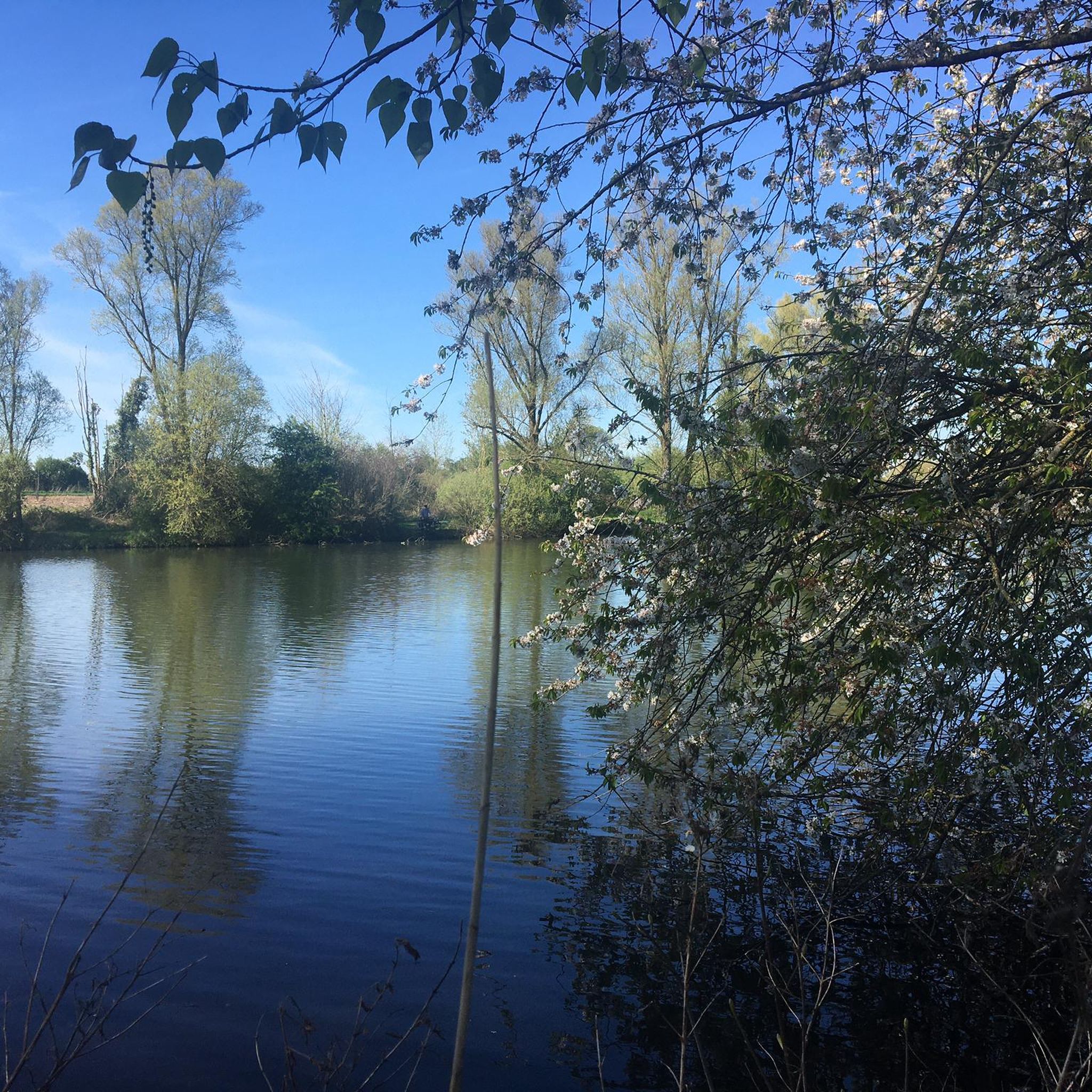
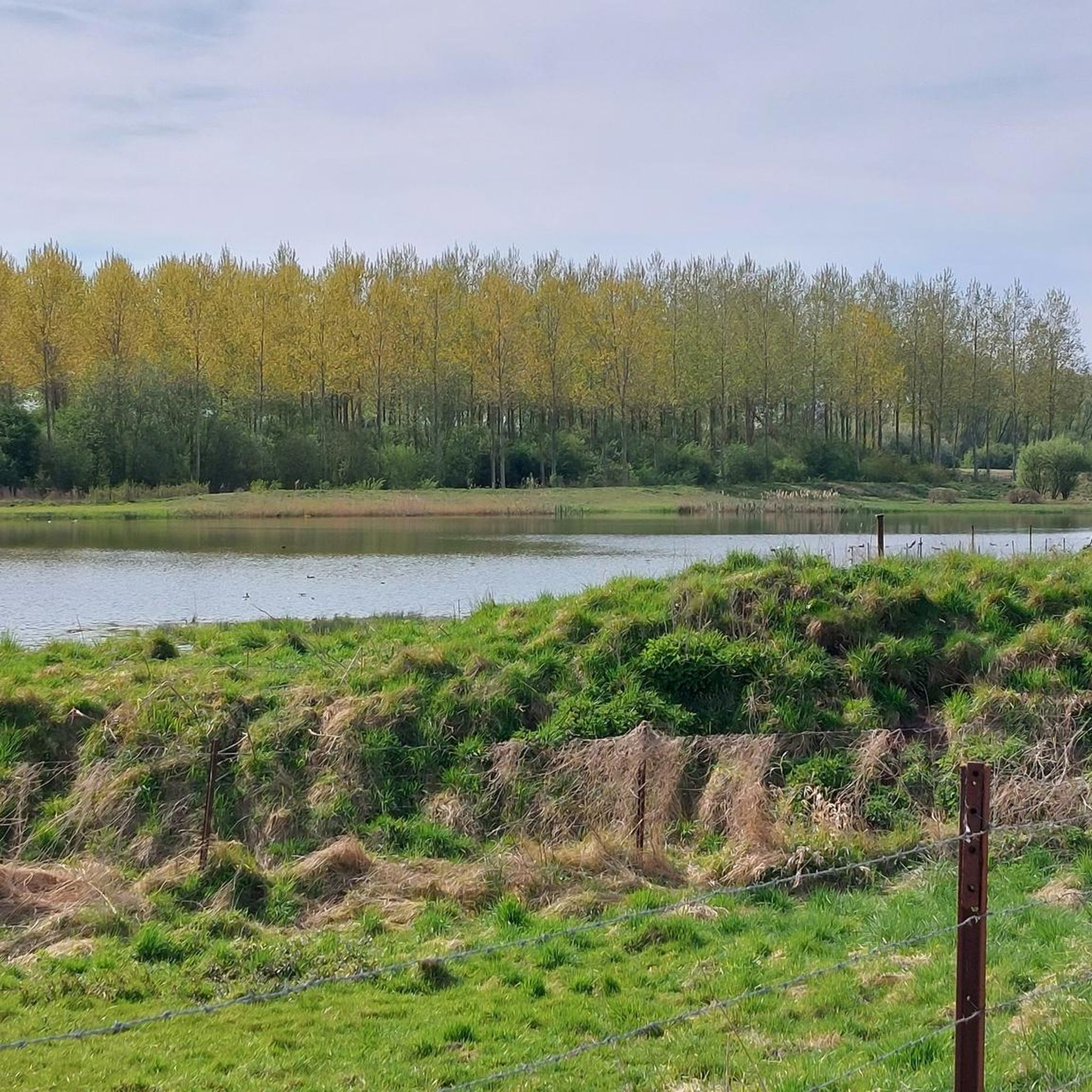
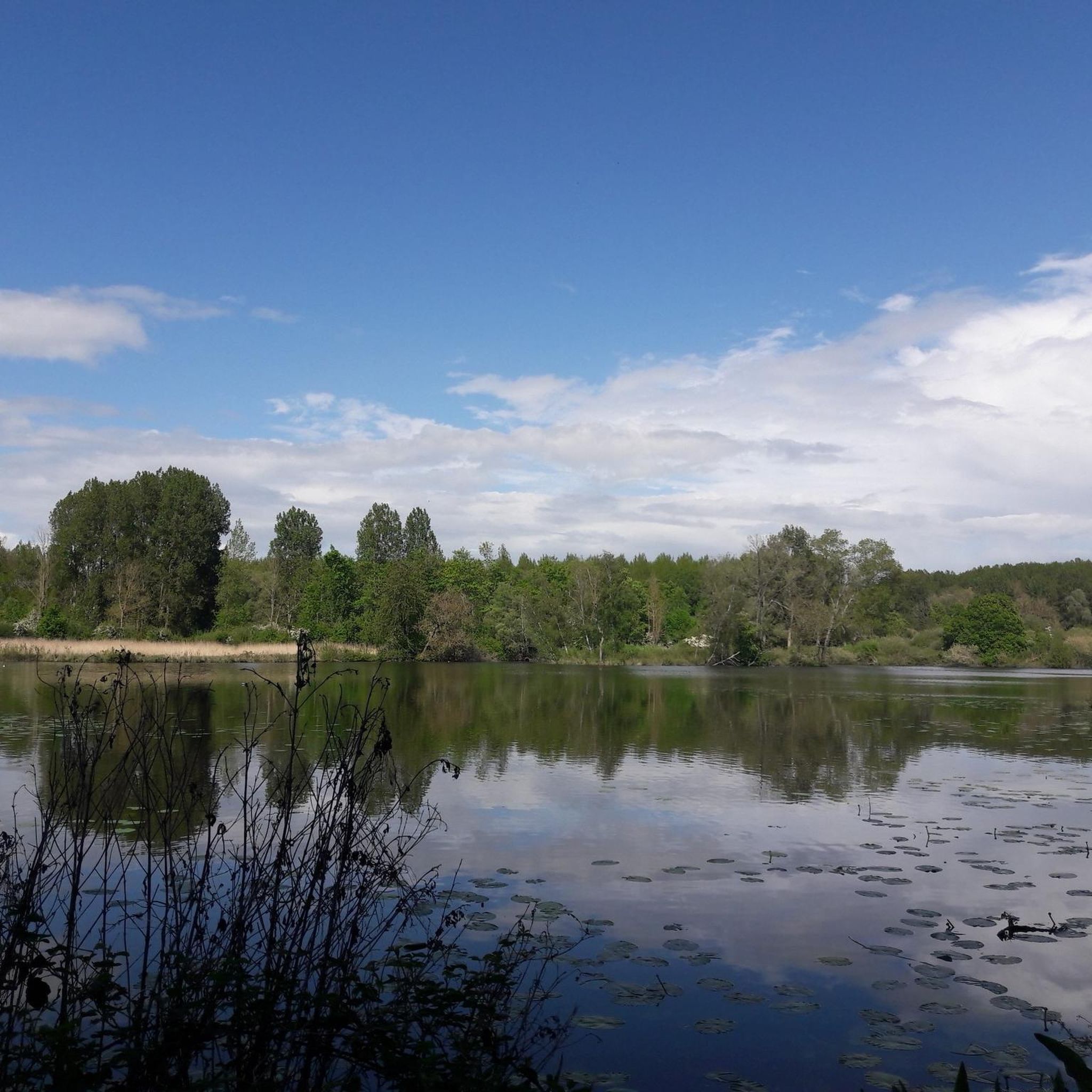
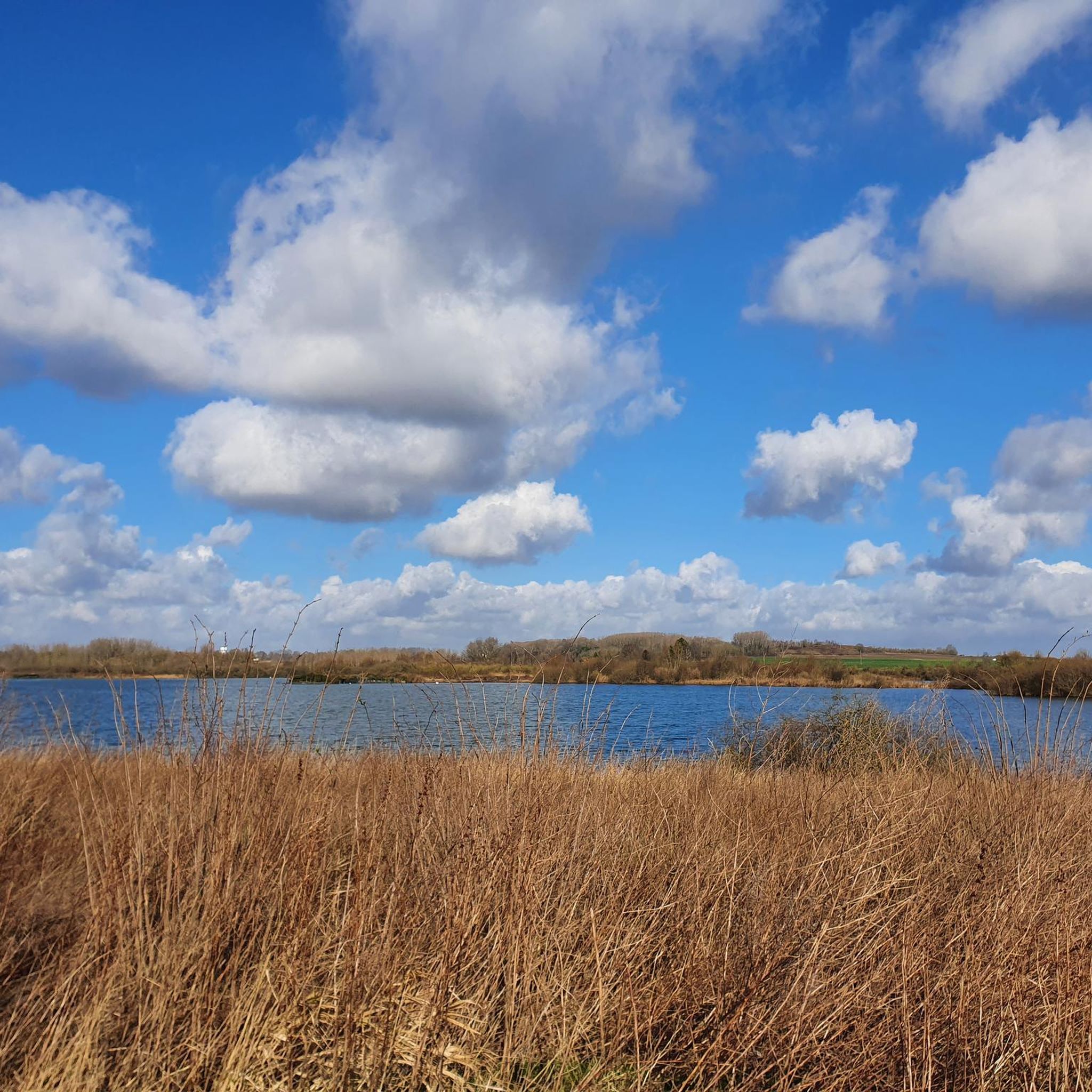
Best attractions and places to see around Écourt-Saint-Quentin include a variety of historical sites and natural features. This commune in the Pas-de-Calais department is recognized as a "Village Patrimoine®" for its efforts in preserving architectural, natural, and landscape heritage. The area features local marshes, including the Marais du Becquerel, and is situated in the valley of the Sensée river, offering opportunities for outdoor exploration.
Best attractions and places to see around Écourt-Saint-Quentin
- The most popular attractions is Les Bonnettes,…
Last updated: May 5, 2026
Les Bonnettes
Highlight • Other
Translated by Google •
Tip by

The Menhir of Lécluse or the Devil's Stone
Highlight • Summit
Translated by Google •
Tip by

Sign up now to discover places like this
Get recommendations on the best single tracks, peaks, & plenty of other exciting outdoor places.
Sign up for free
The Big Rock
Highlight • Historical Site
Be careful, the place is very swampy and it is more easily accessible in dry weather 😉.
Translated by Google •
Tip by

The Orangery Castle
Highlight • Parking
Roucourt Castle was built at the end of the 18th century by Monsieur Béranger, a cannon founder under the Empire.
Translated by Google •
Tip by

the stone that grows
Highlight • Historical Site
Translated by Google •
Tip by
Sign up for free to discover even more attractions around Écourt-Saint-Quentin.
Sign up for free
Already have an account?
Start today with a free account
Your next adventure awaits.
Login or Signup
Tips from the Community

Magnificent..I love walking there to see the deer 😍
1
0

The menhir is located in the marsh of Aubigny-au-Bac, on a footpath leading to Brunémont. It is a block of Landenian sandstone 2.90 m high (including 1.48 m above ground) by 2.15 m wide and 0.70 m thick. It is said to have been sunk to about 2.40 m. Shaped like a horse's head, it is associated with a prehistoric megalith despite the absence of evidence.
0
0
A Brief History Note. Roucourt Castle was built at the end of the 18th century by Monsieur Béranger, a cannon founder under the Empire. …During World War I, the castle was occupied by the squadron and men of Captain Baron Von Richthofen, known as the "Red Baron," who sheltered his planes in the avenue of over 100-year-old lime trees that precede the entrance gate. Destroyed by fire in 1918, it was rebuilt between 1921 and 1923 and restored in 1997 by Colette and Guy Becquet de Mégille, the current owners.
3
0

The Seven Bonnettes are a fascinating megalithic site, surrounded by legends and mysteries. Located in a picturesque valley, this 75 meter high mound is crowned with standing stones forming a crown. According to legend, these stones represent six young girls and a musician, transformed into statues by Heaven for having danced instead of attending vespers.
0
0

They are part of the unknown treasures of Arras and the Pays d'Artois. The various megalithic sites are good for a beautiful walk, among mysteries and legends, history and extraordinary landscapes. Set sail for the Scarpe valley and the Sensée valley, in the wake of the megaliths of the Pays d'Artois.
2
0
Small mythical location. The stone pillars on top have already made many passers-by think. They are part of the unknown treasures of Arras and the Pays d'Artois. The various megalithic sites are good for a beautiful walk, among mysteries and legends, history and extraordinary landscapes. Set sail for the Scarpe valley and the Sensée valley, in the wake of the megaliths of the Pays d'Artois.
1
0

The story goes that once the people of the country showed the scratches produced, according to legend, by the claws of the demon when he seized the stone. Streaks do indeed appear on two sides of the menhir… But are they the same as before or do they come from the destruction of the stone in 1918
2
0

Menhir to discover. A descriptive panel is present at the parking lot of the site. Access is by a grassy path, not dented, practicable.
1
0
Frequently Asked Questions
What historical sites can I explore in Écourt-Saint-Quentin?
Écourt-Saint-Quentin is rich in history. You can visit the recently restored Village Church, or explore ancient megalithic sites like The Menhir of Lécluse or the Devil's Stone, which is classified as a historical monument and steeped in local folklore. Another intriguing site is the stone that grows, a block of Landenian sandstone with a tradition of continuous growth. Don't miss The Big Rock, another menhir with its own legend, located in the marshy terrain of the Sensée valley.
Are there any legendary or folklore-rich attractions in the area?
Yes, Écourt-Saint-Quentin is home to several sites with captivating legends. Visit Les Bonnettes, a site marked by stone pillars associated with a legend about a fiddler and village girls. The Menhir of Lécluse or the Devil's Stone has stories of scratches attributed to a demon's claws, while The Big Rock (Menhir of Oisy-le-Verger) also features a legend involving the devil and a pact.
What natural features can I discover around Écourt-Saint-Quentin?
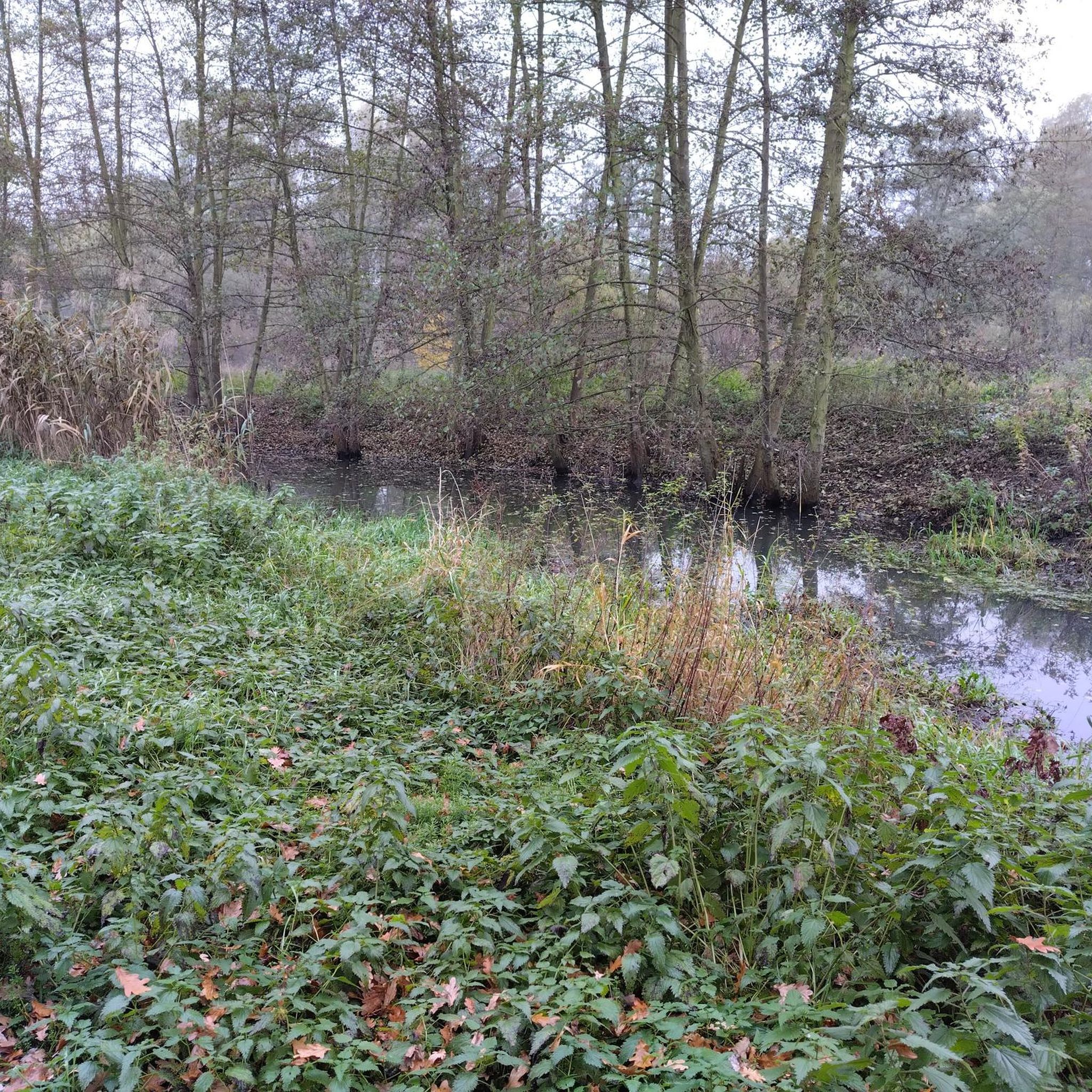
The commune boasts an exceptional 'green heritage' with its local marshes, including the Marais du Becquerel, which is a significant natural attraction. The area is also situated in the valley of the Sensée river, offering picturesque landscapes and opportunities for nature walks. While exploring, you might encounter unique natural monuments like the ancient menhirs that stand amidst the fields.
What kind of outdoor activities can I do near these attractions?
The region around Écourt-Saint-Quentin is ideal for outdoor enthusiasts. You can enjoy hiking and cycling through its natural beauty. For hiking, explore routes like the 'Rumaucourt marsh – Around the Ponds loop' or the 'Grand Clair Marsh loop'. Cyclists can take on routes such as 'Marais d'Aubigny — loop from Arleux' or 'View of the Haut Pont marsh – Jetty on the Aubigny Marsh loop'. You can find more details on these activities in the Hiking around Écourt-Saint-Quentin and Cycling around Écourt-Saint-Quentin guides.
Are there family-friendly attractions or activities in Écourt-Saint-Quentin?
Yes, several attractions are suitable for families. The historical sites like The Menhir of Lécluse or the Devil's Stone and the stone that grows are listed as family-friendly and offer intriguing stories for all ages. The local marshes also provide easy walking routes, such as the 'Grand Clair Marsh loop from Palluel', which are perfect for family outings.
Where can I find historical buildings or castles in the vicinity?
Beyond the ancient megaliths, you can visit The Orangery Castle (Roucourt Castle), a beautiful historical site built in the Louis XVI style. It has a rich history, including being occupied by Captain Baron Von Richthofen during World War I, and features a park with an orchard and vegetable garden.
What is the 'Village Patrimoine®' designation for Écourt-Saint-Quentin?
Écourt-Saint-Quentin is recognized as a 'Village Patrimoine®' (Heritage Village). This designation signifies the village's commitment to preserving and showcasing its architectural, natural, and landscape heritage, highlighting its local richness and history for visitors.
What kind of historical reconstitutions are organized in Écourt-Saint-Quentin?
The local association 'Tempus Fugit' organizes historical reconstitutions that attract many visitors. These often focus on life in the World War I trenches and also feature a reconstructed old-fashioned classroom, offering an immersive look into the past.
What do visitors enjoy most about the attractions around Écourt-Saint-Quentin?
Visitors particularly enjoy the blend of history, legend, and natural beauty. The megalithic sites like Les Bonnettes and The Menhir of Lécluse are appreciated for their mysterious atmosphere and the stories they tell. Many also value the opportunity for beautiful walks among these historical landmarks and through the extraordinary landscapes of the Scarpe and Sensée valleys.
Are there any easy hiking trails suitable for beginners or casual walkers?
Yes, there are several easy hiking trails around Écourt-Saint-Quentin. For instance, the 'Grand Clair Marsh loop from Palluel' is a shorter, easy route, as is the 'Rumaucourt marsh loop from Écourt-Saint-Quentin'. These trails offer a gentle way to explore the natural surroundings and marshlands. More options can be found in the Hiking around Écourt-Saint-Quentin guide.
What is the best time of year to visit Écourt-Saint-Quentin for outdoor activities?
The best time to visit for outdoor activities like hiking and cycling is generally during dry weather. Some areas, particularly around The Big Rock, can be very swampy during wet periods. Spring and summer typically offer more favorable conditions for exploring the marshes and trails comfortably.
Most popular routes around Écourt-Saint-Quentin
Most popular attractions around Écourt-Saint-Quentin

Get inspired with the komoot mobile app


Explore more
Still not found the Highlight you’re looking for? See guides of the top attractions in other regions:
