The best walks and hikes around Crusnes
4.5
(1789)
10,365
hikers
424
hikes
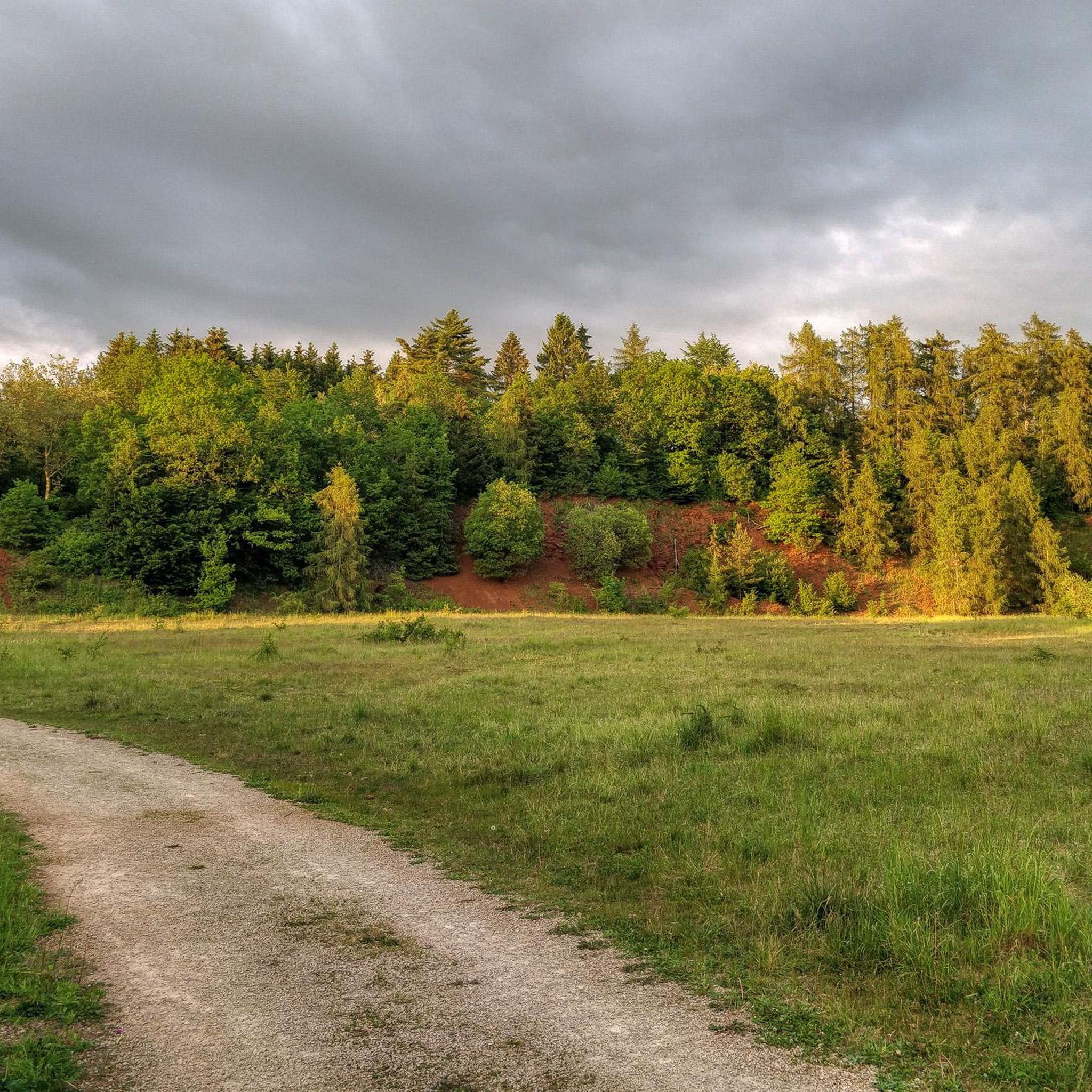
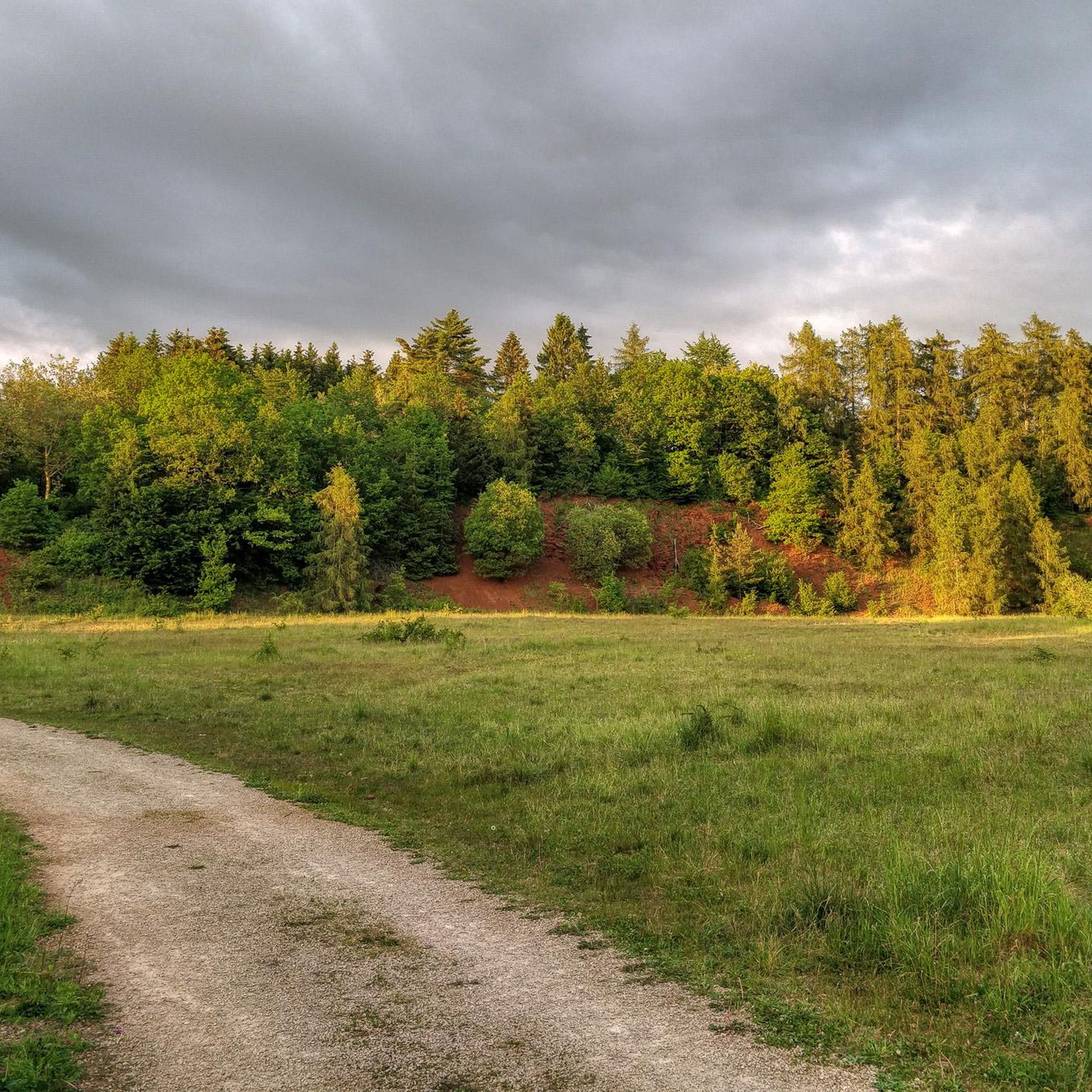
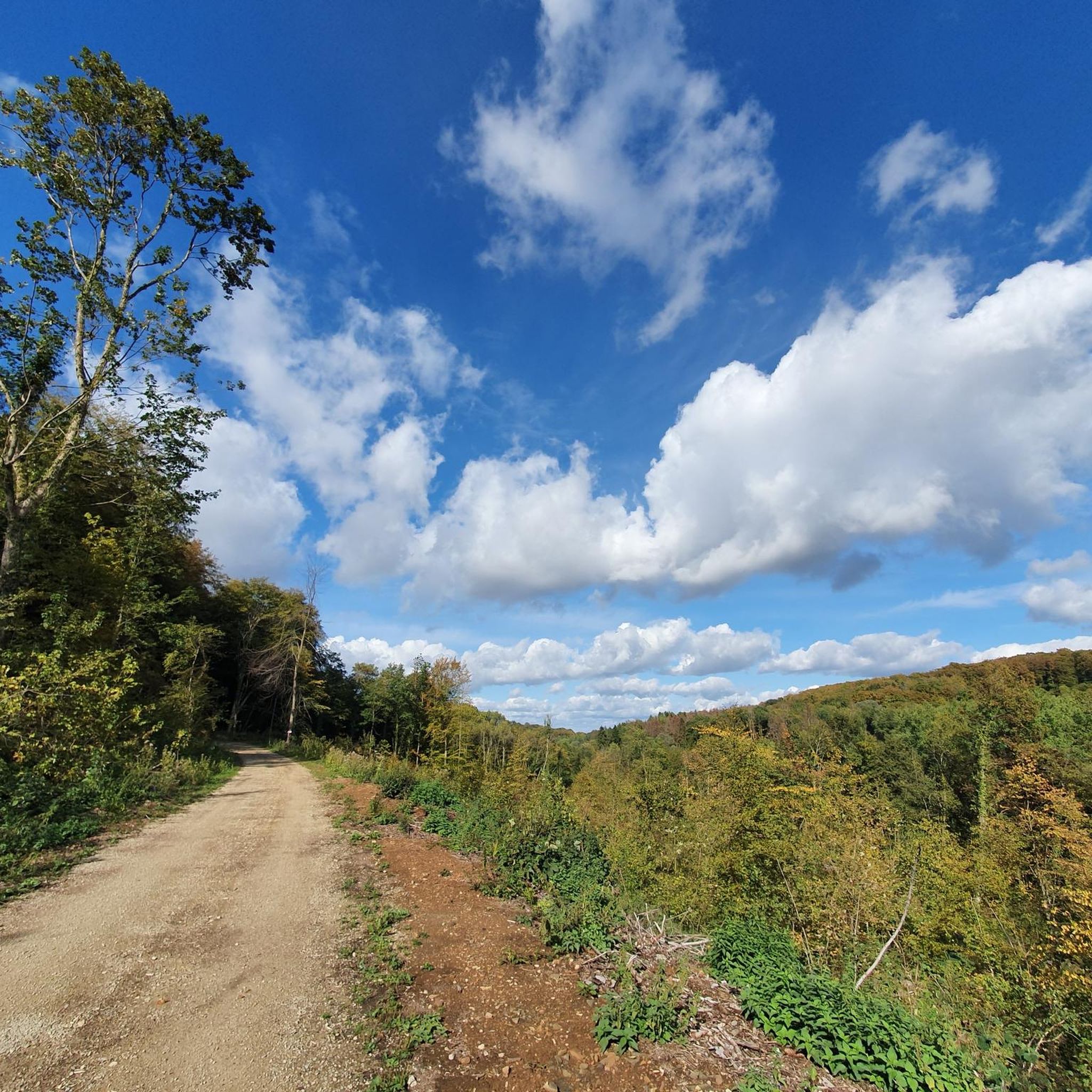
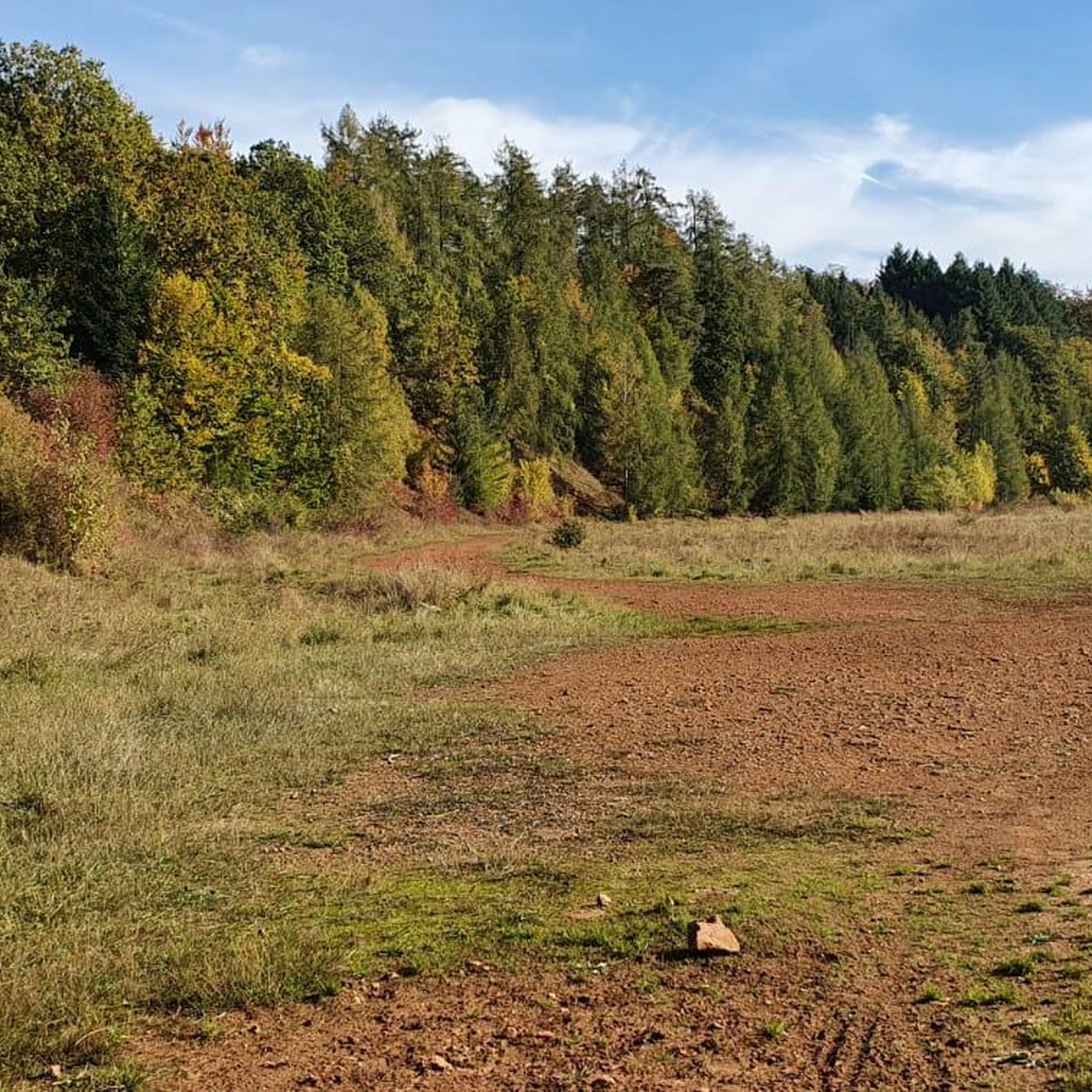
Hiking around Crusnes offers diverse landscapes within France's Grand-Est region, characterized by its proximity to the Lorraine Regional Natural Park. The terrain includes deciduous forests, wooded hills, and areas with rivers and ponds. Hikers can find routes ranging from gentle paths to more challenging trails with elevation gains.
Best hiking trails around Crusnes
- The most popular hiking route is Esch Animal Park – Ancient Ore Transport Towers loop from Audun-le-Tiche, a 8.7 miles (14.0 km) trail that takes 4…
Last updated: July 1, 2026
4.6
(27)
147
hikers
14.0km
04:03
360m
360m
Moderate hike. Good fitness required. Easily-accessible paths. Suitable for all skill levels.
4.3
(4)
14
hikers
9.42km
02:41
220m
220m
Moderate hike. Good fitness required. Easily-accessible paths. Suitable for all skill levels.

Sign up for free
5.0
(3)
10
hikers
13.2km
03:41
250m
250m
Moderate hike. Good fitness required. Easily-accessible paths. Suitable for all skill levels.
4.0
(1)
7
hikers
9.84km
02:34
70m
70m
Moderate hike. Good fitness required. Easily-accessible paths. Suitable for all skill levels.
9
hikers
13.0km
03:31
190m
190m
Moderate hike. Good fitness required. Easily-accessible paths. Suitable for all skill levels.
Get access to more routes and recommendations from other explorers.
Sign up for free
Already have an account?
Our route recommendations are based on thousands of hikes, rides, and runs completed by other people on komoot.
Start today with a free account
Your next adventure awaits.
Login or Signup
Tips from the Community

Chapelle Sainte Barbe at Musée Mines Cockerill – Short Report The Chapelle Sainte Barbe is located directly on the grounds of the Musée Mines Cockerill in Esch-sur-Alzette, Luxembourg. It is a small, historic chapel closely linked to the region's mining tradition. Why Sainte Barbe? Sainte Barbe (Saint Barbara) is the patron saint of miners – for centuries, miners across Europe have prayed to her for protection against misfortune, explosions, and fatal accidents in the tunnels. A tradition that remains alive in Luxembourg to this day. The chapel at the museum: The Chapelle Sainte Barbe at the Musée Mines Cockerill serves as a spiritual memorial to the miners who worked here. It is small, but symbolically powerful: a direct connection to the people who risked their lives daily to extract iron ore. Special Feature: Every year on December 4th (Saint Barbara's feast day), ceremonies are held here – with mortar salvos, wreath-laying, and commemorations of the deceased miners. The chapel thus connects history, religion, and industrial memory. Conclusion: The Chapelle Sainte Barbe at the Musée Mines Cockerill is a moving detail: small, but full of meaning. A place of remembrance for the miners who shaped Luxembourg's industrial history – perfectly integrated into your industrial route.
0
0
Escher Déierepark – Short Report The Escher Déierepark (also Gaalgebierg) is located in Esch-sur-Alzette, Luxembourg, and is a small but fine animal park with natural enclosures. On around 14 hectares, visitors can observe animals such as red deer, wild boars, lynxes, bears, and various bird species in a forest-like environment. The park is particularly family-friendly: there are playgrounds, a petting area, and interactive information about the animal species. The well-laid-out paths make it easily accessible – ideal for half a day or as a starting point for a hike. A highlight is the Bamhaiser Baumhauscafé, a huge treehouse in the middle of the park with terraces, coffee, snacks, and beer. It also serves as an information and meeting point and makes you want to stay overnight in the nearby treehouse guesthouses. Conclusion: The Escher Déierepark is not a large zoo, but a relaxed, natural animal park – perfect for nature, animals, and a cozy break in the Baumhauscafé.
0
0

Nobody has been there for a long time!
0
0

A must-see: the John Cockerill Mining Museum, located on the site of a historic mining pit. This iconic site immerses visitors in the industrial era, with its reconstructed galleries and period machinery.
0
0
A must-see: the John Cockerill Mining Museum, located on the site of a historic mining pit. This iconic site immerses visitors in the industrial era, with its reconstructed galleries and period machinery.
1
0
Quiet and relaxing place on the promenade
1
0
Interesting place for a walk with children
1
0

Chapel built in honor of Saint Barbara
0
0
Frequently Asked Questions
How many hiking trails are available around Crusnes?
There are over 400 hiking routes around Crusnes, offering a wide variety of experiences. You'll find everything from easy strolls to more challenging trails, with options for all fitness levels.
What kind of terrain can I expect on hikes near Crusnes?
The terrain around Crusnes is quite varied, largely due to its proximity to the Lorraine Regional Natural Park. You can expect to hike through extensive deciduous forests, over wooded hills, and alongside rivers and picturesque ponds. There are also unique limestone grasslands to explore, offering diverse landscapes and ecosystems.
Are there family-friendly hiking options in the Crusnes area?
Yes, Crusnes offers several routes suitable for families. Many of the trails are relatively easy and pass through scenic, shaded forests, making them pleasant for all ages. For example, the Forest Path With Wildflowers loop from Bréhain-la-Ville is a moderate 9.8 km path that is popular with families.
Can I bring my dog on the hiking trails around Crusnes?
Many trails in the Crusnes area, particularly within the Lorraine Regional Natural Park, are dog-friendly. However, it's always recommended to keep your dog on a leash, especially in areas with wildlife or near livestock, and to check specific trail regulations before you go. The park is home to diverse fauna, so responsible pet ownership is key.
What natural features can I discover while hiking near Crusnes?
Hiking around Crusnes allows you to immerse yourself in the rich biodiversity of the Lorraine Regional Natural Park. You'll encounter diverse flora and fauna within deciduous forests, along rivers and ponds, and across limestone grasslands. Keep an eye out for local wildlife such as deer, wild boars, and various bird species.
Are there historical sites or landmarks to explore along the hiking trails?
Yes, several routes incorporate historical elements. For instance, the Esch Animal Park – Ancient Ore Transport Towers loop from Audun-le-Tiche features historical ore transport towers. Additionally, nearby attractions like the Gro Minière Iron Ore Mine and the Cockerill Mine Museum offer insights into the region's industrial past and can be visited in conjunction with your hike.
What do other hikers enjoy most about the trails in Crusnes?
The trails around Crusnes are highly rated by the komoot community, with an average score of 4.5 stars from over 1,700 reviews. Hikers frequently praise the varied terrain, the peaceful forest paths, and the well-maintained routes that offer a good mix of natural beauty and historical interest.
Are there circular hiking routes available?
Yes, many of the popular hiking routes around Crusnes are circular, allowing you to start and end at the same point without needing to retrace your steps. Examples include the Pfälzerbeschquelle – Le Portail loop from Villerupt and the Pfälzerbeschquelle loop from Audun-le-Tiche.
What is the best time of year to go hiking in Crusnes?
Crusnes offers enjoyable hiking experiences throughout much of the year. Spring brings wildflowers and lush greenery, while autumn showcases vibrant fall foliage in the deciduous forests. Summer provides warm weather for longer excursions, and even mild winter days can be pleasant for a crisp forest walk, though some paths might be muddy.
Is parking available at the trailheads?
Yes, parking is generally available near the starting points of many popular trails. For instance, you can find parking options close to the Esch Animal Park in Audun-le-Tiche and near Pfälzerbeschquelle in Villerupt, which serve as trailheads for several routes.
How can I reach the hiking areas around Crusnes using public transport?
While Crusnes itself is a smaller community, nearby towns like Audun-le-Tiche and Villerupt, which serve as starting points for several trails, may have better public transport connections. It's advisable to check local bus schedules or regional train services to these towns, and then plan your hike accordingly.
Do I need any permits to hike in the Lorraine Regional Natural Park?
Generally, no specific permits are required for day hiking on marked trails within the Lorraine Regional Natural Park. However, it's always good practice to respect local regulations, stay on designated paths, and be mindful of private property. For detailed information on specific activities or larger groups, you can consult the official park website: Lorraine Regional Natural Park.
Most popular attractions around Crusnes

Get inspired with the komoot mobile app


Explore more
Browse the best Hikes in other regions.
