Attractions and Places To See around Saint-Florent - Top 20
Best attractions and places to see around Saint-Florent include a variety of historical sites, natural landscapes, and cultural experiences. Located on the northern coast of Corsica, the region is defined by the Gulf of Saint-Florent, the Cap Corse peninsula, and the Désert des Agriates. This area offers diverse terrain, from coastal paths to vineyards in the Nebbio region. Visitors can explore ancient fortresses, pristine beaches, and local markets.
Best attractions and places to see around Saint-Florent
- The most popular attractions is Lotu Beach, a beach known for its turquoise waters and shallow seabed. This beach is accessible by boat and is a popular spot for families.
- Another must-see spot is Saint-Florent Frog Fountain, a fountain and viewpoint located in the old town. It offers a lively atmosphere with cafes and restaurants in the city center.
- Visitors also love Mortella Point, a cape featuring the remains of an old Genoese tower. This site provides views of Saint-Florent and Cap Corse, and can be reached via a coastal path.
- Saint-Florent is known for its historical monuments, natural beaches, and scenic paths. The area offers a variety of attractions to see and explore, from ancient citadels to wild scrubland.
- The attractions around Saint-Florent are appreciated by the komoot community, with 19 highlights and 36 photos contributed by visitors. These spots have collectively received 104 upvotes.
Last updated: August 30, 2026
Lotu Beach
Highlight • Beach
Translated by Google •
Tip by

Saint John the Baptist Church, Bastia
Highlight • Religious Site
Translated by Google •
Tip by

Sign up now to discover places like this
Get recommendations on the best single tracks, peaks, & plenty of other exciting outdoor places.
Sign up for free
Saint-Florent Frog Fountain
Highlight • Viewpoint
Translated by Google •
Tip by

Mortella Point
Highlight • Other
Translated by Google •
Tip by

Coastal Path
Highlight (Segment) • Trail
Translated by Google •
Tip by

Sign up for free to discover even more attractions around Saint-Florent.
Sign up for free
Already have an account?
Start today with a free account
Your next adventure awaits.
Login or Signup
Popular around Saint-Florent
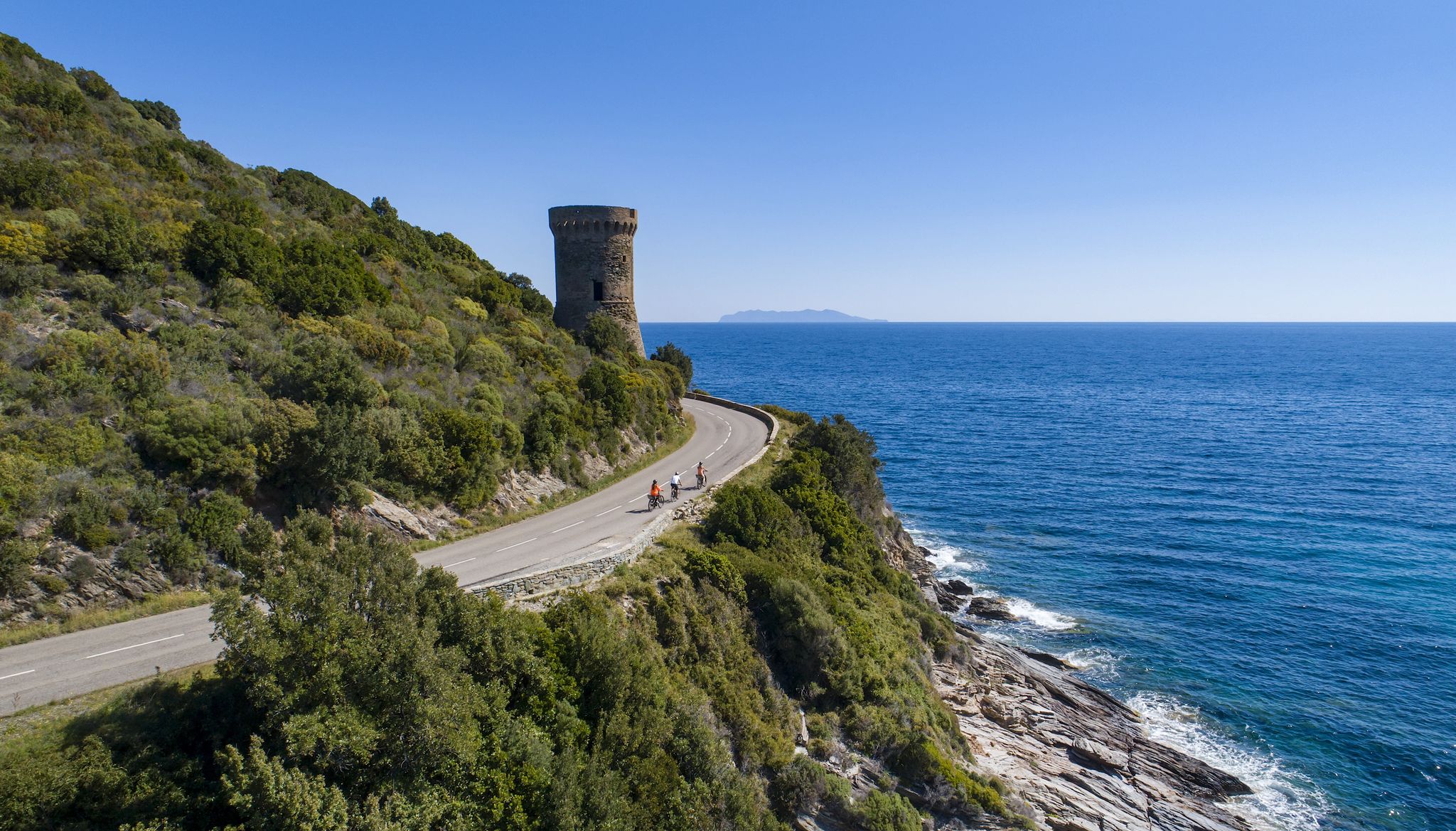
The Great Crossing of Corsica by bike – GT 20
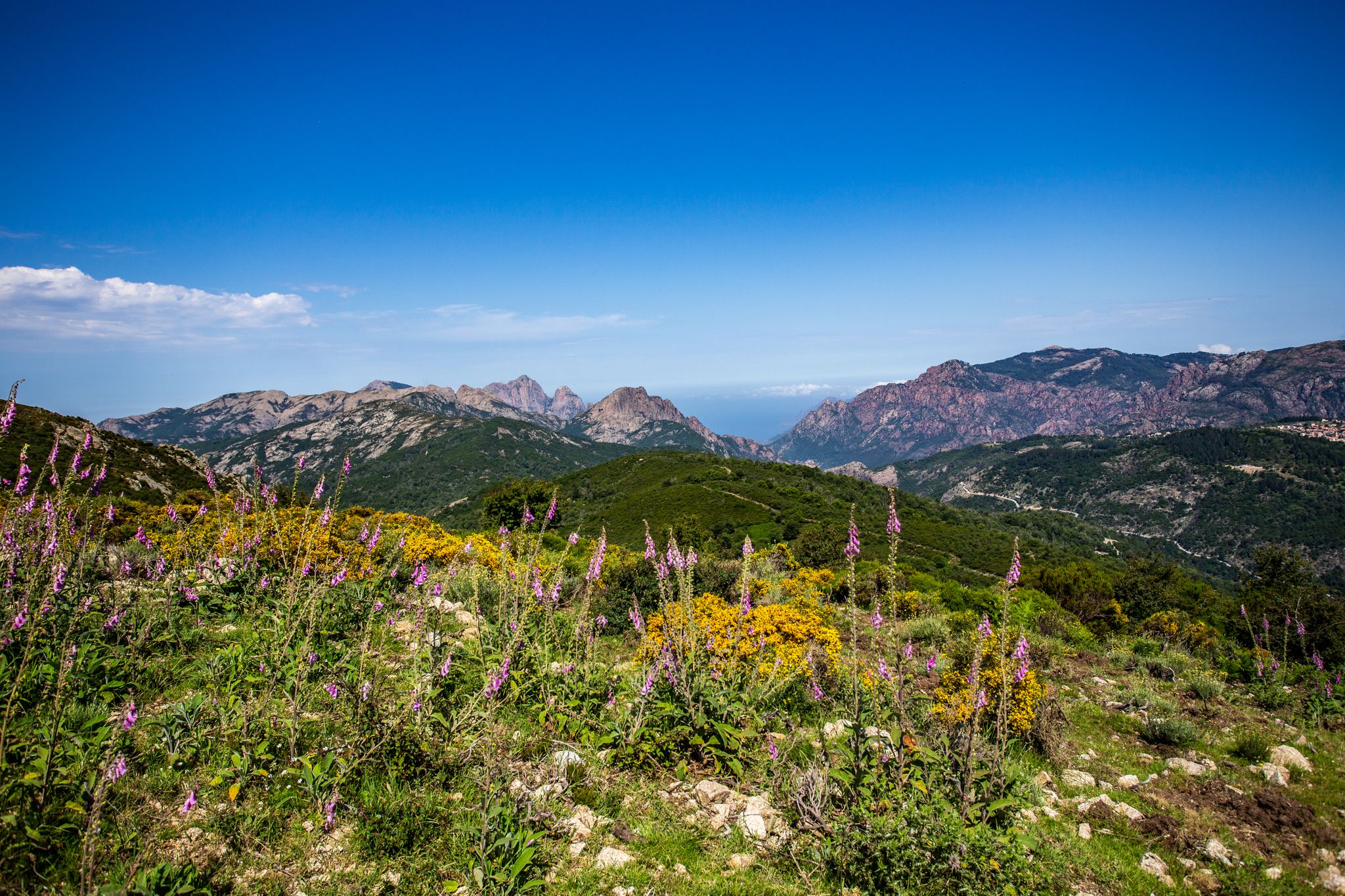
Always upwards - Passes in the north of Corsica
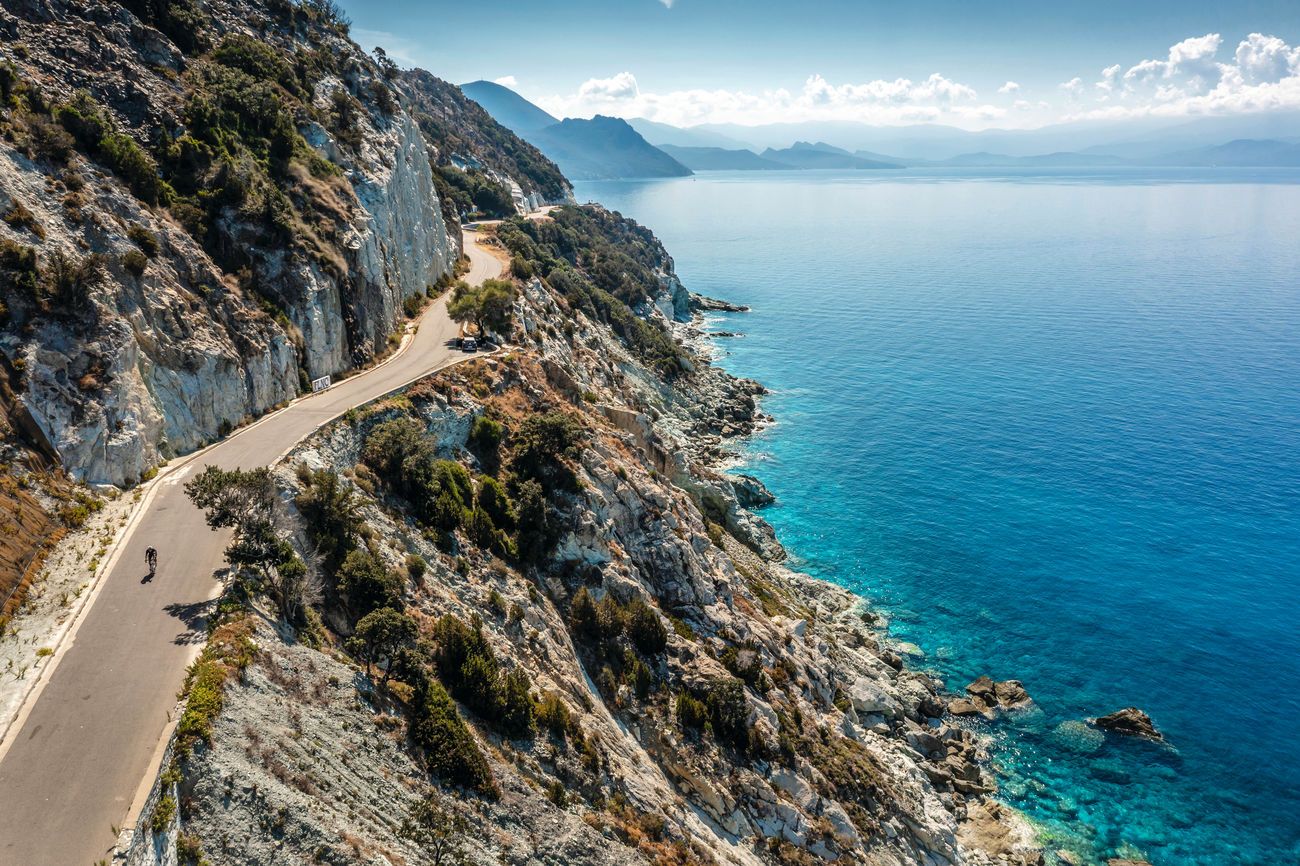
Corsica: Dream tours on France's mountainous Mediterranean island
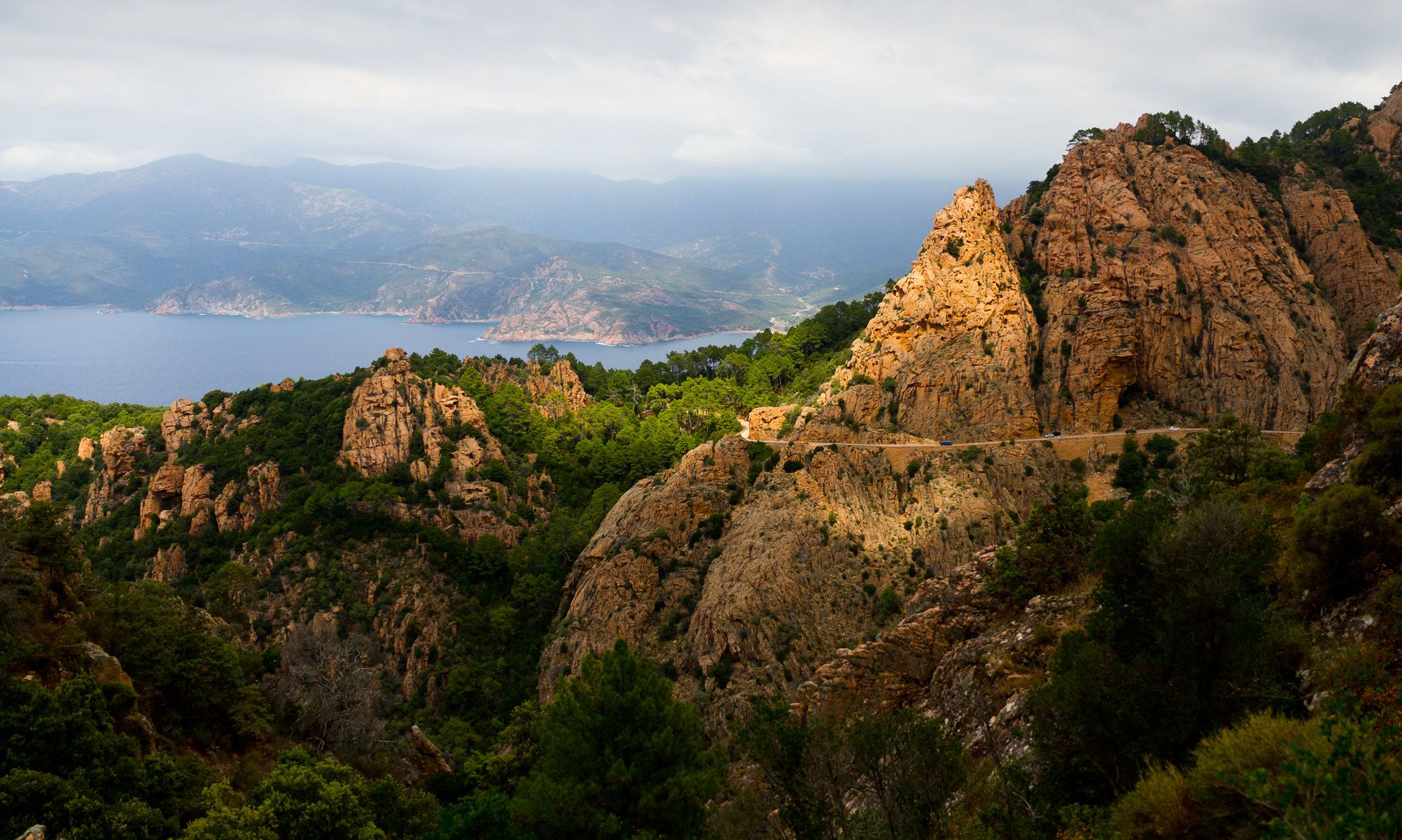
From Cape Corsica to Syracuse — three Mediterranean islands
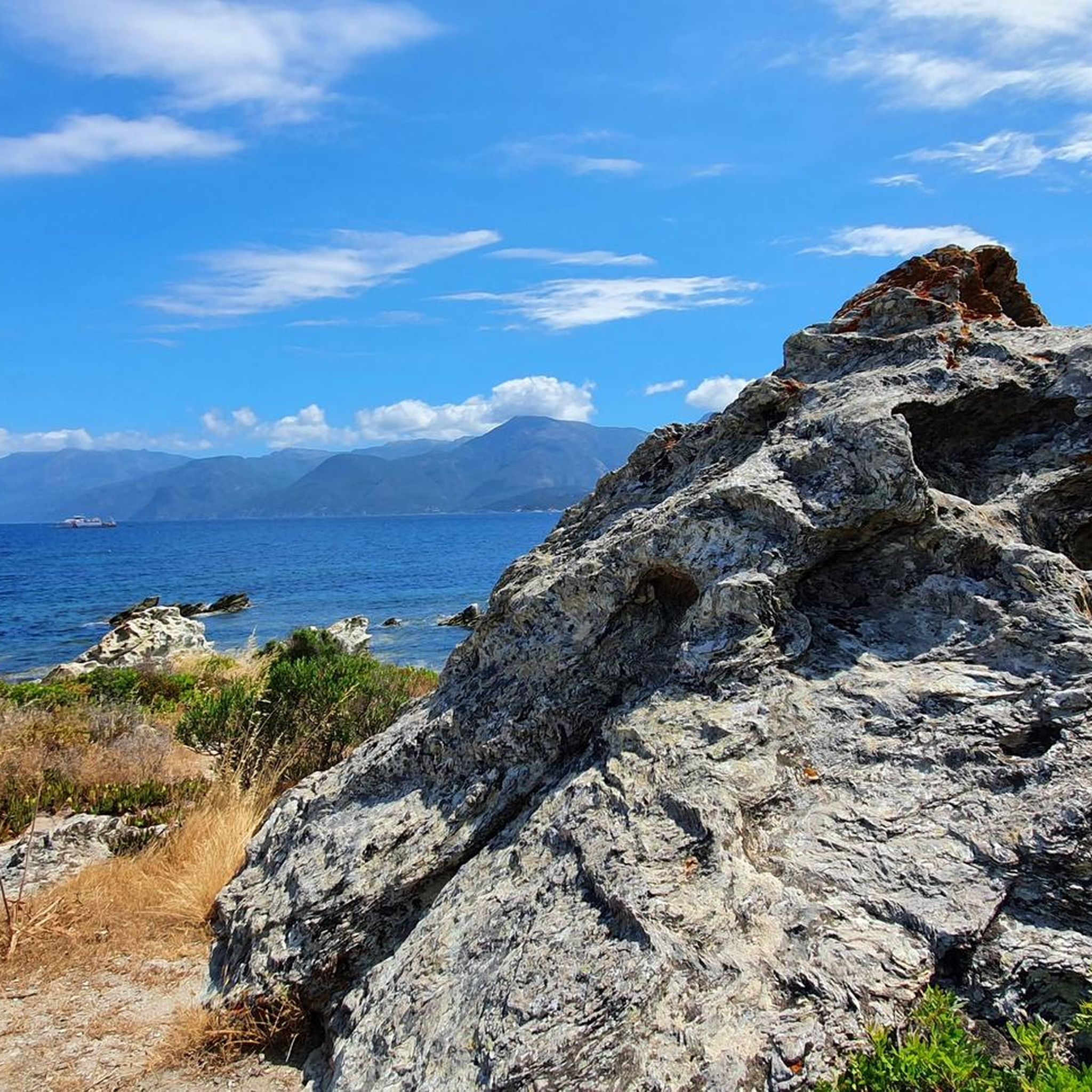
Hiking around Saint-Florent
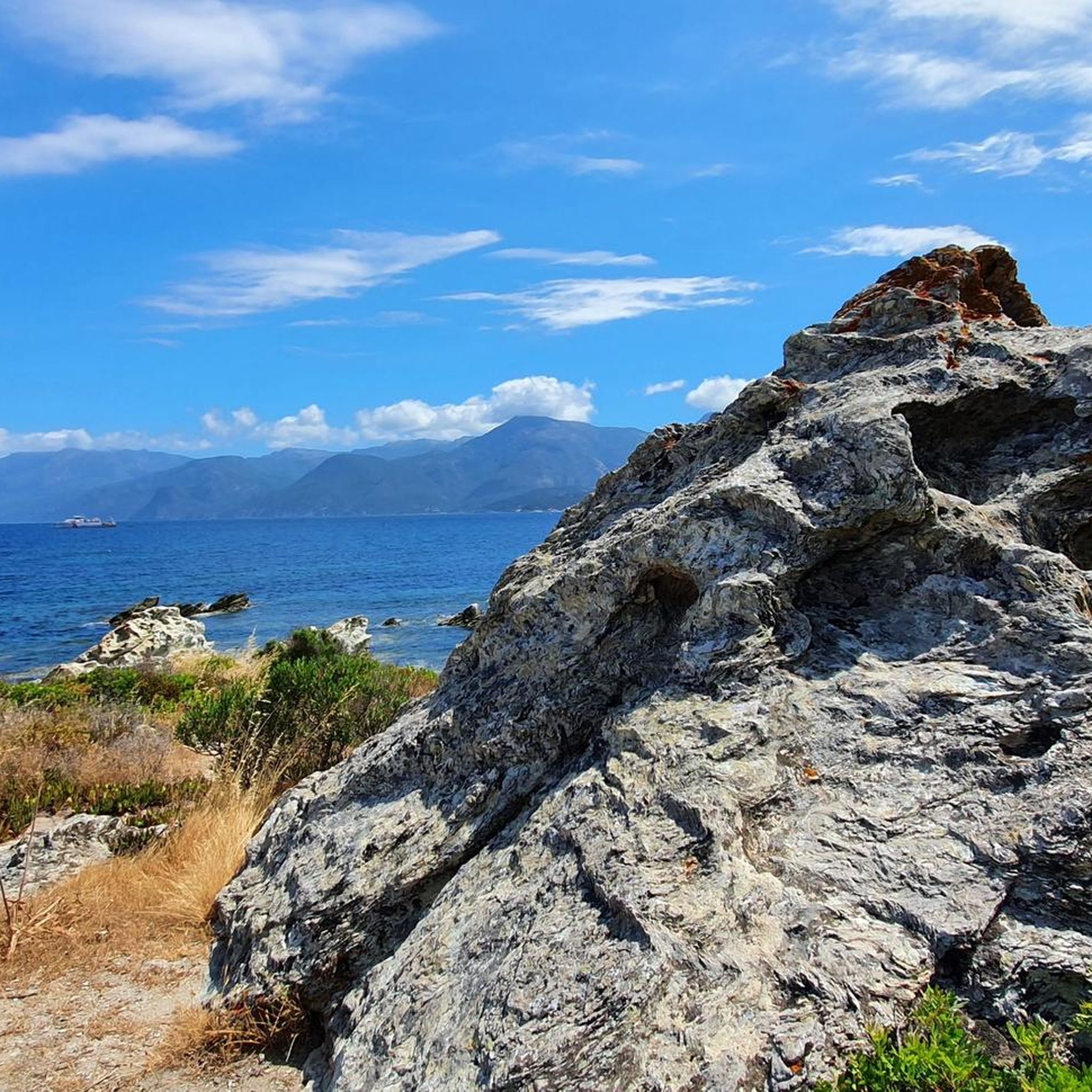
Road Cycling Routes around Saint-Florent
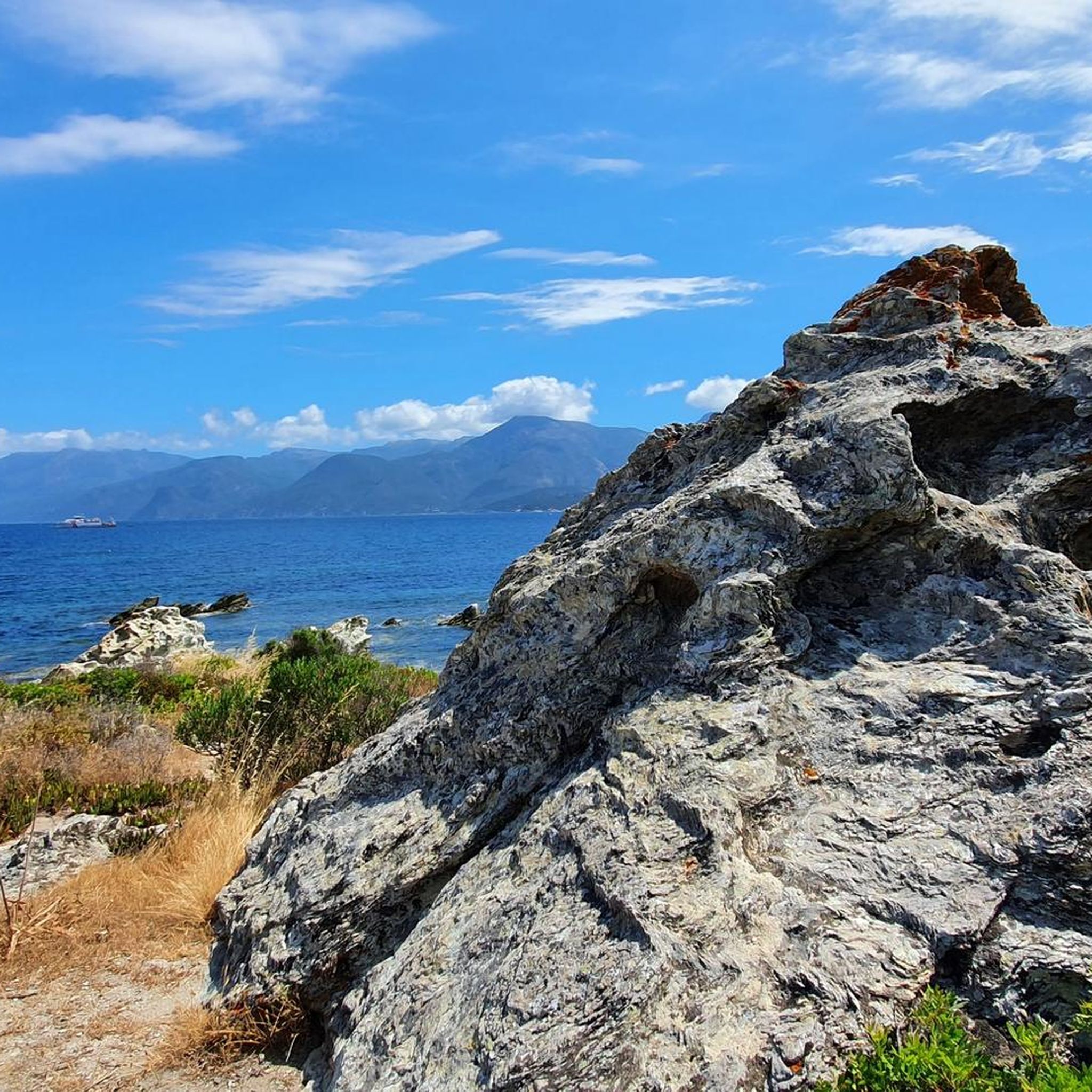
Cycling around Saint-Florent
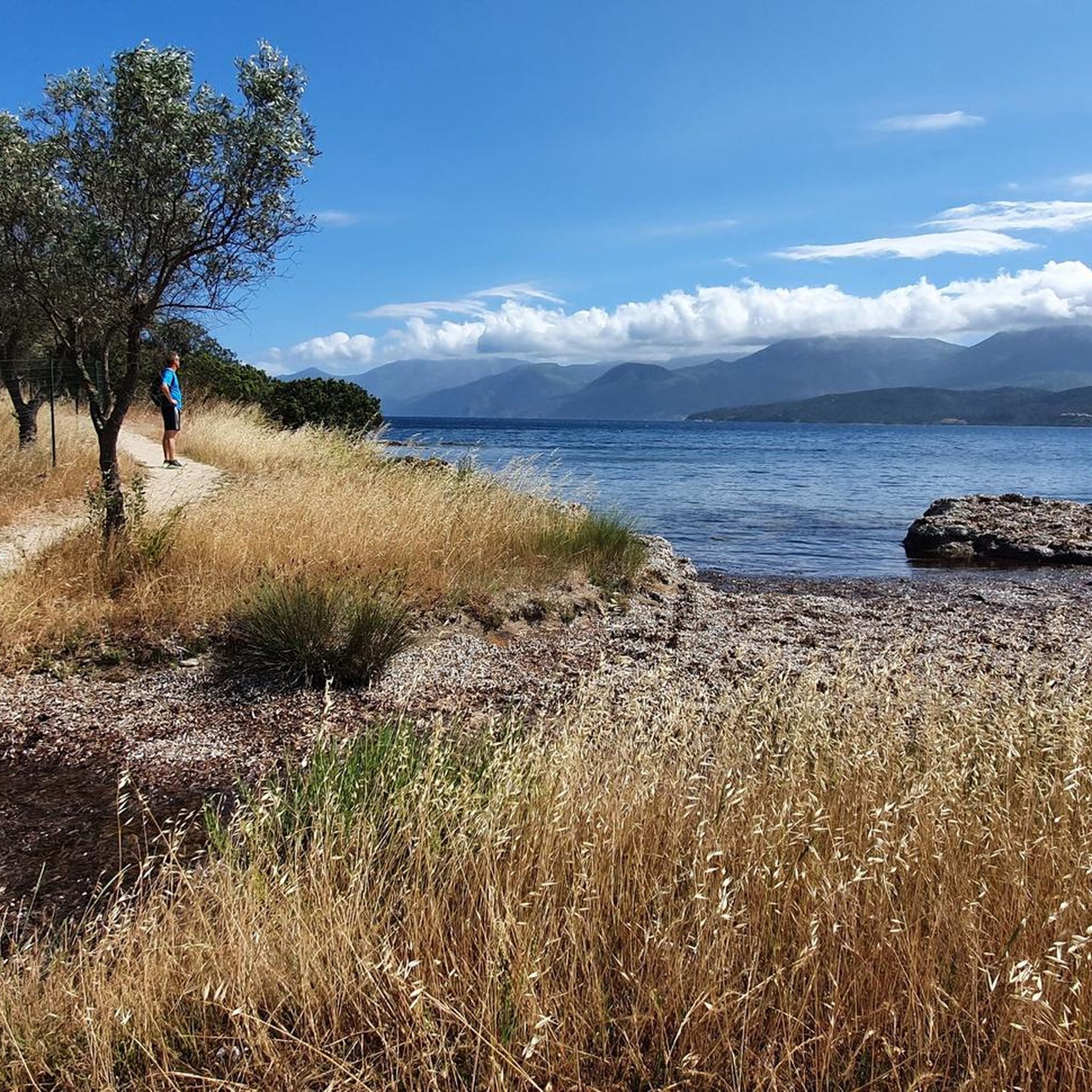
Running Trails around Saint-Florent
MTB Trails around Saint-Florent

Gravel biking around Saint-Florent
Other adventures around Saint-Florent


Tips from the Community

The church is the largest church in Corsica. It was built between 1636 and 1666.
0
0

Saint-Florent is also known as "the Corsican Saint-Tropez" because of its Mediterranean flair. In the 1970s, Saint-Florent was a place for the jet set. The town is located high in the northwest of the island of Corsica on the Gulf of the same name between the almost uninhabited Désert des Agriates and Cap Corse.
2
0
Saint-Florent dates back to a small settlement that once arose in the protection area of the Genoese round fortress. The citadel was built by the Genoese in 1440 and served as the seat of the Bishop of Nebbio and the governor's palace until the 18th century. The small Pianese church from the 12th century, Santa Maria Assunta, was built as a cathedral for the then diocese of Nebbio.
2
0
Although malaria raged devastatingly, the town was fiercely fought over by the French, Genoese and Corsicans in the 16th century. However, little remains of the fortress built in 1439, apart from the round keep. The fortress itself was demolished in the 17th century when Genoa's rule seemed secure and Saint-Florent no longer had any strategic importance. The town experienced a new growth spurt after Napoleon III ordered the draining of the swamps, thus eradicating the cause of malaria.
2
0
Saint-Florent (Corsican: San Fiurenzu; Italian: San Fiorenzo) is a French commune and the capital of the Nebbio region on the Mediterranean island of Corsica with 1,689 inhabitants.
2
0

I can definitely recommend the sentier du littoral but even if it seems easy to ride at the beginning, the last third is almost entirely a carrying section and cycling is not prohibited here for no reason.
0
0

Saint John the Baptist (Saint Jean Baptiste), to whom this church in Bastia is dedicated, is—like Saint Joseph—a man on the threshold between the Old and New Testaments. His parents are Zechariah and Elizabeth. After announcing the Incarnation through them, the Mother of God visits her relative Elizabeth, who, in her old age, will give birth to a son, John the Baptist. John the Baptist is six months older than Jesus and is considered his forerunner. He lives in the desert, preaches repentance from sin to the Jewish population, and baptizes them in the Jordan River. Jesus also comes there to be baptized, where he is filled with the Holy Spirit, who descends upon him from heaven. The feast day of Saint Jean Baptiste in the calendar of saints is June 24, exactly six months before Christmas Eve.
0
0

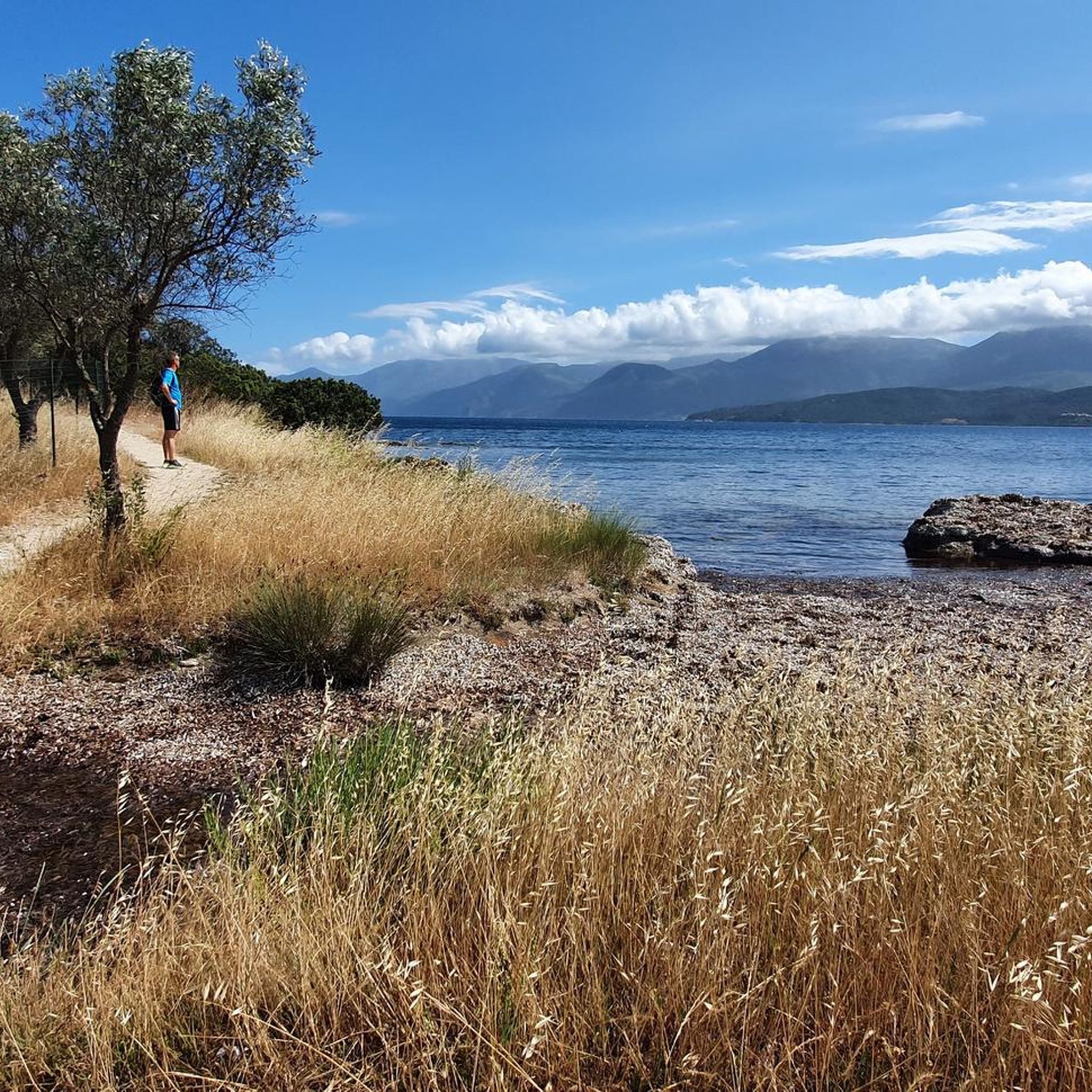
Beautiful coastal hike. Be sure to take your swimming costume with you - there are many beautiful bays.
0
0
Frequently Asked Questions
What historical sites can I explore in Saint-Florent?
Saint-Florent offers a rich history, notably with the impressive Citadel of Saint-Florent, a 15th-century Genoese fortress offering panoramic views. You can also visit the 12th-century Pisan-Romanesque Cathedral of Santa Maria Assunta, known for its elegant architecture, and the remains of the Mortella Tower, a significant Genoese defensive structure located west of town.
Are there family-friendly attractions around Saint-Florent?
Yes, Saint-Florent is great for families. Lotu Beach is particularly popular for its turquoise waters and shallow seabed, making it ideal for children. The Saint-Florent Frog Fountain area in the old town is also a lively spot with cafes and restaurants, perfect for a family stroll.
What natural attractions are there to discover near Saint-Florent?
The region is renowned for its natural beauty. The Désert des Agriates, a vast protected scrubland, offers wild coves and pristine landscapes accessible by boat or hiking. You can also enjoy the stunning beaches like Plage de Saleccia and Plage du Loto, or explore the dramatic coastal scenery of Cap Corse.
Where can I find the best beaches around Saint-Florent?
Saint-Florent boasts several beautiful beaches. Lotu Beach is famous for its shallow, clear waters, perfect for families. Plage de Saleccia is often cited as one of Corsica's most beautiful, with silver sand and turquoise waters, though it's more secluded. For easy access from town, Plage de la Roya offers fine sand and calm waters.
What kind of outdoor activities can I do near Saint-Florent?
The area is perfect for outdoor enthusiasts. You can embark on various hiking routes, including coastal paths leading to historical sites like the Mortella Tower or through the Désert des Agriates. There are also numerous road cycling and touring bicycle routes that explore the Nebbio region and Cap Corse, offering stunning views.
Are there any notable viewpoints in the Saint-Florent area?
Absolutely. The Citadel of Saint-Florent provides excellent panoramic views of the harbor and bay. Mortella Point, with its historic tower, offers views of Saint-Florent and Cap Corse. The Saint-Florent Frog Fountain area in the old town also serves as a charming viewpoint over the bustling city center.
What is the best time to visit Saint-Florent for attractions and outdoor activities?
The best time to visit Saint-Florent is generally during the spring (April-June) and early autumn (September-October) when the weather is pleasant for outdoor activities like hiking and cycling, and the crowds are smaller. Summer (July-August) is ideal for beach activities and water sports, though it can be busier, and the Citadel often hosts cultural events and music festivals during this period.
Can I go wine tasting near Saint-Florent?
Yes, the Patrimonio region, adjacent to Saint-Florent, is famous for its vineyards and produces some of Corsica's best wines. You can follow the 'route des vins' to visit numerous vineyards and enjoy wine tastings, as Patrimonio was classified as an AOC (Appellation d'Origine Contrôlée) in 1968.
What do visitors enjoy most about Saint-Florent?
Visitors frequently praise the lively atmosphere of the old town and marina, with its vibrant cafes and restaurants. Many also appreciate the stunning natural beauty, particularly the turquoise waters of Lotu Beach and the dramatic coastal views from places like Mortella Point. The blend of historical sites and pristine nature is a major draw.
Are there opportunities for boat trips from Saint-Florent?
Absolutely. Saint-Florent's marina is a hub for boat excursions. You can take trips to explore the wild Agriates coast and its famous beaches like Saleccia and Loto, which are often best accessed by sea. Boat tours around Cap Corse are also popular for experiencing the dramatic landscapes where mountains meet the sea.
What kind of hiking trails are available around Saint-Florent?
There's a variety of hiking trails, from easy coastal walks to more challenging routes. A pleasant coastal walk leads to the Mortella Tower. The Désert des Agriates also offers scenic footpaths, including longer routes like the 'View of Anse de Fornali – Plage de Saleccia loop' which is considered difficult, or moderate options like the 'Coastal Path loop from Olzo'.
Can I find local markets in Saint-Florent?
Yes, Saint-Florent hosts bustling local markets. These markets offer a wonderful opportunity to experience Corsican culture, featuring fresh produce, local delicacies, and homemade goods. They are a great place to find authentic souvenirs and taste regional specialties.
Most popular routes around Saint-Florent
Most popular attractions around Saint-Florent

Get inspired with the komoot mobile app


Explore more
Still not found the Highlight you’re looking for? See guides of the top attractions in other regions:
