Attractions and Places To See around Loos-En-Gohelle - Top 20
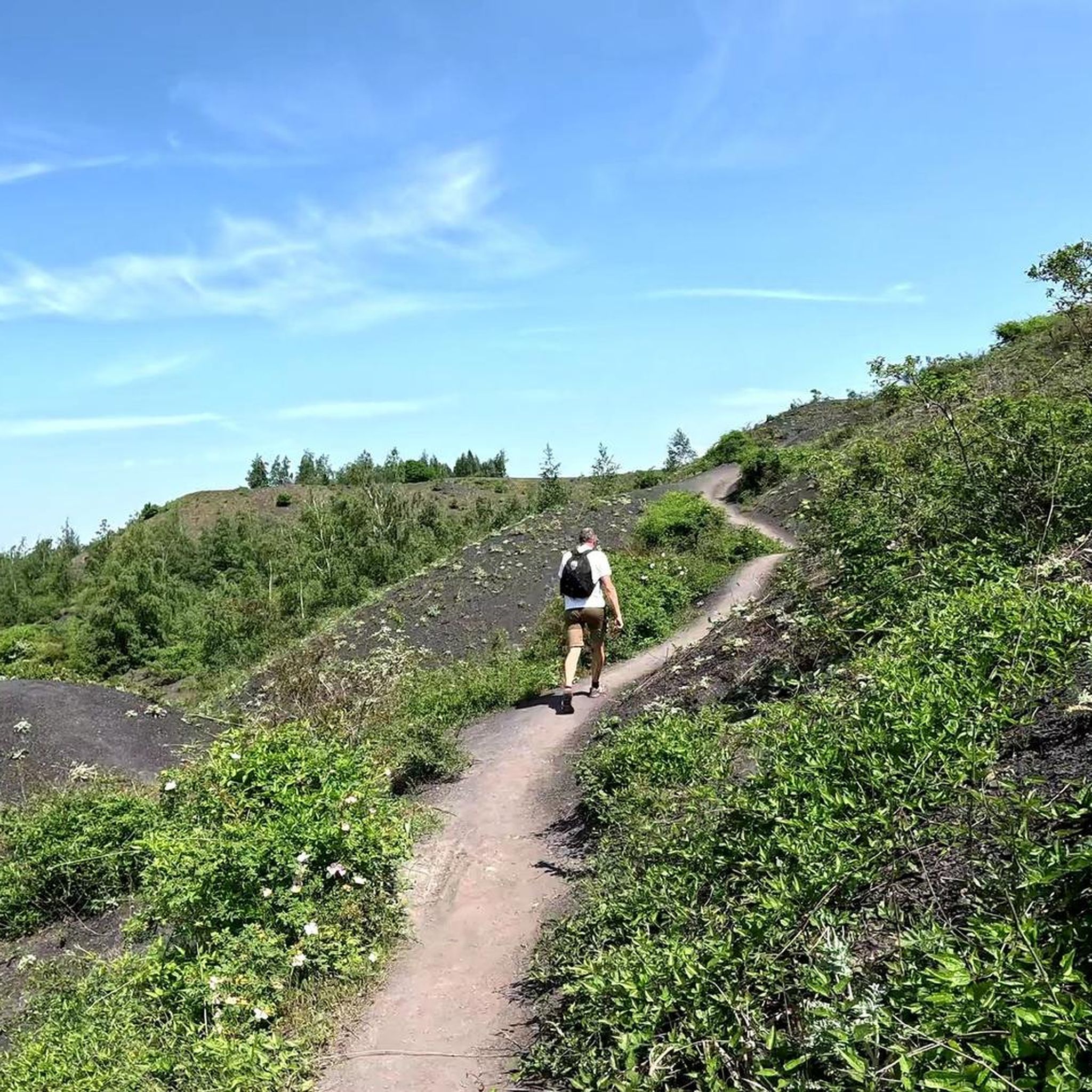
Best attractions and places to see around Loos-En-Gohelle highlight a region shaped by both industrial heritage and significant World War I history. The landscape features unique man-made mountains, the twin slag heaps, which are now recognized for their biodiversity and offer panoramic views. This area provides insights into its mining past, wartime events, and subsequent natural transformation. Visitors can explore numerous historical sites and natural features that reflect the area's distinct character.
Best attractions and places to see around Loos-En-Gohelle
…Last updated: August 26, 2026
Canadian National Vimy Memorial
Highlight (Segment) • Monument
Translated by Google •
Tip by

Notre-Dame-de-Lorette National Cemetery
Highlight • Historical Site
Translated by Google •
Tip by

Sign up now to discover places like this
Get recommendations on the best single tracks, peaks, & plenty of other exciting outdoor places.
Sign up for free
The Church of Ablain-Saint-Nazaire
Highlight • Historical Site
Showing Translation
Tip by

Towards the Canadian trenches of Vimy
Highlight • Monument
Translated by Google •
Tip by
Canadian Memorial
Highlight • Other
Translated by Google •
Tip by
Sign up for free to discover even more attractions around Loos-En-Gohelle.
Sign up for free
Already have an account?
Start today with a free account
Your next adventure awaits.
Login or Signup

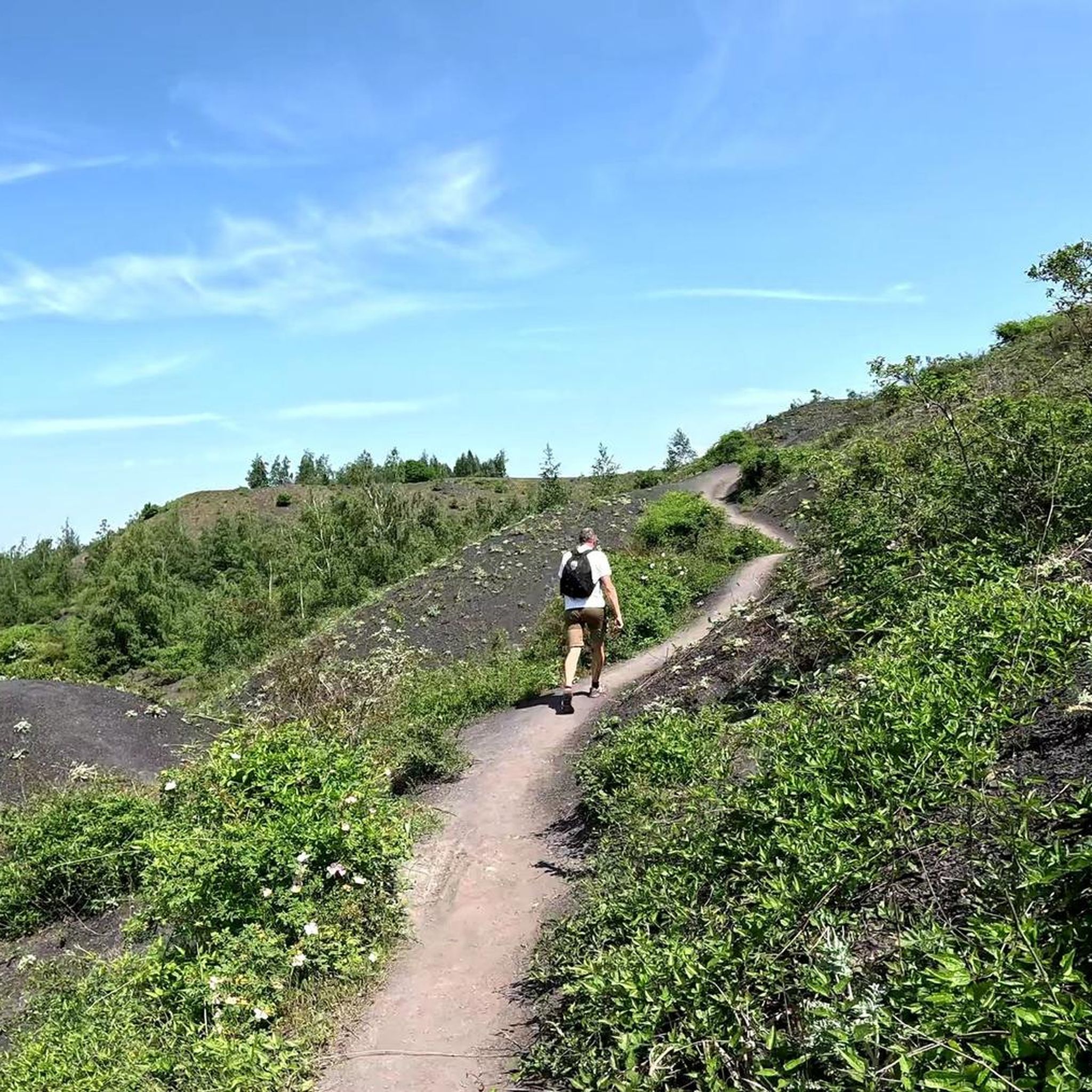
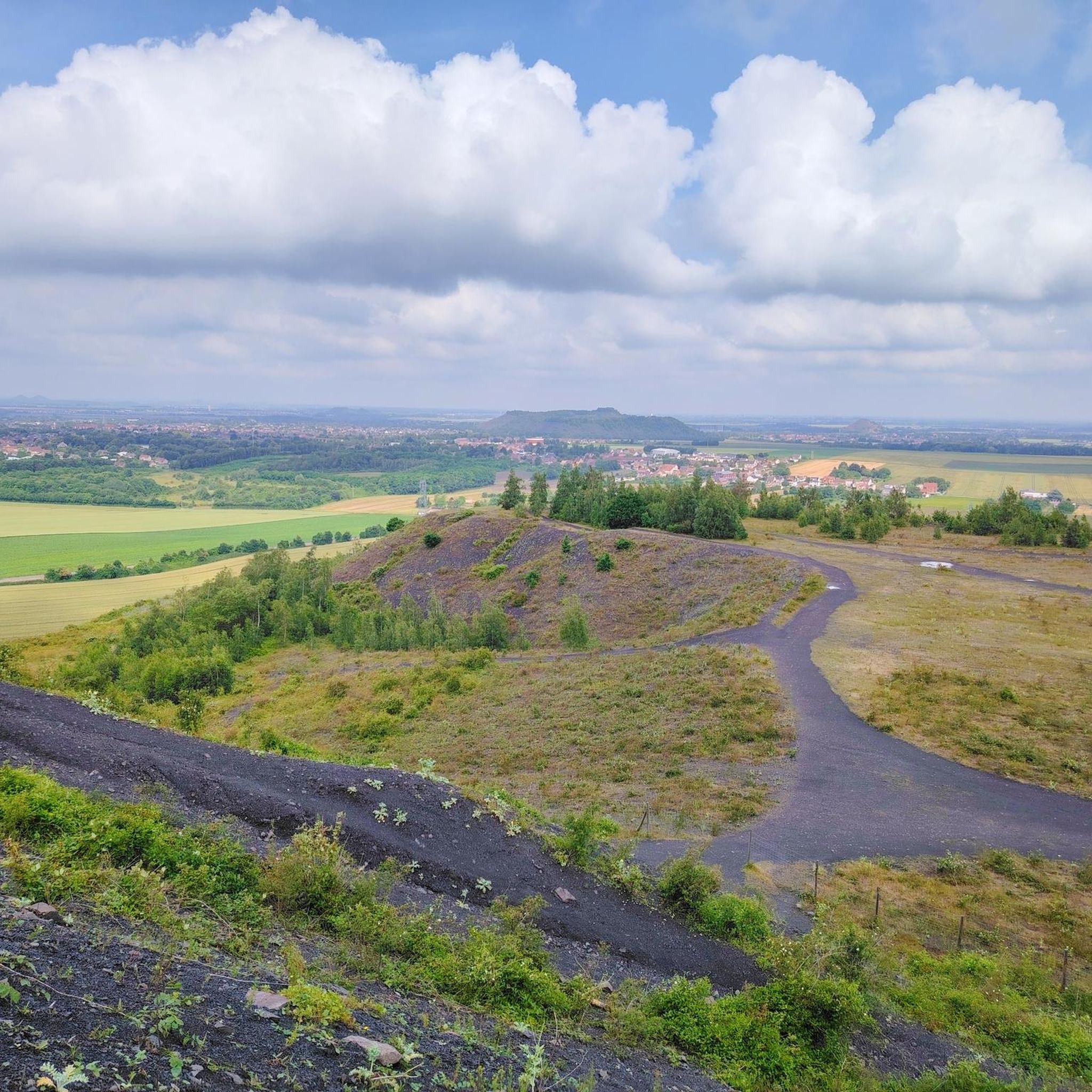
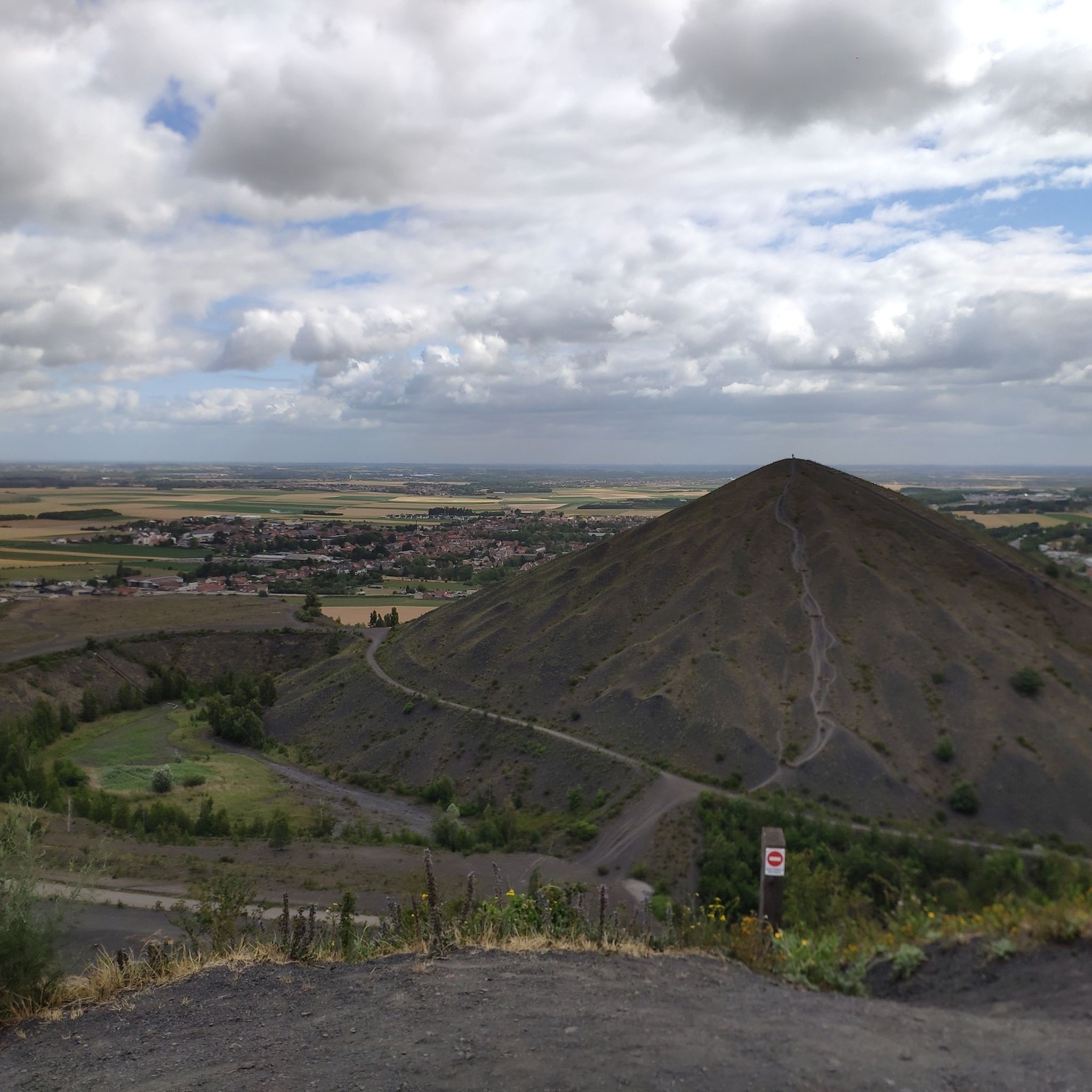

Other adventures around Loos-En-Gohelle

Tips from the Community

Magnificent memorial. The site as a whole is pleasant and rather touristy.
0
0

The ruins of the old church of Ablain-Saint-Nazaire are an impressive and symbolic remnant of the First World War. This church, built in the 16th century in flamboyant Gothic style by Jacques Le Caron, was heavily damaged during the fighting in 1915. The ruins have been preserved as a monument to commemorate the horrors of war.
7
0
A remarkable story about the Canadian trenches concerns the preparations for the attack on Vimy Ridge in April 1917. The Canadian divisions used an underground quarry and created additional corridors towards the front. These tunnels and trenches played a crucial role in the success of the attack, with the Canadians managing to retake the strategically important ridge in just three days.
7
0
A remarkable story about the ruins concerns the decision not to rebuild the church after the war. Although the church had been classified as a historical monument in 1908, the Commission for Historical Monuments decided that the ruins should remain as a testimony to the German destruction. Ironically, it was the French guns that had destroyed the church, but the ruins became a symbol of the war and the reconstruction.
6
0
The Nécropole nationale de Notre-Dame-de-Lorette is one of the largest and most impressive military cemeteries in France. Situated on a hill in Ablain-Saint-Nazaire, this cemetery contains the graves of more than 42,000 soldiers who died during the First World War. The cemetery was inaugurated in 1925 and includes a basilica, a tower-lantern and a museum.
7
2

The Vimy Memorial is the most prestigious Canadian monument in Europe. It is located on the very site of the 1917 fighting near Vimy in the Pas-de-Calais region of France. Erected on the highest point of the hill, Hill 145, the objective of the operations that began on April 9, 1917, it overlooks the Douai Plain. In 1921, architect and sculptor Walter S. Allward (1875-1955) won the competition from the Canadian Battlefield Memorials Commission. The significance of the battles at the site and the favorable location at the top of the hill allowed Vimy to receive the most prestigious work.
1
0

The church dedicated to the Mother of God under the title "Notre-Dame de Lorette" rises in brilliant white and is visible from far away. But the brilliant impression is deceptive, at the latest when the visitor to the site realizes that they are in a huge military cemetery. Around 20,000 individual graves and a further 23,000 victims of war and tyranny buried in ossuaries are deeply disturbing.
3
0

I went there late one evening, a calm that does you good, a great panorama night and day
0
0
Frequently Asked Questions
What are the main historical landmarks in Loos-en-Gohelle?
Loos-en-Gohelle is rich in history, particularly from its mining past and the First World War. Key landmarks include the Canadian National Vimy Memorial, honoring Canadian soldiers, and the solemn Notre-Dame-de-Lorette National Cemetery, one of France's largest military cemeteries. The ruined church of Ablain-Saint-Nazaire stands as a poignant reminder of wartime destruction. Additionally, the Twin Slag Heaps (Terrils 11/19) are a symbol of the region's industrial heritage.
Where can I find the best panoramic views in the area?
For breathtaking panoramic views, head to the Twin Slag Heaps (Terrils 11/19). These are the highest slag heaps in Europe and offer views extending up to 30 kilometers, allowing you to see the transformed landscape and surrounding region.
What unique natural features can I explore in Loos-en-Gohelle?
The most unique natural features are the Twin Slag Heaps (Terrils 11/19). Once industrial byproducts, these man-made mountains have been reclaimed by nature and are now recognized as a Zone Naturelle d'Intérêt Écologique, Faunistique et Floristique (ZNIEFF). They host over 200 species of plants, 82 species of birds, and various other wildlife, making them surprising havens for biodiversity.
Are there family-friendly attractions in Loos-en-Gohelle?
Yes, several attractions are suitable for families. Historical sites like the Canadian National Vimy Memorial and Notre-Dame-de-Lorette National Cemetery offer educational experiences. Exploring the Twin Slag Heaps provides an opportunity for outdoor activity and learning about ecological transformation. The former Mining Site 11-19 (Écopolis) also hosts cultural activities that can be engaging for various ages.
What outdoor activities and trails are available near these attractions?
The area around Loos-en-Gohelle offers a variety of outdoor activities. You can find numerous trails for running, gravel biking, and mountain biking. For specific routes, explore the Running Trails around Loos-En-Gohelle, Gravel biking around Loos-En-Gohelle, and MTB Trails around Loos-En-Gohelle guides. Hiking to the top of the Twin Slag Heaps is also a popular activity.
When is the best time to visit Loos-en-Gohelle?
The best time to visit Loos-en-Gohelle generally depends on your interests. Spring and summer (May to September) are ideal for outdoor activities like hiking and cycling, and for enjoying the biodiversity of the slag heaps. This period also sees local events like the Gohéliennes festival in May and the traditional 'ducasse' in late August. The 'trail des terrils' race takes place in September. For historical sites, any time of year is suitable, though pleasant weather enhances the experience.
Are there any museums or cultural sites related to the region's history?
Yes, the Alexandre Villedieu Museum "On the Traces of the Great War" is dedicated to the 1914-1918 war in the area, showcasing objects and documents from daily life in the trenches. The former Mining Site 11-19 (Écopolis) also hosts "Culture Commune," a national stage performance hall, offering cultural experiences within a historic industrial setting.
Can I visit the former mining sites?
Yes, the Former Mining Site 11-19 (Écopolis) is open to visitors. It's classified as a Historic Monument and has been redeveloped to host economic and cultural activities, allowing you to explore the legacy of the region's mining past. The Twin Slag Heaps, part of this site, are also accessible for hiking.
What is the significance of the Twin Slag Heaps (Terrils 11/19)?
The Twin Slag Heaps (Terrils 11/19) are significant for multiple reasons. They are the highest slag heaps in Europe, symbolizing the region's intensive mining history. They are also part of the UNESCO World Heritage list as a "living and changing landscape." Beyond their industrial past, they have become remarkable havens for biodiversity, offering unique ecological interest and panoramic views.
Is the Louvre-Lens Museum easily accessible from Loos-en-Gohelle?
While not directly in Loos-en-Gohelle, the Louvre-Lens Museum is conveniently located less than 20 minutes' walk from the Twin Slag Heaps. It presents masterpieces from the Louvre-Paris, making it an easily accessible cultural extension to your visit in the area.
What is the historical context of the Canadian National Vimy Memorial?
The Canadian National Vimy Memorial commemorates Canadian soldiers who died in France during the First World War, particularly those with no known grave. It stands on Vimy Ridge, the site of a significant battle in April 1917 where Canadian divisions achieved a notable victory. The memorial itself is an impressive structure with statues and towering white spires, symbolizing the enduring bond between Canada and France.
Are there any specific walking or interpretive circuits to explore the area?
Yes, there are seven thematic interpretive circuits available, ranging from 1.1 to 4 km. These circuits are designed to help visitors explore the industrial and historical heritage of Loos-en-Gohelle, covering themes such as landscapes, war, mining history, and sustainable development, offering a structured way to discover the area's unique character.
Most popular routes around Loos-En-Gohelle
Most popular attractions around Loos-En-Gohelle

Get inspired with the komoot mobile app


Explore more
Still not found the Highlight you’re looking for? See guides of the top attractions in other regions:
