Attractions and Places To See around La Rouvière - Top 20
Best attractions and places to see around La Rouvière are primarily found in the Gard department, offering a blend of historical sites and natural landscapes. This region is characterized by its Roman heritage, such as ancient towers and quarries, alongside scenic viewpoints over rivers and plains. Visitors can explore areas known for their unique dry-stone structures and diverse terrain. The landscape provides opportunities to discover both historical remnants and expansive natural vistas.
Best attractions and places to see around La…
Last updated: July 7, 2026
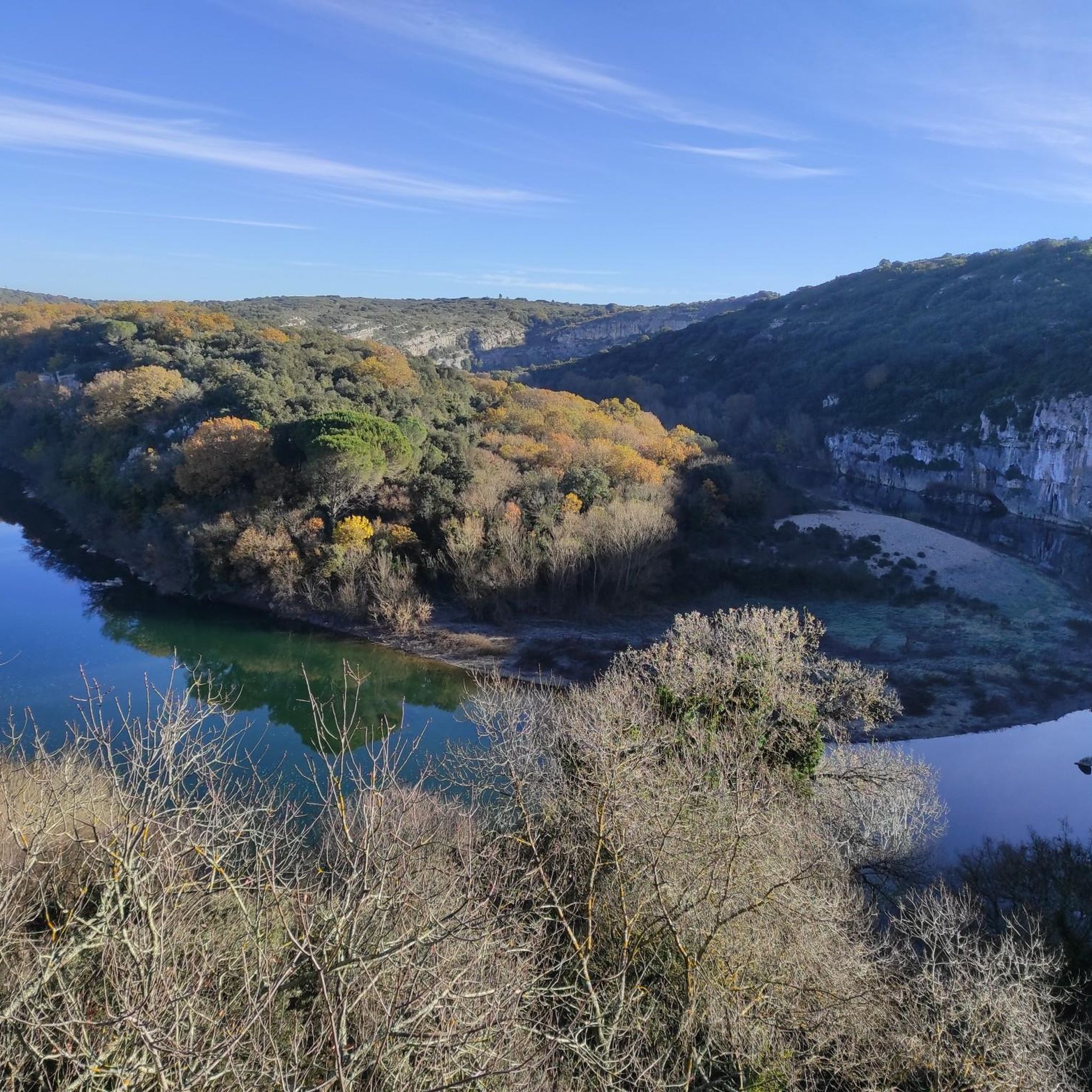
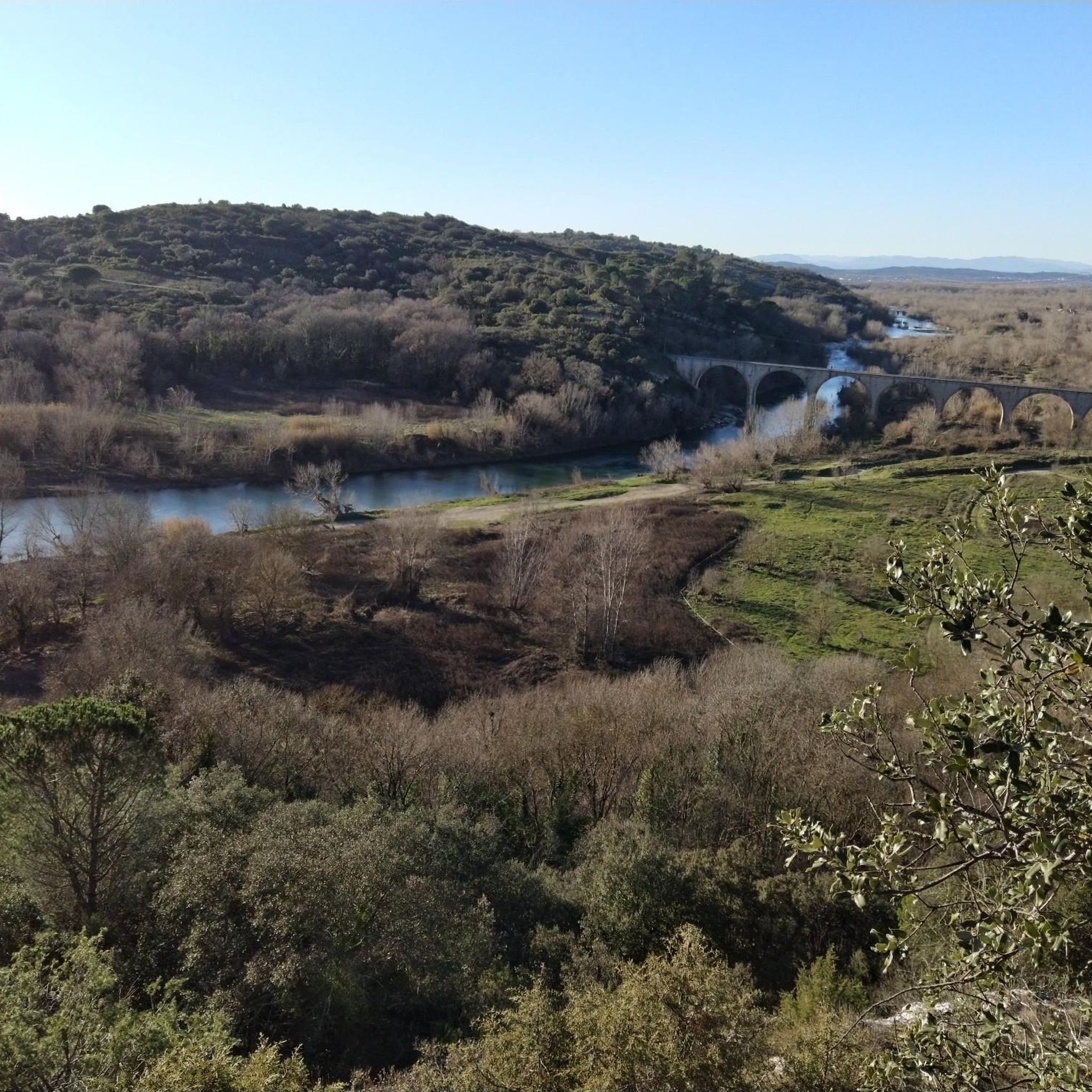
Le Castellas – View over the Gardon
Highlight • Viewpoint
Translated by Google •
Tip by

View of the Vaunage
Highlight • Viewpoint
Translated by Google •
Tip by

Sign up now to discover places like this
Get recommendations on the best single tracks, peaks, & plenty of other exciting outdoor places.
Sign up for free
Magne Tower
Highlight • Historical Site
Translated by Google •
Tip by

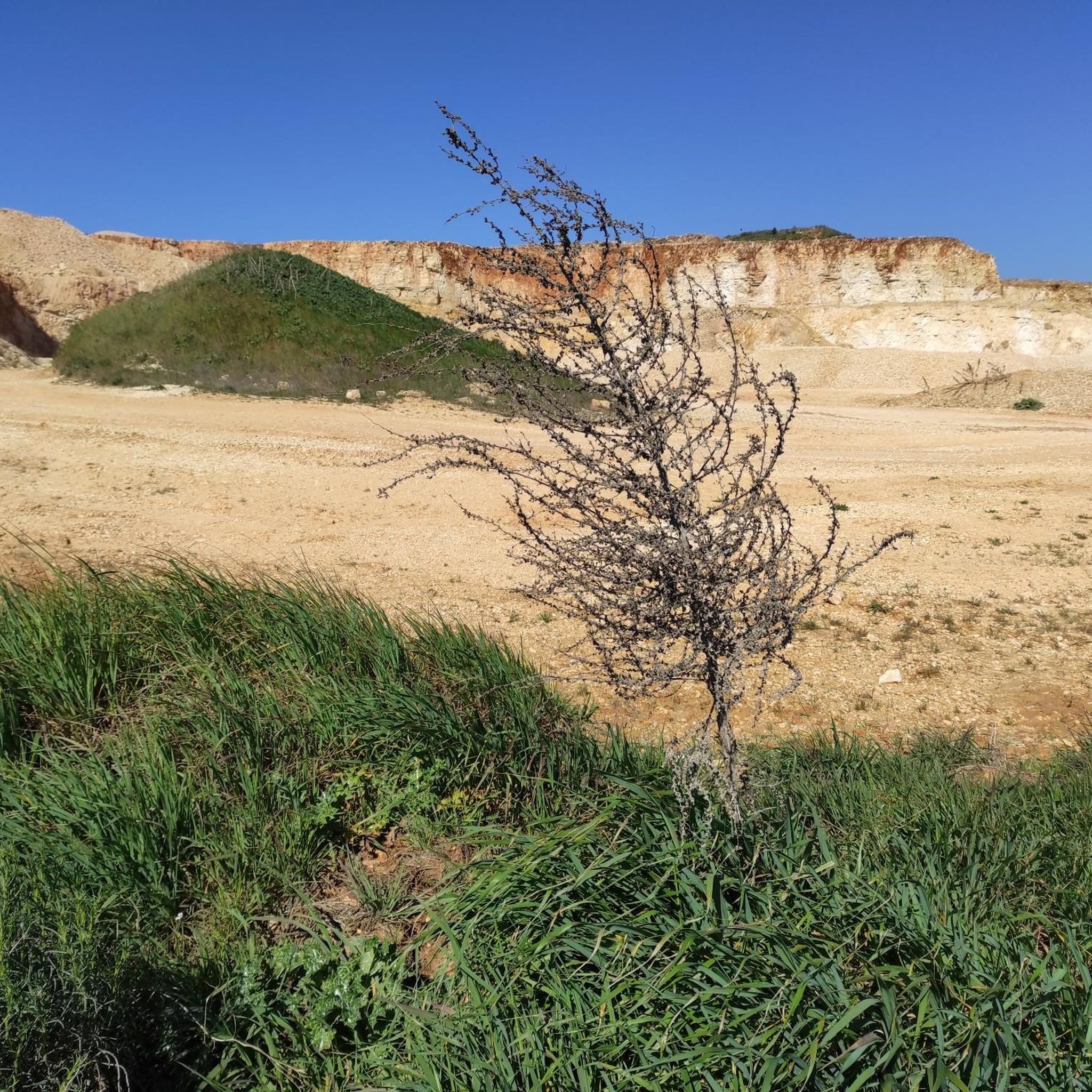
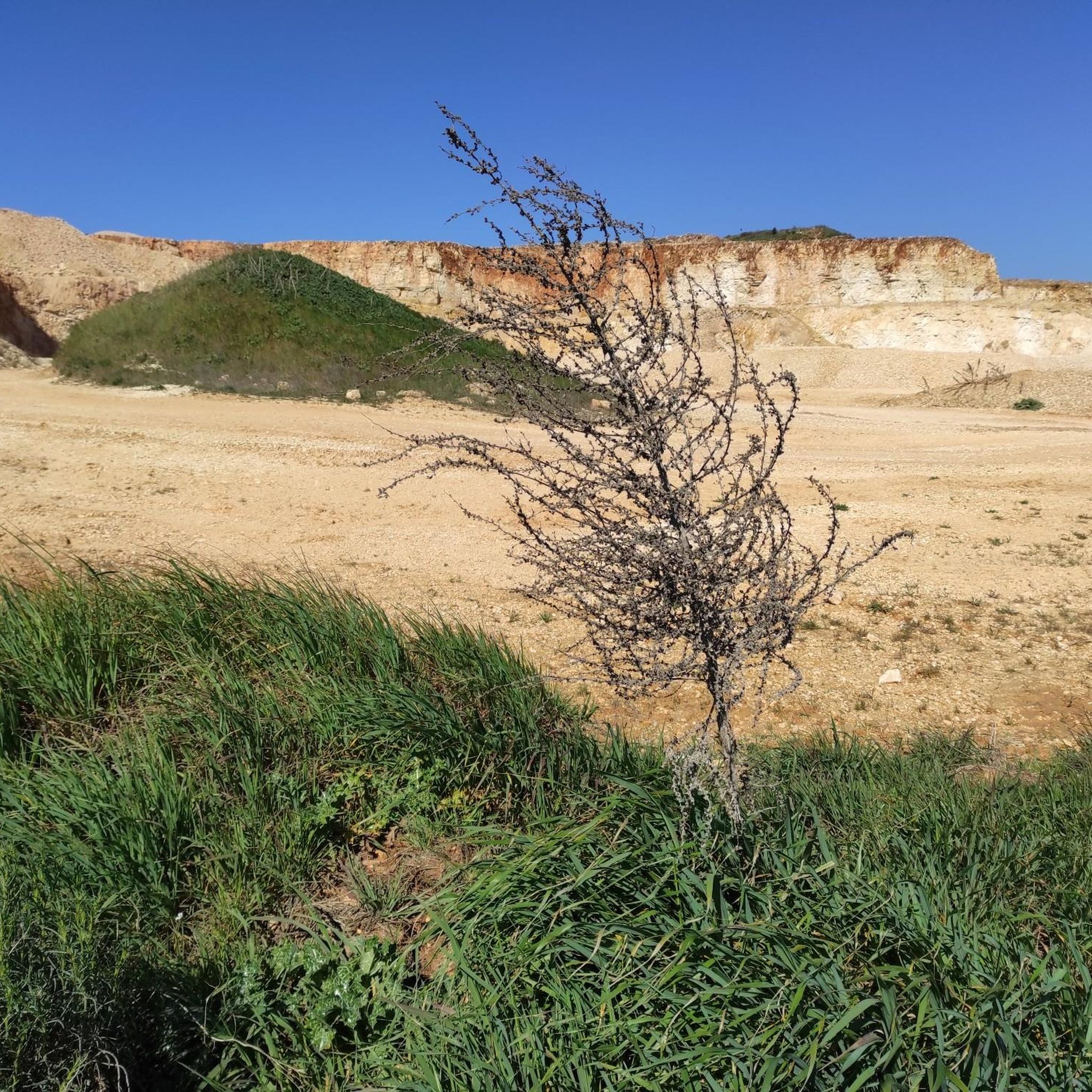
Ancient Roman Quarry
Highlight • Historical Site
Tip by

The Large Solitary Capitelle (Clos de Gaillard)
Highlight • Historical Site
Translated by Google •
Tip by
Sign up for free to discover even more attractions around La Rouvière.
Sign up for free
Already have an account?
Start today with a free account
Your next adventure awaits.
Login or Signup

Tips from the Community

Beautiful viewpoint over the meanders of the Gardon below
0
0
Superb view of the meandering Gardon River below. The small adjoining cave provides shelter if needed, but access is a bit tricky.
0
0
Very pretty capitelle, I learned that the word comes from hat in Occitan, for their often pointed roof
0
0
Lens limestone was primarily reserved for intricately decorated works, as its composition allows for fine and in-depth work. It was shipped to Arles or Beaucaire before being exported to construction sites all around the Mediterranean. But in Nîmes, it was of course used for all the ornamentation of the arenas, the Maison Carrée, and the Temple of Diana. https://echosdeleinsgardonnenque.fr/en-visite-aux-carrieres-romaines/
0
0

The heights of Saint-Côme offer a privileged playground for mountain biking. There are many trails and the terrain offers an interesting succession of climbs and descents. Indeed, the Vaunage, the plain located between Nîmes and Sommières, ends here to give way to the hills. The spot is perfect for admiring the landscape.
0
0

Stunning and sporty
0
0

Historical relic.
0
0

From the top of the hill, approaching from the back, stands this Roman tower. Always impressive.
0
0
Frequently Asked Questions
What kind of attractions can I find around La Rouvière?
The area around La Rouvière, particularly in the Gard department, offers a mix of historical sites and natural landscapes. You can explore ancient Roman structures like the Magne Tower in Nîmes and an Ancient Roman Quarry, alongside scenic viewpoints such as Le Castellas – View over the Gardon and View of the Vaunage. The region is also known for unique dry-stone structures like the Large Solitary Capitelle.
Are there historical sites to visit near La Rouvière?
Yes, the region is rich in history. You can visit the Magne Tower in Nîmes, a Roman tower from the first century BC that offers elevated views. Another significant historical spot is the Ancient Roman Quarry. Additionally, you can find traditional dry-stone shelters, known as capitelles, such as the Large Solitary Capitelle (Clos de Gaillard), which are historical relics of the region's agricultural past.
What natural features or viewpoints are worth seeing?
For stunning natural views, visit Le Castellas – View over the Gardon, which offers a magnificent belvedere over the Gardon river. Another excellent spot for panoramic vistas is the View of the Vaunage, where you can admire the landscape of the Vaunage plain. The region also features gorges and natural monuments.
What outdoor activities can I do near these attractions?
The area around La Rouvière is great for various outdoor activities. You can find numerous cycling routes, including options for touring bicycles, mountain biking, and road cycling. For example, there are routes like the 'Magne Tower – Tour Magne Ascent loop' for cycling, or 'Ancient Roman Quarry loop' for mountain biking. You can explore more options on the dedicated guides for Cycling around La Rouvière, MTB Trails around La Rouvière, and Road Cycling Routes around La Rouvière.
Are there family-friendly attractions around La Rouvière?
Yes, some attractions are suitable for families. The Large Solitary Capitelle (Clos de Gaillard) is listed as family-friendly, offering an interesting historical relic to explore. Additionally, the wider Gard department offers attractions like the Haribo Candy Museum in Uzès and Le Village des Enfants amusement park in Montagnac, which are popular with children.
What is the best time to visit La Rouvière for outdoor activities?
For outdoor activities like hiking and cycling, the off-season days are often recommended, especially for places like Le Castellas – View over the Gardon. During summer, access to some areas might be regulated due to forest fire risks, so it's best to check local conditions. Spring and autumn generally offer pleasant weather for exploration.
What are 'capitelles' and where can I see them?
Capitelles are traditional dry-stone shelters and structures typical of the region, historically used for cultivation. You can see a well-preserved example at The Large Solitary Capitelle (Clos de Gaillard). These structures offer a glimpse into the historical agricultural practices of the area.
What are some notable Roman sites in the broader region of La Rouvière?
Beyond the immediate vicinity, the Gard department is renowned for its Roman heritage. In Nîmes, you can visit the well-preserved Amphitheatre, the Maison Carrée (a UNESCO World Heritage site), and the Magne Tower. The magnificent Pont du Gard, an ancient Roman aqueduct and also a UNESCO World Heritage site, is located approximately 20-30 minutes from Nîmes.
Are there hiking opportunities near La Rouvière?
Yes, the area provides numerous hiking opportunities, especially in the Cévennes region. The village of Notre Dame de la Rouvière is crisscrossed by hiking trails that lead to remarkable places like the Col de l'Asclier and Puech Sigal. While specific hiking routes are not detailed in the guide data, the presence of viewpoints and natural monuments suggests ample trails for exploration.
What do visitors enjoy most about the attractions around La Rouvière?
Visitors particularly appreciate the scenic views and historical significance of the attractions. The Castellas – View over the Gardon is highlighted for its magnificent and photogenic belvedere. The Magne Tower is valued for its historical context and the panoramic views it offers over Nîmes. The unique dry-stone capitelles also draw interest as historical relics.
Can I find information about the local agriculture or traditional practices?
Yes, the Taleyrac Valley, near Notre Dame de la Rouvière, is the historical cradle of the cultivation of the Sweet Onion of the Cévennes, an important agricultural activity still practiced today. Additionally, the capitelles, like the Large Solitary Capitelle, are remnants of past cultivation methods in the scrubland.
Are there any unique cultural or art sites in the area?
In Marseille, the residential complex of La Rouvière features the Bassin du Château de la Rouvière, listed as a cultural and art site. In the Cévennes, the area of Le Mazel is home to a beautiful former silk mill, now serving as a creative space for artists within an exceptional landscape.
Most popular routes around La Rouvière
Most popular attractions around La Rouvière

Get inspired with the komoot mobile app


Explore more
Still not found the Highlight you’re looking for? See guides of the top attractions in other regions:
