Attractions and Places To See around Doville - Top 20
Attractions and places to see around Doville include a variety of historical sites, natural landscapes, and coastal features. This region, situated along the Normandy coastline, offers a blend of maritime charm and historical depth. Visitors can explore ancient castles, estuaries, and significant landmarks. The area provides diverse opportunities for outdoor activities and cultural exploration.
Best attractions and places to see around Doville
- The most popular attractions is Portbail Bridge, a bridge built in 1873. This thirteen-arched bridge connects the…
Last updated: July 2, 2026
La Haye-du-Puits Castle
Highlight • Other
Translated by Google •
Tip by

Portbail Bridge
Highlight • Bridge
Translated by Google •
Tip by

Sign up now to discover places like this
Get recommendations on the best single tracks, peaks, & plenty of other exciting outdoor places.
Sign up for free
Guardhouse
Highlight • Religious Site
Translated by Google •
Tip by

Hiking art object see below
Highlight • Other
Translated by Google •
Tip by
Havre de Portbail
Highlight • Beach
Translated by Google •
Tip by
Sign up for free to discover even more attractions around Doville.
Sign up for free
Already have an account?
Start today with a free account
Your next adventure awaits.
Login or Signup
Tips from the Community


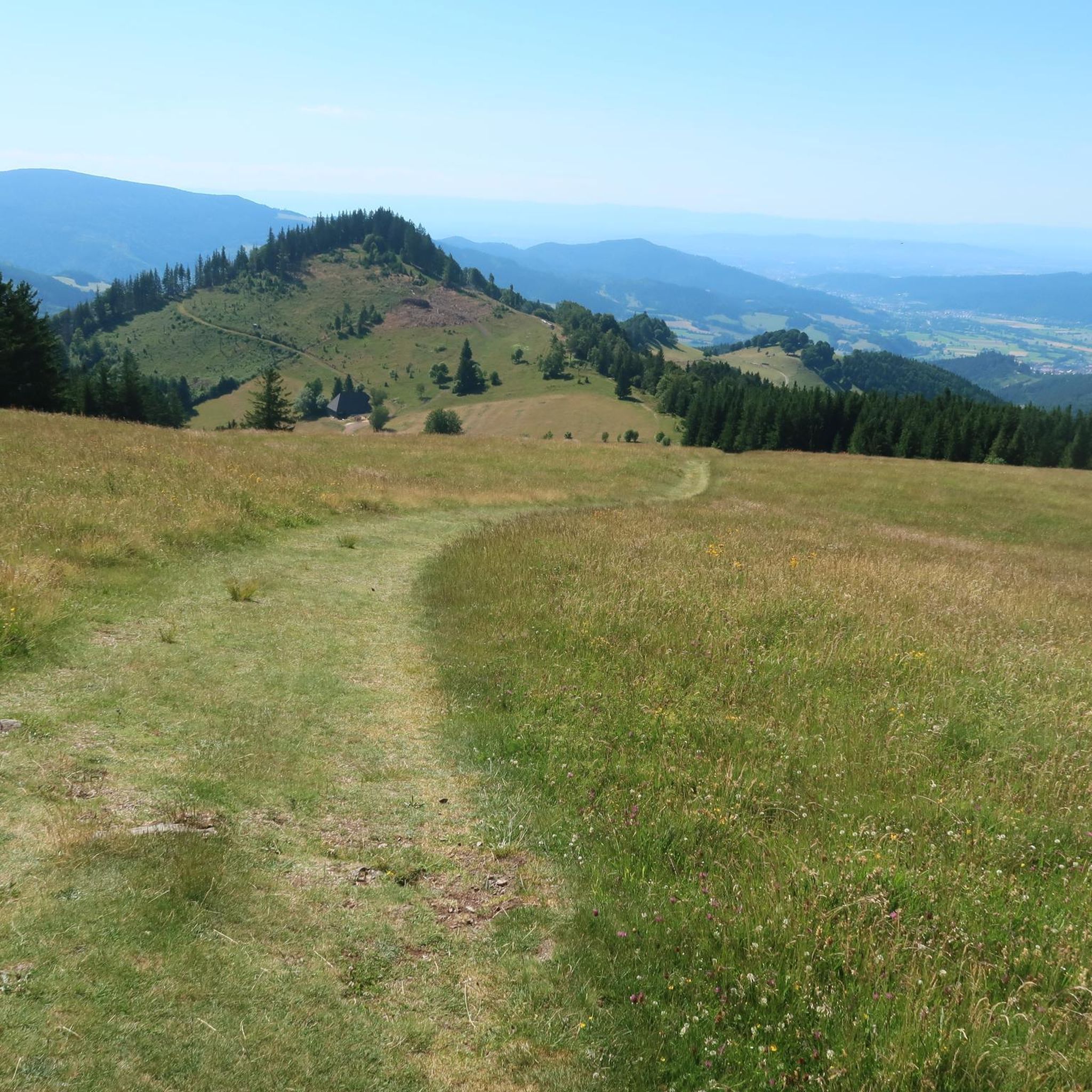
Very nice little hike: the sea, Le Havre, the dunes (and larks like never before).
1
0

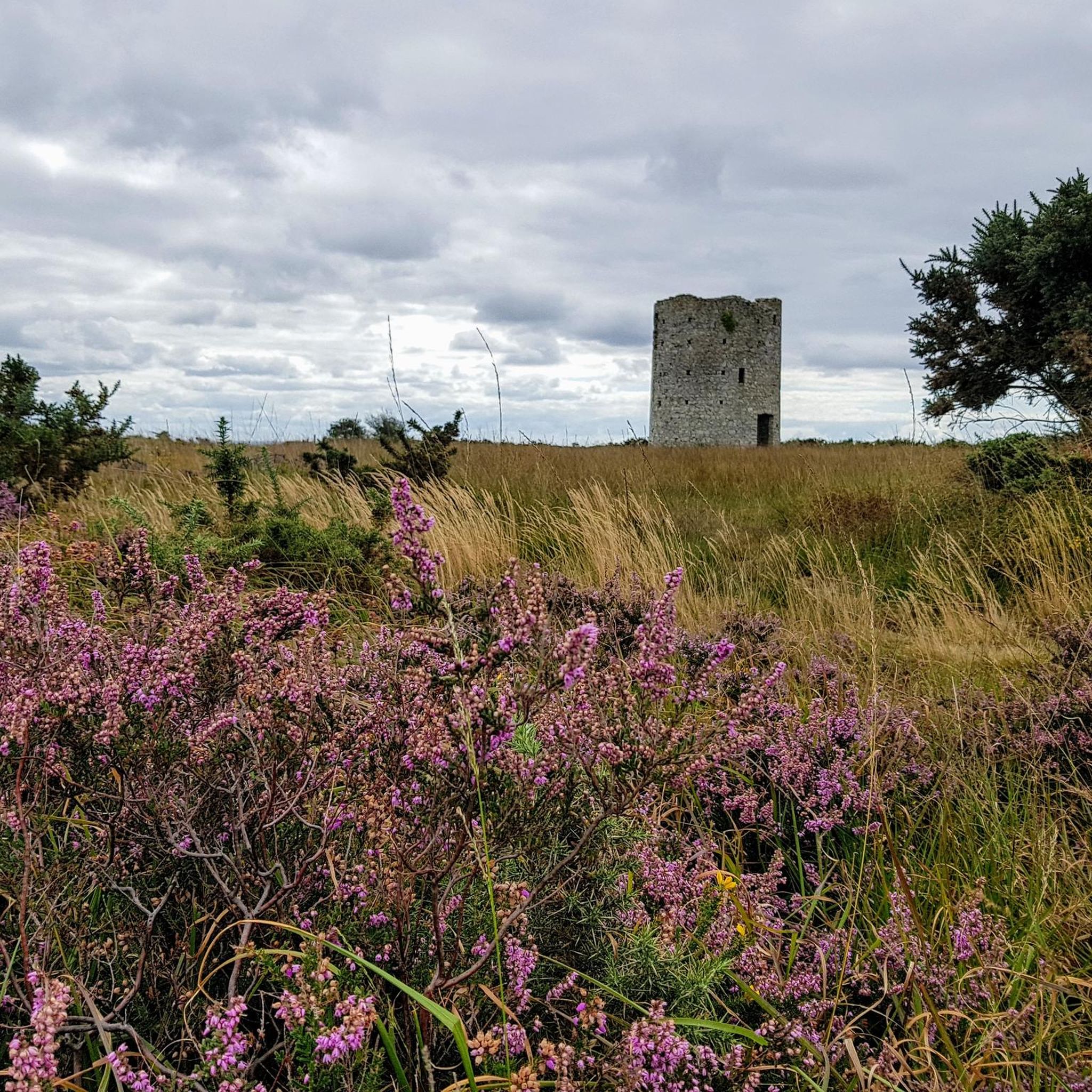
Norman castle dating from the 11th century. It remains private property, but you can stop and admire its exterior.
0
0

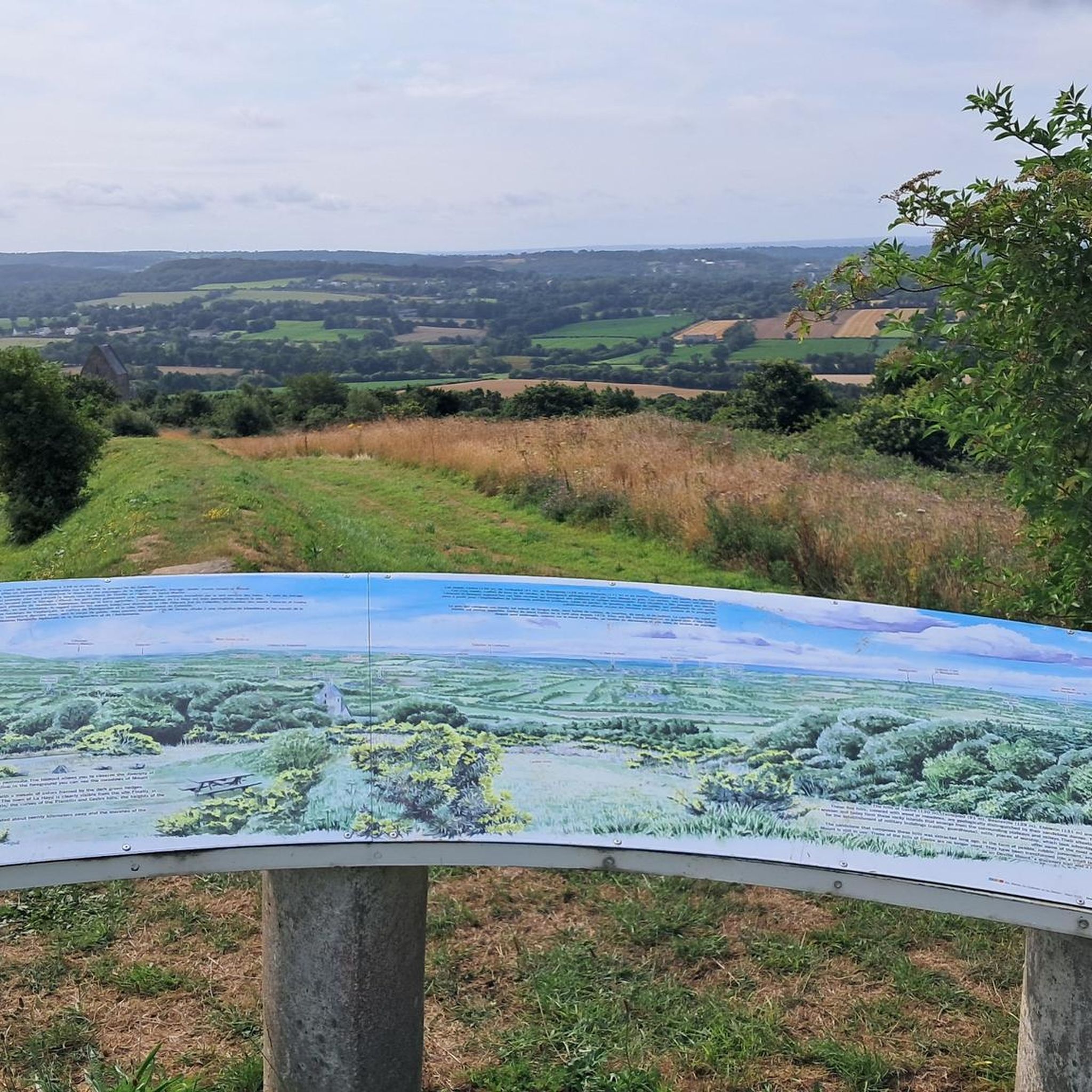
The Château de La Haye-du-Puits is located in the commune of La Haye, in the Manche department, 20 km southeast of Barneville-Carteret. Built in the 11th century by the local lord Tristin, on a mound, it passed to a seneschal of the King of England at the end of the same century. During the Hundred Years' War, on the other hand, the seat of the Barony of The Hague passed to a loyalist of the King of France who was, however, soon stripped of the property... Of this primitive fortress, all that remains is a square keep (5 m on each side), 20 high, housing a staircase and on which we can still see the elements which made it possible to operate the drawbridge, as well as some beginnings of the curtain walls which adjoined it. A more residential manor, from the 16th and 17th centuries, with turrets and vaulted cellars, succeeded the original castle: it is visible on the other side of the street. The interiors of the old keep, listed since 1840, are closed to the public for security reasons but its surroundings are accessible. Information panels have been installed. The nearby manor house with a Renaissance-style door has remained privately owned. Its exterior elements can be observed from the street.
1
0

The Guard House, also called the Chapel of the Corps de Garde or the Notre-Dame-du-Rosaire Chapel or the Grapillon Chapel, is located on the territory of the French commune of Saint-Germain-sur-Ay, in the department of Manche Region Normandy. It was a 17th century fortified building that served as coastal surveillance for the Coast Guard and then the Customs Officers. The old guardhouse, testimony to the defense of the Cotentin coasts under the Ancien Régime, is listed as a Historical Monument.
2
0
A very young association, La Pépinière was founded in early 2019 by a team that wanted to make an active contribution to the cultural life of the Port-Bail-sur-Mer region. The first goal was to create the “Les Pinsonores” festival around music, street art and a local market, which should have been launched in May 2020. The organizers and the many volunteers were delighted to be able to invest in this artistic and family project The health crisis has endangered this event for two consecutive years. The scenography project Bird - a monumental metal sculpture that moves with the seasons in public space - enlivened the city of Port-Bail-sur-Mer and became a symbol of the fact that art knows no boundaries and can constantly reinvent itself even in the face of adversity. A driving force for the association which, despite all the pitfalls, has pursued several socio-cultural projects in line with its objectives – including the musical-comedy project carried out at the Henri Vally primary school in spring 2021. The organizing team is now remobilized with around 12 determined volunteers and is happy to finally settle down in Port-Bail-sur-Mer
1
0

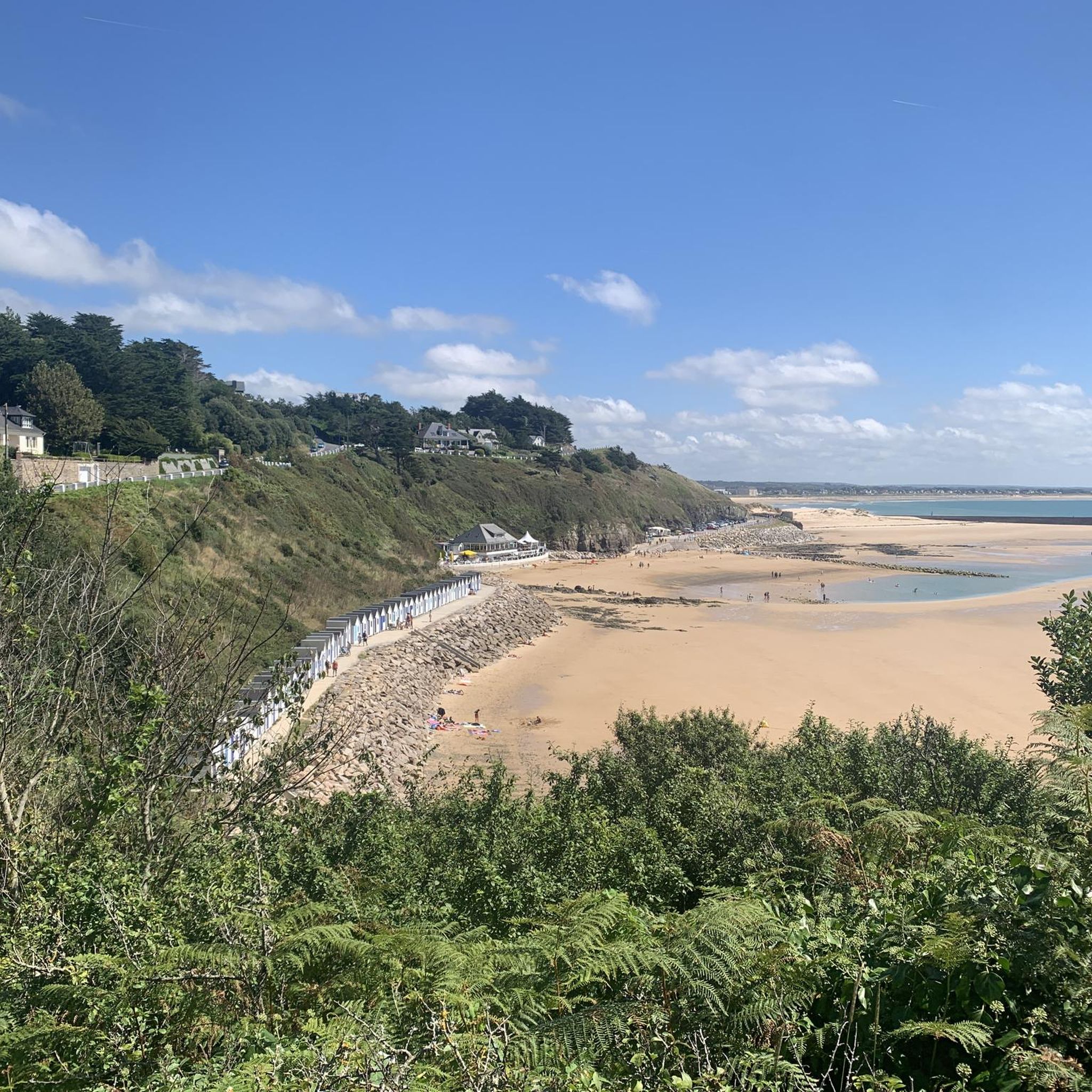
Beautiful bay. would recommend the hike at low tide though.
2
0
Frequently Asked Questions
What historical sites can I visit around Doville?
The Doville area offers several historical sites. You can explore the 17th-century Guardhouse, also known as the Chapel of the Corps de Garde, which served for coastal surveillance. Further inland, discover the ruins of Saint-Sauveur-le-Vicomte Castle, an 11th-century fortress sacked during the Hundred Years' War. Another notable site is La Haye-du-Puits Castle, an 11th-century Norman castle, though its interior is closed to the public. For those interested in World War II, the region also provides access to significant D-Day sites and museums like the Airborne Museum.
Are there any natural coastal features to explore near Doville?
Yes, the region boasts beautiful coastal features. The Havre de Portbail is an estuary of the English Channel, featuring dunes and the mouth of the Olonde river, offering scenic views and walking opportunities. Deauville Beach and Trouville Beach are also known for their stunning sandy shores and picturesque promenades, perfect for relaxation and strolls.
What kind of outdoor activities can I do around Doville?
The Doville area is excellent for various outdoor activities. You can enjoy gravel biking, mountain biking, and road cycling. For instance, there are numerous routes like the 'Portbail – Portbail Bridge loop' for gravel biking, 'Mount Doville – Guardhouse Mont de Doville loop' for mountain biking, and 'Portbail - Notre-Dame Church – Port of Barneville-Carteret loop' for road cycling. You can find detailed routes and guides for these activities on the Gravel biking around Doville, MTB Trails around Doville, and Road Cycling Routes around Doville guide pages.
Are there family-friendly attractions in the Doville area?
Absolutely. Many attractions in the Doville area are suitable for families. The Portbail Bridge, with its idyllic panorama, is a pleasant spot for a family outing. The ruins of Saint-Sauveur-le-Vicomte Castle are open and accessible, offering a glimpse into history that can be engaging for children. Additionally, the sandy beaches of Deauville and Trouville provide ample space for family relaxation and play.
Can I find dog-friendly places or trails around Doville?
Yes, the Doville area has options for dog owners. The Havre de Portbail is noted as dog-friendly, where dogs can splash and run in the Olonde river depending on the water level. Many natural trails and beaches in the region are also suitable for walks with dogs, but it's always advisable to check local regulations for specific areas.
What is the best time of year to visit Doville for outdoor activities?
The best time to visit Doville for outdoor activities is generally during the warmer months, from spring to early autumn (May to September). During this period, the weather is more favorable for exploring coastal features, cycling, and hiking. The beaches are vibrant, and the natural parks are lush. However, the region can be enjoyed year-round, with winter offering a quieter, more serene experience, though some outdoor activities might be limited by weather conditions.
Where can I find scenic viewpoints around Doville?
For scenic views, the Portbail Bridge offers an idyllic panorama over Portbail. The dunes of Lindberg provide excellent vantage points to admire the Havre de Portbail. Additionally, the Mont de Taillepied within the Marais du Cotentin et du Bessin - Maison du Parc Natural Regional Park offers elevated perspectives over the varied landscapes.
Are there any unique architectural landmarks in Doville?
Beyond historical sites, Doville features unique architectural landmarks. The Portbail Bridge, built in 1873 with its thirteen arches, is a distinctive structure connecting the village to the port. The Villa Strassburger is another prime example of Deauville's unique architectural style, characterized by timber framing and intricate wooden craftwork.
How can I get to outdoor spots around Doville using public transport?
While specific public transport routes to every outdoor spot can vary, major towns like Deauville are well-connected. For destinations further afield, local bus services often connect villages and towns. However, for many natural parks and more remote hiking trailheads, having a car might offer more flexibility. It's recommended to check local bus schedules or regional transport websites for specific routes to your desired outdoor locations.
What kind of terrain can I expect on hiking trails near Doville?
Hiking trails near Doville offer a diverse range of terrain. Along the coast, you'll find sandy beaches and dunes, particularly around the Havre de Portbail. Inland, the Marais du Cotentin et du Bessin Natural Regional Park features vast marshes, pretty forests, and some hilly sites like Mont de Taillepied. Expect a mix of flat paths, coastal walks, and some moderate ascents in the more undulating areas.
What do visitors enjoy most about the attractions around Doville?
Visitors particularly appreciate the blend of historical depth and natural beauty. The idyllic panoramas from spots like the Portbail Bridge and the scenic views at Havre de Portbail are highly praised. The historical significance of sites like the Guardhouse and the accessible ruins of Saint-Sauveur-le-Vicomte Castle also resonate with those interested in the region's past.
Are there opportunities for wild swimming in the Doville area?
While the region is known for its beautiful coastline and estuaries, designated wild swimming locations are not explicitly highlighted. The Havre de Portbail, with the Olonde river, allows for walking in the water depending on the tide. For swimming, the main sandy beaches of Deauville and Trouville are popular and generally safer options, often with supervised areas during peak season.
Most popular routes around Doville
Most popular attractions around Doville

Get inspired with the komoot mobile app


Explore more
Still not found the Highlight you’re looking for? See guides of the top attractions in other regions:
