Top 4 Castles around Octeville-L'Avenel
Best castles around Octeville-L'Avenel are found in the Manche department of Normandy, a region known for its historical sites and coastal landscapes. The area features a mix of historical châteaux and fortified structures, reflecting centuries of regional history. Octeville-L'Avenel itself is home to significant architectural heritage, including the site of a medieval fortified castle. These structures offer insights into the area's past, from 18th-century grand designs to earlier defensive positions.
Best castles around Octeville-L'Avenel
- The most popular castles is Fort…
Last updated: July 15, 2026
Fort of La Hougue
Highlight • Castle
Tip by

Ravenoville Beach and Redoubt
Highlight • Beach
Translated by Google •
Tip by
Sign up now to discover places like this
Get recommendations on the best single tracks, peaks, & plenty of other exciting outdoor places.
Sign up for free
Quinéville Castle
Highlight • Castle
Tip by
Vauban Tower and the La Hougue Semaphore
Highlight • Castle
Translated by Google •
Tip by

Start today with a free account
Your next adventure awaits.
Login or Signup


Tips from the Community

Why visit Fort de La Hougue? History and Heritage: The fort is a crucial witness to French military history and an exceptional example of Vauban's genius, offering a fascinating dive into the past. Magnificent Landscapes: The fort offers sublime panoramic views of the sea and coastal landscapes, making the visit a moment of relaxation as much as discovery. Cultural Activities: The exhibitions and events organized at the fort enrich the visit by offering varied perspectives on local history and fortifications. In summary, Fort de La Hougue is a must-see site for lovers of history, military architecture, and beautiful landscapes. It combines culture, nature, and heritage in a unique setting in Normandy.
1
0
Fort de La Hougue is a remarkable historical site located in Saint-Vaast-la-Hougue, on the east coast of the Cotentin Peninsula, Normandy. This fort is one of two defensive works designed by the military engineer Vauban in the 17th century, the other being the fort of Tatihou, located on a neighboring island. Together, these fortifications have been classified as a UNESCO World Heritage Site since 2008 as an example of Vauban's military engineering. Points of Interest: Architecture and Military History: Fort de La Hougue was built between 1694 and 1699 on the orders of Louis XIV, following the French defeat at the Battle of La Hougue in 1692. This fort is a classic example of bastion fortifications, with thick walls, casemates, and a complex network of defenses designed to resist attacks from the sea. The 20-metre-high La Hougue Tower is the most emblematic element of the fort. This tower served as both an observation point and a last refuge in the event of an attack. UNESCO Heritage: The Fort de La Hougue is recognised by UNESCO as a masterpiece of Vauban's military engineering. This classification highlights the importance of the site in French and world military history, as well as the exceptional value of its architecture. A visit to this site allows you to better understand the defence techniques of the time and to appreciate Vauban's ingenuity in designing fortifications. Activities and Access: The fort is accessible on foot from Saint-Vaast-la-Hougue, and it is surrounded by coastal paths offering beautiful walks along the sea. These walks also allow you to discover the local flora and fauna. The nearby island of Tatihou can be reached by boat at high tide or on foot at low tide, offering a complementary excursion to explore another side of Vauban's fortifications.
1
0

Very nice walk in Saint Vaast and around the fort of La Hougue. To do again
3
0

At the 1.5 km long Grande-Plage, the isthmus between the former island of La Hougue and Saint-Vaast is completely taken up by the tamarisk-lined road and the dike. At the far end of the beach stands the keep of the fortress like a proud watchman.
2
0

To discover absolutely
1
0

magnificent city and superb construction of Vauban https://youtu.be/zrDTW5Wrbuc
3
0

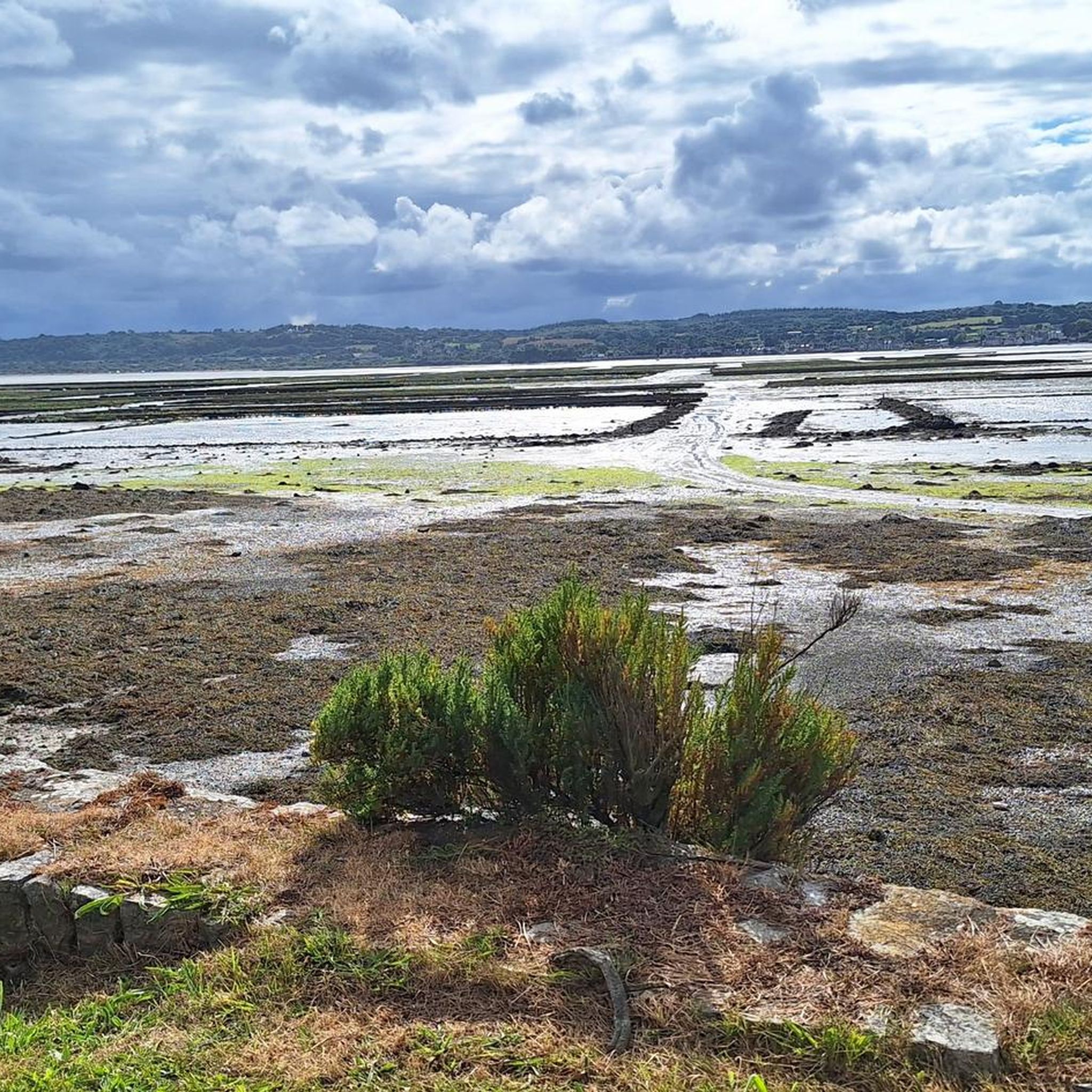
Fort Ravenoville (19th century), built on an old square masonry redoubt dating from 1689. The enclosure as well as the old interior guardhouse have been profoundly modified. The remains of the vast "Widerstandsnest 14" next door date from the Nazi-German Atlantic Wall.
0
0
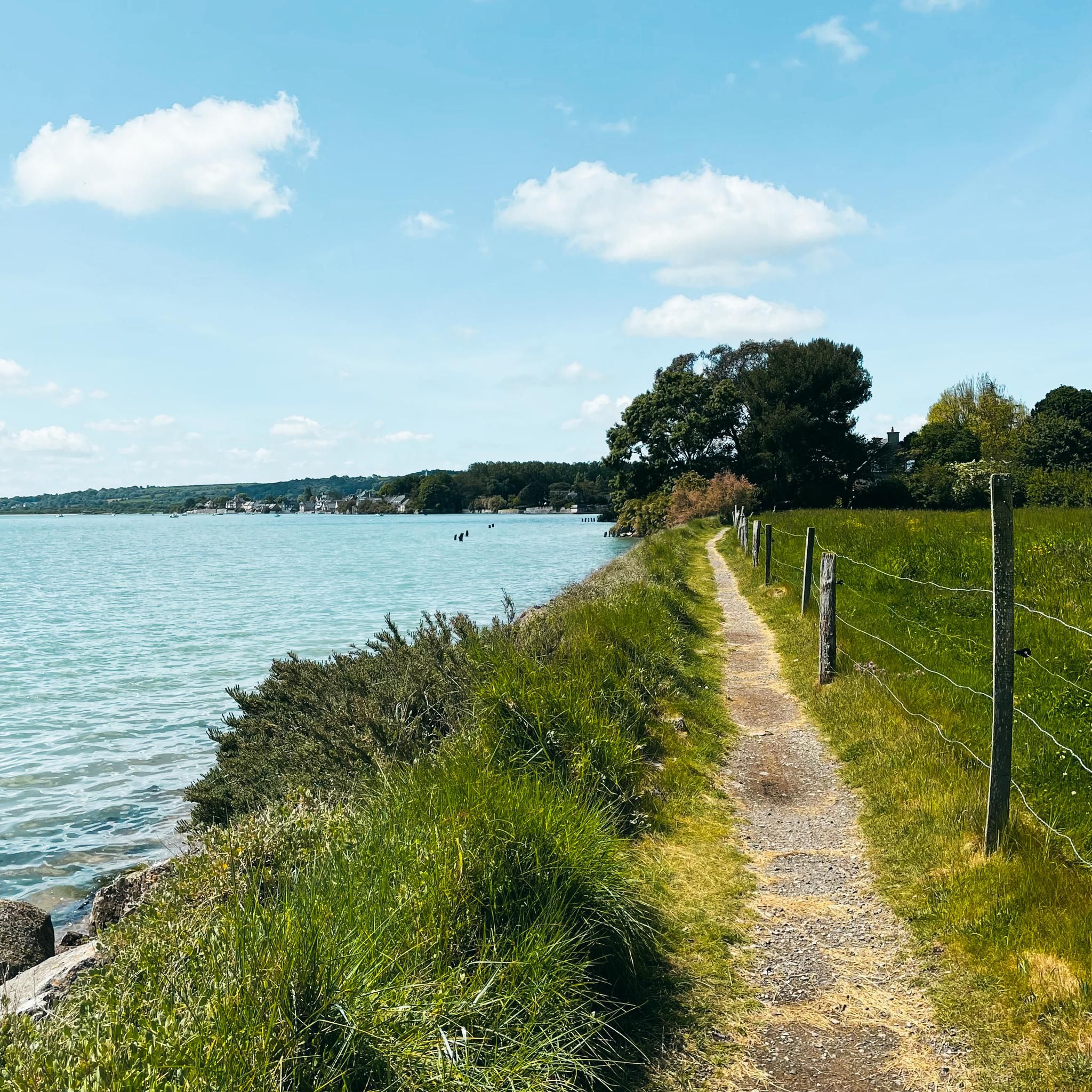
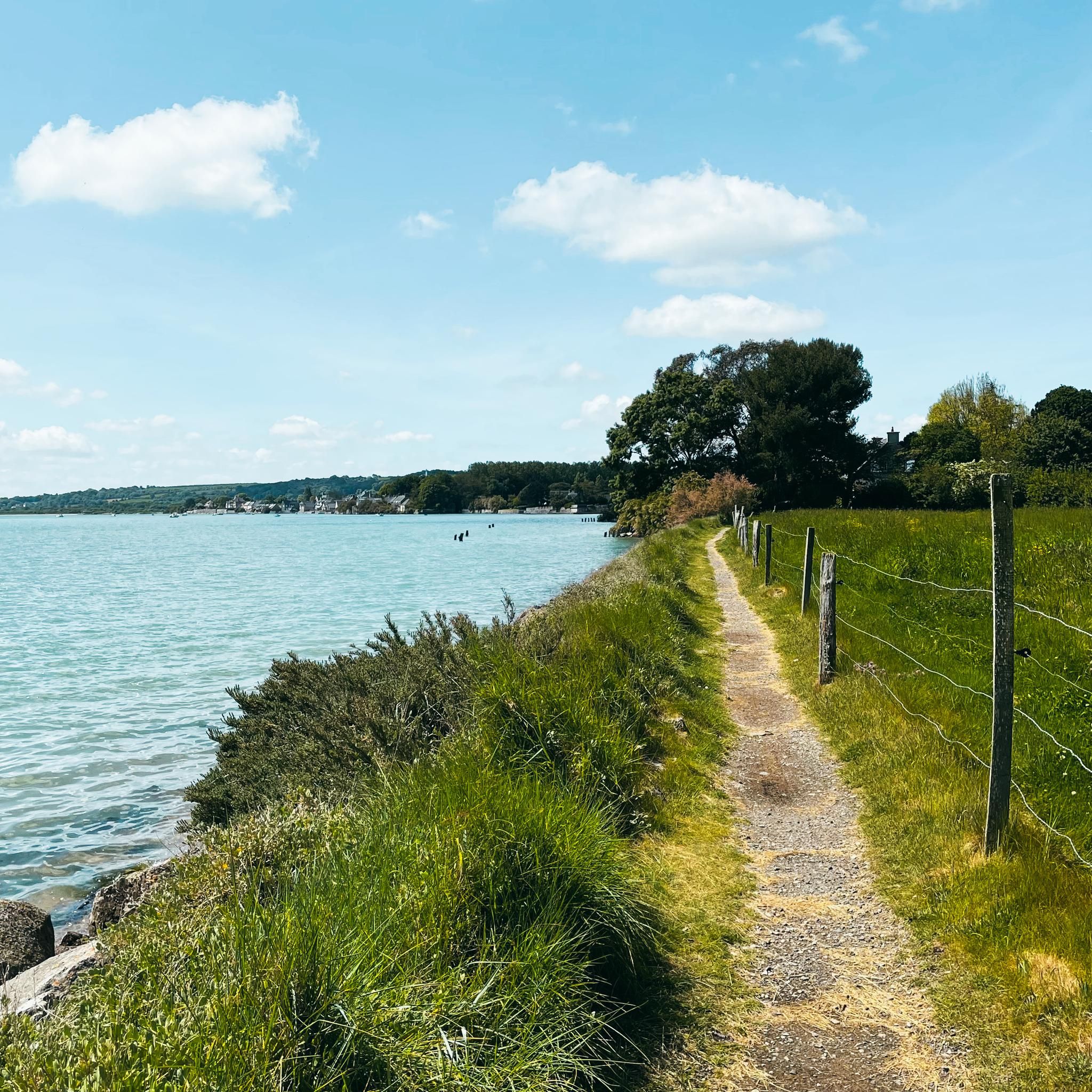
It's worth following the trail to the tip of the peninsula for views of the old tower and of course the sea
0
0
Frequently Asked Questions
What types of historical sites and castles can I explore around Octeville-L'Avenel?
The region offers a diverse range of historical sites, from 18th-century châteaux to medieval fortified sites and coastal defensive structures. You can find well-preserved 17th-century fortresses like the Fort of La Hougue, 19th-century forts built on older redoubts such as Ravenoville Beach and Redoubt, and even castles now operating as hotels like Quinéville Castle.
Is Le Château "La Cour" in Octeville-l'Avenel accessible to the public?
Le Château "La Cour" is a significant 18th-century edifice with rich history, built on the site of a former fortified castle. However, it is important to note that this château is a private property. Visitors can generally only view it from a distance, as the access path is entirely private. It is worth seeing for its architectural significance, but direct access and tours are not available.
Are there any family-friendly castle experiences near Octeville-L'Avenel?
Yes, Ravenoville Beach and Redoubt is categorized as family-friendly. Here, you can explore a 19th-century fort and the remains of the Nazi-German Atlantic Wall, offering an engaging historical experience for all ages alongside a beach setting.
What kind of views can I expect from the castles in the area?
Many sites offer impressive views. For instance, Quinéville Castle provides palatial views stretching down to the beach. The Vauban Tower and the La Hougue Semaphore also offer excellent views of the old tower and the sea, especially if you follow the trail to the tip of the peninsula.
What outdoor activities can I do near these castles?
The area around Octeville-L'Avenel is excellent for outdoor activities. You can find numerous hiking routes, such as the 'Aumeville Castle – Aumeville-Lestre manor house loop' or the 'Quinéville – Port of Sinope loop'. For more options, explore the hiking guide for Octeville-L'Avenel. There are also gravel biking and mountain biking trails available; check out the gravel biking guide and MTB trails guide for the region.
Are there any castles that are also hotels or restaurants?
Yes, Quinéville Castle has been converted into a hotel and restaurant. This allows visitors to enjoy its historical ambiance and palatial views while dining or staying overnight.
What historical significance does the Fort of La Hougue hold?
The Fort of La Hougue is a 17th-century defensive fortress, built in 1694 by Benjamin de Combes, a pupil of the renowned military engineer Vauban. It remains a military base today, and its famous tower (Tour Vauban) is a World Heritage Site, highlighting its strategic importance and architectural heritage.
What do visitors enjoy most about the castles and historical sites in this region?
Visitors appreciate the well-preserved historical structures and the insights they offer into centuries of regional history. The imposing outdoor areas of sites like the Fort of La Hougue, the unique blend of history and nature at Ravenoville Beach and Redoubt, and the scenic views from places like Quinéville Castle are frequently highlighted.
Can I find any traces of the Atlantic Wall near the castles?
Yes, at Ravenoville Beach and Redoubt, you can explore a 19th-century fort alongside the remains of the vast "Widerstandsnest 14" from the Nazi-German Atlantic Wall, offering a poignant historical experience.
Are there any specific historical facts about Octeville-l'Avenel itself related to castles?
Octeville-l'Avenel is historically significant as the site of a medieval fortified castle. Le Château "La Cour" was constructed between 1773 and 1783 on the very site of this former fortified castle of the Avenels, suggesting a long history of defensive structures in the commune. The original fortified site, an "éperon barré," might even have been a Celtic-era refuge.
What is the best time of year to visit the castles around Octeville-L'Avenel?
While specific opening hours for private properties like Le Château "La Cour" are limited, generally, the spring and summer months (May to September) offer the most pleasant weather for exploring outdoor areas of forts and redoubts, as well as enjoying nearby hiking and biking trails. However, the historical sites are accessible year-round for exterior viewing.
Most popular routes around Octeville-L'Avenel
Most popular attractions around Octeville-L'Avenel

Get inspired with the komoot mobile app


Explore more
Looking for the best castles somewhere else? Discover other guides around Octeville-L'Avenel:
