Top 8 Castles around Besneville
Best castles around Besneville are situated in the Cotentin region of Normandy, France, an area characterized by its coastal landscapes, marshlands, and historical significance. The region offers a blend of natural beauty and cultural heritage, with numerous historical sites. Besneville itself is a commune within this area, providing access to various historical structures. The surrounding landscape includes diverse terrain, from marshy expanses to hilly sites.
Best castles around Besneville
- The most popular castles is Château de Bricquebec, a castle…
Last updated: July 14, 2026
Château de Bricquebec
Highlight • Castle
Translated by Google •
Tip by

Saint-Sauveur-le-Vicomte
Highlight • Castle
Translated by Google •
Tip by

Sign up now to discover places like this
Get recommendations on the best single tracks, peaks, & plenty of other exciting outdoor places.
Sign up for free
Church of Our Lady of the Assumption and Surville Manor
Highlight • Castle
Translated by Google •
Tip by

Omonville Castle
Highlight • Castle
Translated by Google •
Tip by

Château de Surville
Highlight • Castle
Translated by Google •
Tip by
Sign up for free to discover even more castles around Besneville.
Sign up for free
Already have an account?
Start today with a free account
Your next adventure awaits.
Login or Signup
Tips from the Community


Located in the town of Bricquebec, this superb castle was built between the 10th and 11th centuries. The exterior of the remains of the castle are freely accessible and are worth the detour!
0
0

The Château de Saint-Sauveur-le-Vicomte is a castle dating from the 11th century. Sacked twice during the Hundred Years War, it is now in ruins. Although not as impressive as some castles that are still intact, this castle is open to the public and very accessible. It is a wonderful place to visit.
3
0

Located in the center of Cotentin, Saint-Sauveur-Le-Vicomte has vast expanses of marshes, a pretty forest massif and several hilly sites, culminating at Mont de Taillepied.
0
0

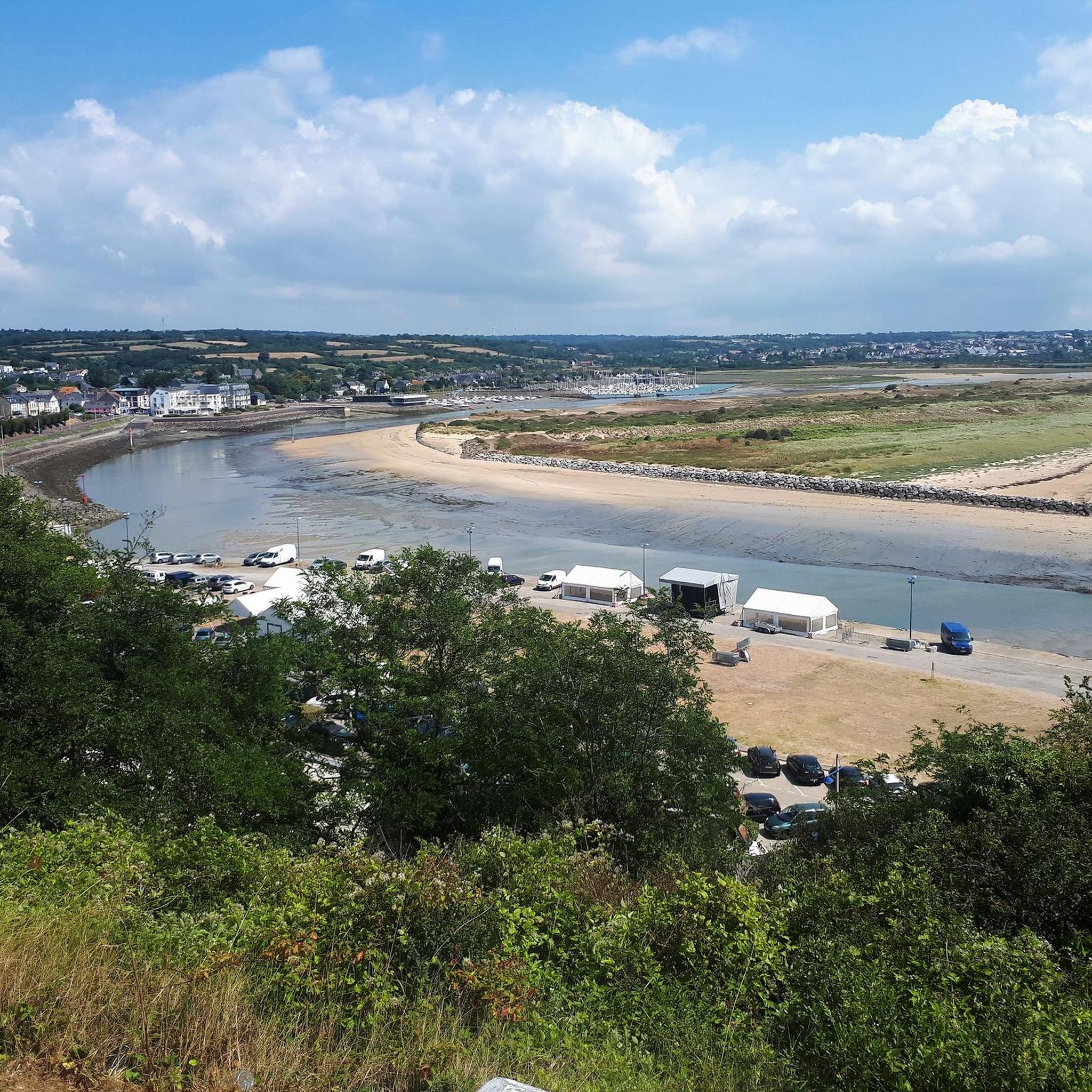
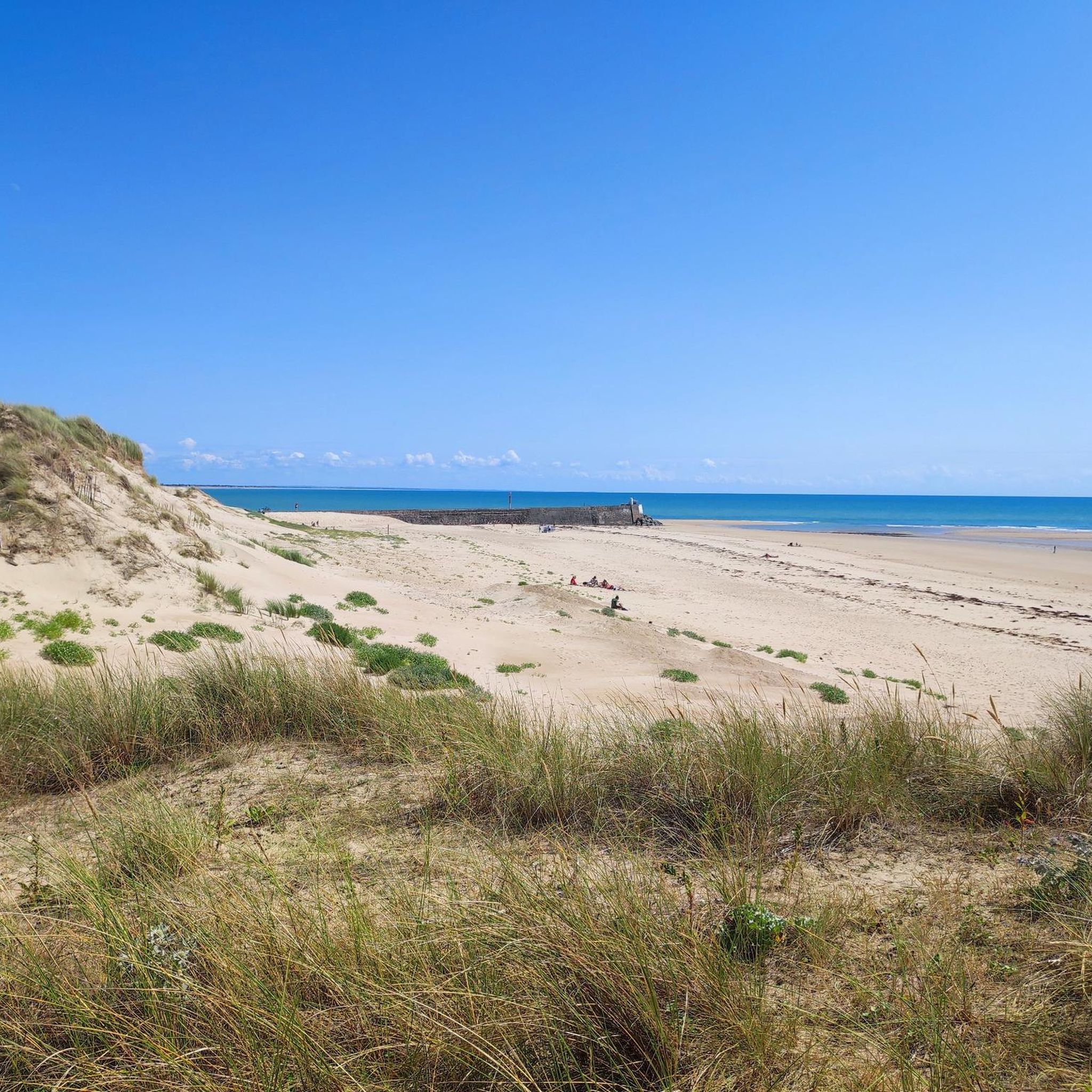
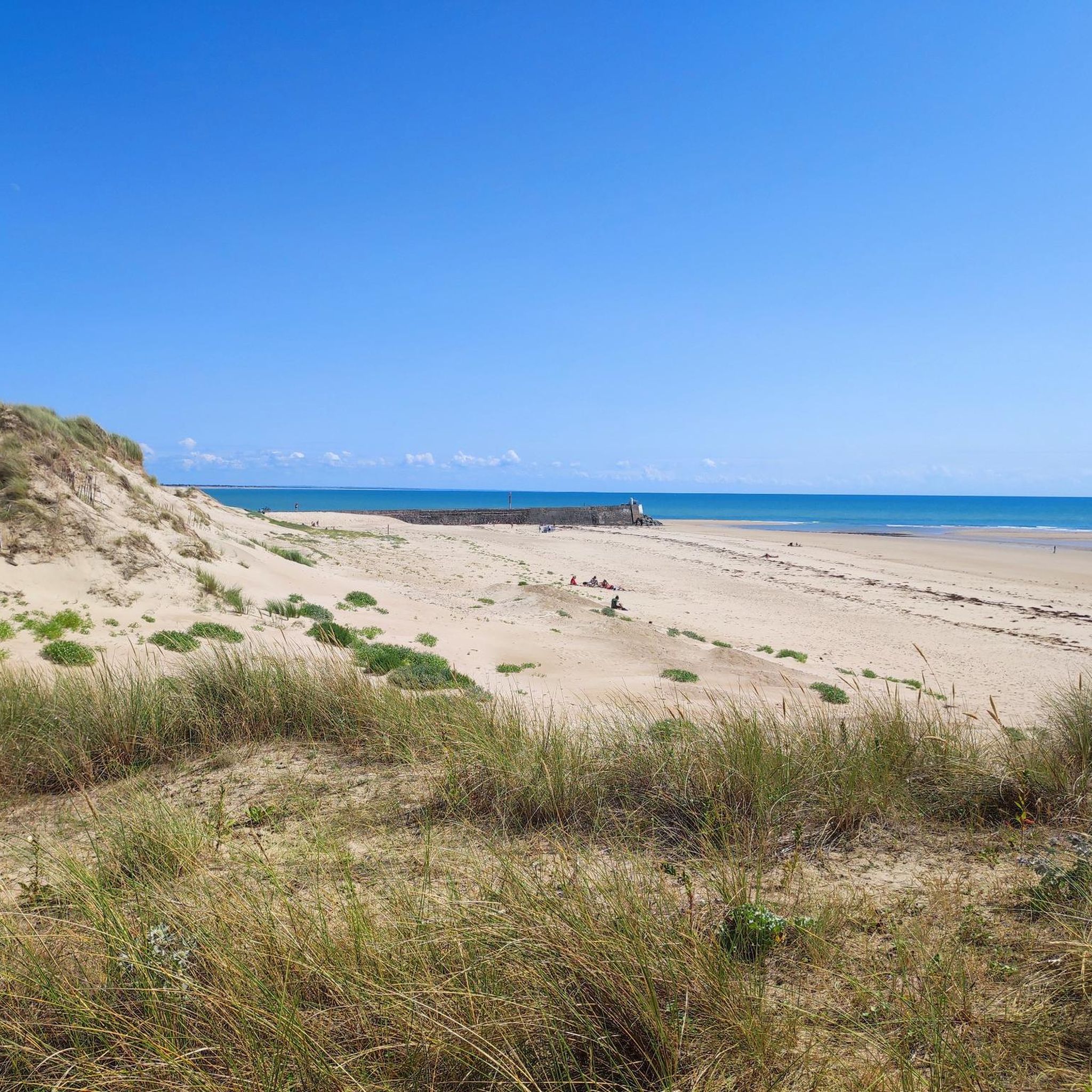
The Château de Surville is located 500 m from the seaside, along the dunes (haven of Surville) in a protected site. The 12 hectares of the property extend along the tourist route which goes from Mont Saint-Michel to Cherbourg. Today a hotel; weekend rental. 17 bedrooms with the possibility of sleeping more than 50 people.
1
0

The ruins of the medieval castle of Bricquebec are still very well preserved with in particular a magnificent polygonal keep with eleven sides unique in Europe.
1
0
The initial building was built in the 13th and 14th centuries. This is the construction of the Sainte-Anne chapel by the owner of the manor. A frieze goes around the church and tells the story of the owner of the manor. Inside, one can admire a credenza which has a special hole in the bottom of the receptacle allowing the holy water to return to the foundations of the church. https://www.eglisesenmanche.com/eglises-du-nord-cotentin/s/surville The mansion is directly next to the church. The castle is 500 m to the north.
0
0

https://fr.wikipedia.org/wiki/Ch%C3%A2teau_de_Bricquebec Le château de Bricquebec se présente sous la forme d'une enceinte flanquée de tours rondes, hexagonales et quadrangulaires que domine un donjon polygonal à onze côtés unique en Europe[réf. nécessaire]. Le château a été entièrement reconstruit au XIVe siècle et remanié au XVIe siècle. Il offre « l'exemple le plus intéressant et le plus imposant d'architecture militaire du Moyen Âge en Cotentin. Le donjon Le donjon est construit sur une motte de terre de 17 m de hauteur et de 50 m de diamètre, et a la forme d'un polygone à 11 côtés, divisé en cinq niveaux. Haut de 22,30 mètres avec un diamètre de 10 mètres, sa base présente un fruit. Il semble qu'il ait été construit là pour assurer la défense de la porte d'entrée. Il se compose d'un caveau, d'un rez-de-chaussée faisant office de cuisine, et de deux étages servant d'appartements, d'un troisième étage réservé à la garde, le tout surmonté d'une plate-forme couronnée de mâchicoulis et percé de 27 ouvertures destinées au tir plongeant. Le sommet était, à l'origine, surmonté d'un toit pointu, aujourd'hui disparu4. La maison manable Flanquée d'une tourelle à un angle, elle communiquait avec le logis principal et le bastion. C'est aujourd'hui une ruine. Le bastion Il mesure 19,45 mètres de longueur sur une largeur de 4,63 mètre. Il est construit en saillie sur le mur d'enceinte. Il est percé de meurtrières et surmonté d'un chemin de ronde. La grosse tour ronde Elle forme la limite est du mur d'enceinte. Elle est haute de deux étages et son diamètre extérieur est de 12,80 mètres. Elle a perdu son toit polygonal. Le chartrier C'est là qu'étaient conservées les archives du seigneur du lieu, essentiellement ses titres propriété. La tour d'horloge Elle est haute de trois étages, reliés entre eux par un escalier tournant ; chaque étage offrant une salle. Un musée y a aujourd'hui trouvé place. L'hôtel du vieux château, ancien logis seigneurial L'ancien logis seigneurial, converti en hôtel de tourisme, date du XIIIe siècle8. L'intérieur a subi une transformation totale4. La magnifique salle des chevaliers a été un temps transformée en écurie. Au devant se dresse une « salle » qu'ouvre de larges baies dont les remplages sont divisés par quatre colonnettes et sur son côté opposé d'une arcade.
0
1
Frequently Asked Questions
Which castles around Besneville are suitable for families?
For a family-friendly outing, consider visiting Château de Bricquebec, which features well-preserved medieval ruins and a unique polygonal keep. Another excellent choice is Saint-Sauveur-le-Vicomte, an 11th-century castle that, despite being in ruins, is open to the public and offers an accessible historical experience for all ages.
Are there any castles near Besneville that are easily accessible for visitors?
Saint-Sauveur-le-Vicomte is noted for being very accessible to the public, even in its ruined state. The exterior of Château de Bricquebec is also freely accessible, allowing visitors to explore its impressive medieval architecture.
What is the best time of year to visit the castles around Besneville?
The spring and summer months (May to September) generally offer the most pleasant weather for exploring the castles and their surroundings. During these seasons, you'll find longer daylight hours and milder temperatures, ideal for outdoor exploration. However, visiting in the shoulder seasons can offer fewer crowds.
Can I visit the castles around Besneville during winter?
Many castles, especially those with freely accessible exteriors or ruins like Château de Bricquebec and Saint-Sauveur-le-Vicomte, can still be visited in winter. Be prepared for colder weather and potentially shorter opening hours for any indoor sections or facilities. Always check specific castle websites for winter schedules before your visit.
Are there any unique castle experiences near Besneville?
Yes, Château de Bricquebec offers a unique experience with its well-preserved medieval ruins, particularly its magnificent polygonal keep with eleven sides, which is a rare architectural element in Europe. For a different kind of experience, Château de Surville operates as a hotel, offering the chance to stay within a historical property near the seaside.
What outdoor activities can I do near the castles around Besneville?
The region around Besneville offers various outdoor activities. You can find numerous routes for gravel biking, running, and road cycling. For example, there are gravel biking routes like the 'Saint-Sauveur-le-Vicomte – Bricquebec Castle loop' and running trails such as the 'Mount Doville loop'. You can explore these and more on the Gravel biking around Besneville, Running Trails around Besneville, and Road Cycling Routes around Besneville guide pages.
Are there any castles that offer accommodation near Besneville?
Yes, Château de Surville, located 500 meters from the seaside, currently operates as a hotel. It offers 17 bedrooms and can accommodate over 50 people, providing a unique opportunity to stay in a historical setting.
What historical details are notable about the castles in this region?
The castles around Besneville boast rich history. Château de Bricquebec, built between the 10th and 11th centuries, features a rare eleven-sided polygonal keep. Saint-Sauveur-le-Vicomte also dates from the 11th century and, despite being sacked twice during the Hundred Years' War, remains an important historical site. The Church of Our Lady of the Assumption and Surville Manor includes a 13th-14th century chapel with unique architectural details.
Are there any hidden gem castles in the Cotentin region near Besneville?
While not necessarily 'hidden,' Omonville Castle, also known as Château d'Omonville-la-Foliot, is a less commonly highlighted site that features an Italian Renaissance garden. It offers a different architectural style compared to the medieval ruins, providing a unique discovery for visitors.
What do visitors enjoy most about the castles around Besneville?
Visitors particularly appreciate the well-preserved medieval ruins and the historical significance of sites like Château de Bricquebec, especially its unique polygonal keep. The accessibility and historical experience offered by the ruins of Saint-Sauveur-le-Vicomte are also highly valued by the komoot community.
Can I find walking routes that incorporate castles near Besneville?
Yes, the region offers various routes that allow you to combine walking with castle visits. For instance, the 'Saint-Sauveur-le-Vicomte – Bricquebec Castle loop' is a gravel biking route that can also be enjoyed as a longer walk, connecting two significant castle sites. You can find more route options on the Running Trails around Besneville guide page, many of which pass by historical points of interest.
Is there wildlife spotting opportunities near the castle ruins?
The Cotentin region, where Besneville is located, is characterized by diverse landscapes including marshlands and coastal areas. While specific wildlife spotting near castle ruins isn't detailed, exploring the natural surroundings of castles like Saint-Sauveur-le-Vicomte, which is set amidst vast expanses of marshes and a forest massif, may offer opportunities to observe local flora and fauna.
Most popular routes around Besneville
Most popular attractions around Besneville

Get inspired with the komoot mobile app


Explore more
Looking for the best castles somewhere else? Discover other guides around Besneville:
