Top 5 Castles around Gratot
Best castles around Gratot offer a journey through centuries of history and architecture in the Normandy region. The area is characterized by its coastal proximity and historical significance, with several notable fortifications. Gratot itself is home to the Château de Gratot, a medieval ruin that has undergone extensive restoration. These sites provide insights into regional heritage and architectural evolution.
Best castles around Gratot
- The most popular castles is Regnéville-sur-Mer, a settlement that features a small beach harbor and 12th-century…
Last updated: July 7, 2026
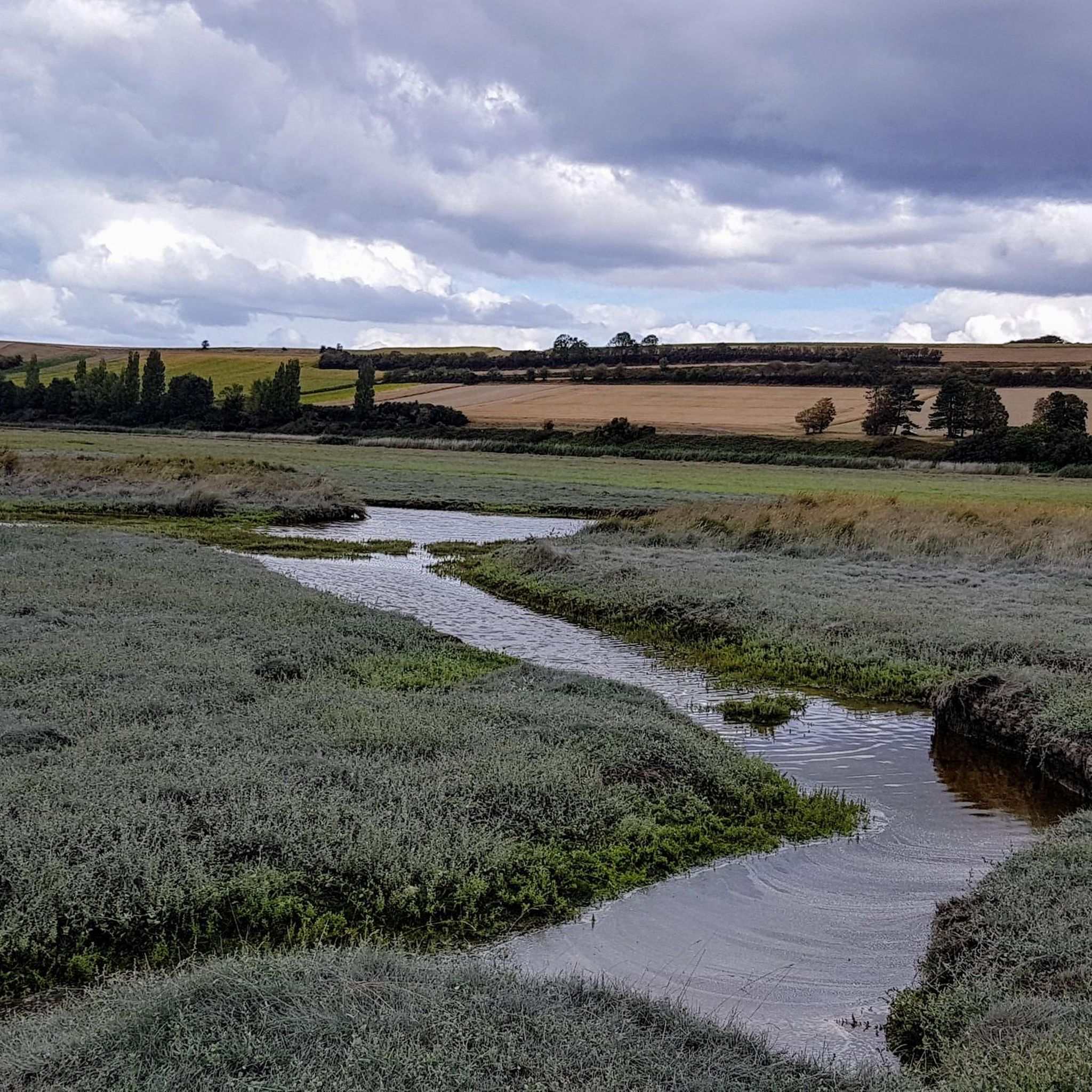
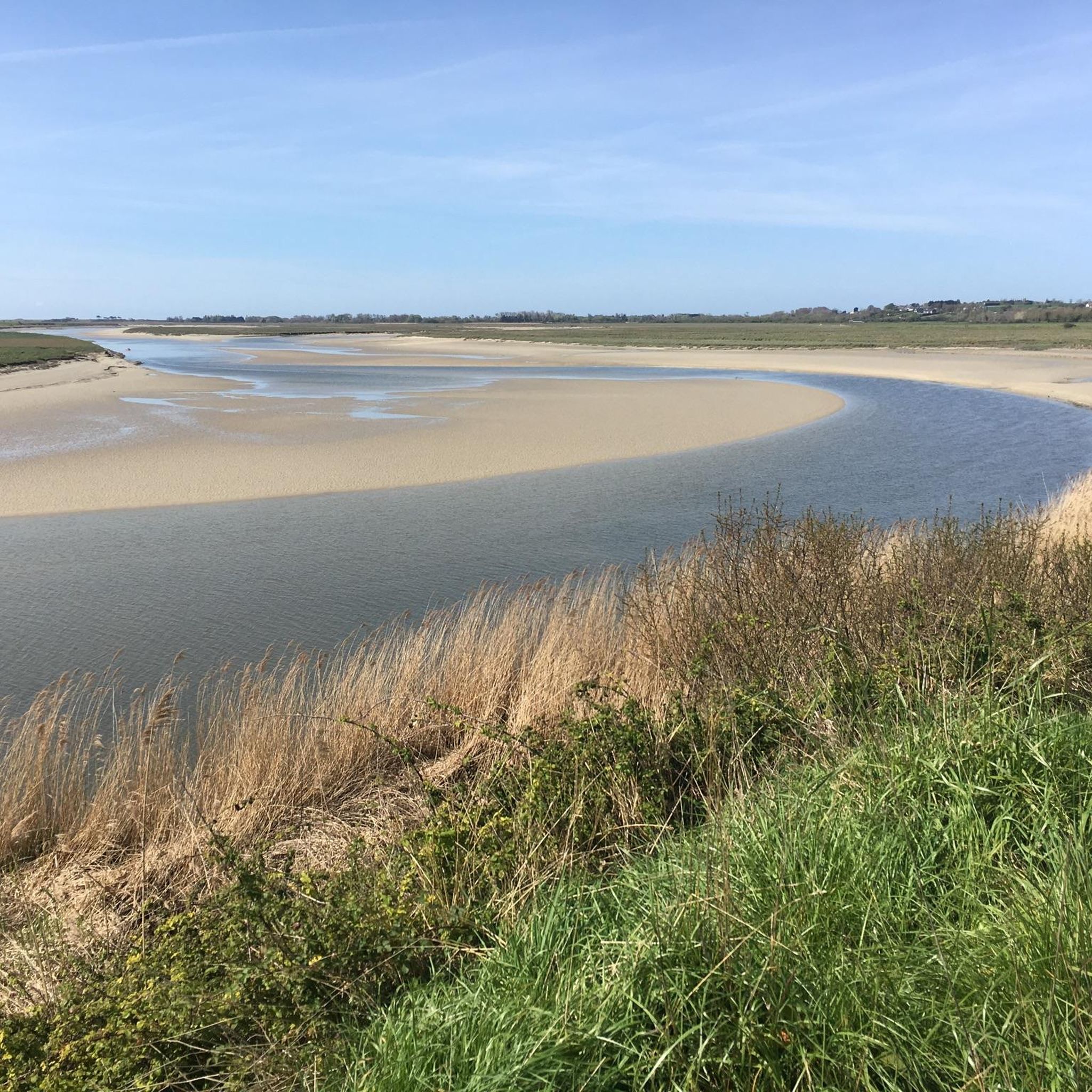
Regnéville-sur-Mer
Highlight • Settlement
Translated by Google •
Tip by

Regnéville Castle
Highlight • Castle
Translated by Google •
Tip by

Sign up now to discover places like this
Get recommendations on the best single tracks, peaks, & plenty of other exciting outdoor places.
Sign up for free
Gratot Castle
Highlight • Castle
Translated by Google •
Tip by

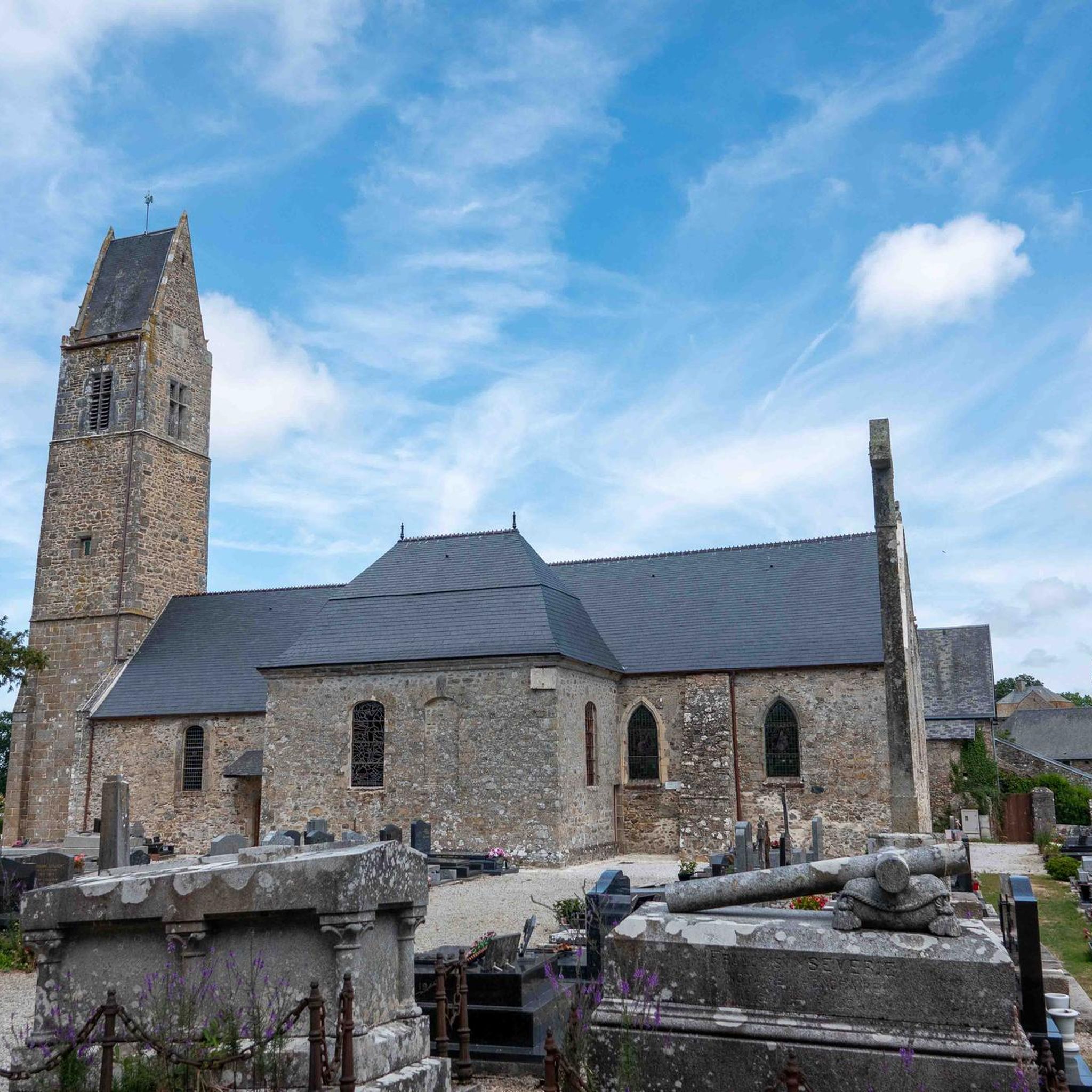
Château de Pirou
Highlight • Castle
Translated by Google •
Tip by
Start today with a free account
Your next adventure awaits.
Login or Signup

Tips from the Community

Beautiful old town with an old castle. The houses here are still the typical stone houses.
0
0

This isn't a mountain bike trail; it's 95% road. Otherwise, it can be enjoyable. But forget about trails.
0
0

beautiful ruin with exhibition
0
0

Small, only partially preserved castle.
0
0
Small, only partially preserved castle.
0
0
Small castle, not much preserved, but worth seeing.
0
0

Very early in his activity, he participated in the flourishing economic life of the region. Coastal and offshore fishing (armament for Newfoundland), navigation school, commercial exchanges thanks to the Montmartin fair, protection provided by the castle: it seems to have all the assets. In 1871, the commercial movement of the port again resulted in the entry of 960 boats representing 21,000 tonnes of goods, mainly the transport of limestone and slaked lime to Brittany and the importation of coal for the lime kilns. But its activity will drop suddenly at the end of the 19th century, following the increase in the tonnage of ships incompatible with the low water levels: the appearance of the iron and steam navy will be fatal to it. At the beginning of the 20th century, it suffered several storms. Currently, its activity is solely focused on pleasure boating (90 anchorages). NB: 1 foot = 324mm; 1 barrel = 2.83 m3 (measure used to measure boats).
0
0

This 12th-century castle, which used to be on the harbor, is one of the oldest castles in Normandy. It is one of the few medieval fortifications that has been preserved. The former outpost of the fortifications of Coutances is named after the 11th-14th century owners of the castle. The lords of Pirou were related to the house of De Hauteville, to which belonged several founders of the Norman kingdom in Sicily. Until the end of the 18th century, the castle belonged to various noble families, before it became an important smugglers' nest and was finally converted into a farm in the 19th century.
7
0
Frequently Asked Questions
What makes the Château de Gratot a unique castle to visit?
The Château de Gratot is a captivating ruined medieval castle that has undergone extensive restoration, showcasing a blend of architectural styles from the 13th to the 18th centuries. It's unique for its continuous evolution under the Argouges family for over 500 years, its water-filled moat, and notable towers like the 15th-century Round Tower and the elegant Fairy Tower. It also hosts cultural events and a permanent exhibition detailing its rich history and the romantic legend of the 'Fairy of Gratot'.
Are there other significant historical castles to visit near Gratot?
Yes, beyond the main Gratot Castle, you can explore other historical sites. Regnéville Castle, built in the 12th century, offers significant history as castle ruins that have been undergoing restoration since 1989. Another option is Château de Pirou, one of Normandy's oldest and best-preserved medieval fortifications, dating back to the 12th century.
What kind of history can I explore at Château de Gratot?
At Château de Gratot, you can delve into 'Eight centuries of life' through a historical route and permanent exhibition. The castle's story spans from its 13th-century origins as a moated castle, through centuries of rebuilding and expansion by the Argouges family, to its abandonment and subsequent meticulous restoration by volunteers since 1968. You'll also encounter the romantic legend of the 'Fairy of Gratot', adding a mystical charm to its past.
How long does it typically take to visit the castles around Gratot?
For Château de Gratot, visitors often spend 1-2 hours exploring the ruins, exhibitions, and grounds. If you plan to visit multiple castles like Regnéville Castle and Château de Pirou, allow at least half a day or a full day, depending on how deeply you wish to explore each site and the travel time between them.
Are the castles around Gratot suitable for families with children?
Yes, several castles in the area are considered family-friendly. Gratot Castle, Regnéville Castle, and Château de Pirou are all listed as family-friendly. They offer historical exploration, picturesque settings, and often host events or exhibitions that can engage younger visitors.
Can I visit the castles around Gratot with my dog?
Yes, Gratot Castle explicitly allows dogs on a leash. Château de Pirou is also noted as dog-friendly. It's always a good idea to check specific rules for each site before your visit, but generally, these historical sites welcome well-behaved dogs on leads.
Are there hiking or cycling routes near the castles in Gratot?
Absolutely! The region around Gratot offers various outdoor activities. You can find numerous routes for mountain biking, gravel biking, and road cycling. For example, there are routes like the 'Marechal de la France – Gratot Castle loop' for MTB, or the 'Gratot Castle – Notre-Dame Church, Gratot loop' for gravel biking. You can explore more options on the MTB Trails around Gratot, Gravel biking around Gratot, and Road Cycling Routes around Gratot guide pages.
What kind of natural features can I expect to see near these castles?
The castles around Gratot are situated in a region characterized by its coastal proximity and natural beauty. Château de Gratot is famously surrounded by a carp-filled moat, reputedly fed by a 'Fairy's Fountain'. Nearby, Regnéville-sur-Mer, with its castle ruins, is a village that changes with the tides at the mouth of the Sienne river, offering a unique coastal landscape.
What is the best time of year to visit the castles in Gratot?
The castles in Gratot, particularly Château de Gratot, are open to the public year-round. However, visiting during spring or autumn can offer pleasant weather for exploring the outdoor grounds and fewer crowds. Summer months are popular for cultural events and exhibitions hosted at the château. Always check specific opening hours, especially during winter, as they may vary.
Is there parking available at Château de Gratot?
Yes, parking is available at Château de Gratot. The castle is generally accessible, and visitors can find parking facilities nearby. There is a small entrance fee to access the castle grounds.
Are there cafes or dining options near Château de Gratot?
While specific cafes directly adjacent to Château de Gratot are not detailed, the village of Gratot and the nearby town of Coutances offer various dining options, including cafes and restaurants where you can enjoy local cuisine. It's advisable to check local listings for current establishments and opening hours.
How accessible is Château de Gratot for visitors?
Château de Gratot is open to the public year-round. While the site is a medieval ruin with varied terrain, efforts have been made to make it explorable. The 18th-century pavilion has been fully restored for exhibitions and cultural events. For specific accessibility needs, it's recommended to contact the château directly for the most up-to-date information on pathways and facilities.
What do visitors enjoy most about Gratot Castle?
Visitors frequently praise Gratot Castle for its really interesting facility and charming ruined appearance. Many appreciate the variety of architectural styles resulting from its continuous rebuilding over centuries, and the fact that it's completely surrounded by water ditches. The small museum retracing the castle's history and its owners is also a highlight, offering a deep dive into its past.
Most popular attractions around Gratot

Get inspired with the komoot mobile app


Explore more
Looking for the best castles somewhere else? Discover other guides around Gratot:
