Attractions and Places To See around Ormoy-Villers - Top 20
Best attractions and places to see around Ormoy-Villers include historical sites and natural landscapes in the Oise department of the Hauts-de-France region. The area offers a blend of cultural significance and natural beauty, providing a tranquil setting for exploration. Visitors can discover medieval castles, unique natural formations, and historical churches. The region is suitable for those interested in local heritage and outdoor activities.
Best attractions and places to see around Ormoy-Villers
- The most popular attractions is Montépilloy Castle, a…
Last updated: July 2, 2026
Montépilloy Castle
Highlight • Castle
Translated by Google •
Tip by

Douye Castle
Highlight • Historical Site
Translated by Google •
Tip by
Sign up now to discover places like this
Get recommendations on the best single tracks, peaks, & plenty of other exciting outdoor places.
Sign up for free
Les Bruyères de Frais-Vent
Highlight • Natural
Translated by Google •
Tip by

Pondron Church
Highlight • Religious Site
Translated by Google •
Tip by
Notre-Dame Abbey, Morienval
Highlight • Religious Site
Translated by Google •
Tip by
Sign up for free to discover even more attractions around Ormoy-Villers.
Sign up for free
Already have an account?
Start today with a free account
Your next adventure awaits.
Login or Signup



Tips from the Community

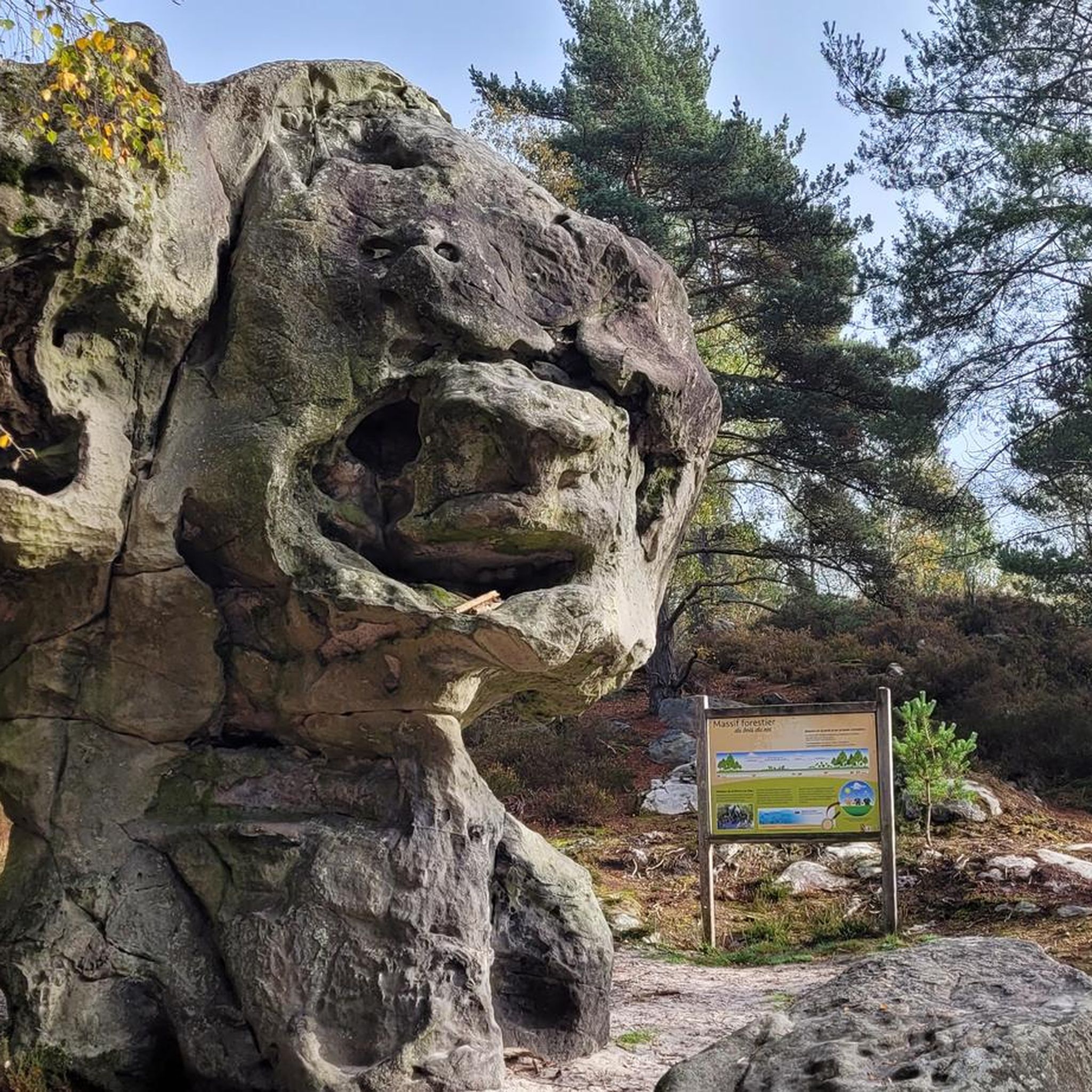
The Bruyères de Frais-Vent, located in the Ermenonville forest in the Montlognon woods, constitute an exceptional natural site. It is the only place in the massif where large blocks of sandstone rest on a vast layer of Fontainebleau sand.
0
0

The oldest building within the grounds of the Château de la Douye is what appears to be part of the “Grand Hôtel” built by King John II the Good in 1344 and partially destroyed during the 100 Years' War. John II liked Bethisy which he called his “desert”. He made numerous stays there. The Château de la Douye is more recent. It is described as a composite manor, made up of two buildings at right angles: one very simple, is from the 17th century; the other contains the chapel whose window with flamboyant tracery retains stained glass. At the intersection a 15th century staircase turret. The history of the castle is little known. The first owners seem to have been the Anthonis, lords of Douye. Around 1475, Gilles Anthonis, Lord of Douye, Baron and Vémars, was Notary and Secretary to King Louis XI and hereditary Gruyer of Béthisy, in the forest of Cuise. Subsequently, for example, it was the turn of Berthelemy (1570), Le Doux (1655) and Beaurain (1762). More recently, La Douye welcomed the Missionary Sisters of the Holy Spirit. Numerous works have now completely transformed the interiors. The stained glass window is also more modern. Around 1820 the arms of Charles VI and VII were visible on the turret and in the chapel. Charles VI, the beloved or the madman, king of France from 1380 to 1422. Charles VII, the victorious, king of France from 1422 to 1461.
0
0

The Château de la Douye in Béthisy-Saint-Pierre is a composite manor, formed by two buildings at right angles: one very simple, from the 17th century; the other contains the chapel with flamboyant windows and stained glass. At the intersection there is a 15th century stair turret. The Château de la Douye is surrounded by a large park and faces the two turrets that remain from the medieval castle of King John II the Good, who built the "Grand Hôtel" in 1344 and partially destroyed it during the Hundred Years' War. You can also admire the old mill on the Automne river, which crosses the territory of the commune.
2
0
The Château de Montépilloy is a medieval castle in ruins which was built in the 12th century by Guy III le Bouteiller de Senlis, a nobleman in the service of the kings of France. It was the scene of several battles and sieges during the Hundred Years' War and the Wars of Religion. You will be able to discover the remains of the imposing keep, the polygonal enclosure, the entrance gate and the unfinished “new castle” which date from different periods in the history of the castle. The castle is surrounded by forests and offers panoramic views of the countryside. You can also enjoy the charm of the neighboring village of Montépilloy, which has a church, a fountain and an old washhouse. The castle is open to the public from June to September.
2
0

Rather a question! We want to hike in the fresh wind trail area, with the rocks this Sunday. Is there HUNTING in this area!!?
0
0
Morienval Abbey is a former Benedictine abbey founded in the 9th century by Charles the Bald. The abbey is located in a peaceful valley near Crépy-en-Valois. You can admire the impressive Romanesque architecture of the abbey church, which has three towers, a transept and a unique pseudo-ambulatory. You can also explore the surrounding countryside, which offers panoramic views of fields and forests. Morienval Abbey is a place where you can enjoy the beauty and tranquility of nature, while discovering the rich heritage of this ancient monastic site.
2
0
The Saint Pondron church dates from the 12th and 13th centuries. It combines Romanesque and Gothic elements, such as the walls of the old nave, the square choir, the side bell tower and the flamboyant chapel. You can admire the stone heads carved on the corbels, the original stained glass windows and the covered well in front of the portal. Don't miss this charming example of rural architecture in the Automne Valley.
2
0
Morienval Abbey is a former Benedictine abbey founded in the 9th century by Charles the Bald. The abbey is located in a peaceful valley near Crépy-en-Valois. You can admire the impressive Romanesque architecture of the abbey church, which has three towers, a transept and a unique pseudo-ambulatory. You can also explore the surrounding countryside, which offers panoramic views of fields and forests. Morienval Abbey is a place where you can enjoy the beauty and tranquility of nature, while discovering the rich heritage of this ancient monastic site.
2
0
Frequently Asked Questions
What historical landmarks can I explore around Ormoy-Villers?
You can visit several historical sites, including the ruins of Montépilloy Castle, a 12th-century fortress that played a role in the Hundred Years' War. Another notable site is Douye Castle, a composite manor with a 17th-century building and a 15th-century stair turret. Ormoy-Villers also features the historic 12th-century Église Saint-Martin, known for its Romanesque choir apse and Gothic flamboyant reconstruction.
Are there any natural sites to visit near Ormoy-Villers?
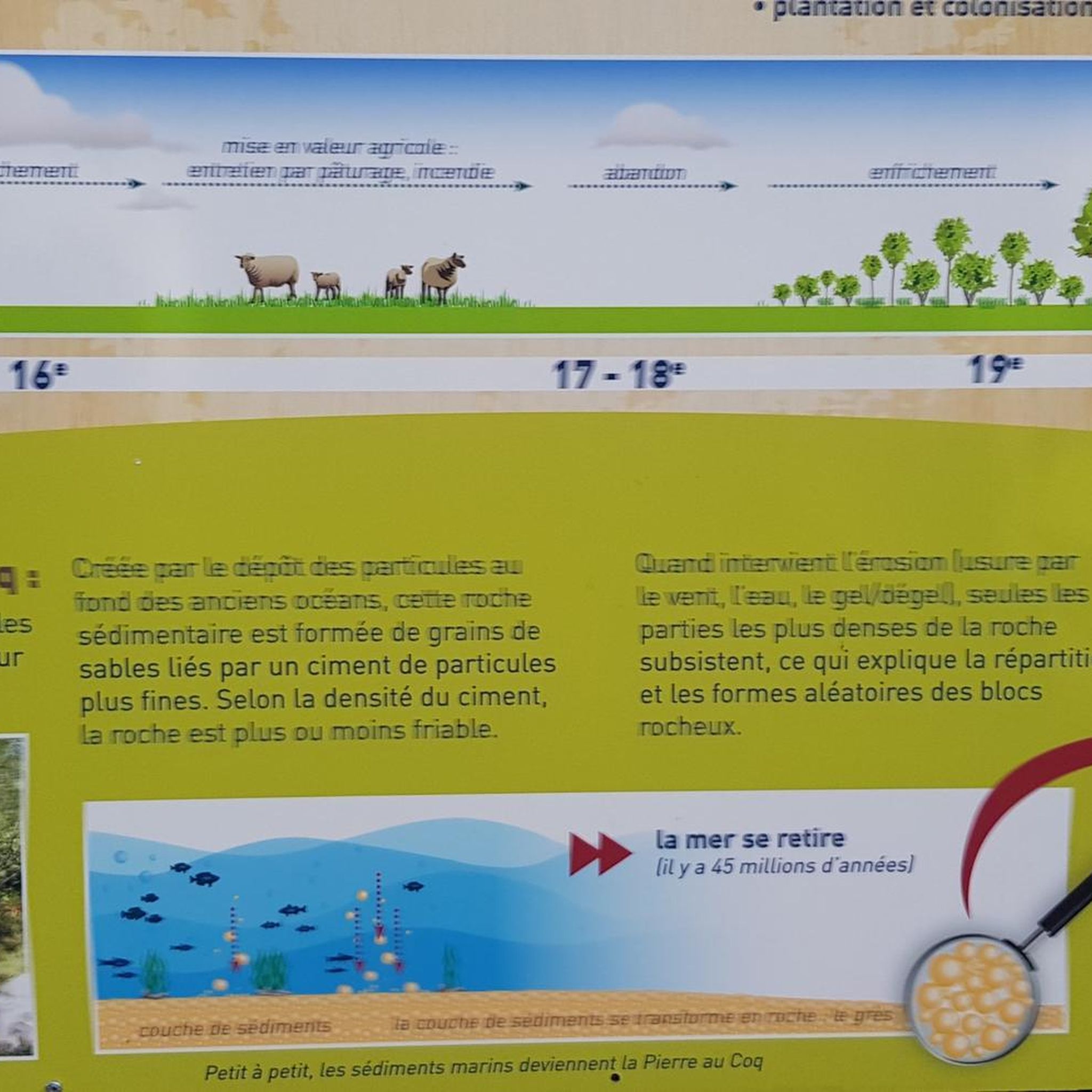
Yes, the region offers beautiful natural attractions. Le Bois du Roi is a historic forest, once a royal hunting ground, rich in biodiversity and classified as a Natura 2000 site. It features numerous hiking trails and archaeological remains like the "Pierre Glissoire" and "Pierre au Coq." You can also explore Les Bruyères de Frais-Vent, a unique natural site in the Ermenonville forest with large sandstone blocks resting on Fontainebleau sand.
What kind of outdoor activities, like cycling or hiking, are available?
The area is excellent for outdoor activities. The La Voie Verte du Pays de Valois is a paved greenway perfect for walking, cycling, or horseback riding. For more extensive cycling, you can find various routes in the region, including those around Ormoy-Villers. Explore options for cycling, gravel biking, and road cycling.
Is Ormoy-Villers suitable for family outings?
Absolutely. Many attractions are family-friendly. Douye Castle and Pondron Church are listed as suitable for families. The La Voie Verte du Pays de Valois offers a safe and accessible path for walking or cycling with children, crossing forests and fields.
Where can I find ancient churches or abbeys in the area?
Beyond Ormoy-Villers' own Église Saint-Martin, you can visit Pondron Church, which dates from the 12th and 13th centuries and combines Romanesque and Gothic elements. Another significant site is Notre-Dame Abbey, Morienval, a former Benedictine abbey founded in the 9th century, known for its impressive Romanesque architecture.
Are there any accessible routes for walking or cycling?
Yes, the La Voie Verte du Pays de Valois is a three-meter-wide paved path that follows an old railway line. It is specifically designed to be accessible and safe for walking, cycling, or horseback riding, making it suitable for all ages and abilities.
What is the Bois du Roi and what can I do there?
The Bois du Roi is a large, historic forest near Ormoy-Villers, once a hunting ground for French kings. It's a Natura 2000 site, meaning it's recognized for its ecological importance. You can enjoy numerous hiking trails, with marked loops accessible from Rue du Bois. The forest also holds archaeological remains and ancient trees, including the notable "Pierre Glissoire" and "Pierre au Coq" megalith.
When is the best time of year to visit Ormoy-Villers for outdoor activities?
The region is enjoyable throughout the year, but spring and autumn are particularly pleasant for outdoor activities. Spring offers fresh greenery and blooming flora, while autumn provides beautiful foliage for walks and rides. Summer is also suitable, especially for shaded forest trails like those in Le Bois du Roi.
Can I bring my dog on trails around Ormoy-Villers?
Many natural areas and trails in France, including those around Ormoy-Villers, are generally dog-friendly, especially if dogs are kept on a leash. The La Voie Verte du Pays de Valois and trails within Le Bois du Roi are popular choices for walks with dogs. Always ensure to clean up after your pet.
Are there any specific historical monuments related to past conflicts?
Yes, Ormoy-Villers has a Monument in homage to fallen soldiers. This monument commemorates soldiers who fell defending the village, particularly during fierce fighting along the Chauvineau line on June 11 and 12, 1940. A blockhouse from the Chauvineau line can also be seen nearby, offering a glimpse into this period of history.
What do visitors enjoy the most about attractions around Ormoy-Villers?
Visitors appreciate the blend of historical significance and natural beauty. Highlights like Montépilloy Castle are valued for their impressive ruins and panoramic views. Natural sites such as Les Bruyères de Frais-Vent offer unique landscapes for exploration. The tranquility and rich heritage of the area, combined with opportunities for outdoor activities, are frequently highlighted.
Are there any viewpoints in the Ormoy-Villers region?
Yes, Montépilloy Castle, with its imposing keep, offers panoramic views of the surrounding countryside. Additionally, exploring the higher points within Le Bois du Roi or along certain sections of the La Voie Verte du Pays de Valois can provide scenic vistas of the forests, fields, and typical villages of the region.
Most popular routes around Ormoy-Villers

Get inspired with the komoot mobile app


Explore more
Still not found the Highlight you’re looking for? See guides of the top attractions in other regions:
