Attractions and Places To See around Muneville-Sur-Mer - Top 20
Best attractions and places to see around Muneville-Sur-Mer include a blend of historical sites and natural landscapes in the Manche department of Normandy, France. Although its name suggests a coastal location, the commune is situated about 5 km inland, offering a mix of rural charm and proximity to maritime features. The area features historical landmarks like Saint Peter's Church and numerous walking paths through the Norman countryside. Visitors can explore diversified agricultural activity and historical roots dating back to Viking…
Last updated: July 6, 2026
Roque Bridge
Highlight • Historical Site
Translated by Google •
Tip by

Agon Point
Highlight • Beach
Pointe d’Agon hides …
Translated by Google •
Tip by

Sign up now to discover places like this
Get recommendations on the best single tracks, peaks, & plenty of other exciting outdoor places.
Sign up for free
Regnéville-sur-Mer
Highlight • Settlement
Translated by Google •
Tip by

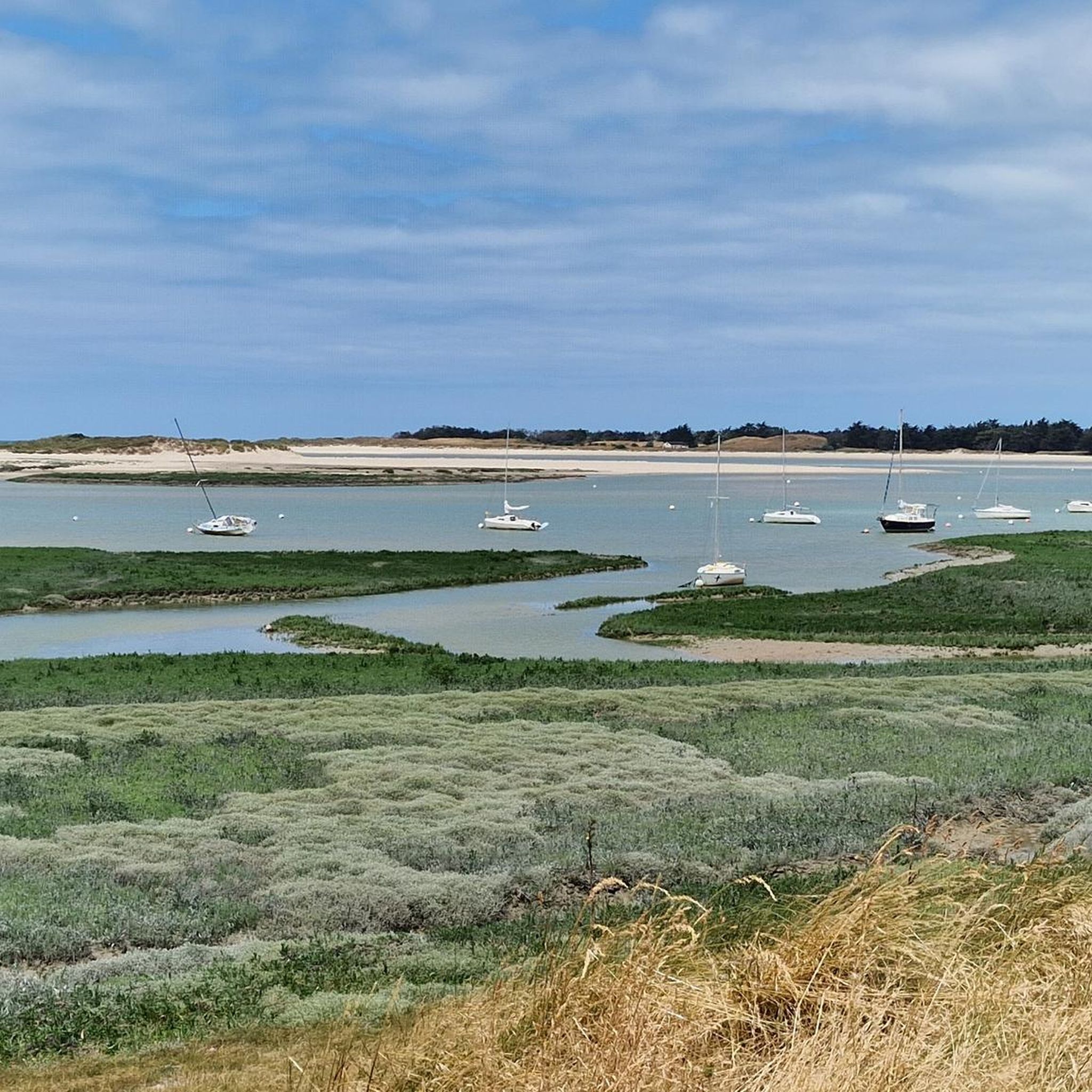
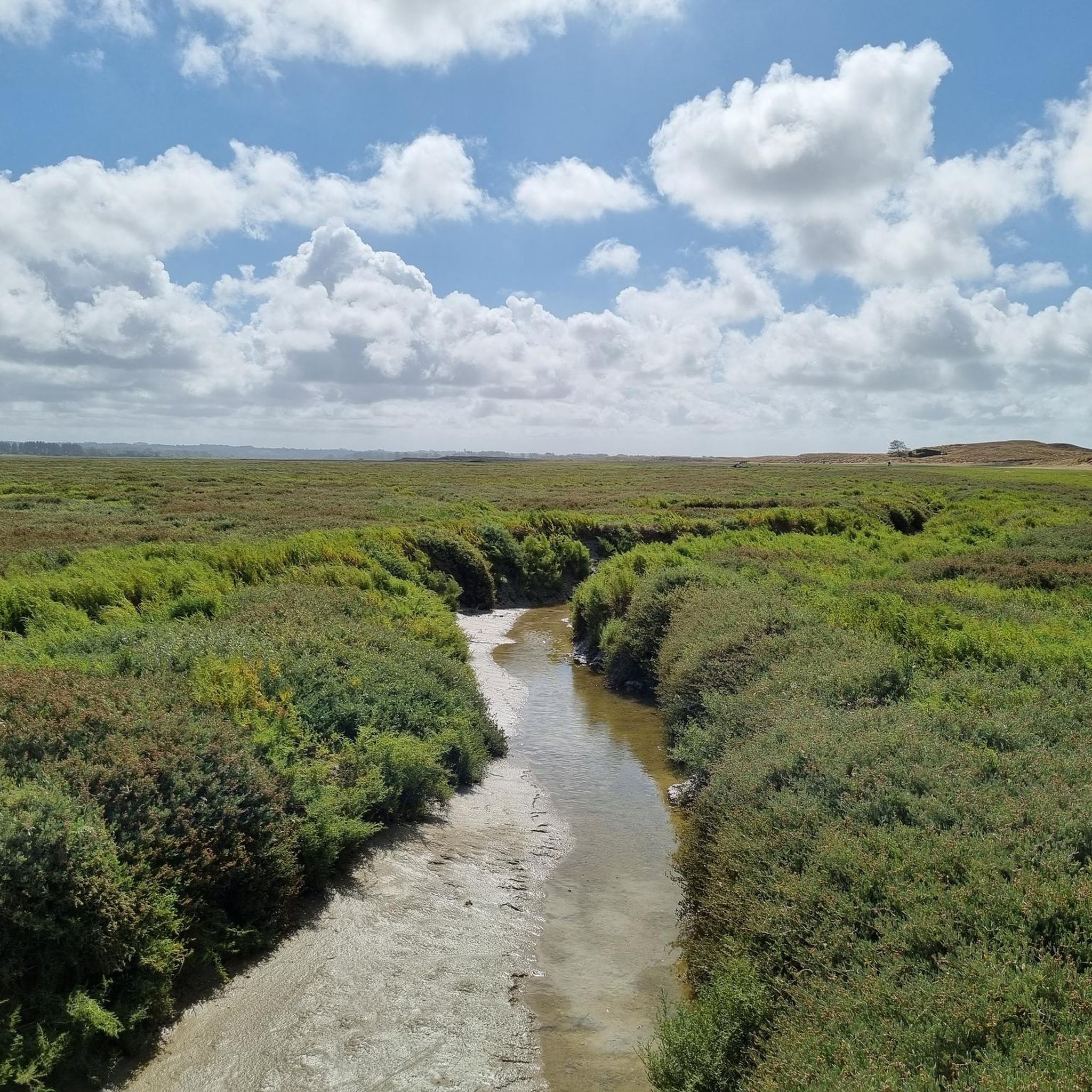
Havre de la Vanlée
Highlight • Natural
Translated by Google •
Tip by

Regnéville Castle
Highlight • Castle
Translated by Google •
Tip by

Sign up for free to discover even more attractions around Muneville-Sur-Mer.
Sign up for free
Already have an account?
Start today with a free account
Your next adventure awaits.
Login or Signup
Tips from the Community

Beautiful old town with an old castle. The houses here are still the typical stone houses.
0
0

beautiful ruin with exhibition
0
0


Small, only partially preserved castle.
0
0
Small, only partially preserved castle.
0
0
Small castle, not much preserved, but worth seeing.
0
0

The commune of Pont de la Roque was the subject of a first Allied bombing on April 23, 1944. The bombers targeted the stone bridge built over the coastal river of Siena. Nearly 20 air raids were launched to destroy this bridge and it was not until mid-June that three of the eleven arches were destroyed by bombs.
1
0
Very early in his activity, he participated in the flourishing economic life of the region. Coastal and offshore fishing (armament for Newfoundland), navigation school, commercial exchanges thanks to the Montmartin fair, protection provided by the castle: it seems to have all the assets. In 1871, the commercial movement of the port again resulted in the entry of 960 boats representing 21,000 tonnes of goods, mainly the transport of limestone and slaked lime to Brittany and the importation of coal for the lime kilns. But its activity will drop suddenly at the end of the 19th century, following the increase in the tonnage of ships incompatible with the low water levels: the appearance of the iron and steam navy will be fatal to it. At the beginning of the 20th century, it suffered several storms. Currently, its activity is solely focused on pleasure boating (90 anchorages). NB: 1 foot = 324mm; 1 barrel = 2.83 m3 (measure used to measure boats).
0
0
Frequently Asked Questions
What natural sites can I explore near Muneville-sur-Mer?
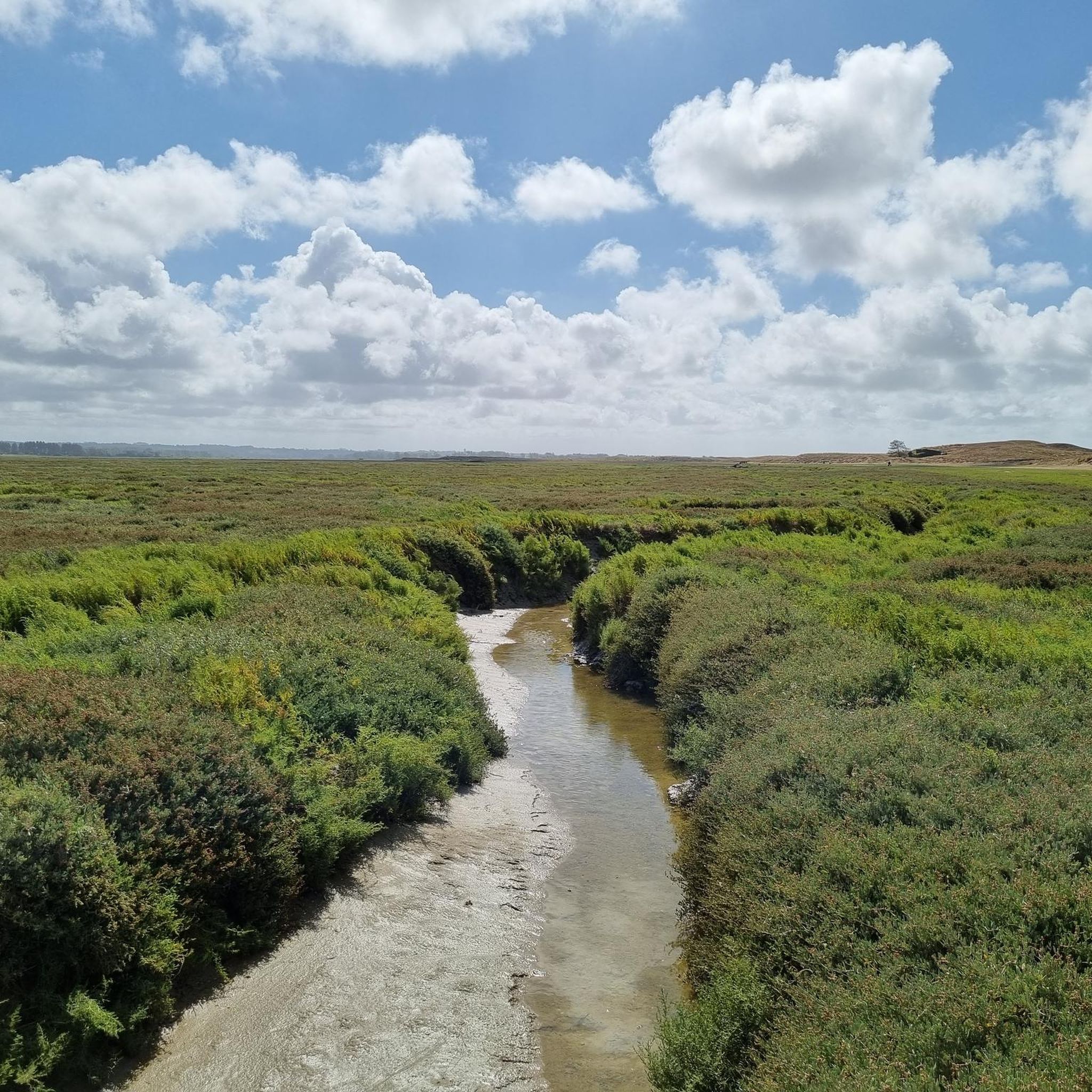
You can discover the unique Havre de la Vanlée, a classified natural heritage site. This estuary features salt meadows and flats, accessible by a submersible road during low tides. It's known for its unique biodiversity, including salt marsh sheep and protected birds. It's one of eight such havens along the west coast of the Cotentin peninsula.
Are there any historical castles or ruins to visit in the area?
Yes, you can visit Regnéville Castle, a 12th-century castle with a turbulent history, including its partial demolition by King Louis XIII. A restoration program has been underway since 1989, and it's free to visit. Additionally, the village of Regnéville-sur-Mer, which faces the Pointe d'Agon, also has historical significance and hosts exhibitions in its former harbor during summer.
What kind of walking paths are available directly in Muneville-sur-Mer?
Muneville-sur-Mer offers numerous sunken paths within the village center, perfect for strolls through the surrounding Norman countryside. These paths showcase diversified agricultural activity and serve as starting and ending points for two marked routes, one 5 km and another 10 km long.
What historical church can I find in Muneville-sur-Mer?
The village is home to the Saint Peter's Church (Église Saint-Pierre). This multi-century church houses a 14th-century Virgin and Child statue, classified as a historical monument, and a suspended model of an old sailing ship. The church structure itself dates back to an original Romanesque church from the mid-11th century, with remnants still visible.
Are there any family-friendly attractions or activities nearby?
Many of the historical sites like Regnéville Castle and the village of Regnéville-sur-Mer are considered family-friendly. For those interested in wildlife, the Raptor Park in Lingreville, about 2.6 km away, is a point of interest for bird enthusiasts.
What are some notable cultural sites further afield but still accessible?
While a bit further, the iconic Mont Saint-Michel and its Abbey (around 33.2 km) is a UNESCO World Heritage site and a must-visit. Closer by, in Granville (about 12.6 km), you can visit the Musée Christian Dior, dedicated to the renowned fashion designer.
Where can I find beaches or coastal activities near Muneville-sur-Mer?
Although Muneville-sur-Mer is inland, you can find coastal activities at Plat Gousset Beach in Granville, approximately 13.1 km away. The Havre de la Vanlée also offers a unique coastal experience with its salt marshes and wide strip of dunes, and bathing is possible at high tide.
What kind of outdoor activities, like running or cycling, can I do in the area?
The region offers various outdoor activities. For running, you can explore routes like the 'Le Pont Bleu – The Vanlée haven loop from Bréhal' (16.5 km, difficult) or 'The Vanlée Haven – Bréhal loop from Bréhal' (7 km, moderate). For mountain biking, consider the 'Regnéville Castle – Château de Regnéville loop from Tourneville-sur-Mer' (38.7 km, moderate). Gravel biking options include the 'Christian Dior Garden – Nice trail in the undergrowth loop from Bréville-sur-Mer' (23.3 km, easy). You can find more details and routes on the Running Trails, MTB Trails, and Gravel Biking guide pages.
Are there any botanical gardens or impressive cathedrals nearby?
Yes, the Coutances Botanical Garden, approximately 12.9 km away in Coutances, is a well-regarded attraction. Coutances is also known for its impressive 13th-century cathedral, which is a significant architectural landmark.
What do visitors enjoy most about the attractions around Muneville-sur-Mer?
Visitors particularly appreciate the blend of historical charm and natural beauty. The Havre de la Vanlée is loved for its unique natural landscape, free-roaming sheep, and opportunities for nature lovers. The picturesque village of Regnéville-sur-Mer is praised for its small alleys, courtyards, and the changing rhythm of the tides, making it a great place to take a break.
Can I find any Romanesque architecture in the vicinity?
Yes, the abbey church at Lessay, located about 32 km from Muneville-sur-Mer, is an important example of Romanesque architecture. Additionally, the Saint Peter's Church in Muneville-sur-Mer itself has remnants of an original Romanesque church dating back to the mid-11th century.
What is the Roque Bridge and why is it historically significant?
The Roque Bridge is a beautiful bridge located at the confluence of the Siena and Soulles rivers. It holds significant historical importance from World War II, as it was repeatedly bombed by Allied forces in 1944 to prevent the retreat of German occupation armies. Three of its eleven arches collapsed during these attempts, and it stands today as a memorial.
Most popular routes around Muneville-Sur-Mer

Get inspired with the komoot mobile app


Explore more
Still not found the Highlight you’re looking for? See guides of the top attractions in other regions:
