Attractions and Places To See around Gargilesse-Dampierre - Top 20
Best attractions and places to see around Gargilesse-Dampierre include historical landmarks, natural features, and cultural sites. This region, nestled in the picturesque Creuse Valley, is recognized for its tranquil setting and artistic heritage. Visitors can explore a variety of points of interest, from ancient castles to scenic viewpoints overlooking the river. The area offers a blend of historical significance and natural beauty, making it a destination for those interested in both culture and the outdoors.
Best attractions and places to see around Gargilesse-Dampierre
- The most popular attractions is Rocher de la Fileuse viewpoint, a viewpoint that offers views of the village of Crozant and the "Valley of Painters." From this spot, visitors can see the ruins of the Crozant fortress.
- Another must-see spot is Eguzon Dam viewpoint, a viewpoint offering impressive views of the dam and lake over the Creuse River. This location provides a unique aerial perspective of the dam.
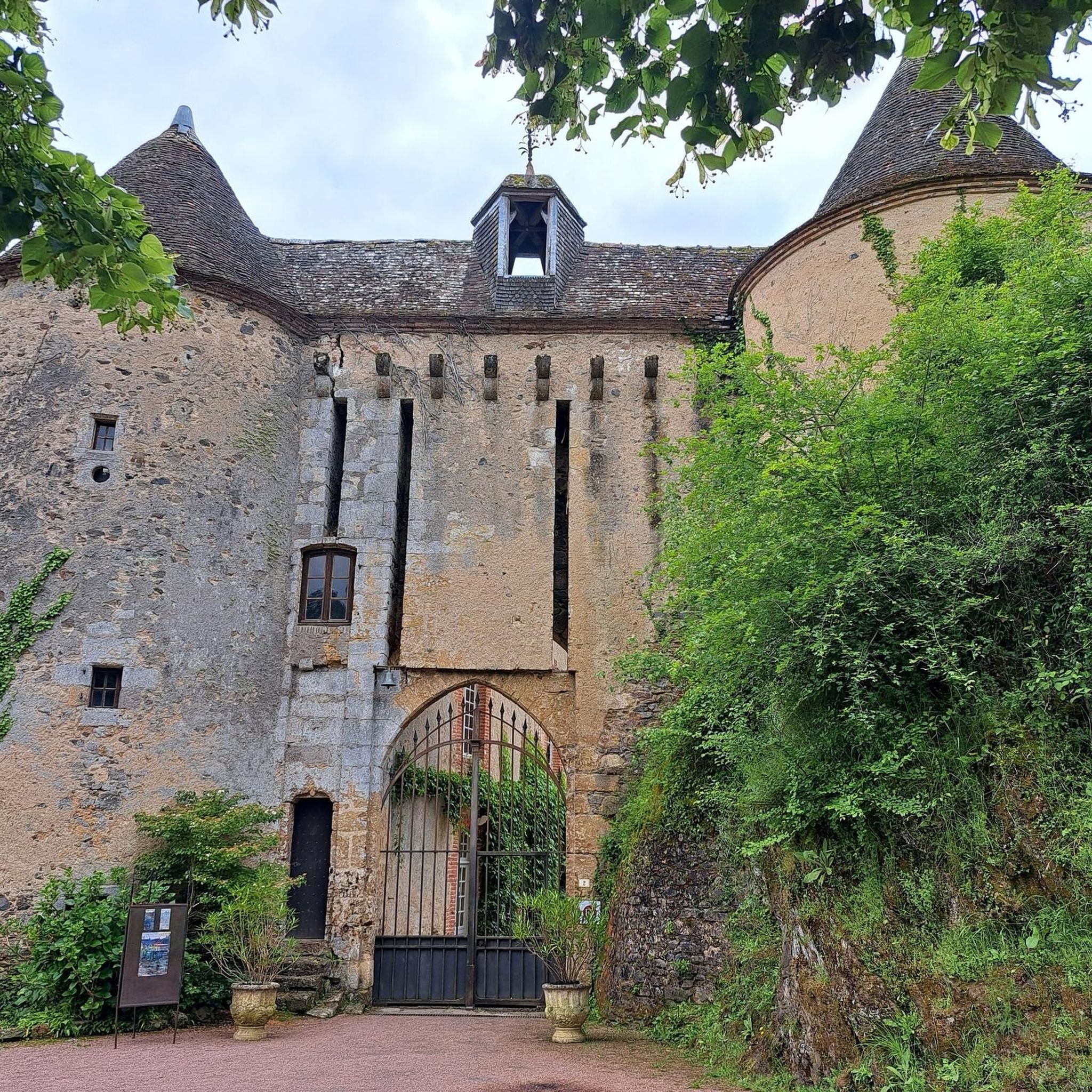
- Visitors also love Cluis-Dessous Castle, a historical site located on a rocky outcrop. The castle occupied a strategic position, with parts dating back to the 12th century.
- Gargilesse-Dampierre is known for its historical sites, viewpoints, and cultural richness. The area offers a variety of attractions to see and explore, including Romanesque churches and art galleries.
- The attractions around Gargilesse-Dampierre are appreciated by the komoot community, with more than 36 upvotes and 28 photos shared by visitors.
Last updated: July 16, 2026
Cluis-Dessous Castle
Highlight • Historical Site
Translated by Google •
Tip by

Gargilesse-Dampierre
Highlight • Settlement
Translated by Google •
Tip by

Sign up now to discover places like this
Get recommendations on the best single tracks, peaks, & plenty of other exciting outdoor places.
Sign up for free
Rocher de la Fileuse viewpoint
Highlight • Trail
From here you can see the ruins of the Crozant fortress with the village of Crozant in the background.
Translated by Google •
Tip by
Eguzon Dam viewpoint
Highlight • Viewpoint
Translated by Google •
Tip by

Church of Saint Lawrence and Our Lady
Highlight • Other
Translated by Google •
Tip by
Sign up for free to discover even more attractions around Gargilesse-Dampierre.
Sign up for free
Already have an account?
Start today with a free account
Your next adventure awaits.
Login or Signup

Tips from the Community

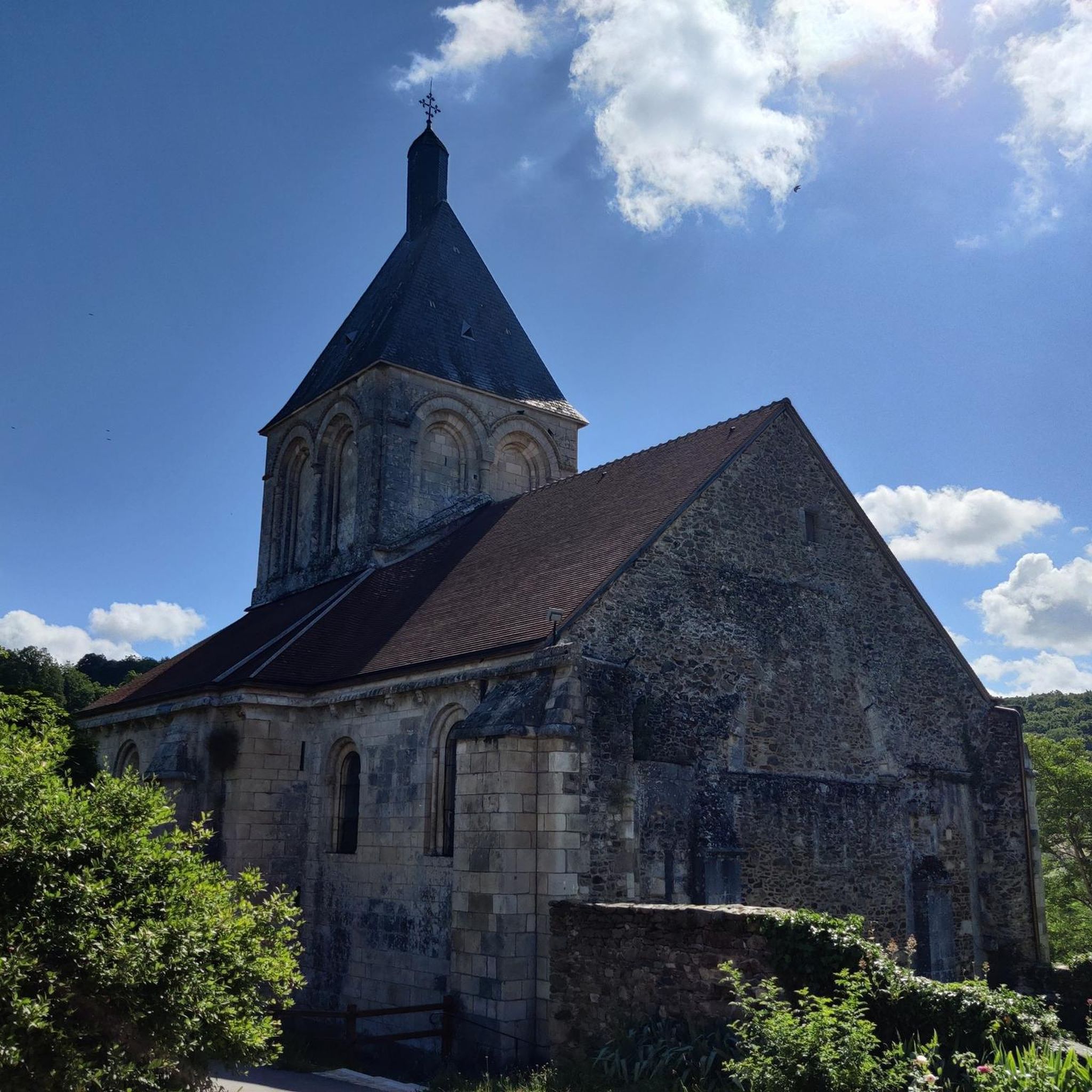
In the heart of the artists' village of Gargilesse stands a 12th-century Romanesque church that George Sand once called a "little masterpiece." From the outside, it appears simple, but inside you'll find more than 100 carved capitals. Once connected to the castle by an underground passage, the church still exudes the atmosphere of centuries of faith, art, and history.
1
0
Viewpoint at the Barrage d’Éguzon: impressive views of the dam and lake over the Creuse River. The rushing water and the reflection in the lake create a sense of tranquility and power. A perfect spot to pause and enjoy the combination of nature and technology.
3
0
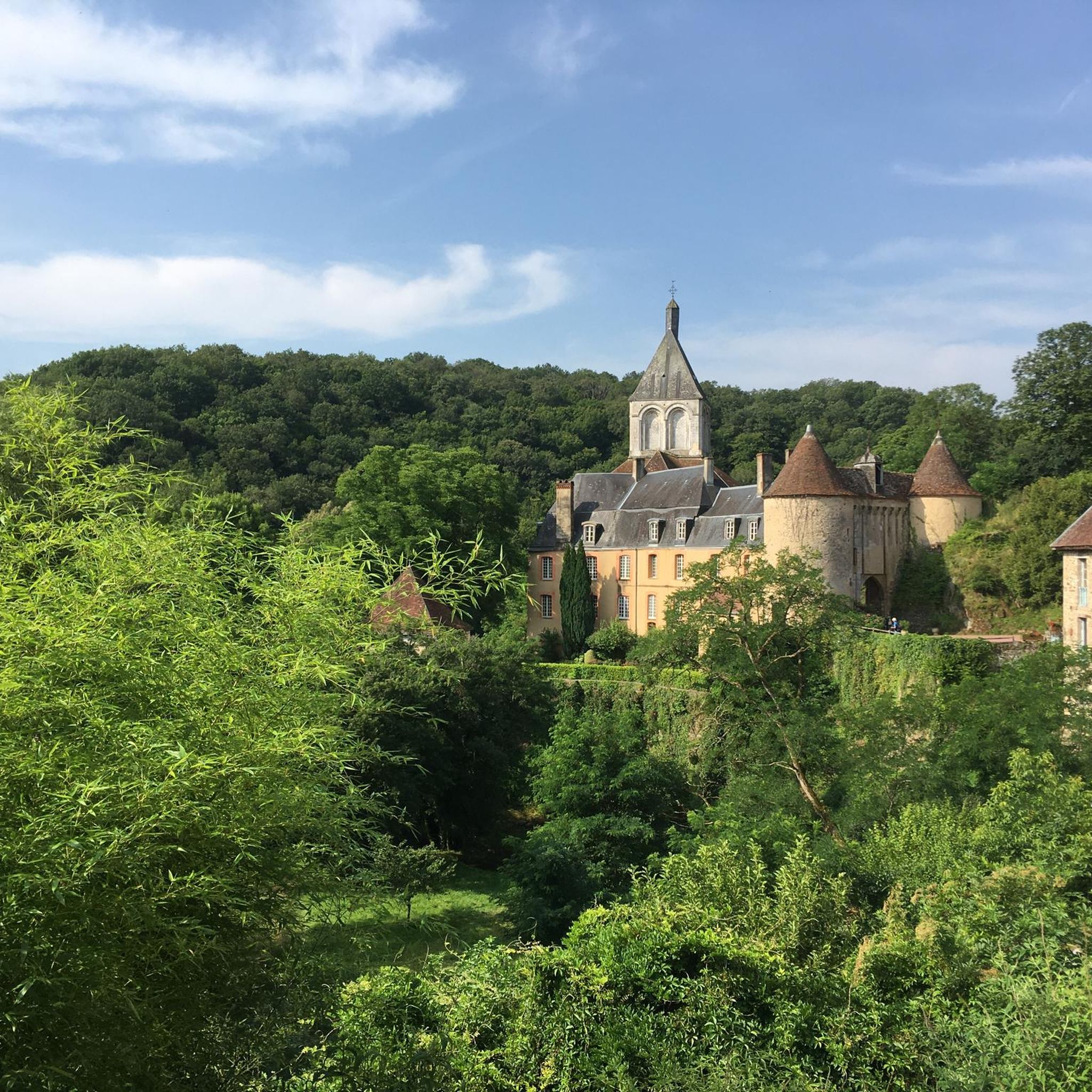
In the Creuse valley lies the picturesque village of Gargilesse-Dampierre. The village is listed as one of the most beautiful villages in France. And I can see why: the romantic charm of the closely packed houses with their steep, brown-tiled roofs, which surround the castle. Truly artistic, picturesque, and charismatic. It's wonderful to take a walk in this area and have a drink at one of the restaurants. Especially the restaurant at the top, where you have a magnificent view of the village and the castle.
3
0


It is impossible to cross the dam. It is a private area that cannot be crossed.
0
0

The small church is located in the middle of this beautiful town with its narrow and winding streets. The town and the church are worth a visit.
1
0

A very impressive ruin. It shows the power that emanates from here
1
0

Super technical trail with flat stone steps which leads to the promontory with a view of the ruins of Crozant. The descent that follows, to the Crozant bridge, requires vigilance but is done in dry weather.
0
0
Frequently Asked Questions
What historical sites can I explore in Gargilesse-Dampierre?
Gargilesse-Dampierre is rich in history. You can visit the impressive 10th-century Gargilesse Castle, which now houses a modern art museum, and the 12th-century Romanesque Church of Saint Lawrence and Our Lady, known for its carved capital stones and crypt. Don't miss the Villa Algira, the former refuge of novelist George Sand, now a museum. Further afield, the Cluis-Dessous Castle, located on a rocky outcrop, offers a glimpse into medieval strategic architecture with parts dating back to the 12th century.
Where can I find the best scenic views of the Creuse Valley?
For breathtaking vistas, head to the Rocher de la Fileuse viewpoint, which offers impressive views of the village of Crozant and the "Valley of Painters." Another excellent spot is the Eguzon Dam viewpoint, providing a unique aerial perspective of the dam and its lake over the Creuse River.
What outdoor activities are available near Gargilesse-Dampierre?
The region offers a variety of outdoor activities. You can explore numerous hiking trails, enjoy road cycling through picturesque landscapes, or go running. For detailed routes and difficulty levels, check out the dedicated guides for Hiking around Gargilesse-Dampierre, Road Cycling Routes around Gargilesse-Dampierre, and Running Trails around Gargilesse-Dampierre.
Are there family-friendly attractions in the area?
Yes, the region offers several family-friendly options. The Eguzon Dam viewpoint is a great spot for all ages to enjoy impressive views of the dam and lake. Strolling along the peaceful banks of the Creuse River and exploring the picturesque village houses of Gargilesse-Dampierre itself are also enjoyable activities for families.
What is the artistic and cultural significance of Gargilesse-Dampierre?
Gargilesse-Dampierre has a strong artistic heritage, notably as the inspiration and refuge for 19th-century novelist George Sand. The village is home to numerous art galleries and workshops, attracting painters and craftspeople. The Gargilesse Castle hosts a contemporary art museum, and the Serge Delaveau Museum is dedicated to the works of a local artist. Every August, the Romanesque church hosts a well-known Harp Festival.
Can I find hiking trails suitable for different skill levels?
Absolutely. The hiking trails around Gargilesse-Dampierre cater to various abilities. You can find easy walks like 'The River – Gargilesse-Dampierre loop' (5.9 km) or more challenging routes such as 'The River – Weir loop' (18.2 km). For a comprehensive list and details, refer to the Hiking around Gargilesse-Dampierre guide.
What are some notable nearby towns or attractions worth visiting?
Beyond Gargilesse-Dampierre, consider visiting Argenton-sur-Creuse, known as the 'Venice of Berry,' with its interesting churches and riverside walks. You might also explore the Argentomagus archaeological site in Saint-Marcel or the 18th-century manor house of George Sand in Nohant-Vic.
What do visitors enjoy most about Gargilesse-Dampierre?
Visitors frequently praise Gargilesse-Dampierre for its romantic charm, picturesque houses with steep, brown-tiled roofs, and the tranquil setting of the Creuse Valley. Many appreciate the artistic atmosphere, the historical sites like the church and castle, and the beautiful views, especially from spots overlooking the village and river.
Are there opportunities for cycling in the region?
Yes, the area around Gargilesse-Dampierre is excellent for road cycling. Routes vary in difficulty, from easy loops like 'Vestiges du château loop' (12.1 km) to moderate rides such as 'Argenton-sur-Creuse – Notre-Dame Church loop' (51.2 km). You can find more options and detailed route information in the Road Cycling Routes around Gargilesse-Dampierre guide.
What is the Church of Saint Lawrence and Our Lady known for?
The Church of Saint Lawrence and Our Lady is a 12th-century Romanesque church, once described by George Sand as a 'little masterpiece.' It is particularly renowned for its approximately 120 exceptional carved capital stones and a crypt featuring colorful frescoes from the 13th to 16th centuries, which also houses a 12th-century wooden Virgin.
When is the best time to visit Gargilesse-Dampierre for outdoor activities?
The spring and summer months generally offer the most pleasant weather for outdoor activities like hiking, cycling, and exploring the village. August is particularly vibrant, as the Romanesque church hosts its well-known Harp Festival, adding a cultural highlight to your visit.
Most popular routes around Gargilesse-Dampierre

Get inspired with the komoot mobile app


Explore more
Still not found the Highlight you’re looking for? See guides of the top attractions in other regions:
