The best MTB trails around Fontgombault
4.6
(44)
142
riders
39
rides
Mountain biking around Fontgombault offers diverse terrain within the Brenne Natural Regional Park, known for its wetlands, over 2,000 lakes, and ancient oak forests. While much of the landscape is relatively flat, the southern parts feature more hilly and wooded terrain, along with steep valleys carved by rivers like the Anglin and Creuse. This varied topography provides a range of mountain biking experiences. The region is characterized by a mosaic of natural features, making it suitable for different skill levels.
…Last updated: July 3, 2026
4.8
(6)
13
riders
31.8km
02:26
370m
380m
Moderate mountain bike ride. Good fitness required. Suitable for all skill levels.
3.5
(4)
12
riders
38.1km
02:16
210m
210m
Moderate mountain bike ride. Good fitness required. Suitable for all skill levels.

Sign up for free
4.0
(1)
4
riders
Moderate mountain bike ride. Good fitness required. Advanced riding skills necessary.
3
riders
50.6km
03:00
370m
370m
Moderate mountain bike ride. Good fitness required. Suitable for all skill levels.
4
riders
42.0km
02:40
350m
350m
Moderate mountain bike ride. Good fitness required. Suitable for all skill levels.
Get access to more routes and recommendations from other explorers.
Sign up for free
Already have an account?
Our route recommendations are based on thousands of hikes, rides, and runs completed by other people on komoot.
Start today with a free account
Your next adventure awaits.
Login or Signup



Tips from the Community

Hike up to the old Château-Naillac with its twin 12th-century donjons—towers without buttresses—standing just above the Creuse River. Inside, you'll find remnants of prisoners' graffiti, a hall with a magnificent Romanesque fireplace, and a model showing what the castle once looked like.
2
0
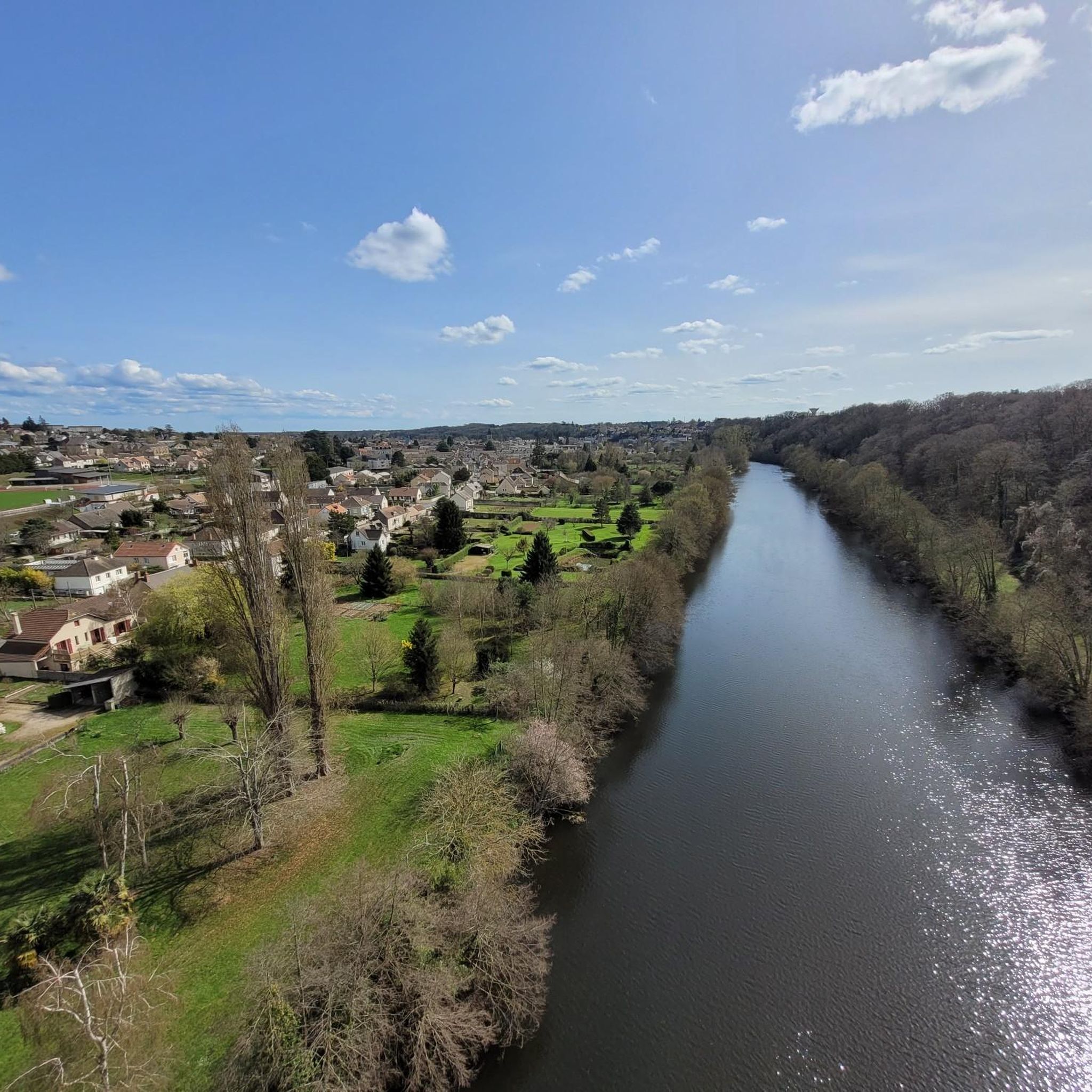
This impressive viaduct over the Creuse River looks like an ordinary old railway structure, but the stories behind it make it special. It was built in the late 19th century for a railway line that was never fully completed, earning it the nickname "the ghost train line." During World War II, the Germans used the bridge as an observation post, and after the war, it fell into complete disrepair. In the 1980s, it was even threatened with demolition, until bungee jumpers discovered the viaduct and revived it. Today, you can walk across it with stunning views of the valley, and be aware that bats have found refuge under the arches.
2
0
At the Abbey of Saint-Savin, a sight you'll never tire of awaits: the Gartempe River flowing gently past the ancient stone walls, and the medieval Pont de Saint-Savin spanning the river, with the abbey in the background. A magnificent view! The combination of water, bridge, and Romanesque architecture makes this a perfect oasis. Take a moment to sit on the banks.
3
0
At the Abbey of Saint-Savin, a sight you'll never tire of awaits: the Gartempe River flowing gently past the ancient stone walls, and the medieval Pont de Saint-Savin spanning the river, with the abbey in the background. A truly magnificent view! The combination of water, bridge, and Romanesque architecture makes this a perfect oasis. Take a moment to sit on the banks.
3
0

Magnificent abbey with its frescoes from the Romanesque period
0
0

It's not the most beautiful track, but it's there!
0
0

The Viaduc du Blanc is a remarkable work of art located in the commune of Le Blanc, although the Creuse is often associated with this type of structure, this specific viaduct crosses the Indre region, in the Centre-Val de Loire region. This viaduct is an emblematic work of 19th century railway architecture in France. Points of Interest: Architecture and Construction: Railway Structure: Built at the end of the 19th century, the Viaduc du Blanc is one of the major railway infrastructures of the time. It was designed to allow trains to pass over the Creuse Valley, a river that crosses this picturesque region. Imposing Structure: The viaduct is distinguished by its stone arches, which extend over several hundred meters. The height and length of the structure testify to the technical and aesthetic ambition of its designers. With its multiple elegant arches, it blends harmoniously into the surrounding natural landscape while asserting its imposing presence. Why visit the Viaduc du Blanc? Engineering Masterpiece: The Viaduc du Blanc is an impressive example of 19th century railway architecture, combining technique and aesthetics in a monumental work. Breathtaking Landscapes: Located in an exceptional natural setting, the viaduct offers panoramic views of the Creuse Valley, ideal for nature and photography enthusiasts. Industrial Heritage: This viaduct is an important witness to French industrial heritage, allowing a better understanding of the history of infrastructure and rail transport in France. In short, the Viaduc du Blanc is a must-see destination for those interested in architecture, industrial history, and spectacular natural landscapes. It is a place that perfectly combines human technology and natural beauty.
1
0
Château d'Ingrandes is a historic castle located in the commune of Ingrandes, in the Vienne department, in Nouvelle-Aquitaine. Nestled in the heart of a rural landscape typical of the region, this castle is a fascinating witness to the architectural and historical heritage of the region. Very close to the Anglin River. Points of Interest: History and Architecture: Medieval Origins: Château d'Ingrandes dates back to the Middle Ages, and although it has undergone many modifications over the centuries, it retains architectural elements that recall its medieval past. The thick walls, watchtowers, and the layout of the castle reflect its original defensive function. Environment and Setting: Located on the Edge of the Anglin: The castle is ideally located near the Anglin River, offering an enchanting natural setting. Visitors can enjoy views of the river and the surrounding landscapes, which add a picturesque dimension to the visit. Why visit the Château d'Ingrandes? Historical Richness: The castle offers a unique window on several centuries of history, from the Middle Ages to the Renaissance, with architectural elements and fascinating stories. In short, the Château d'Ingrandes is a must-see destination for lovers of heritage, history, and nature, offering an enriching experience in a setting that is both majestic and serene.
1
0
Frequently Asked Questions
How many mountain bike trails are there around Fontgombault?
There are over 35 mountain bike trails available around Fontgombault. These routes offer a mix of easy and moderate options, catering to various skill levels within the diverse landscapes of the Brenne Natural Regional Park.
What kind of terrain can I expect when mountain biking near Fontgombault?
The terrain around Fontgombault, within the Brenne Natural Regional Park, is quite varied. You'll find a mosaic of wetlands, lakes, bocages, prairies, and ancient oak forests. While much of the landscape is relatively flat, the southern parts of the park feature more hilly and wooded terrain, including steep valleys carved by rivers like the Anglin and Creuse, offering a range of experiences from leisurely rides to more challenging sections.
Are there any family-friendly mountain bike trails in the Fontgombault area?
Yes, the Fontgombault area offers several easy mountain bike trails suitable for families. The generally flatter sections of the Brenne Natural Regional Park, along with designated greenways ('voies vertes'), provide safe and peaceful paths away from traffic. An example of an easy route is the Rochers de la Dube – Medieval castle loop from Angles-sur-l'Anglin, which is 23.9 km long.
What are some notable landmarks or attractions I can see along the mountain bike trails?
Many mountain bike trails in the area pass by interesting landmarks. You can explore historical sites like the Angles-sur-l'Anglin Castle and the Roc-aux-Sorciers, or the impressive Viaduc du Blanc, a 19th-century railway viaduct. The Viaduc du Blanc – Le Blanc cycle bridge loop from Tournon-Saint-Pierre is a moderate route that features this viaduct and scenic countryside.
Are there any circular mountain bike routes available?
Yes, many of the mountain bike routes around Fontgombault are designed as loops, allowing you to start and finish in the same location. For example, the Rochers de la Dube – Medieval castle loop from Angles-sur-l'Anglin and the Medieval castle – Path at the foot of the cliffs🤗 loop from Angles-sur-l'Anglin are both popular circular options.
What do other mountain bikers say about the trails in Fontgombault?
The mountain bike trails around Fontgombault are highly rated by the komoot community, with an average score of 4.6 stars from over 30 reviews. Mountain bikers often praise the varied terrain, the beautiful scenery of the Brenne Natural Regional Park, and the mix of easy and moderate routes that cater to different abilities.
Can I find technical mountain bike trails with roots and rocks in Fontgombault?
While much of the Brenne Natural Regional Park is relatively flat, the southern parts, particularly along the Anglin and Creuse rivers, feature more hilly and wooded terrain with steep valleys. These areas are more likely to offer sections with natural obstacles like roots and rocks, providing a more technical challenge for experienced riders.
Are there any mountain bike trails that pass by the Fontgombault Abbey?
While specific routes directly passing the Abbey are not detailed in the provided data, Fontgombault Abbey is a significant local landmark. Many trails in the vicinity offer opportunities to explore the surrounding area. You can plan a route that includes a visit to the Abbey, known for its Romanesque architecture, by checking local maps or creating a custom tour on komoot.
What is the best season for mountain biking in Fontgombault?
The Brenne Natural Regional Park is beautiful throughout the year, but spring and autumn generally offer the most pleasant conditions for mountain biking. The weather is milder, and the natural landscapes, with blooming flora or vibrant autumn colors, are particularly scenic. Summers can be warm, and winters might bring colder, potentially wetter conditions, especially in the wetland areas.
Are there any cafes or pubs accessible from the mountain bike trails?
While the trails themselves are often in natural settings, towns and villages within or bordering the Brenne Natural Regional Park, such as Fontgombault itself or nearby Le Blanc, offer amenities like cafes and pubs where you can refuel. It's advisable to plan your route to pass through these locations if you wish to stop for refreshments.
Are there any dedicated cycling paths or greenways in the area?
Yes, the Brenne Natural Regional Park features 'voies vertes' (greenways), which are safe and peaceful paths ideal for cycling without traffic interruptions. These paths, such as the Cycling Path on Former Railway in Parc naturel régional de la Brenne, are perfect for a relaxed ride and are often suitable for families.
What kind of wildlife can I expect to see while mountain biking in the Brenne Natural Regional Park?
The Brenne Natural Regional Park is a haven for biodiversity. While mountain biking, you might spot numerous bird species, European pond turtles, and diverse plant life, including orchids, especially around the park's many lakes and wetlands. The varied habitats support a rich array of flora and fauna.
Most popular routes around Fontgombault
Most popular attractions around Fontgombault

Get inspired with the komoot mobile app


Explore more
Browse the best MTB trails in other regions.
