Attractions and Places To See around Saint-Erme-Outre-Et-Ramecourt - Top 20
Best attractions and places to see around Saint-Erme-Outre-Et-Ramecourt include a blend of historical landmarks, cultural sites, and natural features. This commune in the Aisne department of France offers insights into its past through various monuments and ruins. The surrounding landscape provides opportunities for outdoor exploration.
Best attractions and places to see around Saint-Erme-Outre-Et-Ramecourt
- The most popular attractions is Vauclair Abbey Ruins, a historical site that was founded in 1134 by St. Bernard and severely damaged in 1917. Preserved buildings…
Last updated: May 5, 2026
Vauclair Abbey Ruins
Highlight • Historical Site
Translated by Google •
Tip by

Napoleon Statue in Craonne
Highlight • Monument
Translated by Google •
Tip by

Sign up now to discover places like this
Get recommendations on the best single tracks, peaks, & plenty of other exciting outdoor places.
Sign up for free
St. Pierre Church - Guignicourt
Highlight • Other
Translated by Google •
Tip by
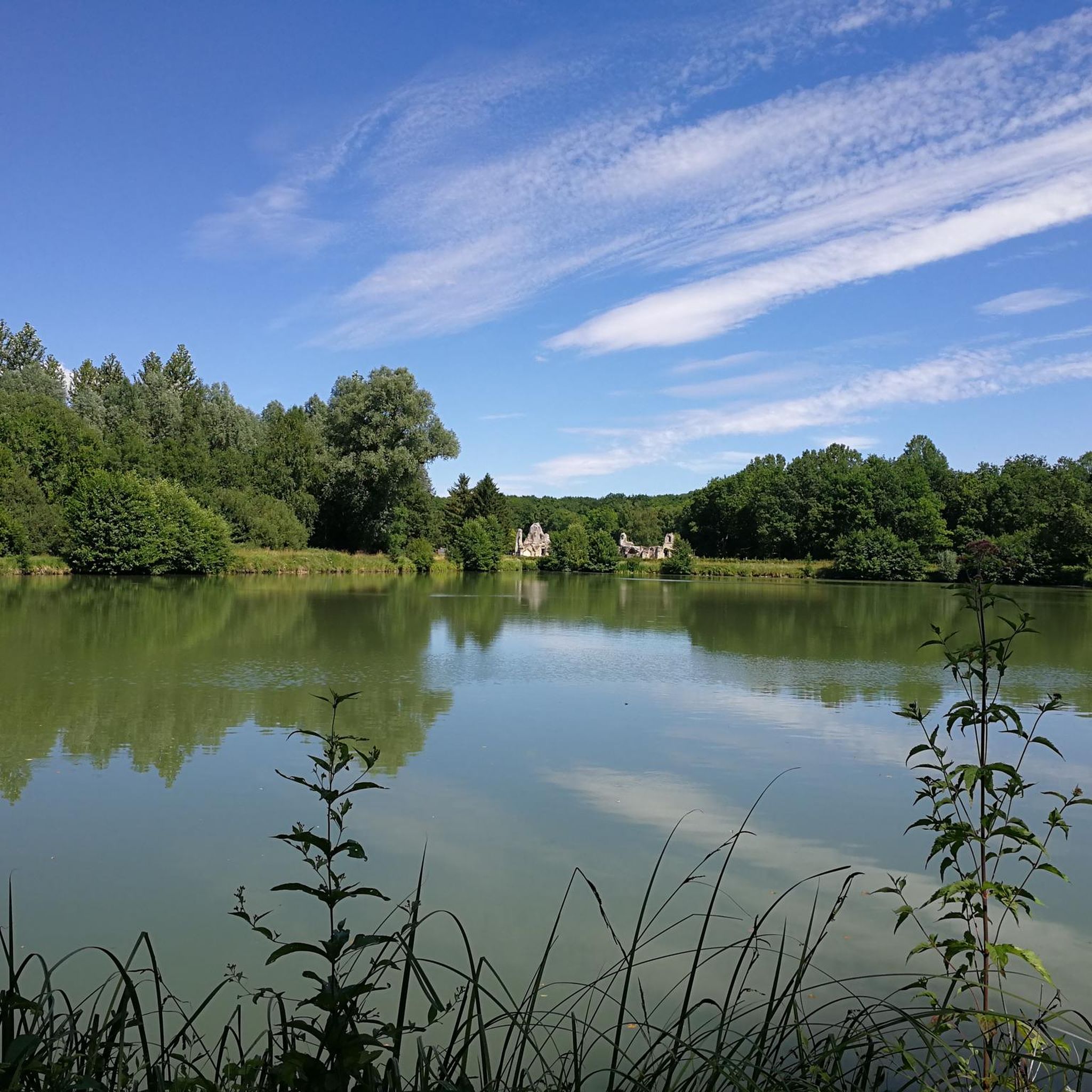
Monks' Pond
Highlight • Lake
Tip by

Craonne Memorial Stone
Highlight • Other
Translated by Google •
Tip by
Sign up for free to discover even more attractions around Saint-Erme-Outre-Et-Ramecourt.
Sign up for free
Already have an account?
Start today with a free account
Your next adventure awaits.
Login or Signup
Popular around Saint-Erme-Outre-Et-Ramecourt



Tips from the Community

This stone statue of Napoleon I , sculpted by Georges Thurotte in 1974, commemorates the victory of the French armies at Craonne against the Russian and Prussian armies of General Blücher on March 7, 1814 . It was built on the site of the Vauclair mill which served as an observation post during this battle...
0
0
This stone statue of Napoleon I, sculpted by Georges THUROTTE, commemorates the victory of the French armies at Craonne against the Russian and Prussian armies of General Blücher on March 7, 1814, which left 12,000 dead (7,000 French and 5,000 Russians, whose mass graves were scattered during the fighting of the First World War. Placed high on a mound and built on the former site of the Moulin de Vauclerc, which served as an observatory for the emperor, the limestone statue represents the Emperor scanning the horizon in a dignified position.
0
0

This memorial stone, located on the Plateau de Californie above the old Craonne, commemorates the fierce fighting of April-May 1917 during the Nivelle Offensive. It stands on the spot where the French army suffered heavy losses in the battle against the German defenses. The stone also pays tribute to the destroyed village of Craonne, which was not rebuilt after the war. The site is closely linked to the famous “Chanson de Craonne”, the pacifist song of the French soldiers
6
0
In 1924, this memorial was erected in memory of the 22 soldiers and 12 civilians from Guignicourt who died during the First World War. The monument, located near the church, shows in relief a peasant couple mourning at a grave – a rare human and modest image rather than a classic military symbol. It recalls the deep suffering that the war left in this hard-hit municipality.
9
0
This church, built between the 11th and 13th centuries, is a fine example of transitional architecture between Romanesque and Gothic. It was built on the site of an earlier wooden church and possibly even a Gallo-Roman sanctuary. The construction was partly financed by the Abbey of Saint-Hubert (Belgium), which owned land in the region. The church has been protected as a historical monument since 1921.
9
0

Beautiful church with a World War I memorial in front of it
3
0

A remarkable remnant of what was once a large and important abbey. Caesar, Napoleon and German troops are said to have passed through this area during the First World War.
3
0

Craonne is special among the memorial sites for France. In addition to the tragic destruction of the place, this has to do with the unfortunate battle, the errors of the army leadership and the soldiers' protests. A testimony is the famous song "Chanson de Craonne".
1
0
Frequently Asked Questions
What historical sites can I explore around Saint-Erme-Outre-Et-Ramecourt?
The region is rich in history. You can visit the Vauclair Abbey Ruins, founded in 1134 by St. Bernard, which still features preserved buildings like the pantry and refectory, along with the foundations of the abbey church. Another significant site is the Napoleon Statue in Craonne, commemorating the 1814 victory, and the Craonne Memorial Stone, which honors the events of the Nivelle Offensive in 1917.
Are there any significant religious buildings to visit in the area?
Yes, the commune is home to several notable churches. These include the Église Saint-Erme à Saint-Erme-Ville, with architectural elements from the 11th century, the 17th-century Église Saint-Géry d'Outre, and the Église Saint-Théodulphe de Ramecourt, originally from the 12th century. The St. Pierre Church in Guignicourt, built between the 11th and 13th centuries, is also a fine example of transitional architecture.
Where can I find natural tranquility or go for a peaceful walk?
For a peaceful natural setting, visit the Monks' Pond. This tranquil pond is surrounded by a re-created forest and is home to various fish and bird species, offering a serene environment for relaxation or a quiet stroll. The 1000-hectare monastic forest of Vauvelair, surrounding the Vauclair Abbey Ruins, also provides a peaceful natural escape.
What outdoor activities are available for cycling or hiking?
The plateau of Saint-Erme offers numerous trails for hiking and mountain biking. A popular option is the "Axe Vert," an old railway track transformed into a walking and biking trail that follows the Oise river through valleys, meadows, and forests. You can find various cycling routes in the area, including those around Lake Ailette, which are part of the Cycling around Saint-Erme-Outre-Et-Ramecourt guide.
Are there any family-friendly attractions or activities?
Many of the natural and historical sites can be enjoyed by families. The Monks' Pond offers a peaceful setting for a family walk and wildlife spotting. The Vauclair Abbey Ruins, with its medicinal plant garden and exhibition space, provides an educational and engaging experience for all ages. The "Axe Vert" trail is also suitable for family bike rides or walks.
What is the "Axe Vert" and how can I use it?
The "Axe Vert" is a former railway track that has been converted into a greenway for walking and cycling. It provides an easy and scenic route through diverse landscapes, often alongside the Oise river. It's also part of the EuroVelo3 (Scandibérique) long-distance cycling route, making it ideal for leisurely rides or longer cycling adventures.
What kind of wildlife can I expect to see at Monks' Pond?
The Monks' Pond is a haven for wildlife. You can expect to see various species of fish, such as carp, pike, perch, roach, and tench. It's also a great spot for birdwatching, with herons, ducks, coots, and kingfishers frequently observed.
Are there specific hiking trails recommended for different skill levels?
The plateau of Saint-Erme offers a variety of hiking trails. For those looking for a starting point with diverse landscapes, "La Maison Bleue de Saint-Erme" serves as a base for circuits ranging from the Picardy plain to the Monts du Laonnois. You can explore various running and hiking options, including moderate and difficult trails, by checking the Running Trails around Saint-Erme-Outre-Et-Ramecourt guide.
What are some unique or lesser-known heritage sites in the commune?
Beyond the major landmarks, Saint-Erme-Outre-Et-Ramecourt features several smaller heritage elements. These include various roadside crosses, traditional wash houses, and the Signal de Saint-Erme, which is a geodetic marker. These sites offer a glimpse into the local history and rural charm of the commune.
Is it possible to combine a visit with nearby larger towns?
Absolutely. Saint-Erme-Outre-Et-Ramecourt is conveniently located near larger towns. Laon, with its impressive cathedral and historical center, is only 17 km away. Reims, famous for its cathedral and Champagne houses, is about 32 km away, making it an easy day trip to explore more cultural sites.
What do visitors generally appreciate about the attractions here?
Visitors to Saint-Erme-Outre-Et-Ramecourt particularly appreciate the blend of historical depth and natural beauty. The preserved ruins of Vauclair Abbey offer a profound historical experience, while the tranquil Monks' Pond and surrounding forests provide peaceful outdoor escapes. The community also values the well-maintained trails for hiking and cycling, and the poignant memorials like the Craonne Memorial Stone.
Are there options for longer cycling tours in the region?
Yes, the region offers several options for longer cycling tours. The "Axe Vert" is part of the EuroVelo3 (Scandibérique), providing a route for extended rides. Additionally, you can find moderate to difficult cycling routes, such as the "German cemetery of Montaigu loop from Coucy-lès-Eppes" (52.28 km), within the Cycling around Saint-Erme-Outre-Et-Ramecourt guide.
What is the best time of year to visit Saint-Erme-Outre-Et-Ramecourt for outdoor activities?
Spring and autumn generally offer the most pleasant weather for outdoor activities like hiking and cycling, with milder temperatures and beautiful natural scenery. Summer is also suitable, especially for enjoying the Monks' Pond and shaded trails, though it can be warmer. Winter can be cold, but some trails remain accessible for those who enjoy crisp, quiet walks.
Most popular routes around Saint-Erme-Outre-Et-Ramecourt

Get inspired with the komoot mobile app


Explore more
Still not found the Highlight you’re looking for? See guides of the top attractions in other regions:
