Attractions and Places To See around Saint-Loup - Top 20
Best attractions and places to see around Saint-Loup include a variety of historic sites and natural viewpoints. Located near Mont Saint-Michel, the area offers expansive views of the bay and its iconic monastery island. Visitors can explore salt meadows, historic bridges, and sites with significant historical context. The region provides diverse landscapes for exploration.
Best attractions and places to see around Saint-Loup
- The most popular attractions is Grouin du Sud, a viewpoint that offers impressive views of the Bay…
Last updated: May 9, 2026
Pontaubault Bridge
Highlight • Bridge
Un Oradour évité:
Dans le …
Tip by

Grouin du Sud
Highlight • Viewpoint
Translated by Google •
Tip by

Sign up now to discover places like this
Get recommendations on the best single tracks, peaks, & plenty of other exciting outdoor places.
Sign up for free
La Roche Torin
Highlight • Viewpoint
Translated by Google •
Tip by

Huisne-sur-Mer German cemetery
Highlight • Other
Translated by Google •
Tip by

Montgommery Castle
Highlight • Castle
Translated by Google •
Tip by

Sign up for free to discover even more attractions around Saint-Loup.
Sign up for free
Already have an account?
Start today with a free account
Your next adventure awaits.
Login or Signup

Tips from the Community

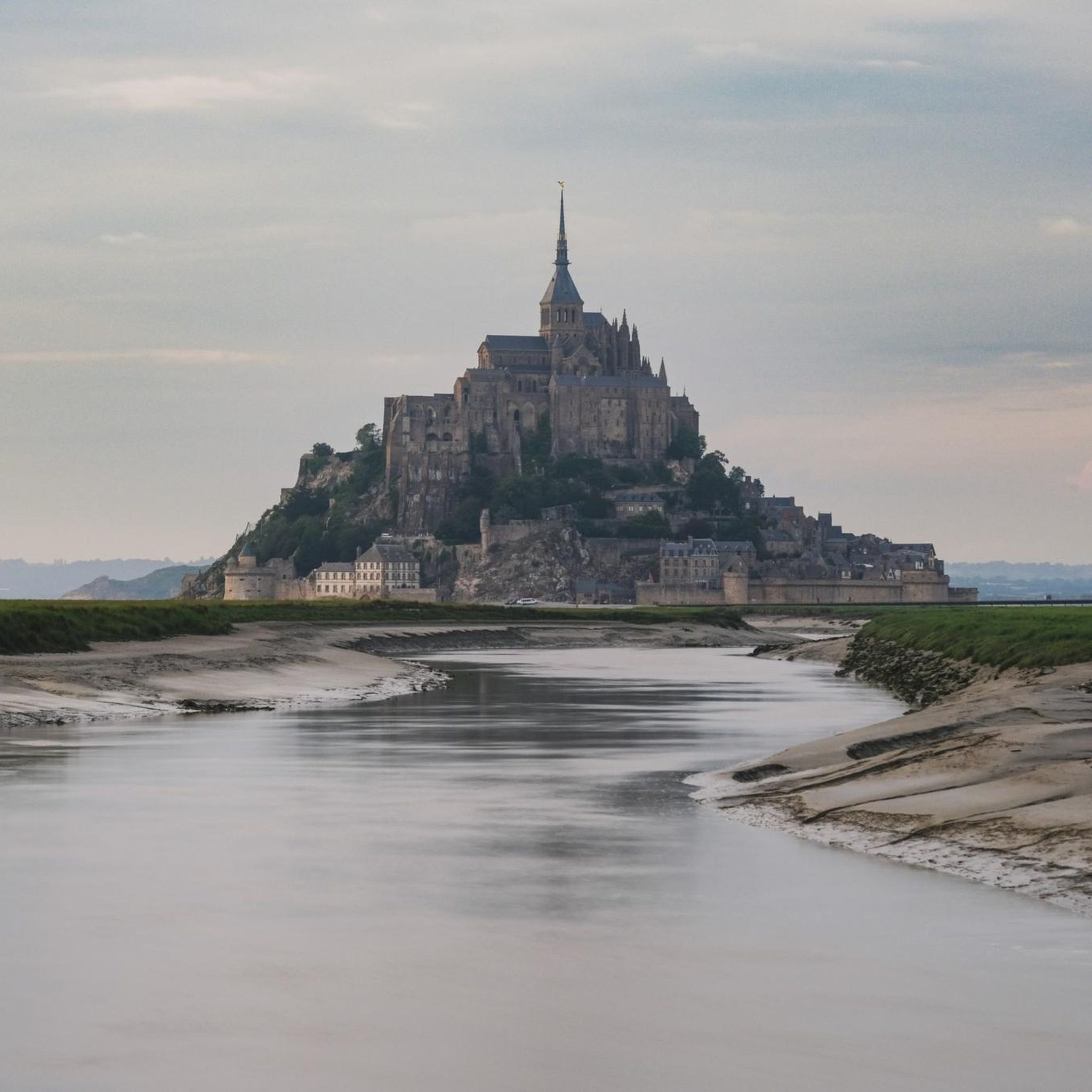
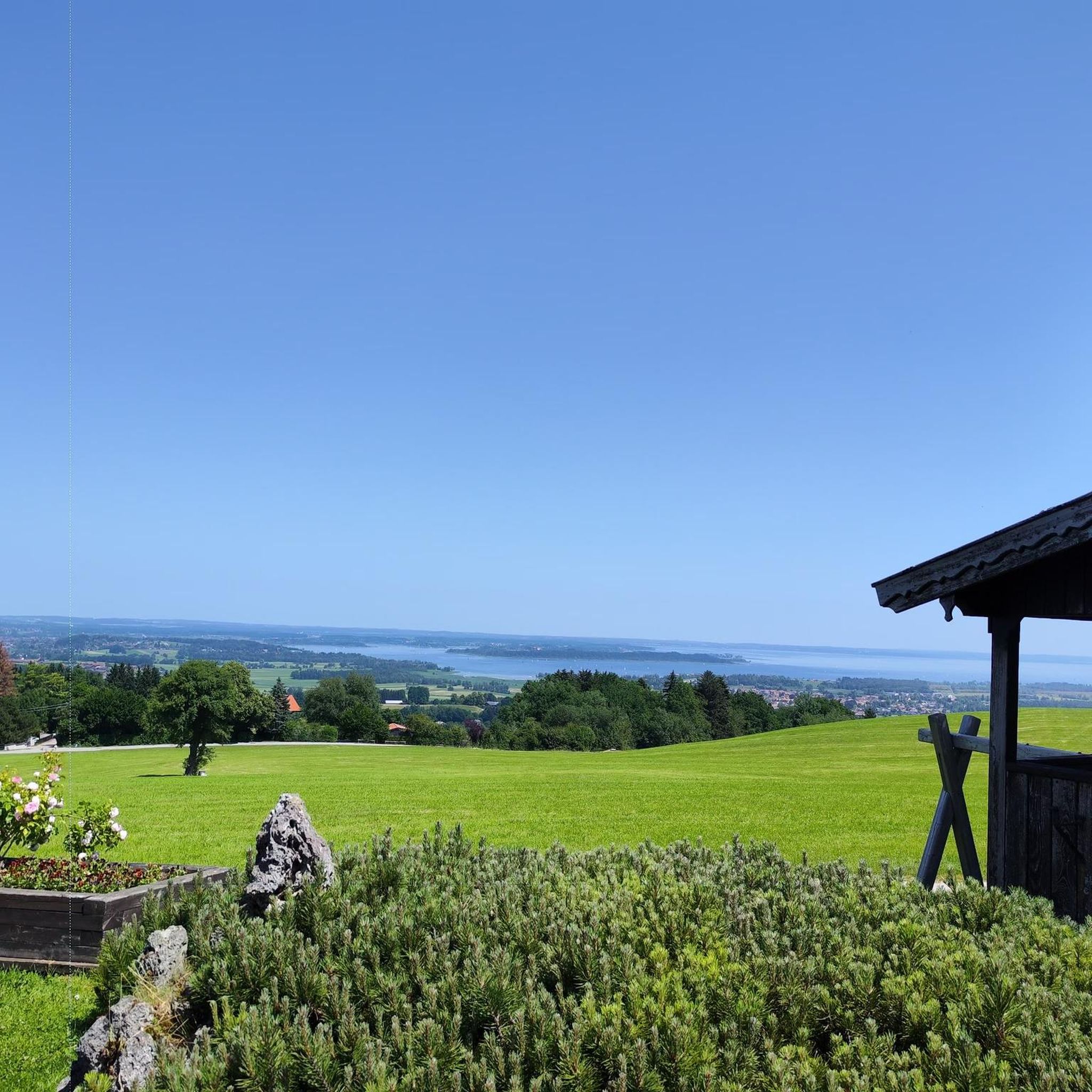
The Grouin du Sud is a natural headland offering impressive views of the bay and the famous Klosterberg. Depending on the tide, the landscape alternates between vast mudflats and ocean views, making the place particularly charming.
1
0
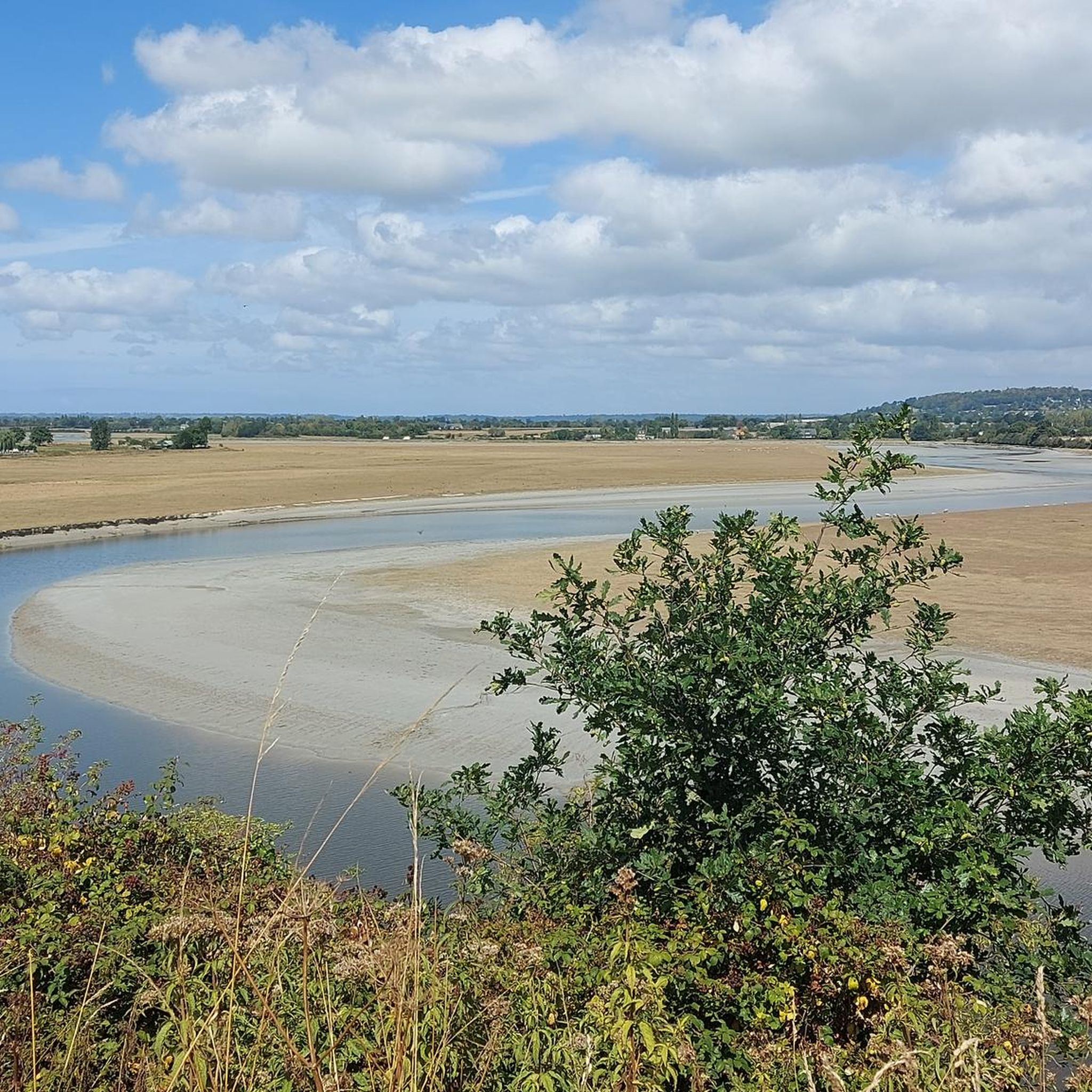
La Roche Torin is a prominent vantage point in the Bay of Mont Saint-Michel. This spot offers a unique view of the bay and is a popular destination for hikers and photographers, especially during strong tides (coefficient over 100). The tidal coefficient is the most important indicator for assessing the dynamics of the bay. A coefficient over 100 indicates spectacular tide conditions and a natural spectacle. Here in the Bay of Mont Saint-Michel, the highest tides in Europe occur, with a tidal range of up to 15 meters between high and low tide. Tidal range Mont Saint-Michel: https://tides4fishing.com/fr/basse-normandie/le-mont-saint-michel#_tidal_coefficient
1
0

Mont de Huisnes is one of the German military cemeteries in Normandy. Nearly 20,000 fallen soldiers from the entire region during the D-Day campaign in 1944 rest here. The complex is circular, with the urns of the fallen gathered in galleries with cubicles containing the compartments. Visitors can access the upper level, where a lawn with a cross marks the center of this exceptionally dignified site. The information room offers detailed documentation and case studies of individual victims in three languages. A well-maintained site that makes a valuable contribution to remembrance and a reminder of peace. Thank you for this!
0
0

Beautiful view of the Klosterberg and an easy path to ride.
0
0

A bridge with a long history! Even the Romans passed along here! And at the end of World War II, American troops passed through here to liberate France. Today, people make pilgrimages past the bridge on their way to Mont St. Michel.
1
0

The Torin rock is located at the mouth of the Sélune. The grass of the numerous salt meadows grows abundantly on the polders. The sheep that feed on it will have meat with a very desirable taste. Another advantage, the view of Mont-Saint-Michel is superb here.
1
0

Montgommery Castle was built in the 17th century by the Montgommery family, prominent Protestants involved in the death of King Henry II of France. The castle is Renaissance style, with a terrace, a balcony and a chapel dedicated to Saint Marguerite. You can explore the castle and its surroundings, and learn more about its history and architecture. You can also play a game of Ducey-Code, a live investigation game that mixes puzzles and history in the castle. The castle is open from Wednesday to Sunday, from 2:00 p.m. to 6:00 p.m.
2
0

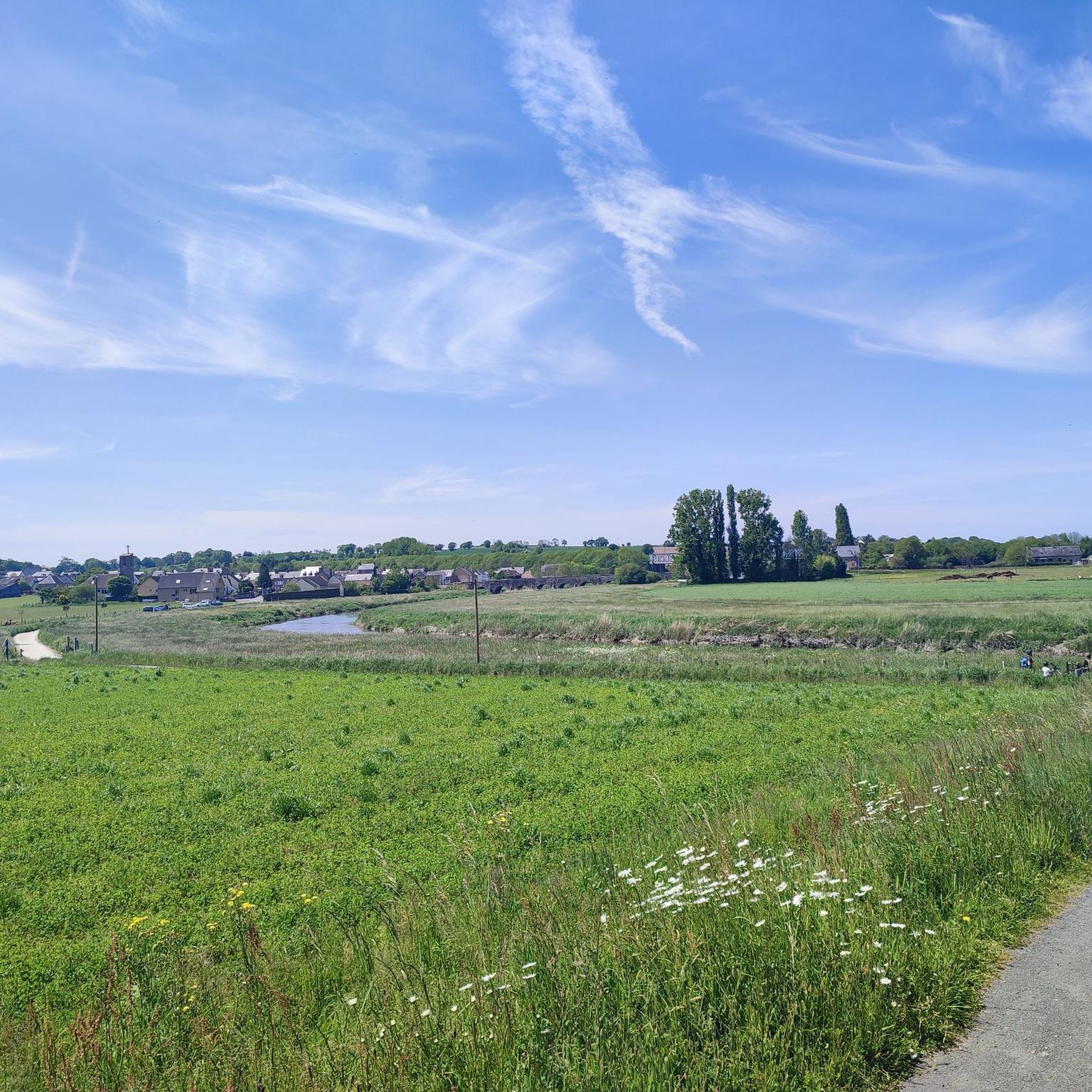
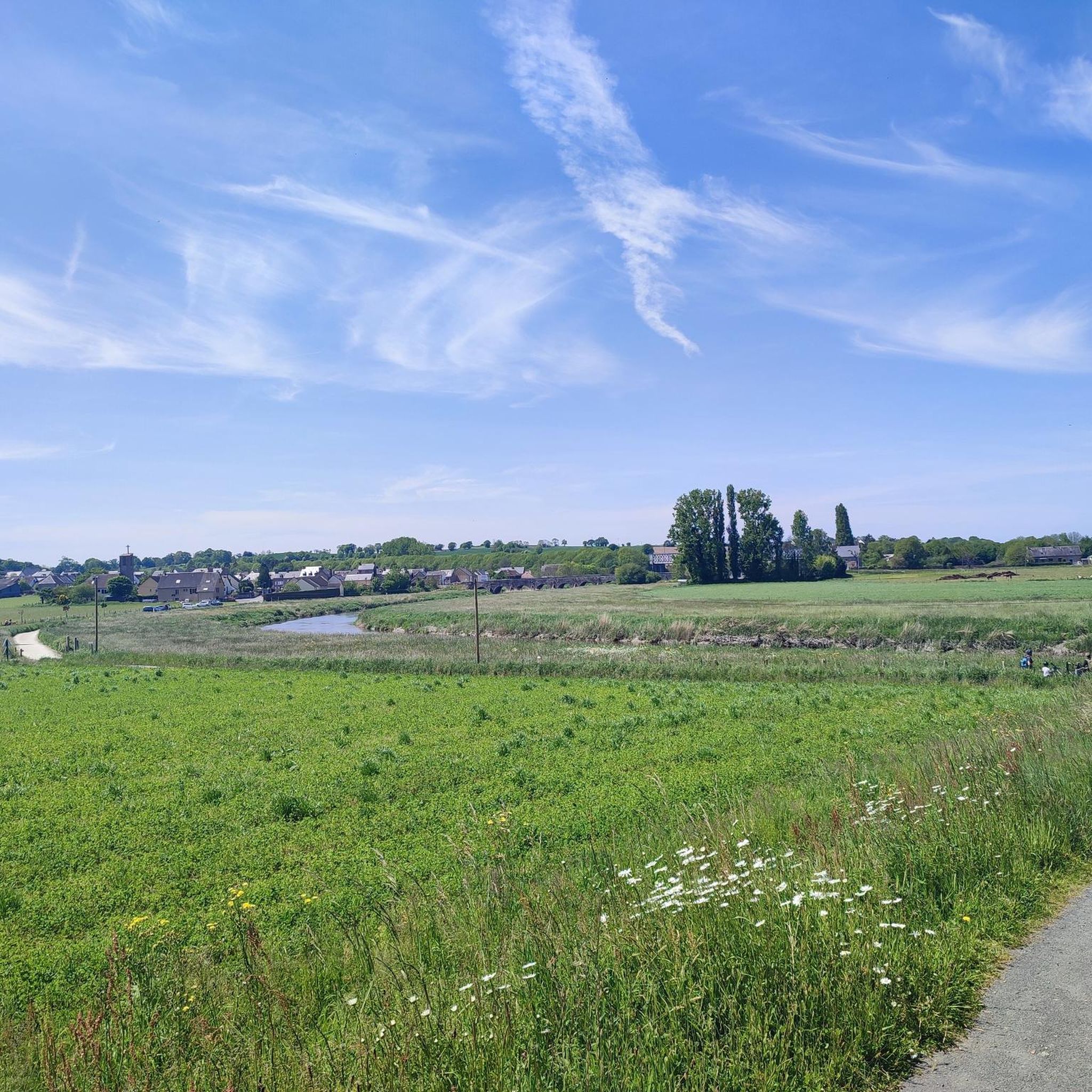
The “Pont de Pontaubault” is a beautiful work of art, the construction of which dates back to the 15th century. It is the first bridge to cross the Sélune, between Saint-Quentin-sur-le-Homme (right bank) and Pontaubault (left bank). It is located on the old road from Avranches to Rennes, via Saint-James. Since the arrival of the A84 motorway it has mainly been used locally. The bridge has eleven arches and is built with stone masonry. There is a picnic area at the bridge, near the railway viaduct of the Caen-Rennes line, not far from the salt meadows where sheep graze. During big tides many spectators and kayakers come to enjoy the spectacle provided by the tide. The bridge has a rich history. It was bombed several times during World War II but withstood these attacks, allowing 100,000 men and 1,500 vehicles to cross. A memorial plaque recalls that "the fate of the war lay on this bridge".
3
1
Frequently Asked Questions
What natural viewpoints can I explore around Saint-Loup?
The Saint-Loup area, particularly near Mont Saint-Michel, offers several impressive natural viewpoints. You can visit Grouin du Sud, a natural headland providing expansive views of the Bay of Mont-Saint-Michel and the iconic monastery island. Another must-see spot is La Roche Torin, located at the mouth of the Sélune river, which offers superb views of Mont Saint-Michel across abundant salt meadows.
What historical sites are there to visit near Saint-Loup?
The region around Saint-Loup is rich in history. The Pontaubault Bridge is a historic stone masonry bridge dating back to the 15th century, known for its significant role during World War II. You can also explore Montgommery Castle, a 17th-century Renaissance-style castle with a fascinating history, including its connection to King Henri II. Additionally, the Huisne-sur-Mer German cemetery serves as a poignant memorial to over 11,000 German soldiers from WWII.
Are there family-friendly attractions in the Saint-Loup area?
Yes, several attractions are suitable for families. Grouin du Sud offers beautiful views of the bay, which can be enjoyed by all ages. Montgommery Castle is also listed as family-friendly, providing an engaging historical experience. For those interested in nature, the salt meadows around La Roche Torin are a unique sight.
What outdoor activities can I do near Saint-Loup's attractions?
The area around Saint-Loup is excellent for various outdoor activities. You can enjoy cycling, gravel biking, and mountain biking on numerous routes. For cycling, explore routes like the 'Voie verte de la Véloscénie – Pontaubault Bridge loop' or the 'Pontaubault Bridge – Basilica of Saint-Gervais loop'. Gravel biking options include the 'Voie verte de la Véloscénie – Old railway station loop'. Mountain bikers can tackle trails such as the 'Belvedere – Parking à vélos loop'. Find more details on these activities in the dedicated guides for Gravel biking around Saint-Loup, Cycling around Saint-Loup, and MTB Trails around Saint-Loup.
What do visitors enjoy most about the attractions around Saint-Loup?
Visitors particularly appreciate the stunning panoramic views of Mont Saint-Michel and its bay from viewpoints like Grouin du Sud and La Roche Torin. The historical significance of sites like the Pontaubault Bridge and Montgommery Castle also receives high praise, with many noting the rich stories and well-preserved architecture. The unique landscape of salt meadows where sheep graze adds to the charm and scenic appeal.
Can I visit Mont Saint-Michel from the Saint-Loup area?
Yes, the Saint-Loup area is ideally situated for visiting Mont Saint-Michel. Viewpoints such as Grouin du Sud and La Roche Torin offer impressive, close-up views of the iconic abbey and its bay. Many visitors use this area as a starting point for exploring the famous monastery island and its surroundings.
Are there any notable castles or châteaux to see?
Absolutely. The region boasts several historic castles. Near Saint-Loup, you can visit Montgommery Castle, a 17th-century Renaissance-style fortress with a rich past. Further afield, in Saint-Loup-sur-Thouet, you'll find the impressive Château de Saint-Loup sur Thouet, a historic monument featuring a 12th-15th century Keep and a 17th-century Renaissance main building. In the Pic Saint-Loup region, the remains of the medieval Château de Montferrand offer superb viewpoints during a hike.
What kind of natural landscapes characterize the Pic Saint-Loup region?
The Pic Saint-Loup region, near Montpellier, is known for its diverse and preserved natural landscapes. It features the iconic Pic Saint-Loup Mountain, offering panoramic views, and the contrasting Hortus Mountain. The area is characterized by garrigue, limestone cliffs, and Mediterranean forests, providing varied ecosystems. Notable natural features include the Ravin des Arcs Canyon and the Source de Gornies, as well as the nearby Gorges of the Hérault, popular for rafting and canyoning.
Are there opportunities for hiking in the Pic Saint-Loup area?
Yes, the Pic Saint-Loup area is a prime destination for hiking. The Pic Saint-Loup Mountain itself offers various trails to its summit, including a classic route via Cazevieille, providing exceptional panoramic views. The surrounding garrigue, limestone cliffs, and Mediterranean forests offer numerous scenic paths for contemplation and discovery. You can find more information on the natural beauty and hiking opportunities at grandpicsaintloup-tourisme.fr.
What cultural heritage can I discover in the Pic Saint-Loup region?
The Pic Saint-Loup region offers a rich cultural heritage beyond its natural beauty. It is famous for its vineyards, producing renowned Languedoc wines, with opportunities for wine tasting and tours. The area is dotted with charming medieval villages like Les Matelles and Viols-le-Fort. You can also explore the Houses of the Consuls in Les Matelles, the unique Glass Hall - Pic Saint-Loup showcasing glassmaking art, and various Neolithic sites. For more details, visit grandpicsaintloup-tourisme.fr.
What is there to do in Saint-Loup-sur-Thouet?
Saint-Loup-sur-Thouet, in Deux-Sèvres, is known for its historical architecture and natural attractions. The village itself boasts charming streets and medieval 15th-century houses. The main highlight is the Château de Saint-Loup sur Thouet, a historic monument with parts dating back to the 12th century. Nearby, Lac du Cébron offers a variety of activities including hiking, mountain biking, fishing, and windsurfing. You can also enjoy strolls in the Park and Gardens of the Orangerie adjacent to the château.
Are there any museums or cultural centers nearby?
Yes, near Saint-Loup (Normandy), you can visit the Scriptorial d'Avranches, musée des manuscrits du Mont Saint-Michel in nearby Avranches, which is dedicated to the manuscripts of Mont Saint-Michel. In the Pic Saint-Loup region, the Glass Hall - Pic Saint-Loup showcases the art of glassmaking, and you can find more cultural sites listed on grandpicsaintloup-tourisme.fr.
Most popular routes around Saint-Loup
Most popular attractions around Saint-Loup

Get inspired with the komoot mobile app


Explore more
Still not found the Highlight you’re looking for? See guides of the top attractions in other regions:
