Top 10 Castles around Névache
Best castles around Névache are primarily historical fortifications located in the Clarée Valley, Hautes-Alpes region, near the Italian border. This area is characterized by its strategic alpine setting, which led to the construction of numerous military structures, particularly in the late 19th and early 20th centuries. These sites offer insights into the region's defensive past and its importance in protecting French borders. The landscape combines natural beauty with significant historical landmarks.
Best castles around Névache
- The most popular castles is…
Last updated: August 24, 2026
Mont Chaberton Fort
Highlight • Historical Site
Translated by Google •
Tip by

Vauban Fortress
Highlight • Castle
Translated by Google •
Tip by

Sign up now to discover places like this
Get recommendations on the best single tracks, peaks, & plenty of other exciting outdoor places.
Sign up for free
Fort de l'Infernet
Highlight • Historical Site
Translated by Google •
Tip by

Fort Lenlon
Highlight • Castle
Translated by Google •
Tip by

Tur d'Amun
Highlight • Castle
Translated by Google •
Tip by

Sign up for free to discover even more castles around Névache.
Sign up for free
Already have an account?
Start today with a free account
Your next adventure awaits.
Login or Signup
Popular around Névache
Europe Trail (GR 5) – Hike from Briançon to Landry
8 hikes in the Hautes-Alpes — mountain passes and high-altitude lakes
Seven hikes in France’s Southern Alps – refuges and high peaks
Hike from Savoie to Vanoise – Hexatrek in France’s Northern Alps
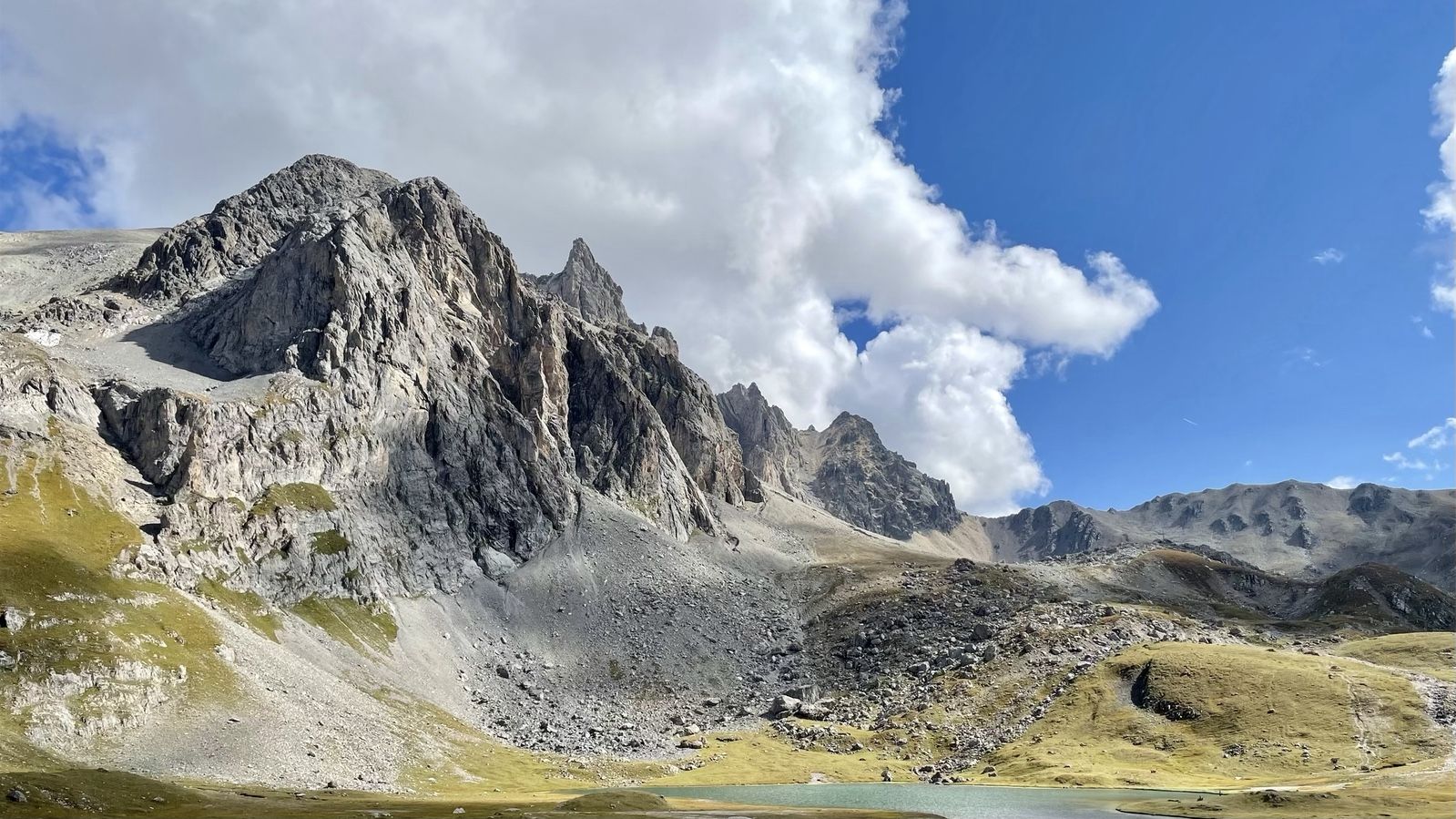
On the ridges of France’s Cerces massif — the GR 57
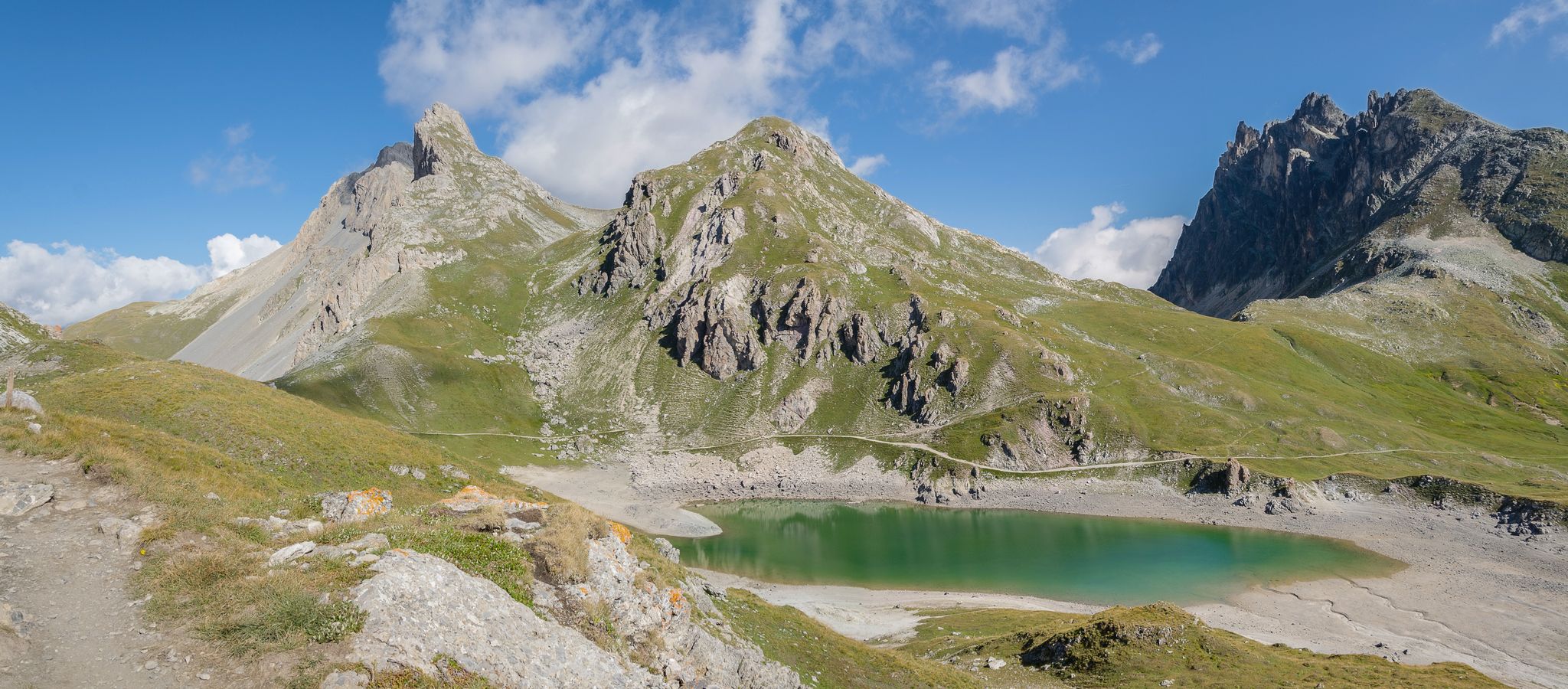
Discover France’s Cerces massif — A Tour of Mont Thabor
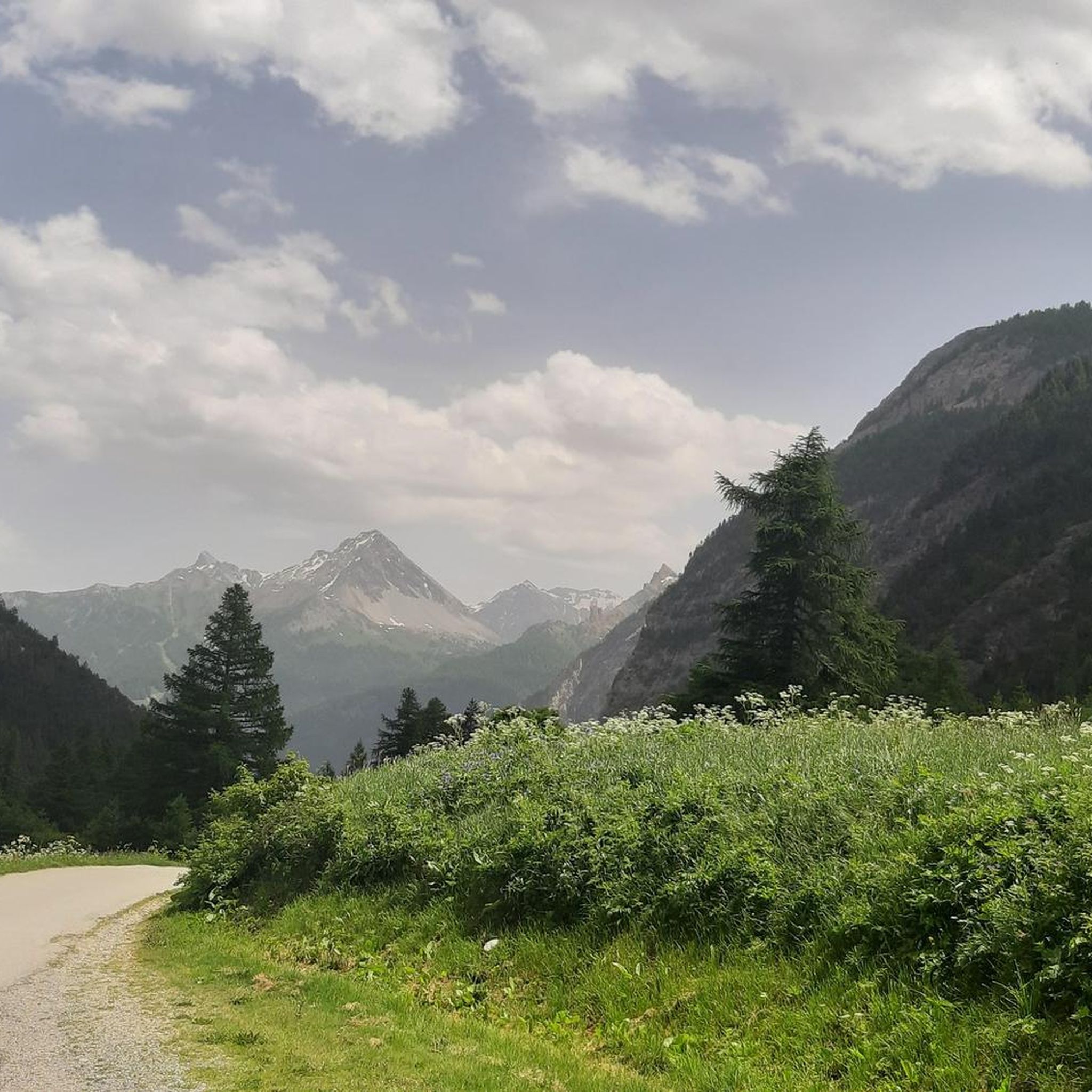
Hiking around Névache
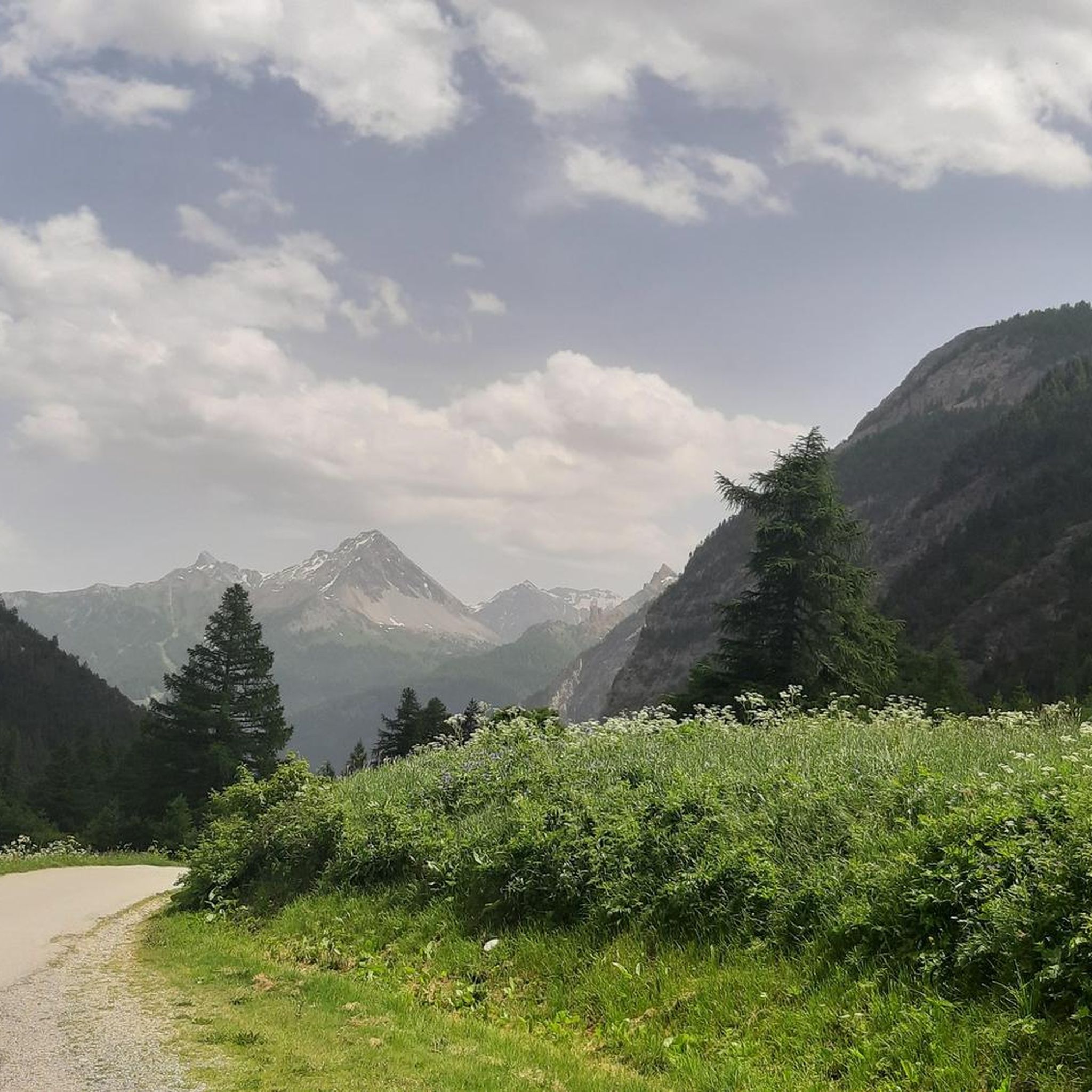
Road Cycling Routes around Névache
MTB Trails around Névache
Cycling around Névache
Other adventures around Névache


Tips from the Community

Beyond the scenic aspect (exceptional viewpoint) this fort testifies to the presence of a fortified border line (of which numerous remains are also visible on the mountain ridges above the Granon pass) which the French had erected, starting from the second half of the 1800s, as border defense. In particular, the fort of Lenlon, which in shape strongly resembles the fort of La Ronce at Mont Cenis, was erected in 1891 and its function was to reinforce the defenses towards the Clàrèe valley, partly already manned by the underlying fort de l'Olive. The defensive system was articulated on two levels, where numerous loopholes for riflemen opened (around eighty soldiers, the fort's armament did not include artillery pieces). A beautiful military road, still well preserved, allows for easy ascent.
0
0

And the Vauban fortress. It is not a castle
0
0

From the foot of the Col du Granon to Fort Lenlon. E-mountain bike weighing 23.8 kg
0
0

This tower is part of the city's old medieval fortifications. It can be reached either by a fairly good (but fairly straight) dirt road from the east side, or by the paved Via Tur d'Amun and a short dirt section. Behind the tower, archaeological excavations have uncovered the ancient structures of the defensive complex (the excavation site is currently closed for construction [August 2025]). The view of Bardonecchia and the surrounding mountains is stunning.
0
0

And now seriously? A large ancient fortress/ruin on top of a mountain with a beautiful 360-degree panorama. https://www.foremostpayonline.com.co
0
0

Magnificent belvedere of Briançonnais
0
0

The Fort of Infernet, located in the Susa Valley, is one of the fortifications of the region, built between the 19th and early 20th centuries as part of the Italian defensive system against potential French threats. This fort is located at about 2,800 meters above sea level and is strategically positioned to control the surrounding valleys. The Infernet was designed primarily as a high-altitude battery, with a robust structure capable of housing cannons and a limited crew. Its dominant position offered a strategic view of the valley and important control over the connections between Italy and France. Today the site can be visited, although in not perfectly preserved conditions, and is an interesting destination for hikers and military history enthusiasts
1
0

Access via an old road which is quite degraded around the fort.
0
0
Frequently Asked Questions
What kind of historical fortifications can I expect to find around Névache?
Around Névache, you'll primarily discover military fortifications from the late 19th and early 20th centuries, rather than traditional medieval castles. These include structures like Fort de l'Olive and Fort de Lenlon, built for defensive purposes near the Italian border. There are also historical sites such as the area known as 'Le Château' in Ville Basse, which was once the site of a 16th-century castle construction, and the Saint-Marcellin church, built on the site of another historical castle.
Which are the most significant historical fortifications to visit near Névache?
Key sites include Mont Chaberton Fort, once the highest fort in the world, and Briançon Castle, a Vauban-built structure overlooking the town. Also notable is Fort de l'Infernet, part of the Italian defensive system offering panoramic views. Don't miss the Fort de l'Olive and Fort de Lenlon, which showcase late 19th-century military architecture.
Are there any family-friendly historical sites or 'castles' suitable for children?
Yes, Forte Bramafam is considered family-friendly. It houses a museum with collections of uniforms and military equipment, offering an engaging historical experience for all ages. Exploring the grounds of other forts like Fort de l'Olive can also be an adventure for older children interested in history and outdoor exploration.
What is the best time of year to visit the fortifications around Névache?
The best time to visit is generally during the warmer months, from late spring to early autumn (May to October). During this period, the weather is more favorable for hiking to these often high-altitude sites, and access roads or trails are typically clear of snow. Some sites may be inaccessible in winter due to heavy snowfall.
What outdoor activities can I combine with visiting these historical sites?
The fortifications are often located in stunning alpine settings, making them ideal for combining with outdoor activities. You can enjoy mountain hikes, such as the Lac du Serpent loop or the Pic du Lac Blanc loop, both starting from Névache. Cycling is also popular, with routes like the Clarée Valley loop. For more options, explore the Mountain Hikes around Névache or Cycling around Névache guides.
Are there hiking trails to these fortifications, and what are their difficulty levels?
Many fortifications, like Mont Chaberton Fort and Fort de l'Infernet, are reached via challenging hikes due to their high-altitude locations. Other sites, such as Fort de l'Olive, might involve moderate walks. It's advisable to check specific trail conditions and difficulty ratings before setting out, especially for routes involving significant elevation gain.
What do visitors enjoy most about the fortifications and historical sites near Névache?
Visitors particularly appreciate the unique blend of military history and breathtaking alpine scenery. The strategic locations offer spectacular panoramic views, and the ruins themselves provide a tangible connection to the region's past. The komoot community has shared over 250 photos and given more than 170 upvotes, highlighting the visual appeal and historical significance of these sites.
Are there any less-known or 'hidden gem' historical sites worth exploring?
Beyond the more prominent forts, consider exploring the historical area of 'Le Château' in Ville Basse, Névache, for its historical significance, even if physical castle structures are no longer prominent. The beautiful Saint-Marcellin church, built on a former castle site, is also a remarkable example of Briançonnais ecclesiastical architecture. Additionally, the Poste des Acles and Camp de la Paré (Fort des Rochilles) offer insights into the broader military defense lines of the Clarée Valley.
How long should I allocate for visiting these historical sites?
The time required varies greatly depending on the site. For high-altitude forts like Mont Chaberton Fort or Fort de l'Infernet, a full day might be needed due to the challenging hikes involved. Smaller, more accessible sites or historical areas within villages might only require a few hours. Plan according to the specific location and your preferred activity level.
Are there public transport options to reach the historical sites around Névache?
Public transport options directly to the high-altitude forts are limited. Access to Névache village itself is possible, but reaching many of the fortifications often requires personal transport or hiking. Some routes may be accessible via local shuttle services during peak season, but it's best to check local tourist information for the most current details on accessibility.
Can I find cafes or restaurants near these historical sites?
Most of the high-altitude fortifications are remote, so you won't find cafes or restaurants directly at the sites. It's recommended to carry your own food and water. However, you can find amenities in Névache village or in nearby towns like Bardonecchia (Italy) or Briançon, which are good starting points or finishing points for your explorations.
What should I wear and bring when visiting the fortifications?
Given the alpine environment and often challenging terrain, wear sturdy hiking boots, layered clothing suitable for varying weather conditions, and waterproof outerwear. Bring plenty of water, snacks, a map, a compass or GPS device, and sun protection. For exploring fort interiors, a headlamp or flashlight can be useful.
Most popular routes around Névache
Most popular attractions around Névache

Get inspired with the komoot mobile app


Explore more
Looking for the best castles somewhere else? Discover other guides around Névache:
