Top 20 Mountain Passes around Montgenèvre
Mountain passes around Montgenèvre are situated in the French Alps, near the Italian border. This region features a diverse landscape of high-altitude routes and historical passages. The passes connect valleys and offer varied terrain for outdoor activities. The area is characterized by its alpine environment and strategic location.
Best mountain passes around Montgenèvre
- The most popular mountain pass is Mulattiera Pass, a mountain pass that offers spectacular views of peaks such as the Pierre Menue. This rugged border pass links Italy back to France and features a challenging, technical climb.
- Another must-see spot is Montgenèvre Pass, a mountain pass located at 1,850 meters. This pass connects Briançon, France, to Cesana Torinese, Italy, and is known for its smooth climb and historical significance as a Roman road.
- Visitors also love Col du Granon (2,413 m), a mountain pass with a beautiful view of the Ecrins massif. This challenging climb features gradients that are almost always in double figures, and a small restaurant is located at the summit.
- Montgenèvre is known for its historical mountain passes, challenging cycling routes, and scenic viewpoints. The region offers a variety of mountain passes to explore, ranging from accessible climbs to demanding high-altitude routes.
- The mountain passes around Montgenèvre are appreciated by the komoot community, with 6 highlights featuring 19 photos and receiving 160 upvotes.
Last updated: August 20, 2026
Montgenèvre Pass
Highlight • Mountain Pass
Translated by Google •
Tip by

Col du Granon (2,413 m)
Highlight • Mountain Pass
Translated by Google •
Tip by

Sign up now to discover places like this
Get recommendations on the best single tracks, peaks, & plenty of other exciting outdoor places.
Sign up for free
Mulattiera Pass
Highlight • Mountain Pass
Translated by Google •
Tip by

Oule Pass
Highlight • Mountain Pass
Tip by

Col d'Izoard
Highlight • Mountain Pass
Translated by Google •
Tip by
Sign up for free to discover even more mountain passes around Montgenèvre.
Sign up for free
Already have an account?
Start today with a free account
Your next adventure awaits.
Login or Signup
Popular around Montgenèvre
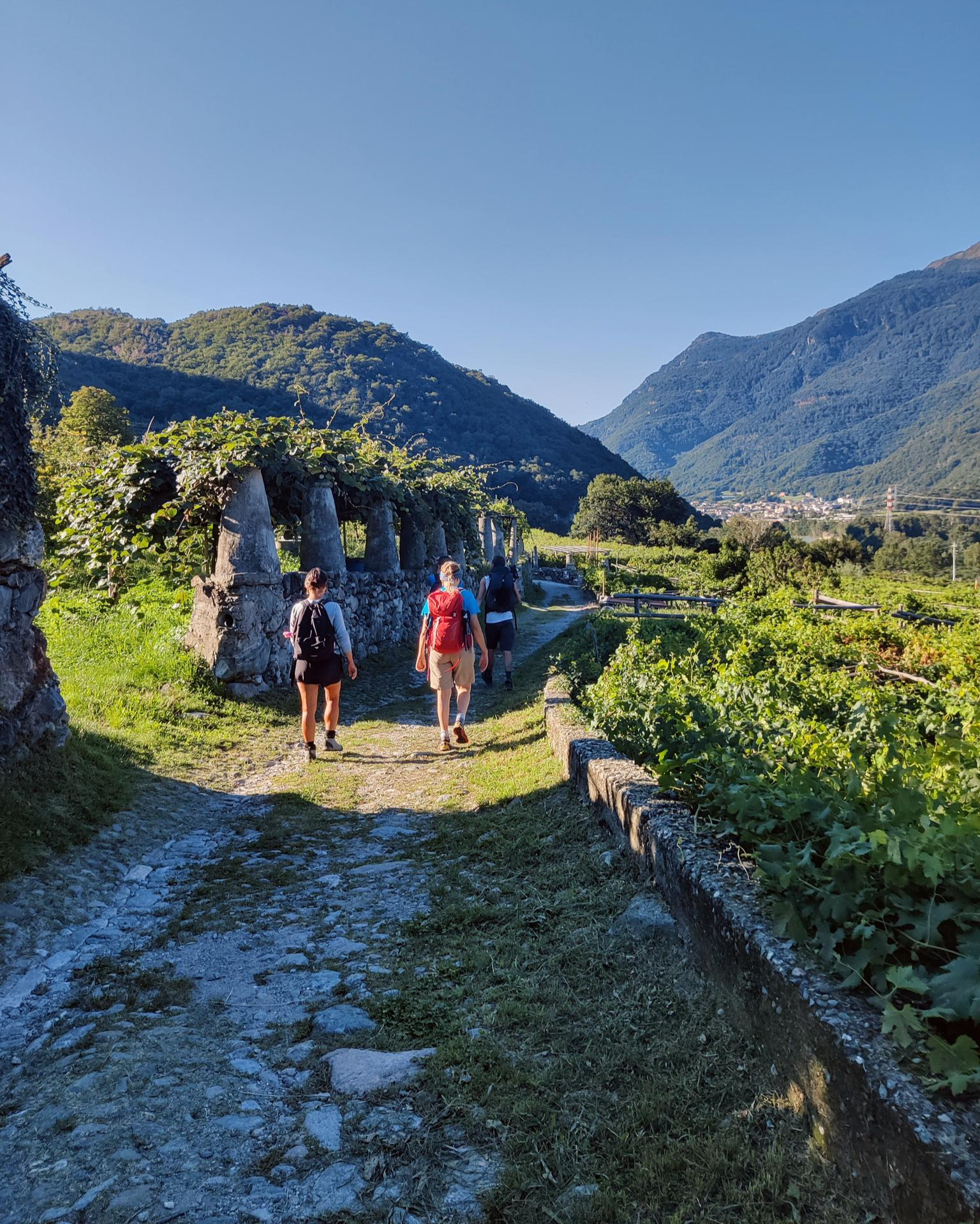
Piemont's Via Francigena
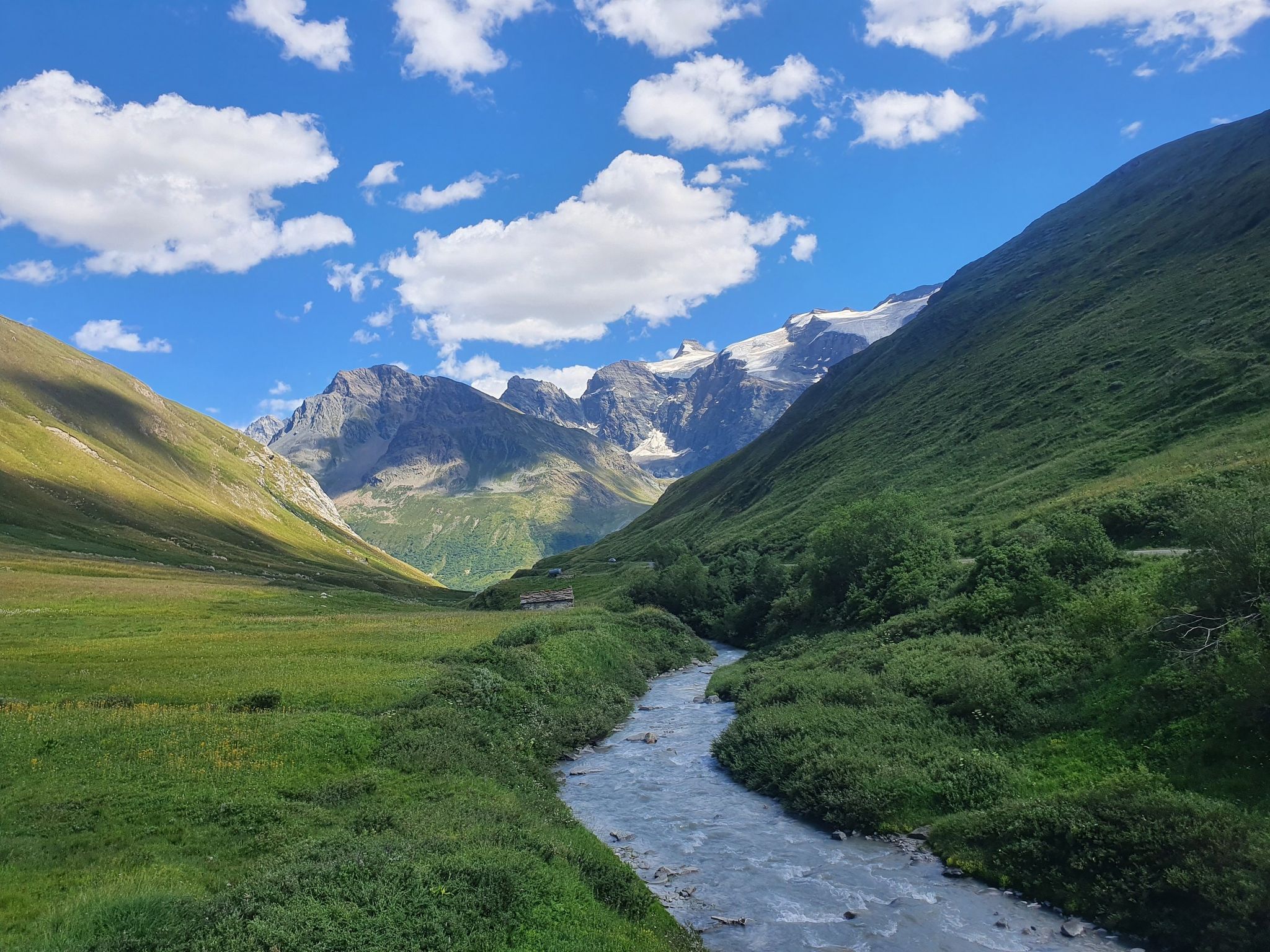
Europe Trail (GR 5) – Hike from Briançon to Landry
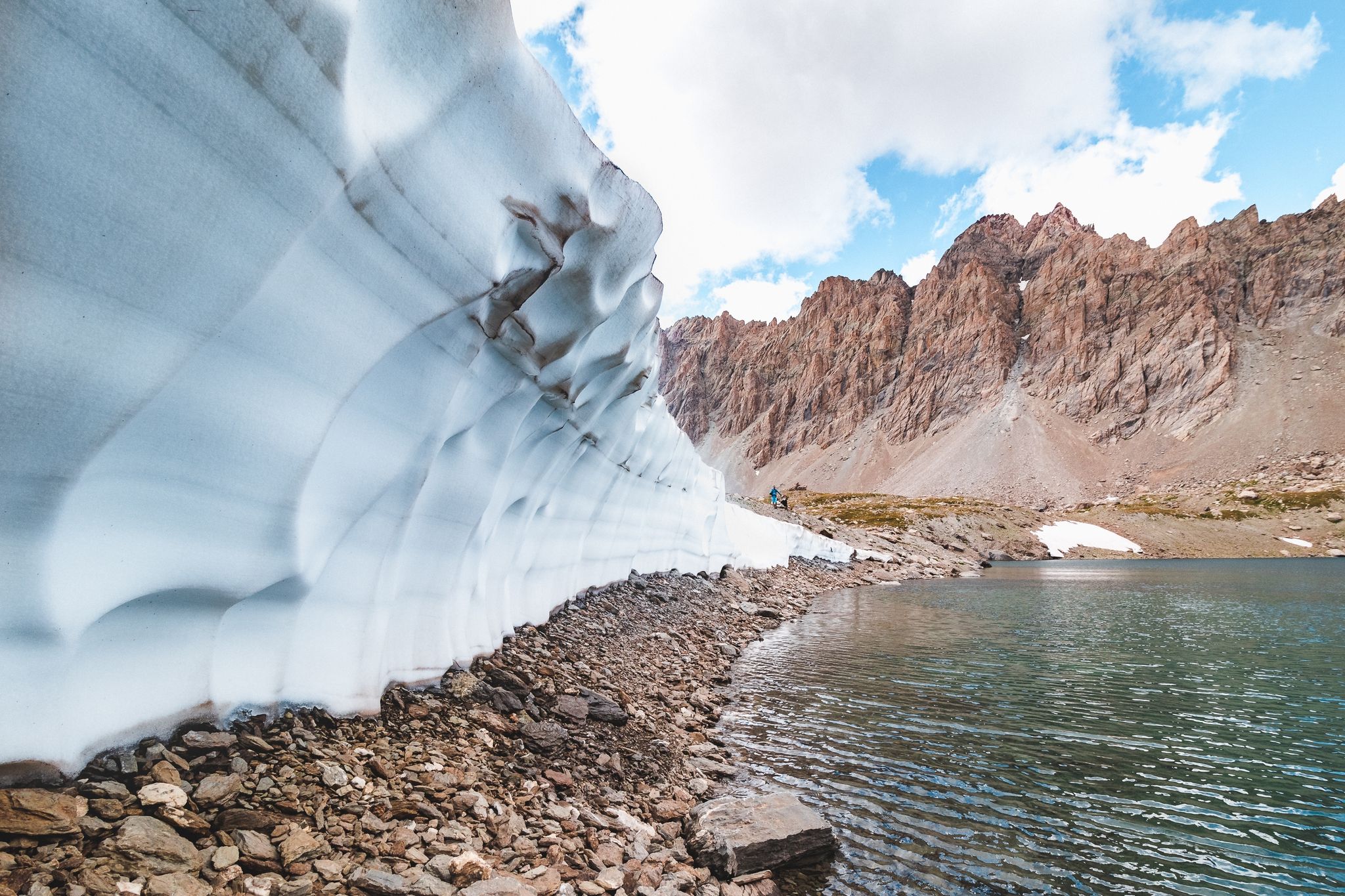
High mountain escapades — 15 peaks over 3,000m in the Alps
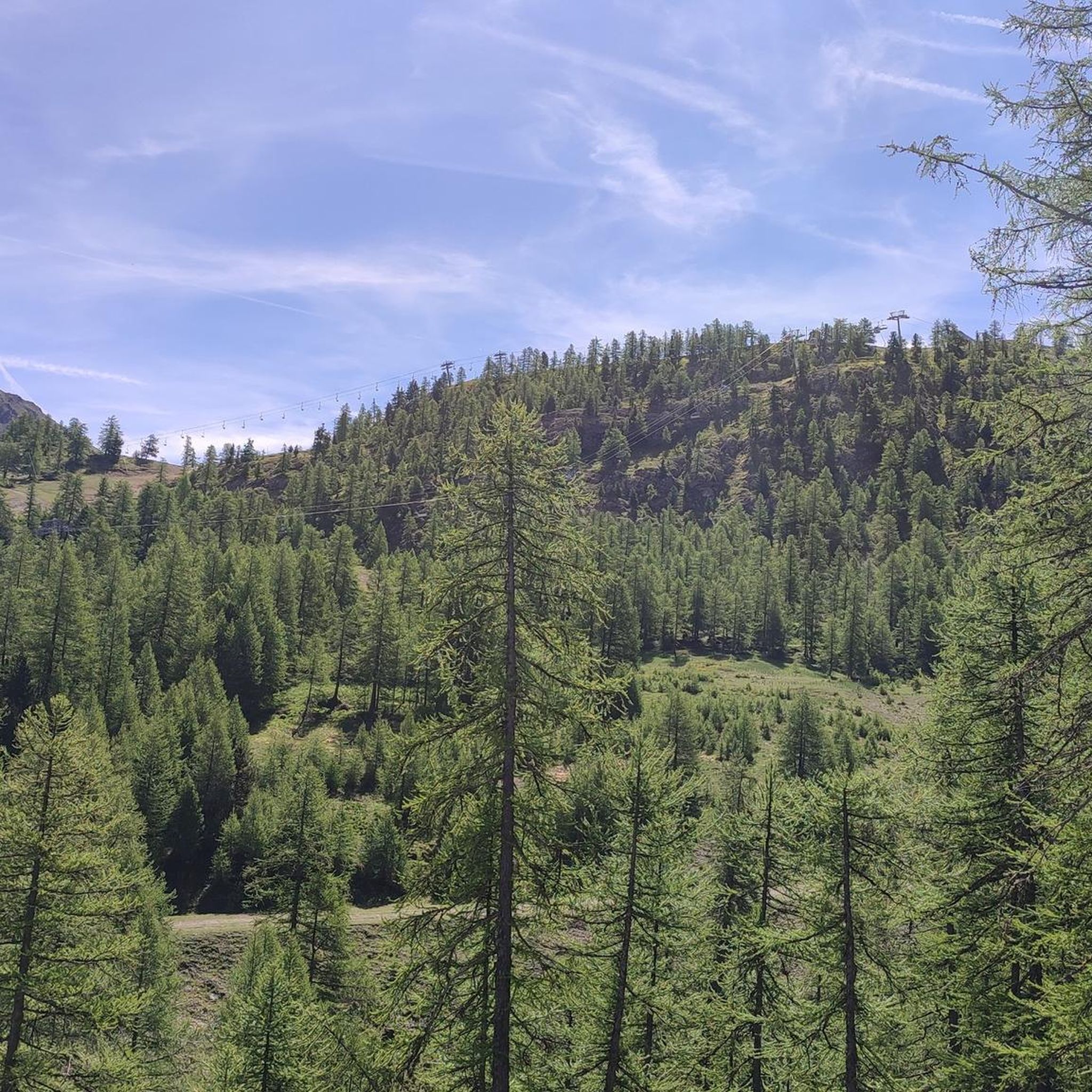
Hiking around Montgenèvre
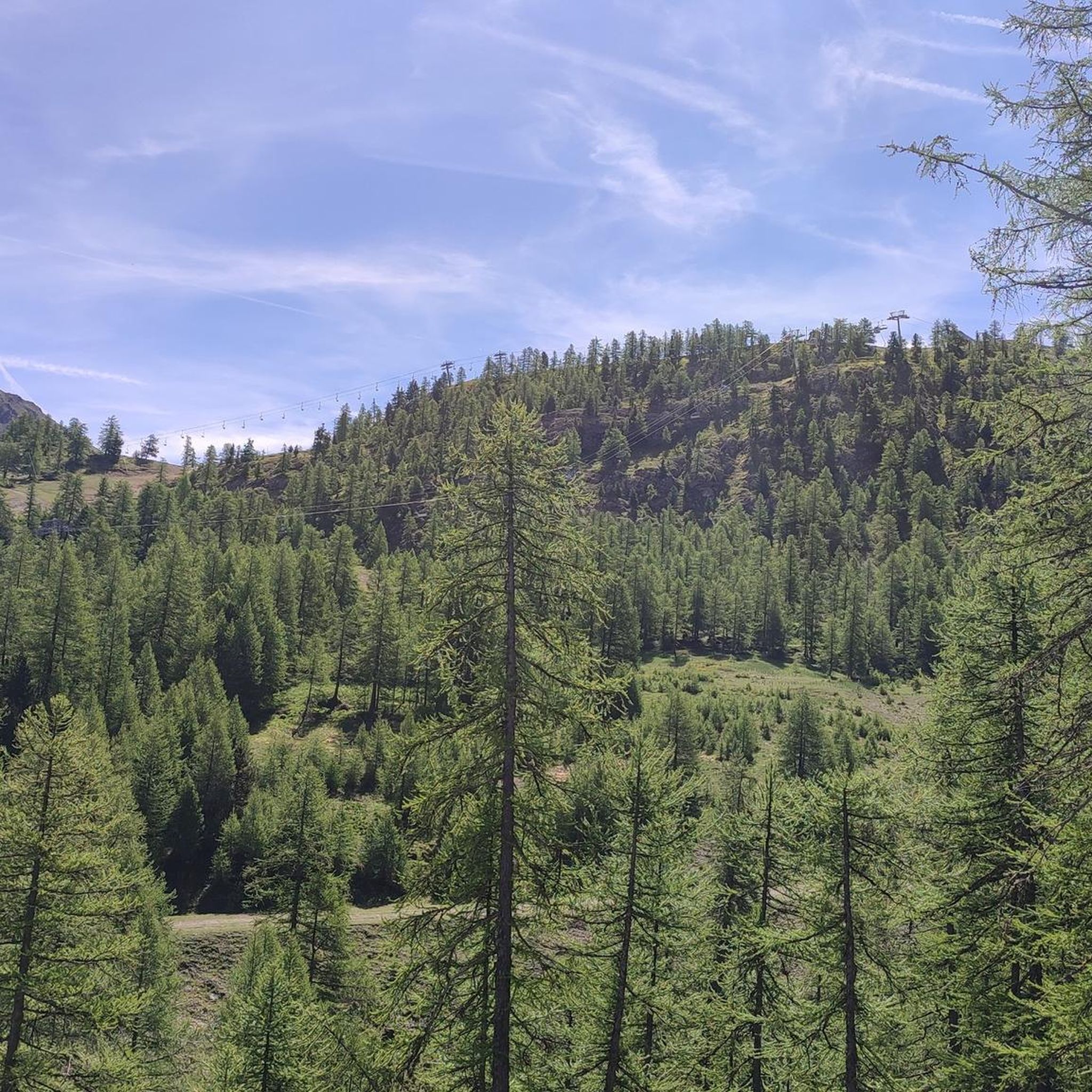
MTB Trails around Montgenèvre
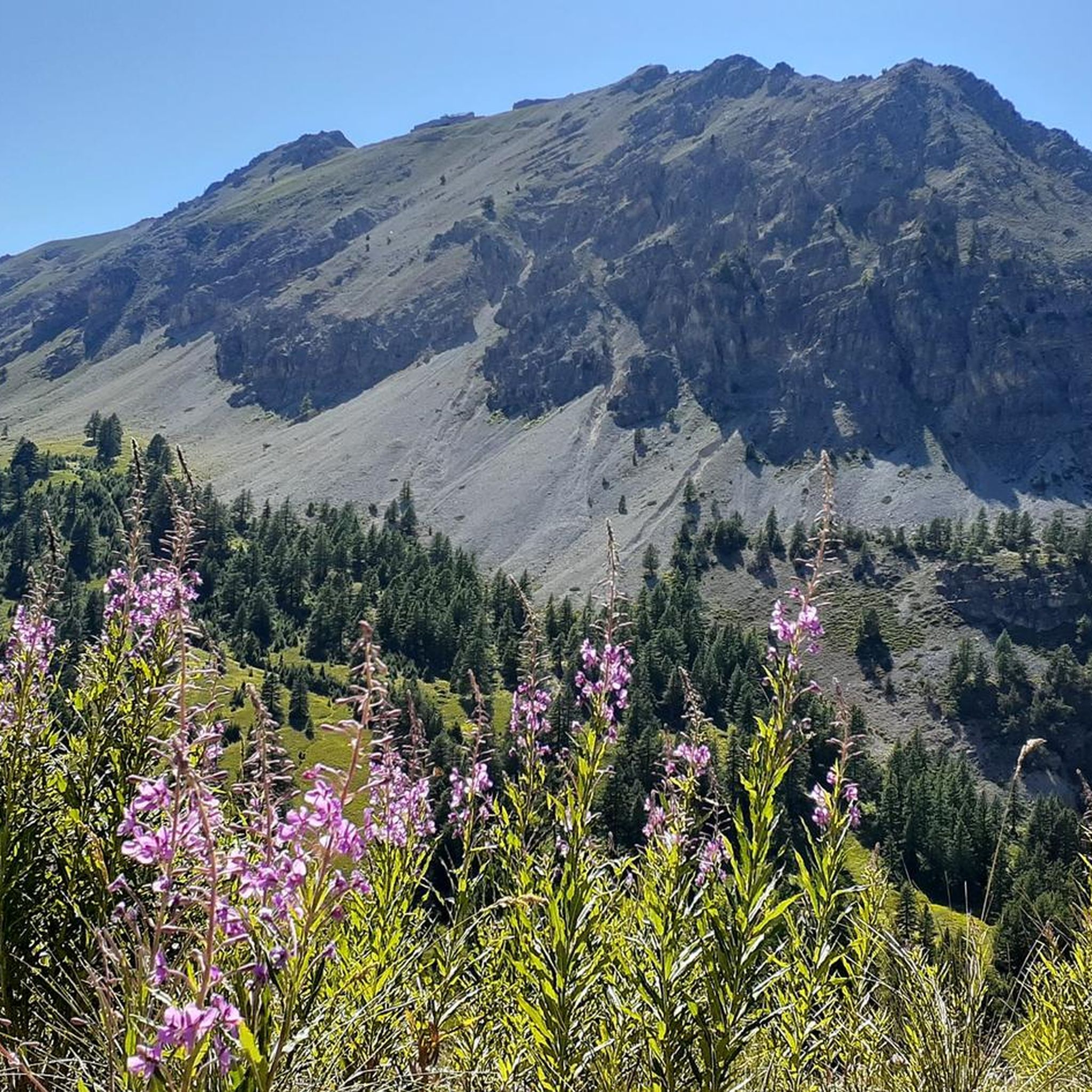
Running Trails around Montgenèvre
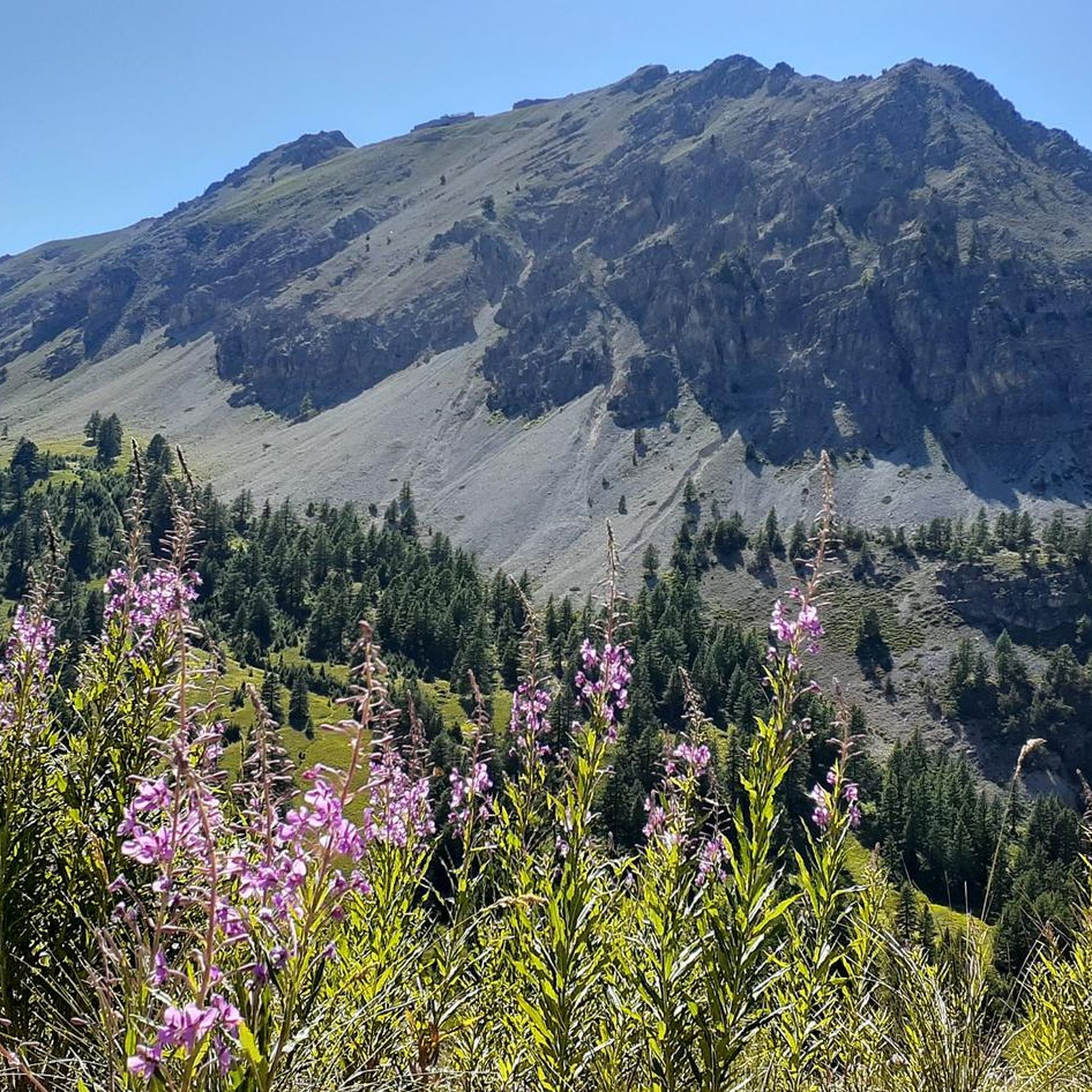
Cycling around Montgenèvre
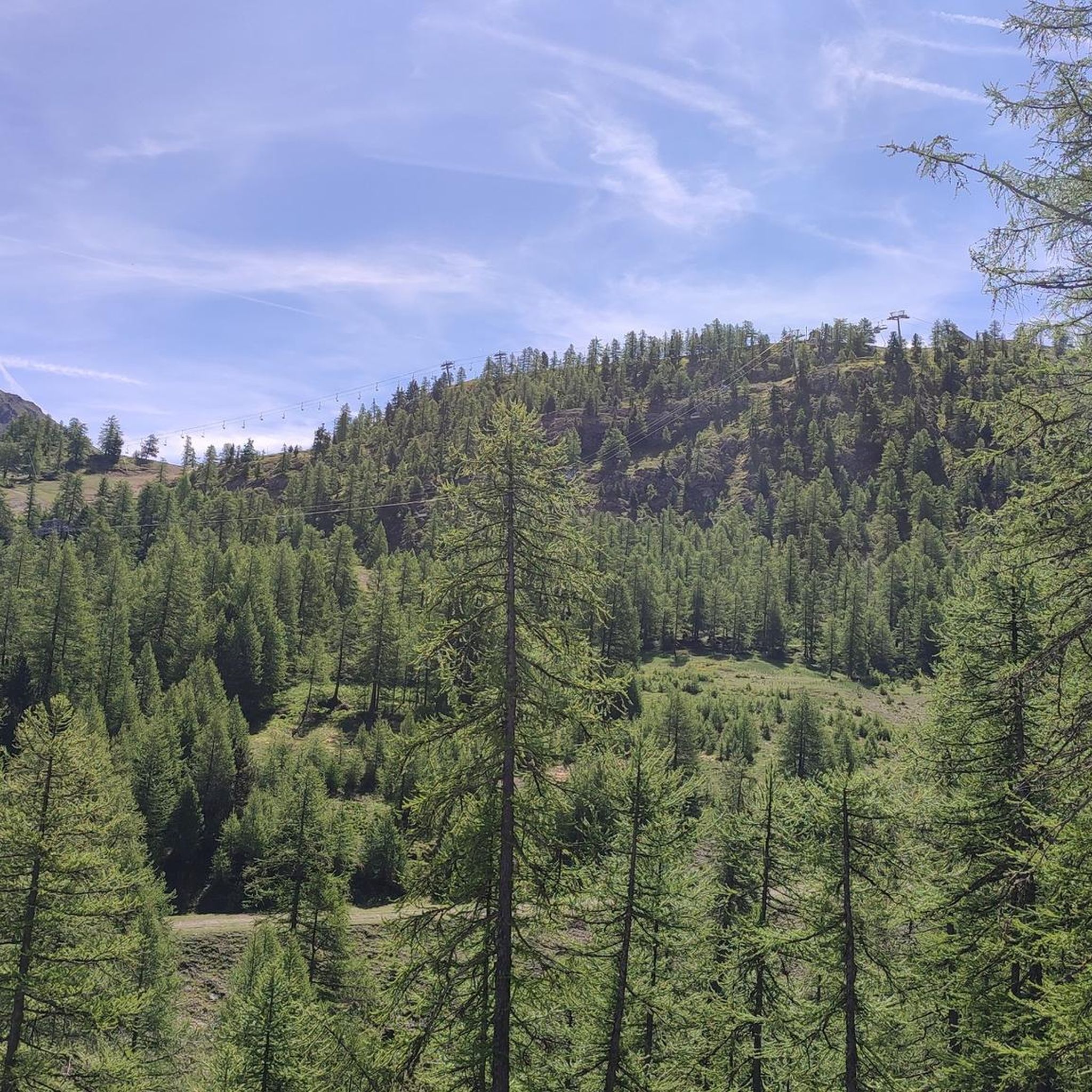
Road Cycling Routes around Montgenèvre
Gravel biking around Montgenèvre
Mountain Hikes around Montgenèvre


Tips from the Community

A walk of less than an hour leads from Col Granon to this wide saddle, which offers beautiful views of the Bardonecchia basin and the Nevache valley. The ascent can also be done by MTB, although with the route I took, you can better utilize both the very gradual ascent and the beautiful traverse between the Col de Cibieres and the Col de l'Oule. Except for very short sections of exposed rock, this traverse is accessible to anyone, and the descent towards the Col Granon is very fun. It is also worth, after descending almost to the road, leaving the normal descent path and taking the scenic single track visible on the right, practically flat, which arrives a short distance from the Col Granon refuge.
0
0

The descent is difficult but the landscape is beautiful
0
0

The climb is smooth and the view is fantastic.
18
0
The climb is never too steep and offers excellent views.
16
0
Very tough climb with gradients almost always in double figures.
17
0
One of the most beautiful climbs in the French Alps.
16
0

A rugged border pass linking Italy back to France, the Col de la Mulattiera is as remote as it is demanding. The climb is steep and loose, with the final meters carved into bare rock. At the top, the views stretch endlessly across the plateau of Col du Granon, the Cerces massif, and the Italian valleys behind you. Beside the pass stands the Caserma XVI, a weathered stone barracks, a quiet trace of the lives once lived in these high borderlands.
0
0

Excuse me, Alessandra, how did you do it? Since it's not for beginners? PS: There are no beginners in MTB! I don't think you're a MTB guide? Or am I wrong?
0
0
Frequently Asked Questions
What are some of the most historically significant mountain passes around Montgenèvre?
The region is rich in history. The Montgenèvre Pass itself is a prime example, having been a crucial communication route since Roman times as part of the Via Domitia, and even possibly used by Hannibal. Napoleon also made the road passable. Another notable pass is the Col d'Izoard, which is part of the historic Route des Grandes Alpes and has seen many legendary moments in cycling history.
Which mountain passes offer the most breathtaking panoramic views?
For stunning vistas, the Mulattiera Pass provides exceptional views of peaks like the Pierre Menue and the Dolomite ridge. The Col du Granon (2,413 m) offers beautiful views of the Écrins massif. Additionally, the Col du Galibier, though further afield, is renowned for its dramatic, wild landscapes and panoramic views of the Écrins massif.
Are there mountain passes suitable for cyclists of varying skill levels?
Yes, there are options for different abilities. The Montgenèvre Pass is known for its relatively gentle gradients, making it a good introduction to Alpine cycling. The Col du Lautaret is also considered one of the easier high-altitude passes with moderate gradients, accessible for many cyclists. For a significant challenge, the Col du Granon (2,413 m) and the Col d'Izoard feature demanding climbs with double-digit gradients, often classified as 'Hors Catégorie' in races like the Tour de France.
What kind of outdoor activities can I do near the mountain passes around Montgenèvre?
The area offers a wide range of outdoor activities. You can find numerous routes for cycling, hiking, and running. For cycling, explore options like the 'Montgenèvre pass – Camping du Bois des Alberts loop' or the 'Lake of the Angels – View of the French Alps loop'. Hikers can enjoy trails such as the 'Trail to Mont Chaberton – Chaberton Pass loop' or the 'Sentiero Balcone Trail'. For runners, there are routes like 'The viewpoint – Rue de l 'Eglise Fountain loop'. You can find more details and routes in the dedicated guides for Cycling around Montgenèvre, Hiking around Montgenèvre, and Running Trails around Montgenèvre.
Which mountain passes are known for unique natural features?
The Col d'Izoard is famous for its unique and dramatic lunar landscape known as the Casse Déserte, characterized by barren scree slopes and weathered rock formations. The Col du Lautaret is home to the Lautaret Alpine Botanical Garden, which features over 2,000 different plant species, making it a notable attraction for nature lovers.
What do visitors enjoy most about the mountain passes in this region?
Visitors frequently praise the spectacular views, the challenging yet rewarding climbs, and the historical significance of many passes. The smooth asphalt and fantastic views of the Montgenèvre Pass are often highlighted. The rugged beauty and technical challenge of the Mulattiera Pass, with its endless views, also receive high acclaim. The overall alpine environment and the sense of achievement after conquering a pass are common themes.
Are there any mountain passes that are particularly challenging for experienced adventurers?
Absolutely. The Mulattiera Pass is described as a rugged border pass with a steep and loose climb, making it technically challenging and not suitable for beginners. The Col du Granon (2,413 m) is known for its very tough climb with gradients almost always in double figures. The Col du Galibier, especially its northern approach from Saint-Michel-de-Maurienne, presents a significant challenge, with the final kilometer to the summit being particularly steep.
Can I find places to eat or rest near the mountain passes?
Yes, some passes offer amenities. At the summit of the Col du Granon (2,413 m), there is a small restaurant called Buvette du Granon with a sun terrace. The Col d'Izoard also has a Napoleon refuge located almost at its top. For other passes, it's advisable to check nearby villages or prepare accordingly.
Which mountain passes are part of the iconic Tour de France route?
Several passes in the region have featured prominently in the Tour de France. The Col du Galibier is one of the most famous and frequently featured stages, often being the highest point of the race. The Col d'Izoard is another legendary pass, known for its dramatic backdrop during the race, particularly the Casse Déserte. The Montgenèvre Pass has also been crossed multiple times by both the Tour de France and Giro d'Italia.
What is the best time of year to visit the mountain passes around Montgenèvre?
The best time to visit for cycling and hiking is generally during the summer months, from late spring to early autumn, when the passes are clear of snow and weather conditions are most favorable. Some passes, like the Col du Lautaret, are generally open all year round, closing only briefly during heavy snowfall, making them accessible for winter activities like ski touring and snowkiting.
Are there any mountain passes that connect France and Italy directly?
Yes, the Montgenèvre Pass connects Briançon, France, to Cesana Torinese, Italy. While the pass itself is located entirely within France, it is just 2 kilometers from the Italian border and serves as a direct link between the two countries. The Mulattiera Pass is also described as a rugged border pass linking Italy back to France.
Most popular routes around Montgenèvre
Most popular attractions around Montgenèvre

Get inspired with the komoot mobile app


Explore more
See even more epic mountain passes by checking out these guides around Montgenèvre:
