Attractions and Places To See around Le Saix - Top 20
Best attractions and places to see around Le Saix include a blend of natural features and historical sites. Located in the Hautes-Alpes department of France, the area is characterized by its preserved environment, distinctive geological formations, and ancient history. Visitors can explore mountain passes, summits, and historical ruins, offering diverse points of interest.
Best attractions and places to see around Le Saix
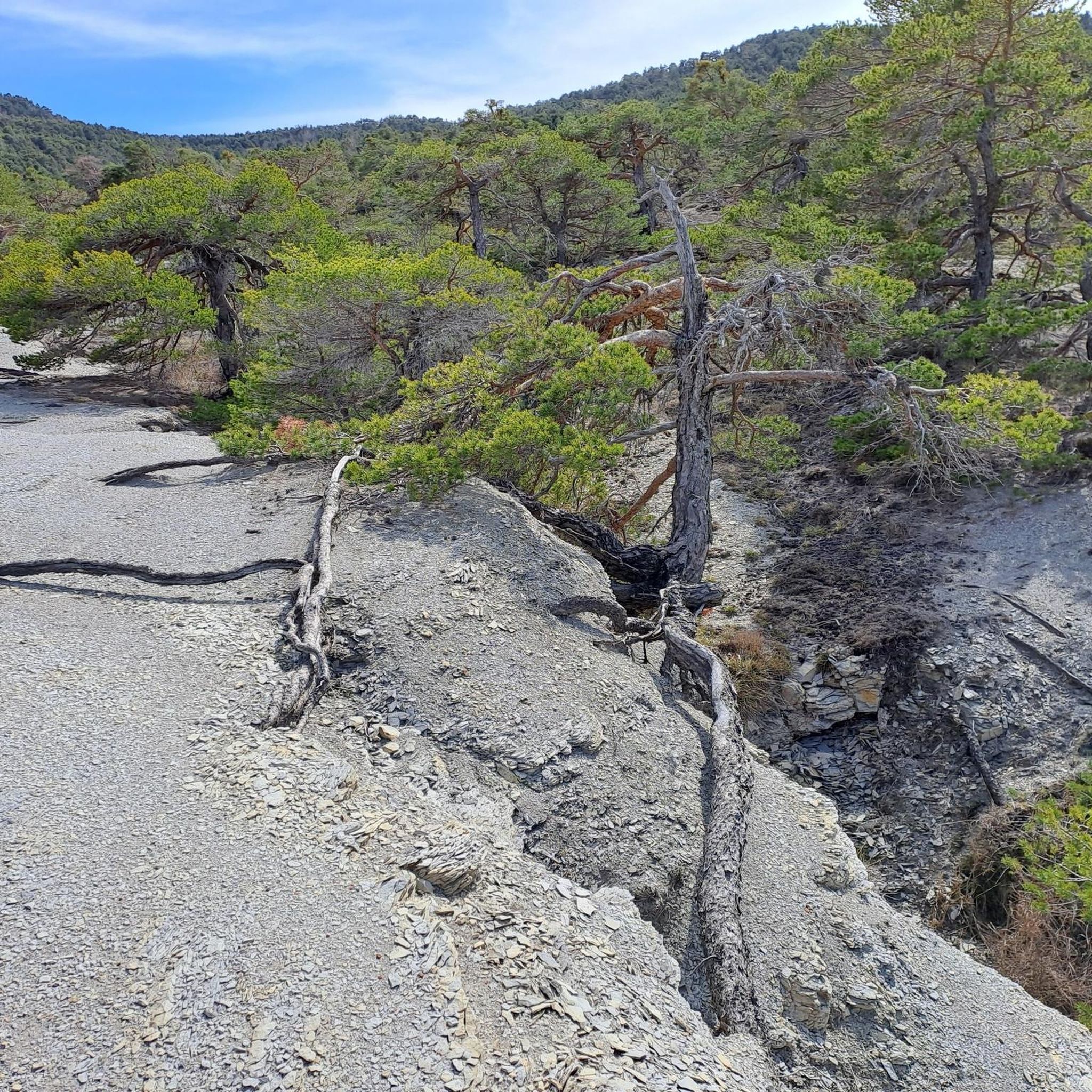
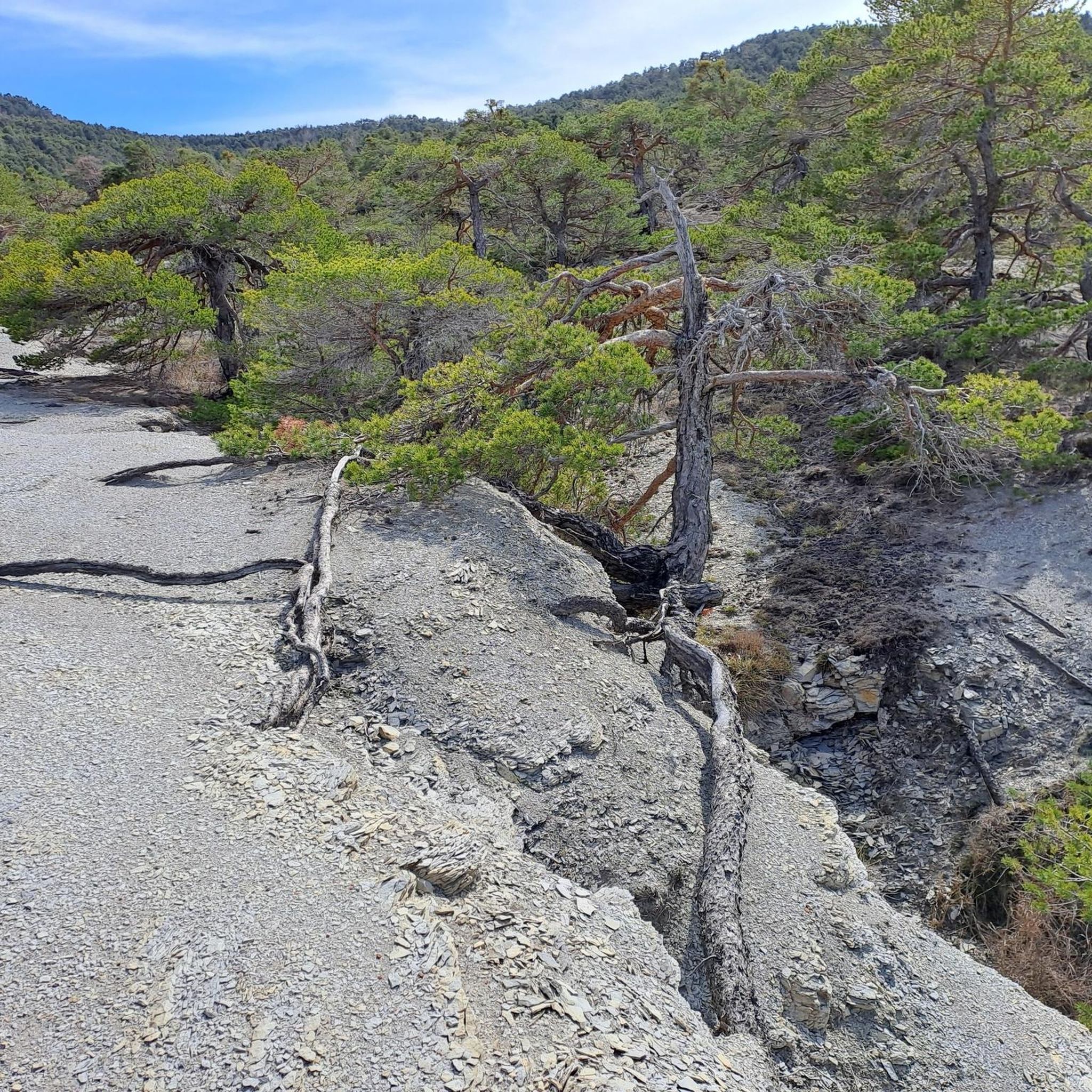
- The most popular attractions is Espréaux Pass, a mountain pass that offers panoramic views and a unique geological phenomenon of "marls," where rock composition causes distinctive geometric mountain shapes. It connects Plan de Vitrolles to Veynes via the road of the perched villages.
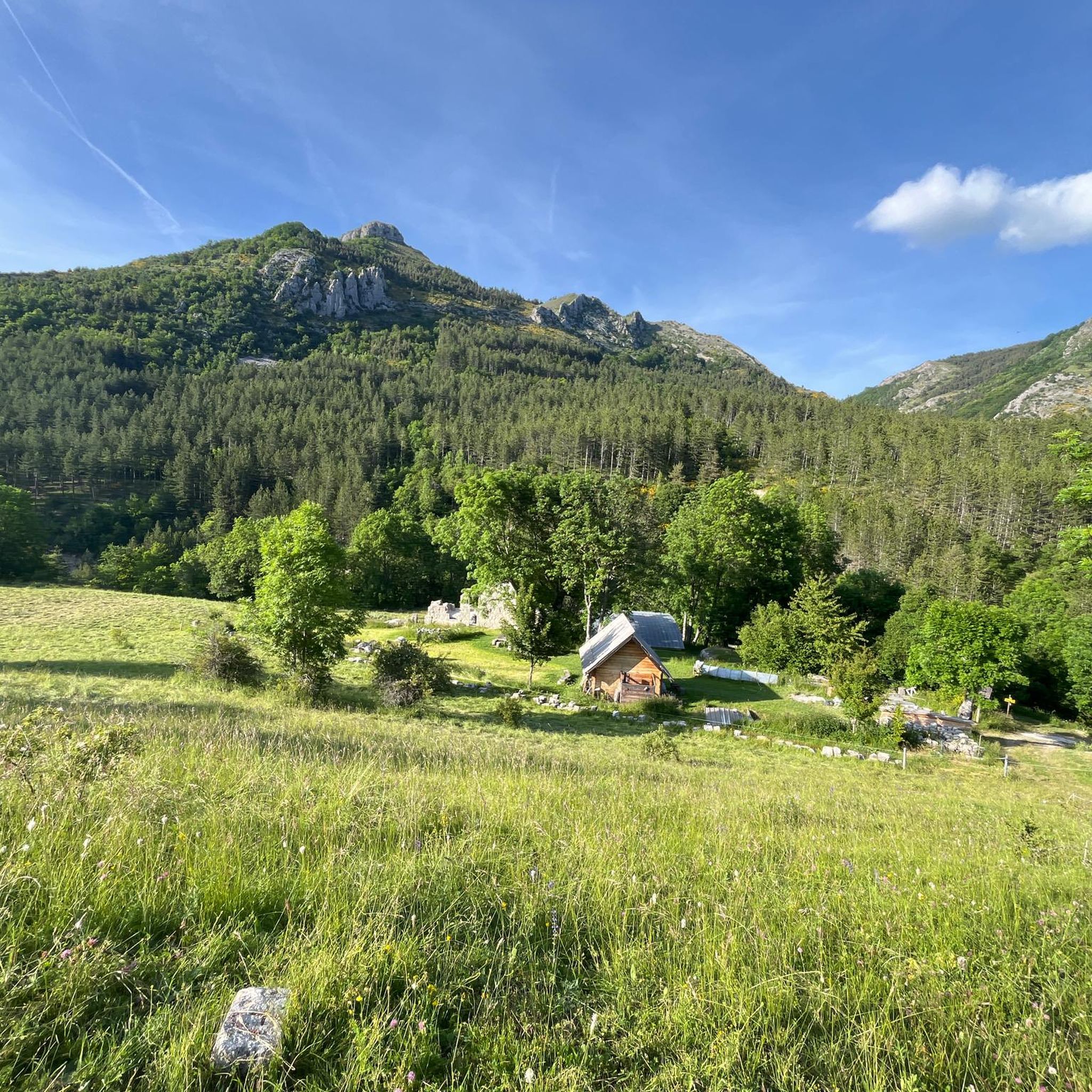
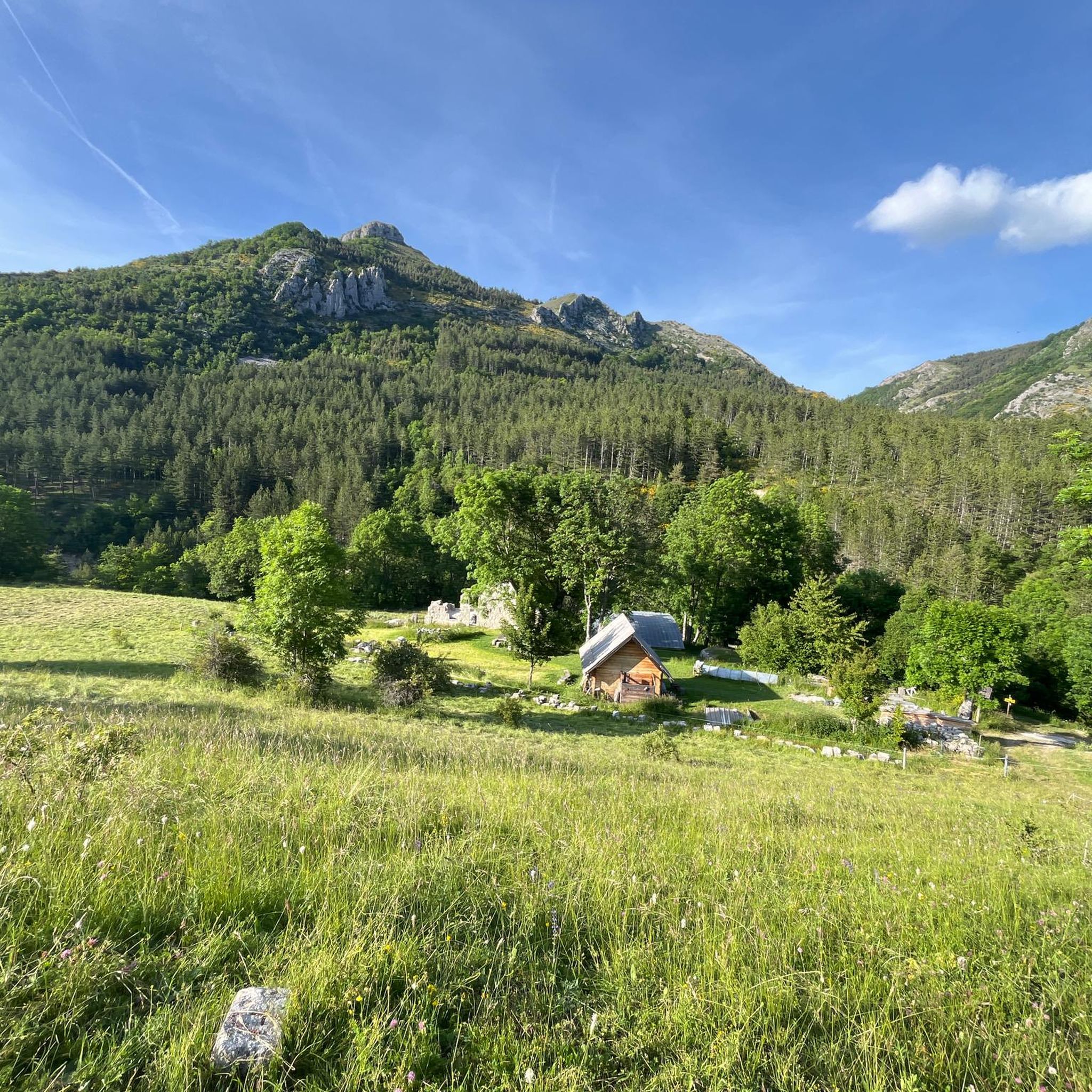
- Another must-see spot is Ceuze pike, a summit offering an extraordinary and phenomenal distant view. This viewpoint provides a wide panorama of the surrounding landscape.
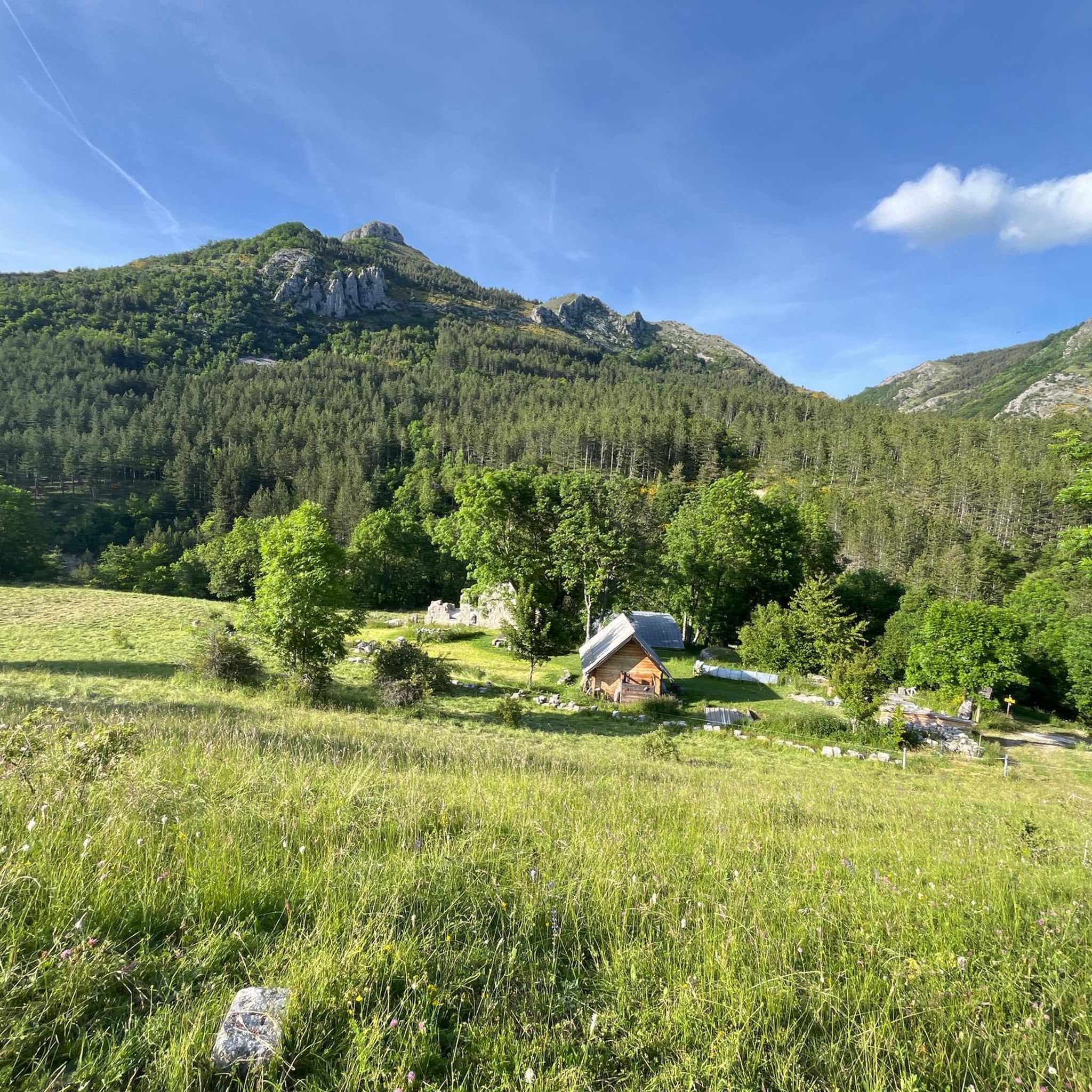
- Visitors also love Clausonne Abbey, a historical site and religious building. Built in 1185, its remains are located in the Upper Valley of Maraize, offering a glimpse into the region's past despite being burned down multiple times.
- Le Saix is known for its natural features like mountain passes and valleys, historical sites such as ancient ruins and churches, and outdoor activities including hiking and cycling. The region offers a variety of attractions to see and explore, from geological formations to cultural heritage.
- The attractions around Le Saix are appreciated by the komoot community, with 97 upvotes and 49 photos shared by visitors.
Last updated: July 7, 2026
Espréaux Pass
Highlight • Mountain Pass
Showing Translation
Tip by

Faye Pass
Highlight • Mountain Pass
Showing Translation
Tip by
Sign up now to discover places like this
Get recommendations on the best single tracks, peaks, & plenty of other exciting outdoor places.
Sign up for free
Serres
Highlight • Other
Showing Translation
Tip by
The Shores of the Lake
Highlight • Other
The guests are also mountain bikers.
There is a folder full of MTB trails available at reception.
Very nice owners (who are also mountain bikers).
Translated by Google •
Tip by

Ceuze pike
Highlight • Summit
Translated by Google •
Tip by

Sign up for free to discover even more attractions around Le Saix.
Sign up for free
Already have an account?
Start today with a free account
Your next adventure awaits.
Login or Signup

Tips from the Community

The Col d'Espreaux is a climb located in the Hautes-Alpes region. This climb is 12.2 km long, with a total elevation gain of 585 m. The Col d'Espreaux has an average gradient of 4.8%.
6
0
The Col de Faye is a mountain pass in the Southern Alps, located in the department of Hautes-Alpes at an altitude of approximately 922 to 924 meters. It connects the Buëch valley to the Durance valley — between the municipalities of Savournon and Ventavon — via the departmental road D21.
15
0
Serres is a municipality in southeastern France, located in the department of Hautes-Alpes, in the Provence-Alpes-Côte d’Azur region.
18
0


A pass lost in the mountains, a very small road with very few cars and magnificent landscapes
2
0


Really pleasant ascent of the north slope. Road with little traffic and very pretty marl landscapes.
2
0

The Col d'Espréaux connects the Buëch valley and the Durance valley at an altitude of 1,160 meters. This passage offers unique and spectacular landscapes in the Southern Alps.
2
0
Frequently Asked Questions
What unique natural features can I explore around Le Saix?
Le Saix is rich in natural beauty. You can discover the geological phenomenon of "marls" at Espréaux Pass, where rock composition creates distinctive geometric mountain shapes. The Maraize Upper Valley is a classified Sensitive Natural Area, offering pristine landscapes and the scenic Gorges of Gouravour at its entrance. Additionally, Lake Peyssier provides a diverse arboreal setting.
Where can I find the best panoramic views in the Le Saix area?
For extraordinary panoramic views, head to Ceuze pike, a summit known for its phenomenal distant vistas. Another excellent spot is Espréaux Pass, which offers sublime views of the surrounding landscape.
What historical sites are there to visit in and around Le Saix?
Le Saix boasts several historical sites. You can visit the 12th-century ruins of the Medieval Castle at La Citadelle, which was destroyed during the Wars of Religion. The Romanic Church of Sainte-Radegonde, built between the 11th and 13th centuries, is a must-see. The Saint-Vincent Church, erected around 1605, is located in the heart of the village. Further afield, the remains of Clausonne Abbey, dating back to 1185, offer a glimpse into the region's past amidst a green environmental setting.
Are there hiking trails suitable for different skill levels near Le Saix?
Yes, the region around Le Saix offers numerous marked hiking trails for various skill levels. For example, you can find easy routes like the "Nice place to cool off – View of Veynes loop from Oze" (6.1 km), moderate options such as the "Clausonne Abbey loop from Le Saix" (10.5 km), and more difficult challenges like the "Clausonne Abbey – Pessier Lake loop from Le Saix" (19.1 km). You can explore more hiking options on the Hiking around Le Saix guide.
What cycling opportunities are available around Le Saix?
Le Saix is a great base for cycling and mountain biking. You'll find a variety of routes, from moderate to difficult. For touring bicycles, consider routes like the "View of L'Aujour – Iscles Pond loop from Le Saix" (23.5 km). Mountain biking enthusiasts can tackle challenging routes such as the "Guérins Pass – Pessier Lake loop from Le Saix" (45.3 km). Discover more options on the Cycling around Le Saix guide and the MTB Trails around Le Saix guide.
Are there specific walking routes starting directly from Le Saix village?
Yes, two specific hiking trails, "the path of fountains" (8 km) and "the path of broad oaks" (14 km), start directly in front of the town hall in Le Saix. These trails lead to various interesting natural spots, including the Fountain of the "Petits Bodeaux".
Are there family-friendly activities or walks in Le Saix?
Families can enjoy the "path of fountains" walking route which starts from the village. The area around Lake Peyssier offers a pleasant environment for a stroll. For adventurous families, the ascent to La Petite Céüse offers a rewarding view, though it involves some scrambling and is best for those without a fear of heights.
What is the best time to visit Le Saix for outdoor activities?
The region around Le Saix is ideal for outdoor activities like hiking and cycling, particularly during seasons with pleasant weather. While specific best times are not detailed, the area's natural beauty and numerous trails suggest spring, summer, and early autumn would be most suitable for enjoying the marked trails and scenic views.
Can I learn about the ancient history of Le Saix?
Yes, the area around Le Saix has a rich ancient history, with evidence of human settlement dating back to 4000 BCE. Numerous prehistoric sites exist, and findings like flat tiles, pottery fragments, and coins suggest Roman origins. The village itself was built under the ruins of an old castle, offering a tangible connection to its past.
What do visitors enjoy most about the attractions around Le Saix?
Visitors particularly appreciate the extraordinary and phenomenal distant views from summits like Ceuze pike, and the sublime panoramas from Espréaux Pass. The unique geological formations, the preserved natural environment of the Maraize Upper Valley, and the historical significance of sites like Clausonne Abbey are also highly valued.
Are there any religious landmarks to visit in Le Saix?
Le Saix features significant religious landmarks. The Romanic Church of Sainte-Radegonde, dating from the 11th to 13th centuries, is a prominent historical church. The Saint-Vincent Church, built around 1605, is an active church in the village. Additionally, a statue of the Virgin Mary overlooks the village from La Citadelle, near the old castle ruins, erected in 1943.
What is the character of Le Saix village itself?
Le Saix is known for its charming village character, featuring flowering stone houses that contribute to its unique aesthetic. The village was historically built under the ruins of an old castle, and some of the original castle stones were even repurposed for new homes, adding to its distinctive architectural heritage.
Most popular routes around Le Saix
Most popular attractions around Le Saix

Get inspired with the komoot mobile app


Explore more
Still not found the Highlight you’re looking for? See guides of the top attractions in other regions:
