Attractions and Places To See around Solliès-Ville - Top 20
Best attractions and places to see around Solliès-Ville, a village in Provence-Alpes-Côte d'Azur, is situated above the Gapeau valley, offering views of the surrounding landscapes. The area combines historical landmarks, cultural sites, and natural beauty. Visitors can explore ancient churches, castles, and museums. The region also provides opportunities for outdoor activities amidst its diverse natural features.
Best attractions and places to see around Solliès-Ville
- The most popular attractions is Château d’Hyères Ruins, a castle that offers an incredible view…
Last updated: July 6, 2026
Château d’Hyères Ruins
Highlight • Castle
Translated by Google •
Tip by

Hyères Old Town
Highlight • Historical Site
Translated by Google •
Tip by

Sign up now to discover places like this
Get recommendations on the best single tracks, peaks, & plenty of other exciting outdoor places.
Sign up for free
Notre-Dame du Faron Sanctuary
Highlight • Religious Site
Translated by Google •
Tip by

Toulon's Small Harbor
Highlight • Natural
Translated by Google •
Tip by

Musée de la Marine
Highlight • Monument
Translated by Google •
Tip by
Sign up for free to discover even more attractions around Solliès-Ville.
Sign up for free
Already have an account?
Start today with a free account
Your next adventure awaits.
Login or Signup
Tips from the Community

A true gateway to the historic Arsenal
1
0

The harbor is one of Toulon's most emblematic sites. It includes the small harbor, which houses the military port, the marina, and the ferry terminal, as well as the large harbor, a coastal strip stretching from the Tour Royale to Cap Brun. Thanks to its exceptional natural environment (the hills surround the city and overlook the harbor), Toulon has become the only harbor to combine maritime and land defenses. This military heritage of forts, towers, and other fortresses, combined with the historic presence of the Arsenal, now known as the naval base, today provides the opportunity to tell great stories of strategy, battles, and the Revolution. All year round, the boatmen located at the port offer guided tours of the most beautiful harbor in Europe: the naval base and buildings of the French Navy, the marine cemetery, the port of La Seyne-sur-Mer and the former shipyards, the Tamaris corniche, Lazaret Bay and its mussel beds, the Saint Mandrier peninsula, the fortifications (Eguillette, Balaguier, Tour Royale), and the Mourillon beaches. Toulon harbor is also an ideal navigational area for sailing, dinghy sailing, and a variety of water sports (sea kayaking, paddleboarding, rowing, etc.). It hosts numerous prestigious regattas and nautical races.
1
1
A must-see for an insight into the history of boat building and the interconnected trades involved. Located near the Maritime Prefecture and the Clock Tower at the entrance to the arsenal, the Toulon National Maritime Museum was created at the end of the First Empire. A true reminder of the Toulon arsenal, it has preserved the majestic gate designed by Lange in 1738. The site houses a collection of ships and galleys emblematic of the maritime tradition in the Mediterranean. Since the inauguration of a new exhibition in March 2011, the museum has also highlighted the establishment of the navy in Toulon and its impact on the city's development. On the ground floor, a space is dedicated to Vauban, creator of the first arsenal under Louis XIV. A model of the rope-making factory presents the architecture of a building like few others in France. The central part of the museum houses large-scale models of a ship and a frigate used for training officer cadets. Visitors will also discover a reconstruction of a galley, replaced after 1748 by the Toulon port prison. The reconstruction of the prison hospital is among the museum's new features. The first floor resituates Toulon as a seat of power and displays gifts representative of the Franco-Russian alliance established from 1891 to 1914, such as a punch set and a silver and enamel bratina. In addition to a torpedo dating from the 1960s, and a space reserved for submarines and aircraft carriers, enthusiasts will also appreciate the life-size reconstruction of the Charles de Gaulle maneuvering board, as well as a space dedicated to life aboard a ship, ensuring that the crew remains connected to their work tools.
0
1

Ideally located next to the naval base, the Marine Museum traces more than 400 years of maritime history. You will see magnificent, well-preserved models as well as the maneuver board of the famous Clémenceau. The museum is open every day from 10am to 6pm, except Tuesdays. It is labeled "Accueil Vélo".
2
0
The sanctuary serves as a memorial to the soldiers who fell in 1944, during the liberation of Provence.
0
0


The medieval old town is well preserved. With its location on the slope of the Casteou, one of the foothills of the Maurettes, it dominates the lower plain and offers a wide view of the sea and the offshore islands. Some buildings are classified as Monument historique: The Saint Paul Monastery The ensemble of fortifications encompasses the old town in the north of Hyères. The complex dates from the 13th and 14th centuries. Fortification walls with square towers and the four city gates Porte de Baruc, Porte de Fenouillet, Porte de Saint-Paul and Porte de La Rade surround the old town center. The Templar Tower (Tour des Templiers, also Chapelle Sainte Blaise) was built by the Templars in the 12th century. In 1673, the brotherhood of the Commanderie de Beaulieu took over the building and the original castle walls were torn down. It served as a town hall until 1913, but today it is a courthouse and shows changing exhibitions. The Saint Paul Monastery also dates from the 12th-13th centuries. Century, but was significantly rebuilt between the 15th and 16th centuries. It shows collections of votive images and two reliquaries.
1
0

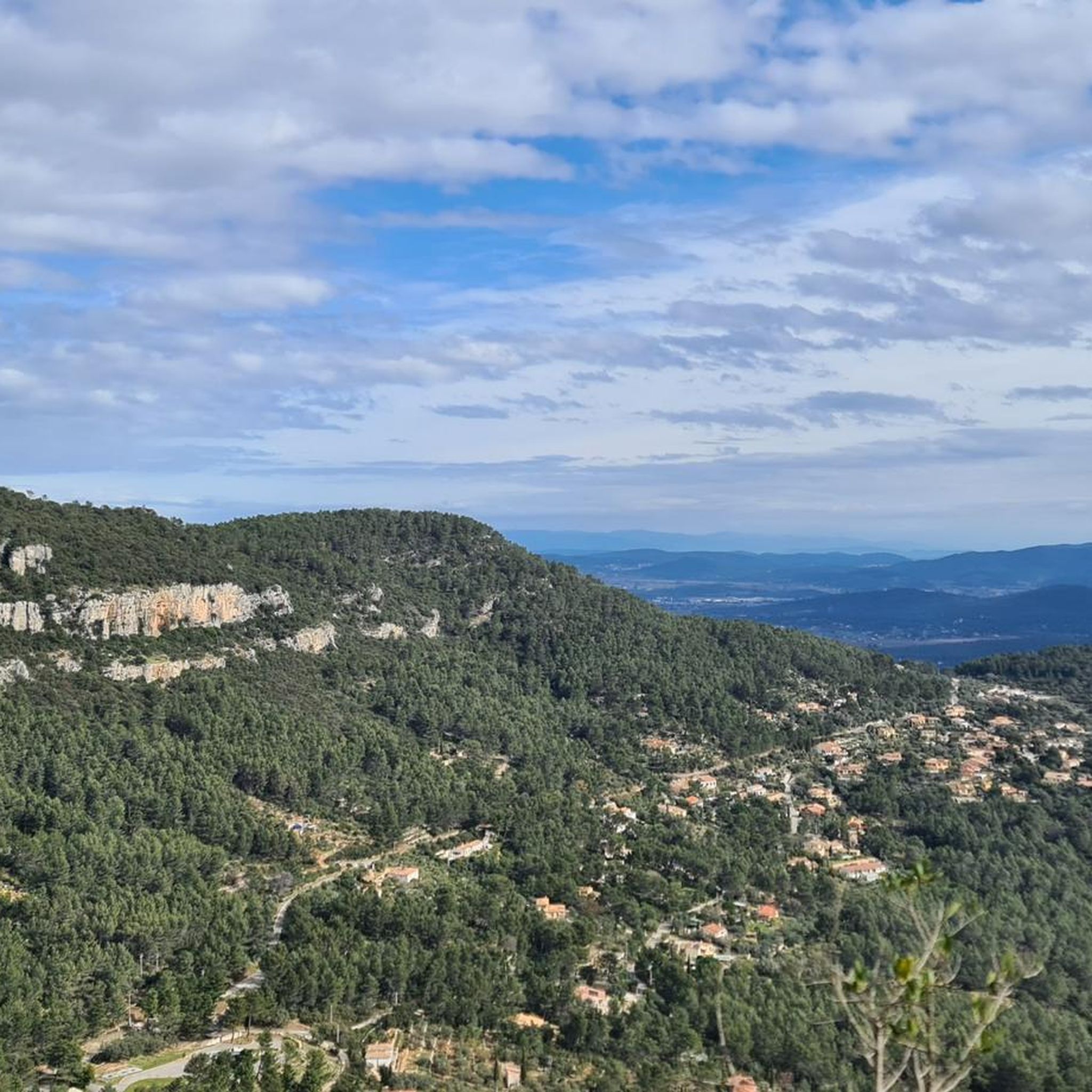
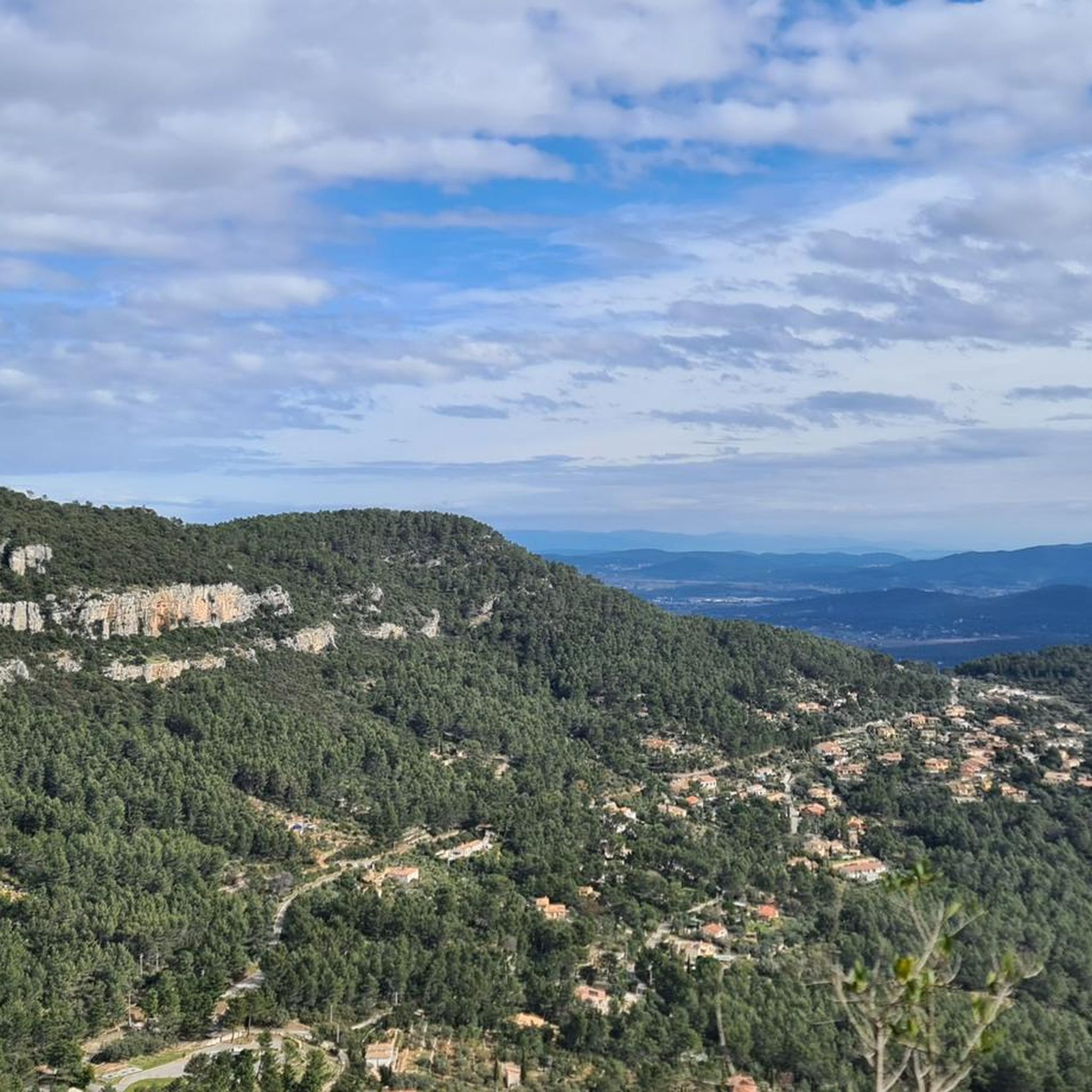
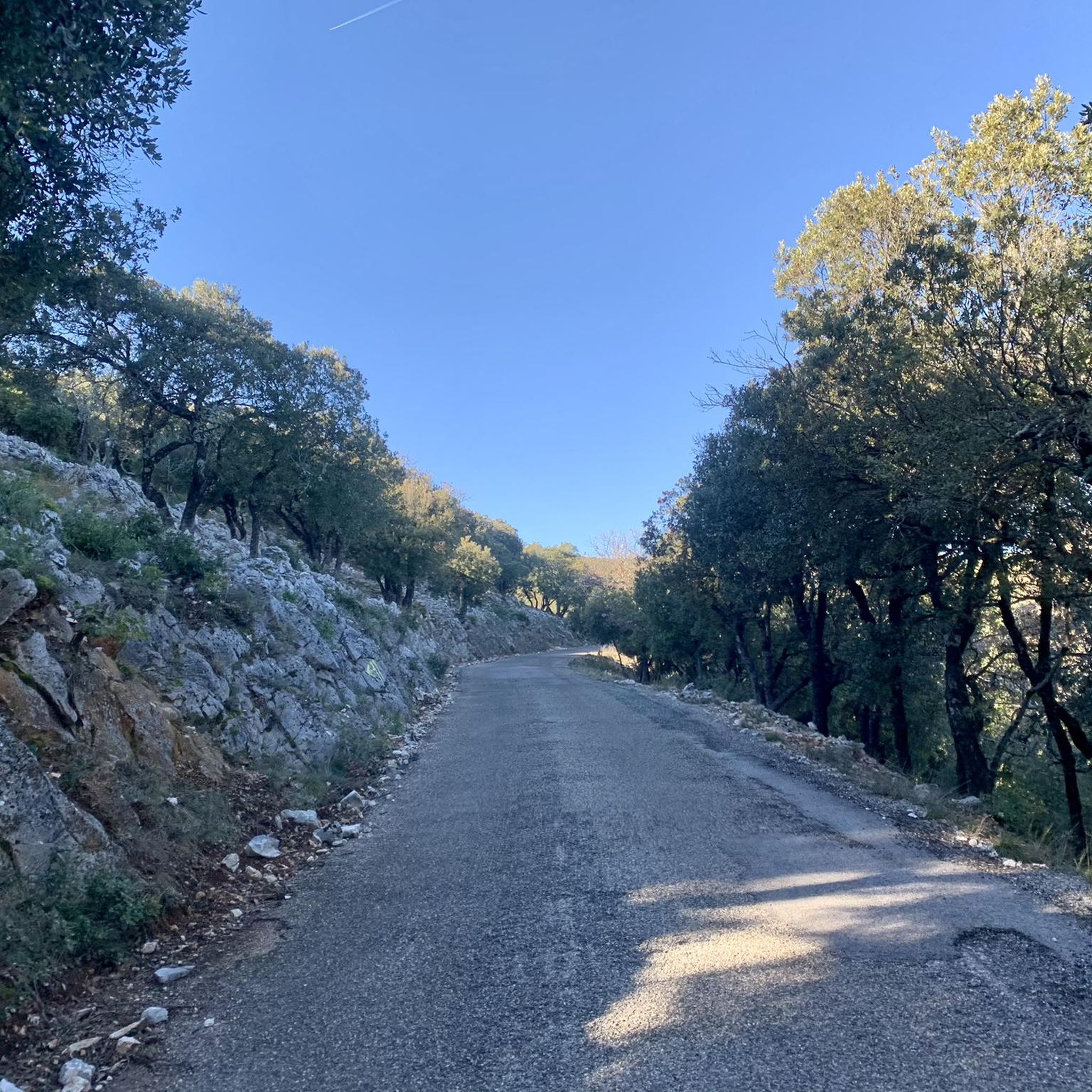
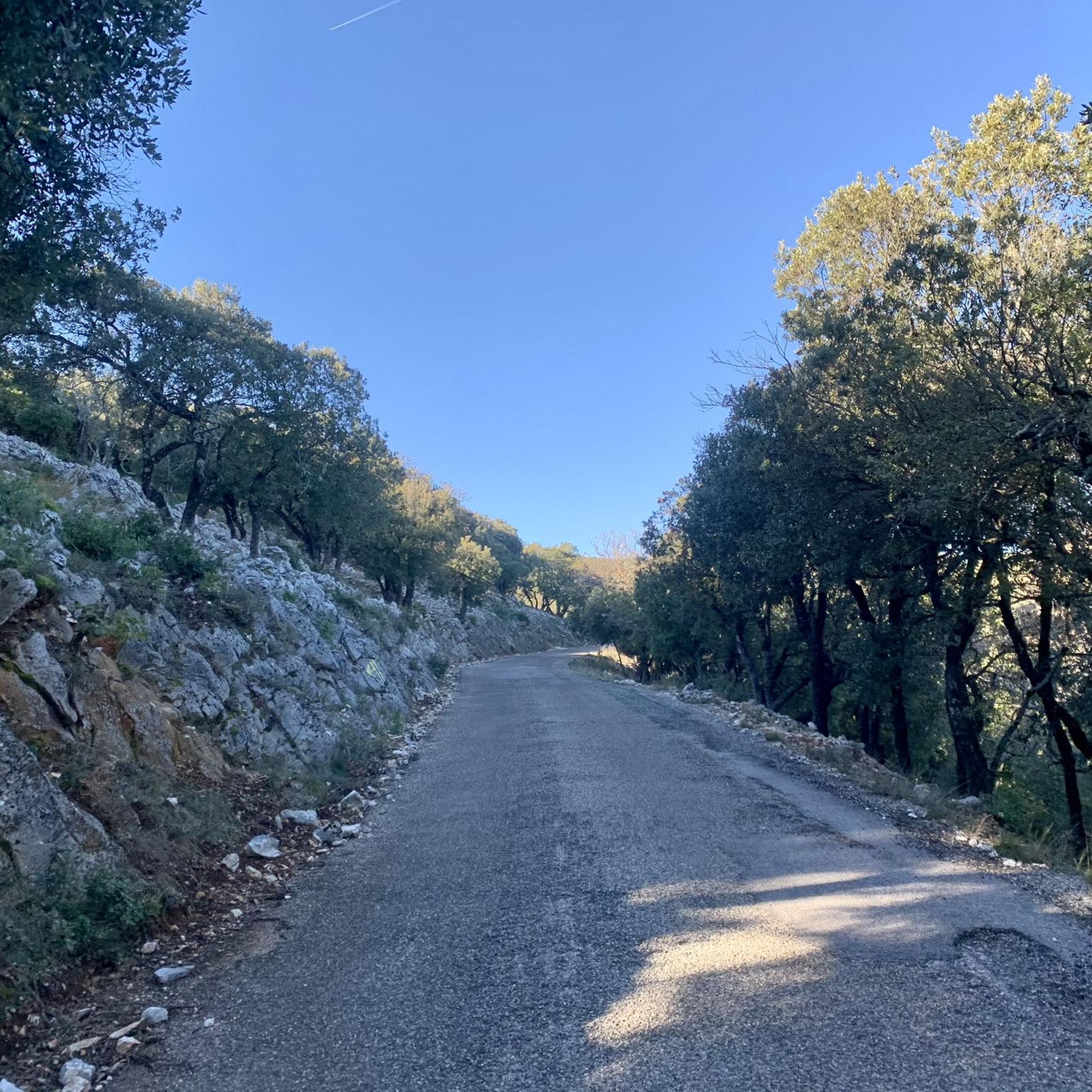
Brilliant views over a beautiful landscape, invites you to linger. Circular route/one-way street, in some places a bit narrow on the access road.
3
0
Frequently Asked Questions
What historical landmarks can I explore in Solliès-Ville and its surroundings?
The region offers a rich history. You can visit the ancient Château d’Hyères Ruins, which provide an incredible view of the area. The well-preserved Hyères Old Town is another medieval gem. Within Solliès-Ville itself, explore the historic Eglise Saint-Michel, the Château de Solliès-Pont, and the visible ruins of the 16th-century Forbin Castle.
Are there any museums or cultural sites to visit near Solliès-Ville?
Yes, there are several. The Musée de la Marine traces over 400 years of maritime history with magnificent models. In Solliès-Ville, you can find the Musée Jean Aicard, dedicated to the works of the author, and the Musée du Vêtement et des Traditions Provençales, showcasing traditional Provençal clothing and accessories in a restored oil mill.
Where can I find scenic viewpoints around Solliès-Ville?
Solliès-Ville is perched above the Gapeau valley, offering picturesque views. For panoramic vistas, hike up Mont Matheron (509 m) or Mont Coudon (700 m). The Château d’Hyères Ruins also provide breathtaking views of the entire region, including the sea and offshore islands.
What hiking opportunities are available near Solliès-Ville?
The region is ideal for hiking. You can explore the scenic Les Gorges du Destel or tackle routes on Mont Matheron and Mont Coudon, which offer views over the Var plain. Trails like the GR®51 and the Tourris trail provide diverse scenery, including woodland routes and paths along the Barre de Cuers. For specific routes, check out the Hiking around Solliès-Ville guide, which includes routes like the 'Mont Coudon Loop'.
Are there options for running or cycling near Solliès-Ville?
Absolutely. The area features numerous trails suitable for running and gravel biking. You can find various routes, from moderate to difficult, that explore the local landscapes. For detailed options, refer to the Running Trails around Solliès-Ville guide and the Gravel biking around Solliès-Ville guide.
What natural attractions are there for nature lovers?
Beyond the Gapeau Valley and the mountains, nature lovers can hike through the stunning Les Gorges du Destel for a peaceful escape. While a short drive away, Fontaine de Vaucluse is also recommended for a day trip due to its vibrant colors and breathtaking scenery.
Are there any family-friendly activities or attractions?
Yes, the Hyères Old Town is considered family-friendly, offering a chance to explore medieval streets. Many of the hiking trails around Solliès-Ville also have easy options suitable for families. The local markets are also a great way to engage with the community and taste regional delicacies.
What is the best time to visit Solliès-Ville for outdoor activities?
The region's mild climate generally makes it suitable for outdoor activities for much of the year. Spring and autumn offer pleasant temperatures for hiking and exploring. Summer can be warm, but early mornings or late afternoons are still enjoyable for outdoor pursuits.
Can I find local products or markets in Solliès-Ville?
Yes, visiting the local markets is highly recommended to taste regional delicacies and purchase authentic handicrafts. Additionally, Domaine Souviou offers tours for wine and olive oil enthusiasts to learn about local production methods and sample premium products.
What do visitors enjoy most about the attractions near Solliès-Ville?
Visitors frequently praise the incredible panoramic views, especially from sites like the Château d’Hyères Ruins. The well-preserved medieval charm of Hyères Old Town and the rich maritime history at the Musée de la Marine are also highly appreciated. Many enjoy the blend of historical exploration with stunning natural backdrops.
Is there a central place to experience the local atmosphere in Solliès-Ville?
Yes, Place du Général de Gaulle (also known as Place Victor Hugo) is the central square in Solliès-Ville. It's an excellent spot to soak in the local atmosphere, people-watch, and enjoy a coffee under the shade of century-old plane trees.
Most popular routes around Solliès-Ville
Most popular attractions around Solliès-Ville

Get inspired with the komoot mobile app


Explore more
Still not found the Highlight you’re looking for? See guides of the top attractions in other regions:
