The best road cycling routes around Saint-Nicolas-De-Bourgueil
4.2
(67)
1,807
riders
289
rides
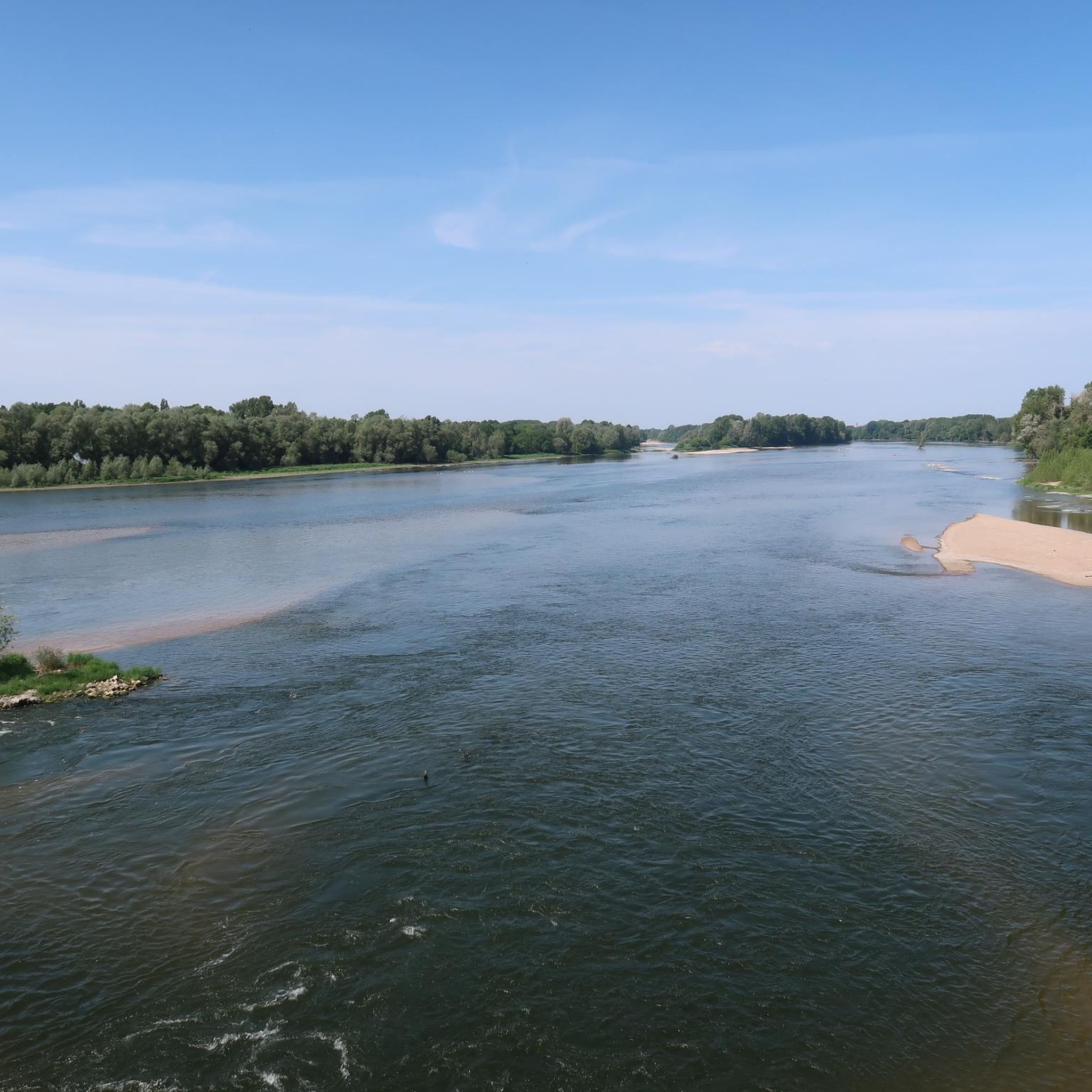
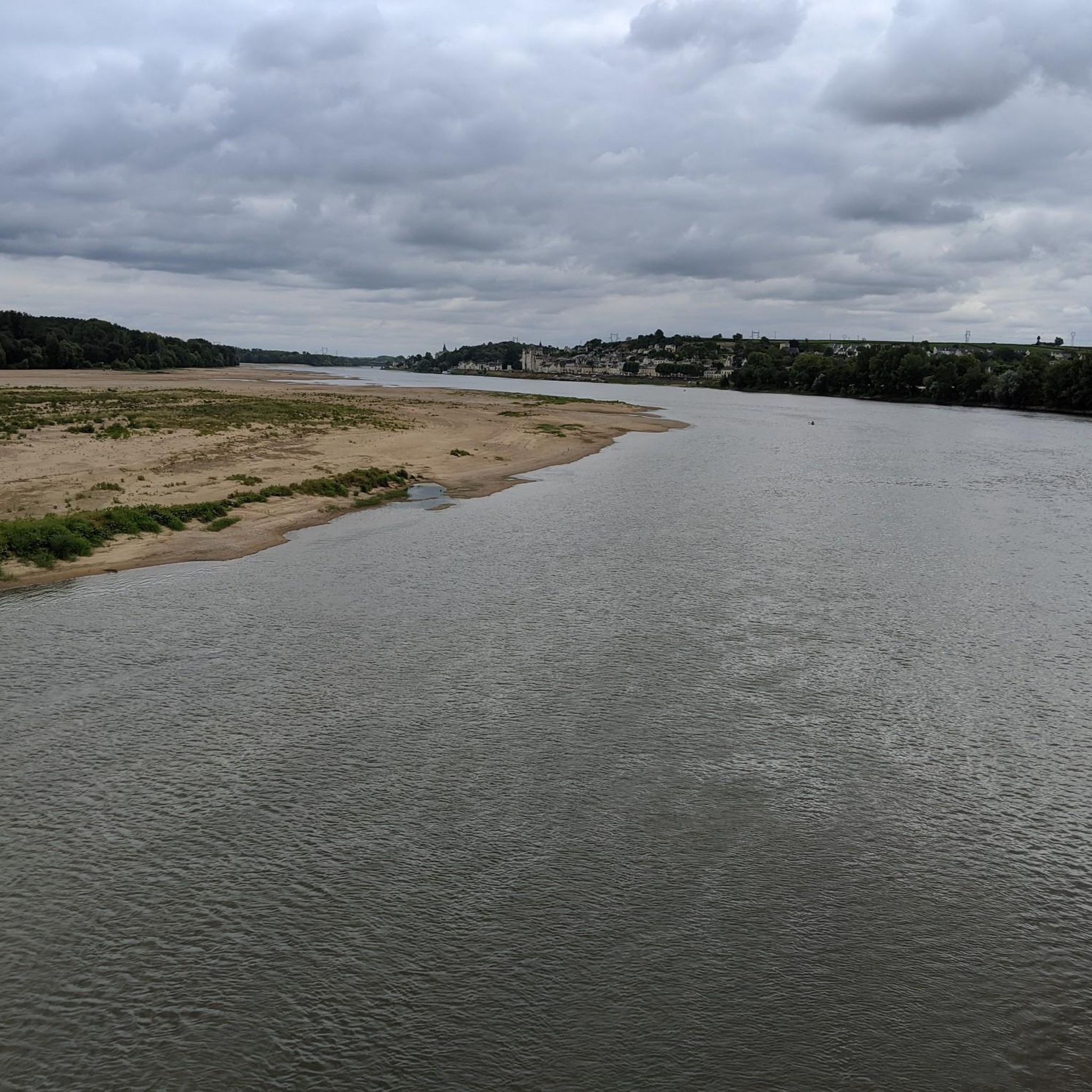
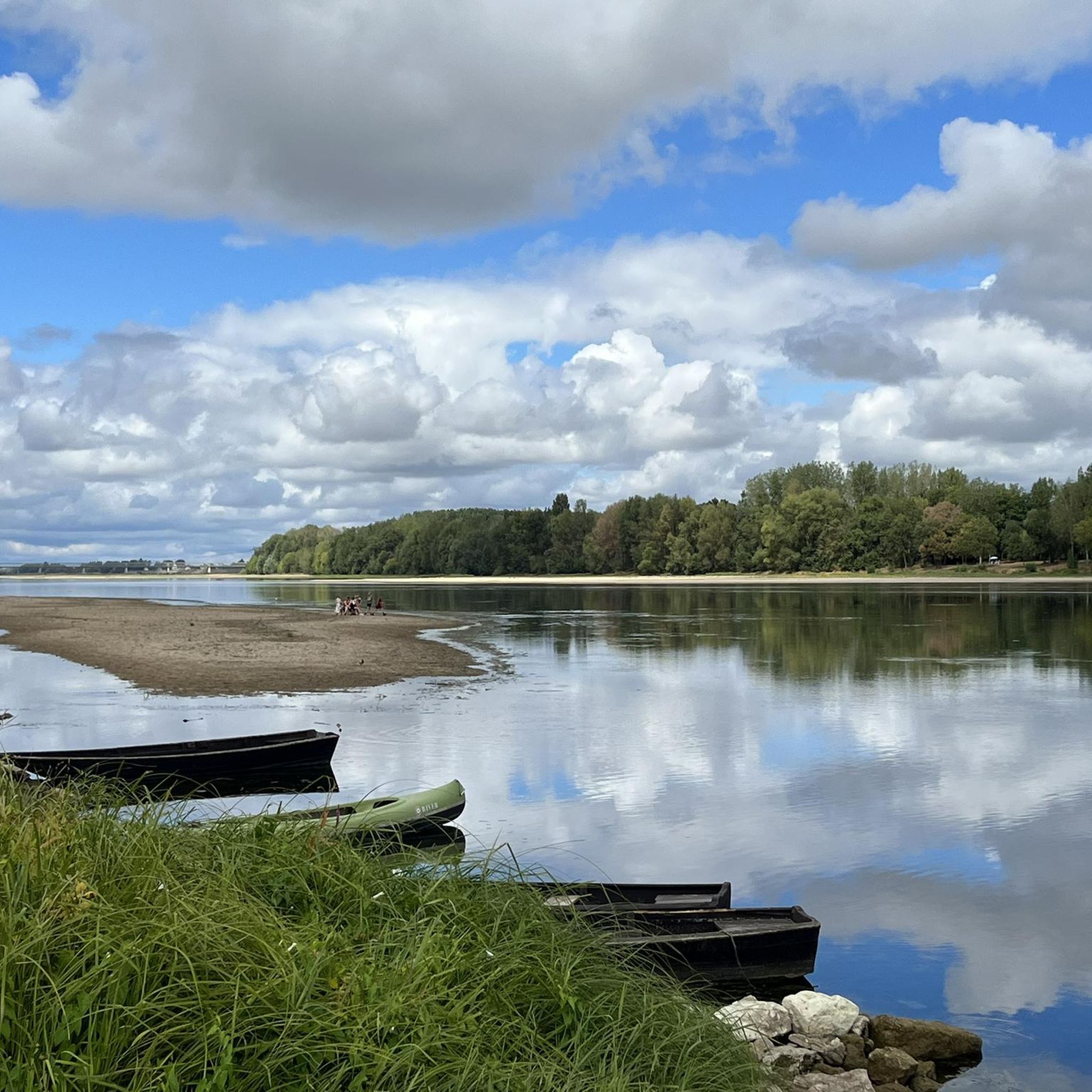
Road cycling routes around Saint-Nicolas-De-Bourgueil traverse a landscape characterized by the Loire River, extensive vineyards, and forest massifs. The terrain is generally flat, with gentle gradients suitable for various fitness levels. Cyclists can expect peaceful country roads and shady paths, offering varied backdrops of fields, meadows, and moorland. The region's natural features provide a diverse and engaging environment for road cycling.
Best road cycling routes around Saint-Nicolas-De-Bourgueil
- The most popular road cycling route is Troglodytes – View of Saumur loop…
Last updated: July 17, 2026
5.0
(2)
58
riders
78.3km
03:13
390m
390m
Moderate road ride. Good fitness required. Mostly well-paved surfaces and easy to ride.
5.0
(1)
28
riders
77.7km
03:12
400m
400m
Moderate road ride. Good fitness required. Some segments of this route may be unpaved and difficult to ride.

Sign up for free
23
riders
41.8km
01:49
260m
260m
Easy road ride. Great for any fitness level. Mostly well-paved surfaces and easy to ride.
4.0
(1)
14
riders
43.2km
02:05
80m
70m
Moderate road ride. Good fitness required. Mostly well-paved surfaces and easy to ride.
13
riders
60.8km
02:31
350m
350m
Moderate road ride. Good fitness required. Some segments of this route may be unpaved and difficult to ride.
Get access to more routes and recommendations from other explorers.
Sign up for free
Already have an account?
Our route recommendations are based on thousands of hikes, rides, and runs completed by other people on komoot.
Start today with a free account
Your next adventure awaits.
Login or Signup
Tips from the Community

Magnificent approach to the Château de Rigny Ussé from the Loire embankment
0
0

History in brief Antiquity: the site is strategically located on a promontory and has been inhabited for 3,000 years. It was not fortified until the end of the Roman Empire. Middle Ages: in 1154, the new King of England, Henry II Plantagenet, became ruler of an empire stretching from Scotland to the Pyrenees and made Chinon his continental capital. He had a large palace built next to the fortress, which has now disappeared. In 1189, abandoned by his sons, Richard the Lionheart and John Lackland, and fleeing from the King of France, he eventually died there. Philippe Auguste had the defensive Tour du Coudray built there after the siege of 1205. Renaissance: in 1454, the fortress became the main residence of Queen Marie d'Anjou, who lived there without her husband. She spent lavishly on decorating the house to her taste. From the 16th century onwards, the fortress was gradually abandoned and fell into disrepair. Despite the dangerous nature of the terrain, it became a public promenade in 1824 and was listed as a monument in 1840. The restoration of the estate began in 1854 thanks to the efforts of the writer Prosper Mérimée. Source: https://loirelovers.fr/en/visit-royal-fort-chinon/
6
0

nice village, with a nice restaurant near the church
0
0
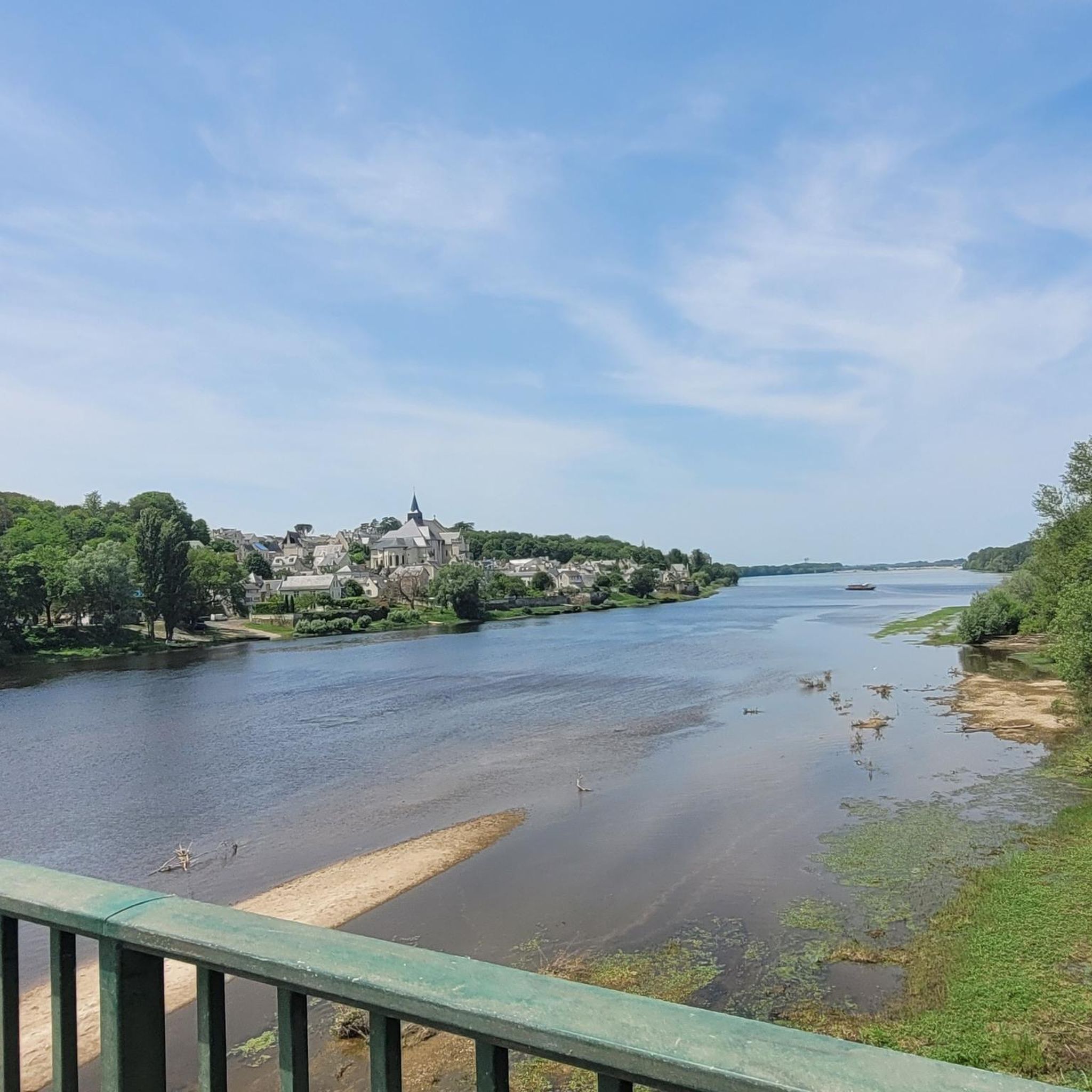
View of the Vienne and the village of Candes Saint Martin
0
0
Come and discover the Touraine in d'Azay-le-rideau. A pleasant centre has nice terraces to stay for a while. Discover the Château d'Azay-le-rideau and the park in English style and relax on the banks of the Indre on the island by the waterfall.
3
0
Built at the beginning of the 11th century, the Saint-Symphorien church in Azay-le-Rideau is a listed historical monument and bears witness to the architectural history of the region. Built in the pre-Romanesque style, on the remains of an "ecclesiola" from the Merovingian or Carolingian period, this building has survived the centuries and has undergone several extensions and renovations. Unfortunately, the years have not been kind to it and today signs of decay and structural disarray are visible: cracks, water infiltration, loosening of the roof tiles, decay of the tuff, etc. This deterioration is the result of the passage of time, previous extensions, but also of damage caused by conflicts, in particular the looting and confiscations by the German army between 1940 and 1942. Given these challenges, the complete restoration of the Saint-Symphorien church has become an urgent necessity. The restoration of the Saint-Symphorien church is much more than a simple restoration: it is an act of preserving the identity and history of the region, a symbol of collective commitment to heritage. Once the work is completed, the church will continue to play a central role in the cultural and social life of the community, providing a magnificent setting for artistic and cultural events and thus contributing to the prestige of the town of Azay-le-Rideau and its surroundings.
2
0
Here you are in front of the 'Sleeping Beauty Castle'. Once upon a time there was a castle with a magical aura, overlooking the Indre and the Loire… so beautiful that it inspired Charles Perrault to write his Sleeping Beauty. Young and old, immerse yourself in castle life and the scenes from this fairy tale come to life before your eyes. Follow in the footsteps of Vauban, Perrault, Chateaubriand, Le Nôtre and the Blacas family, who still live in this illustrious castle in the Loire Valley.
5
0
Once upon a time, there was a castle with a magical aura, overlooking the Indre and the Loire… so beautiful that it inspired Charles Perrault to write Sleeping Beauty. Young and old, immerse yourself in castle life and the scenes from this fairy tale come to life before your eyes. Follow in the footsteps of Vauban, Perrault, Chateaubriand, Le Nôtre and the Blacas family, who still live in this illustrious castle in the Loire Valley. PREPARE YOUR VISIT: 2025 From 15 February to 31 March: 10am – 6pm. From 1 April to 30 September: 10am – 7pm. From 1 October to 11 November: 10am – 6pm. Prices: Adult (+ 16 years): € 14.50 Child from 8 to 16 years: € 7.50 Child (under 8 years): Free
5
0
Frequently Asked Questions
How many road cycling routes are available around Saint-Nicolas-De-Bourgueil?
There are over 260 road cycling routes around Saint-Nicolas-De-Bourgueil, offering a wide range of options for different skill levels and preferences. The komoot community has explored these routes over 2000 times, highlighting the area's popularity among cyclists.
Are there easy road cycling routes suitable for beginners in Saint-Nicolas-De-Bourgueil?
Yes, the region is well-suited for beginners and those seeking relaxed rides. The terrain is generally flat, especially along the Loire River, with gentle gradients. You'll find nearly 70 easy routes, such as the View of Candes Saint Martin – Montsoreau Castle loop from Bourgueil, which covers 30.1 km with minimal elevation gain.
What kind of landscapes can I expect to see while road cycling in this region?
Road cycling routes around Saint-Nicolas-De-Bourgueil traverse diverse and picturesque landscapes. You'll cycle through the renowned vineyards of Bourgueil and Saint-Nicolas-de-Bourgueil, offering enchanting views. Beyond the vines, the scenery transitions to forest massifs, open fields, meadows, and moorland, providing a varied and engaging backdrop for your rides.
Are there any long-distance road cycling routes in the area?
Yes, for those looking for longer rides, there are numerous moderate routes extending up to nearly 80 km. For example, the Troglodytes – View of Saumur loop from Port-Boulet is a 78.4 km route that takes around 3 hours and 12 minutes to complete, offering extensive views and varied terrain.
What historical landmarks or attractions can I visit along the cycling routes?
The region is rich in historical architecture. You can admire quaint tuffeau mansions, authentic small villages, and historic wash-houses. Notable sites include the Royal Abbey of Saint-Pierre de Bourgueil. Many routes also offer views of nearby châteaux. For instance, the Royal Fortress of Chinon – Ussé Castle loop from Port-Boulet passes by the majestic Ussé Castle, which inspired 'Sleeping Beauty'.
Are there specific cycling routes that focus on the vineyards?
Absolutely. Being a 'Vignobles & Découvertes' labelled region, many routes guide you directly through the vineyards. The Route de l'île au than loop from Bourgueil is a popular 43.2 km trail that leads through vineyards and along the river, offering a direct experience of the wine-growing landscape.
What do other road cyclists enjoy most about cycling in Saint-Nicolas-De-Bourgueil?
The area is highly rated by the komoot community, with an average score of 4.1 stars from over 60 reviews. Cyclists often praise the peaceful country roads, the varied backdrops of vineyards and forests, and the accessibility of routes for different fitness levels. The blend of natural beauty and cultural immersion is a significant draw.
Are there circular road cycling routes available?
Yes, many of the road cycling routes in Saint-Nicolas-De-Bourgueil are designed as loops, allowing you to start and end at the same point. This includes popular options like the View of Candes Saint Martin – Chinon Fortress loop from Port-Boulet, a 47.2 km circular route.
What is the best time of year for road cycling in Saint-Nicolas-De-Bourgueil?
The region generally offers pleasant cycling conditions due to its mild climate. Spring and autumn are particularly ideal, with comfortable temperatures and beautiful scenery as the vineyards change color. Summer can also be enjoyable, especially on shady paths, but it's advisable to cycle earlier in the morning or later in the afternoon to avoid the midday heat.
Can I find places to eat or stay along the cycling routes?
Yes, the region is well-equipped to welcome cyclists. As part of a wine tourism area, you'll find numerous wineries offering tastings and visits. Additionally, the quaint villages along the routes often feature local cafes and restaurants. There are also various accommodation options, from charming guesthouses to hotels, catering to visitors exploring the area.
Are there any challenging routes for experienced road cyclists?
While the terrain is generally gentle, there are routes that offer more significant elevation gain for experienced cyclists. There are two routes classified as 'difficult' and nearly 200 routes rated 'moderate', which provide longer distances and more varied ascents, allowing for a more demanding ride.
What natural features can I explore besides the vineyards?
Beyond the vineyards, Saint-Nicolas-De-Bourgueil is situated within the Loire Anjou Touraine Regional Nature Park, offering access to preserved natural heritage. You can cycle through forest massifs and along the Loire River. Nearby, Lac de Rillé provides opportunities for other outdoor activities like an ornithological observatory, and swimming is available at Lac d'Hommes and Lac du Val Joyeux.
Most popular routes around Saint-Nicolas-De-Bourgueil
Most popular attractions around Saint-Nicolas-De-Bourgueil

Get inspired with the komoot mobile app


Explore more
Browse the best Road cycling routes in other regions.
