Attractions and Places To See around Bazoches-Sur-Guyonne - Top 20
Best attractions and places to see around Bazoches-Sur-Guyonne include historical landmarks, cultural sites, and natural features within the Yvelines region. The commune is situated in a hilly area north of the Rambouillet forest massif and is part of the Parc Naturel Régional de la Haute Vallée de Chevreuse. It features rural, agricultural, and wooded spaces, shaped by the Guyon and Guyonne rivers. Visitors can explore sites like the Maison Jean Monnet and Maison Louis Carré, alongside ancient churches and natural ponds.
Best attractions and places to see around Bazoches-Sur-Guyonne
- The most popular attractions is Vaux-de-Cernay Road and Vaux-de-Cernay Abbey, a historical site that includes a former Cistercian monastery dating from the 12th century. The surrounding valley offers a varied terrain with roads winding through the forest.
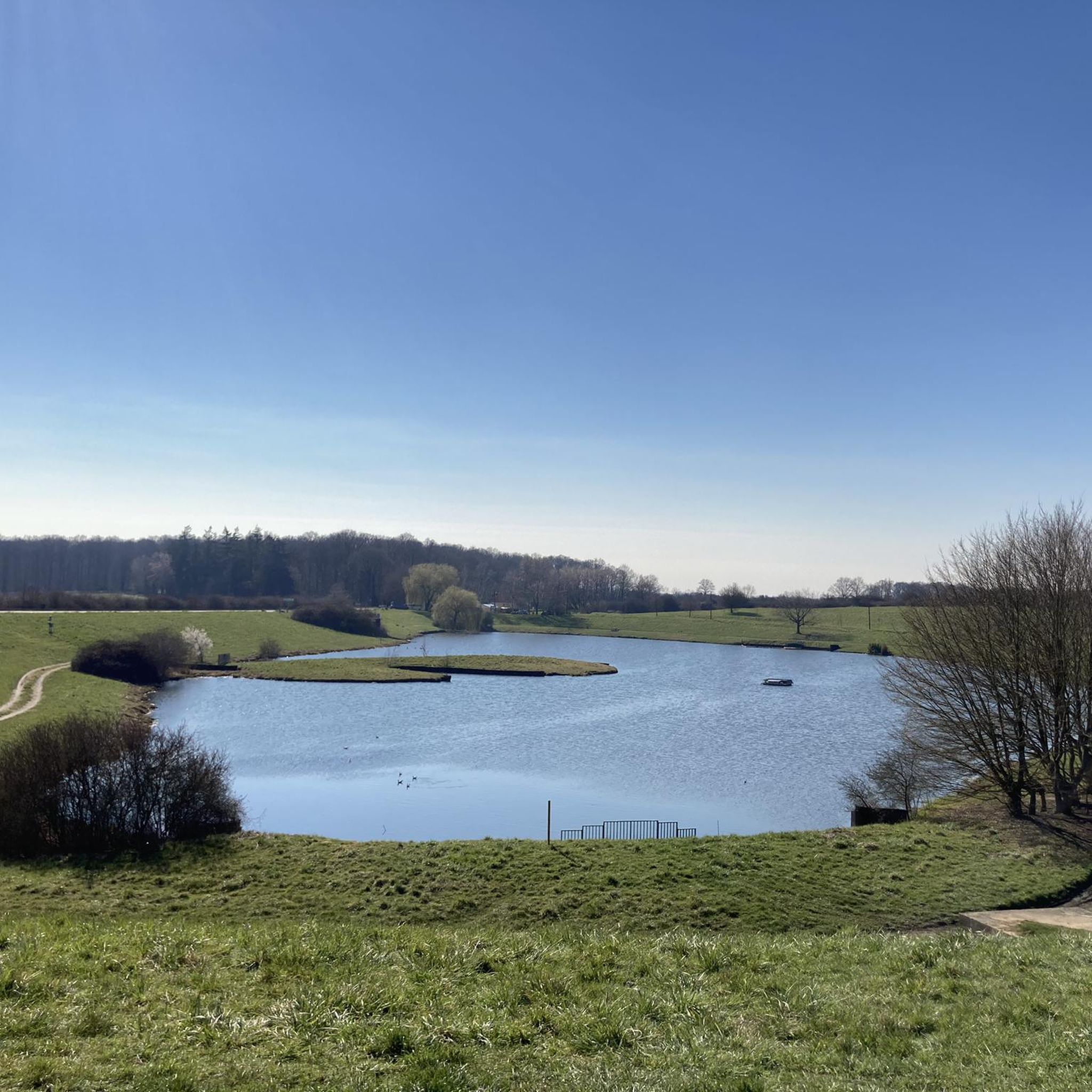
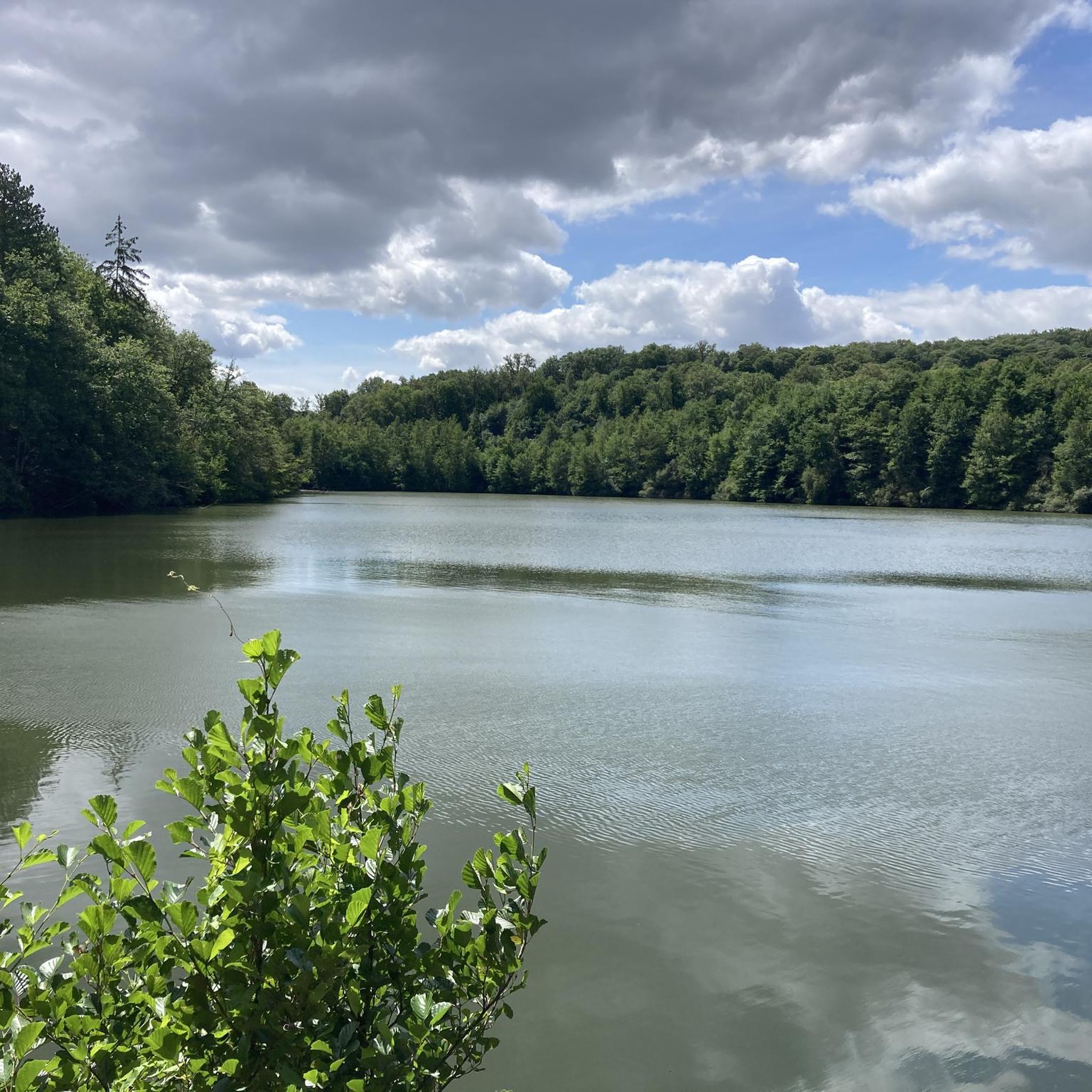
- Another must-see spot is Rompu Pond, a lake located within the Rambouillet forest. This body of water covers 0.8 hectares and is fed by the Ponts-Quentin stream, offering natural scenery.
- Visitors also love Saint Martin's Church, Beynes, a religious building dating from the 13th century. This church has undergone various demolitions and reconstructions throughout its history and features a choir from the 12th century.
- Bazoches-Sur-Guyonne is known for its historical sites, religious buildings, and natural ponds. The area offers a variety of attractions to see and explore, including architectural gems and ruins of ancient castles.
- The attractions around Bazoches-Sur-Guyonne are appreciated by the komoot community, with over 100 upvotes and 3 photos shared across various highlights.
Last updated: July 16, 2026
Saint Martin's Church, Beynes
Highlight • Religious Site
Today located in the city center, you can stop there for a supply or simply catch your breath.
Translated by Google •
Tip by

Vaux-de-Cernay Road and Vaux-de-Cernay Abbey
Highlight (Segment) • Historical Site
Translated by Google •
Tip by

Sign up now to discover places like this
Get recommendations on the best single tracks, peaks, & plenty of other exciting outdoor places.
Sign up for free
Rompu Pond
Highlight • Lake
Translated by Google •
Tip by

Château des Mesnuls
Highlight • Castle
Translated by Google •
Tip by
Notre-Dame du Chêne Chapel
Highlight • Religious Site
This chapel is erected on an important place of pilgrimage, frequented in particular by Queen Marie-Antoinette. The current building replaces the first chapel destroyed during the Revolution.
Translated by Google •
Tip by

Sign up for free to discover even more attractions around Bazoches-Sur-Guyonne.
Sign up for free
Already have an account?
Start today with a free account
Your next adventure awaits.
Login or Signup

Tips from the Community

The Château des Mesnuls is a historic castle in the Louis XIII style built of brick and stone, located in the commune of Les Mesnuls, in the Yvelines department in France. The structure, protected since 1945 and officially classified as a historic monument in 1975, is not open to the public for classic individual tourist visits. The building is indeed owned by the Châteauform' chain and is entirely dedicated to corporate seminars, conferences, and private events.
0
0

Most beautiful segment of the Valley | Auffargis - Cernay-la-Ville
0
0

The Abbey of Vaux-de-Cernay is a former Cistercian monastery
6
0

Many houses of worship in France bear the title “Notre-Dame” (in German “Our Lady”) and are therefore dedicated to the Blessed Mother Mary. Sometimes the specific patronage is made clear by an additional name, such as “Assumption of Mary” or “Immaculate Conception”. Here in Les Mesnuls, the church or chapel bears the suffix "Notre-Dame du Chêne", i.e. "to the oak". This means that it is not an event in the life of the Mother of God that is referred to in the patronage, but rather a tree that gave the immediate surroundings of the church a formative shape. In fact, you can see a tree on the left and right of the building.
0
0

Church located in the Yvelines in Beynes, in the west of Paris. It dates from the 13th century and has seen various demolitions and reconstructions throughout history. Today located in the city center, you can stop there for a supply or simply catch your breath.
2
0

Located at an altitude of 154 meters1, the pond covers an area of 0.8 hectares. The “Ponts-Quentin stream” flows into the Rompu pond — coming from the Holland ponds located about 1 km upstream to the east — and comes out to flow, about ten kilometers further to the west, in the Vesgre, having previously changed its name twice: first under the name of “Etang-Neuf stream” then under that of “Grapelin”. The Ponts-Quentin stream passes under departmental road 138 before flowing into the pond, which justifies the undulation of the road and its bend. The pond is part of the Rambouillet national forest, a private state domain. As such, its management is ensured by the National Forestry Office (ONF). Wikipedia
1
0

From the 8th century, Beynes is a land owned by the abbey of Saint-Germain-des-Prés. It is therefore monks who clear and cultivate the land of Beynes. They build a first place of worship, probably in wood. At the beginning of the 11th century, King Robert II the Pious (972 / 1031) gave the fiefdom of Beynes to Guillaume de Hainaut, first lord of the Montfort family. In 1072, it is attested that Beynes depends on the priory of Saint Laurent de Montfort-L'Amaury. In 1159, a papal bull from Pope Adrian IV, the only English pope in history, attests that King Robert the Pious granted the patronage of the church and the main tithe to Saint Magloire Abbey in Paris. The construction of the current church is dated from the middle of the 12th century, date of the appearance of the parish, consecrated to Saint Martin in 1183. The church has undergone various episodes of demolitions and alterations over the centuries, and appears to have been partly rebuilt in 1773, then remodeled and extended in the 1830s to 1880s. Subsequently, numerous consolidations and repairs took place. The choir, the oldest part, dates from the 12th century, while the nave and the side aisles on the basilica plan are from the 18th and 19th centuries. The Virgin and Child: polychrome stone statue from the 14th century, listed as a historical monument since 1907. The tabernacle: the 18th century sculpted wooden altar, surmounted by a 17th century altarpiece, has been listed as a historical monument since 1907. This tabernacle was sculpted by monks who reproduced certain elements of the portal of the Saint Gervais church from Paris. The two small wooden statues adorn the sides: Saint Vincent and Saint Nicolas. The capitals of the choir: vestiges of the primitive church of the 12th century have been updated: columns, Romanesque capitals, departure of a double roller arch and slightly broken Romanesque arcades.
1
0
Frequently Asked Questions
What historical landmarks can I explore in Bazoches-sur-Guyonne?
Bazoches-sur-Guyonne and its surroundings are rich in history. You can visit the significant Vaux-de-Cernay Abbey, a former Cistercian monastery from the 12th century. Also, explore the Saint Martin's Church in Beynes, dating from the 13th century, or the Ruins of the Château de Beynes, a fortified castle with origins in the 11th century. Don't miss the 12th/13th century Église Saint-Martin in Bazoches-sur-Guyonne itself, which houses the region's oldest bell.
Are there any unique architectural sites to see?
Yes, the region boasts a unique architectural gem: the Maison Louis Carré. This is the only building in France designed by the renowned Finnish architect Alvar Aalto, built between 1957 and 1960. It functions as a museum and exhibition space, offering a glimpse into magnificent 20th-century design, though reservations are required for visits.
Where can I learn about European history in the area?
You can visit the Maison Jean Monnet, the former home of Jean Monnet, known as the 'Father of Europe.' It was here that he conceived the European Community project in 1950. The house and its park are open for free visits, providing an intimate immersion into European history.
What natural features can I discover around Bazoches-sur-Guyonne?
The commune is part of the Parc Naturel Régional de la Haute Vallée de Chevreuse, offering a landscape of natural, agricultural, and wooded spaces. Key natural features include the Guyon and Guyonne rivers and the wooded Butte du Rocher Marquant. You can also visit Rompu Pond, a charming body of water within the Rambouillet forest.
Are there family-friendly attractions in the area?
Absolutely! Several attractions are suitable for families. Rompu Pond in the Rambouillet forest offers beautiful natural scenery. Historical sites like Saint Martin's Church in Beynes and Notre-Dame du Chêne Chapel are also considered family-friendly and provide cultural insights.
What outdoor activities are available near these attractions?
The region is excellent for outdoor enthusiasts. You can find numerous hiking trails, including a varied one connecting Bazoches-sur-Guyonne with Les Mesnuls and Montfort-l'Amaury. For more options, explore the hiking routes around Bazoches-sur-Guyonne, or consider road cycling and running trails.
Can I go hiking near Bazoches-sur-Guyonne?
Yes, there are several hiking opportunities. A popular trail visits both the Maison Jean Monnet and Maison Louis Carré. Another varied route connects Bazoches-sur-Guyonne with Les Mesnuls and Montfort-l'Amaury, covering about 15.45 km. You can find more detailed options and routes in the hiking guide for the area.
What is the Notre-Dame du Chêne Chapel?
The Notre-Dame du Chêne Chapel is a historical religious site. It was built in 1646 on a significant pilgrimage spot where an image of the Virgin Mary was housed in an oak tree. The current building replaced the original chapel destroyed during the Revolution and was frequented by figures like Queen Marie-Antoinette.
What do visitors enjoy most about the attractions near Bazoches-sur-Guyonne?
Visitors particularly appreciate the blend of historical significance and natural beauty. The Vaux-de-Cernay Road and Abbey are loved for their splendid valley and varied terrain, offering a real pleasure for those who enjoy active exploration. The serene reflections at Rompu Pond are also a highlight, described as 'veritable open-air frescoes' by adventurous hikers.
Are there any ancient ruins to visit?
Yes, you can visit the Ruins of the Château de Beynes. This fortified castle, dating back to the 11th century, played a military role as a defense line for the royal domain. Today, its ruins, surrounded by moats and partially covered by vegetation, offer a fascinating glimpse into the region's past.
What kind of terrain can I expect on hiking trails in the area?
The region is characterized by a hilly landscape, particularly north of the Rambouillet forest massif. Hiking trails often offer varied terrain, including ascents and descents, as seen around the Vaux-de-Cernay Abbey. Many routes combine natural paths through woods and agricultural areas with visits to cultural sites.
Most popular routes around Bazoches-Sur-Guyonne
Most popular attractions around Bazoches-Sur-Guyonne

Get inspired with the komoot mobile app


Explore more
Still not found the Highlight you’re looking for? See guides of the top attractions in other regions:
