The best cycling routes in Ávila
4.6
(115)
4,032
riders
582
rides
Touring cycling in Ávila offers diverse landscapes across the Castile and León region of Spain. The area features the rugged peaks and high-altitude valleys of the Sierra de Gredos Regional Park, alongside the river Tormes valleys and dehesa landscapes. Cyclists encounter varied hills and open woodlands, with routes often traversing parts of the Sistema Central mountain range. This combination provides a range of terrain suitable for different touring cycling preferences.
Best touring cycling routes in Ávila
- The most popular touring cycling route is Castillo de Valdecorneja, puente del Tormes y Puerto de Umbrías — circular desde El Barco de Ávila, a 17.6 miles (28.3 km) trail that takes 1 hour 52 minutes to complete. This route features historical landmarks and river crossings.
- Another top favourite among local touring cyclists is Embalse del Burguillo — gravel circular by the río Alberche, a difficult 24.0 miles (38.6 km) path. It explores reservoir views and follows the Alberche river, offering varied gravel terrain.
- Local touring cyclists also love the Dolmen del Prado de Las Cruces — circular desde Ávila por la Cañada Real Soriana Occidental, a 12.1 miles (19.5 km) trail leading through historical pathways and open countryside, often completed in about 1 hour 16 minutes.
- Touring cycling in Ávila is defined by mountain ranges like the Sierra de Gredos, river valleys, and dehesa landscapes. The network offers options for easy, moderate, and difficult routes, catering to different ability levels.
- The routes in Ávila are highly rated by the komoot community with an average score of 4.6 stars from over 80 reviews. More than 3000 touring cyclists have used komoot to explore Ávila's varied terrain.
Last updated: August 30, 2026
4.6
(5)
11
riders
Moderate bike ride. Good fitness required. Mostly paved surfaces. Suitable for all skill levels.
5.0
(1)
5
riders
Moderate bike ride. Good fitness required. Mostly paved surfaces. Suitable for all skill levels.

Sign up for free
3.0
(1)
6
riders
38.6km
03:03
560m
560m
Hard bike ride. Very good fitness required. Mostly paved surfaces. Suitable for all skill levels.
3
riders
26.6km
02:11
350m
350m
Moderate bike ride. Good fitness required. Mostly paved surfaces. Suitable for all skill levels.
Moderate bike ride. Good fitness required. Mostly paved surfaces. Suitable for all skill levels.
1
riders
14.8km
01:02
300m
300m
Moderate bike ride. Good fitness required. Mostly paved surfaces. Suitable for all skill levels.
1
riders
Moderate bike ride. Good fitness required. Mostly paved surfaces. Suitable for all skill levels.
1
riders
5.98km
00:25
90m
90m
Easy bike ride. Great for any fitness level. Mostly paved surfaces. Suitable for all skill levels.
Hard bike ride. Very good fitness required. Some segments of this route may be unpaved and difficult to ride.
20.5km
01:43
520m
520m
Hard bike ride. Very good fitness required. You may need to push your bike for some segments of this route.
Get access to more routes and recommendations from other explorers.
Sign up for free
Already have an account?
Our route recommendations are based on thousands of hikes, rides, and runs completed by other people on komoot.
Start today with a free account
Your next adventure awaits.
Login or Signup
Popular around Ávila
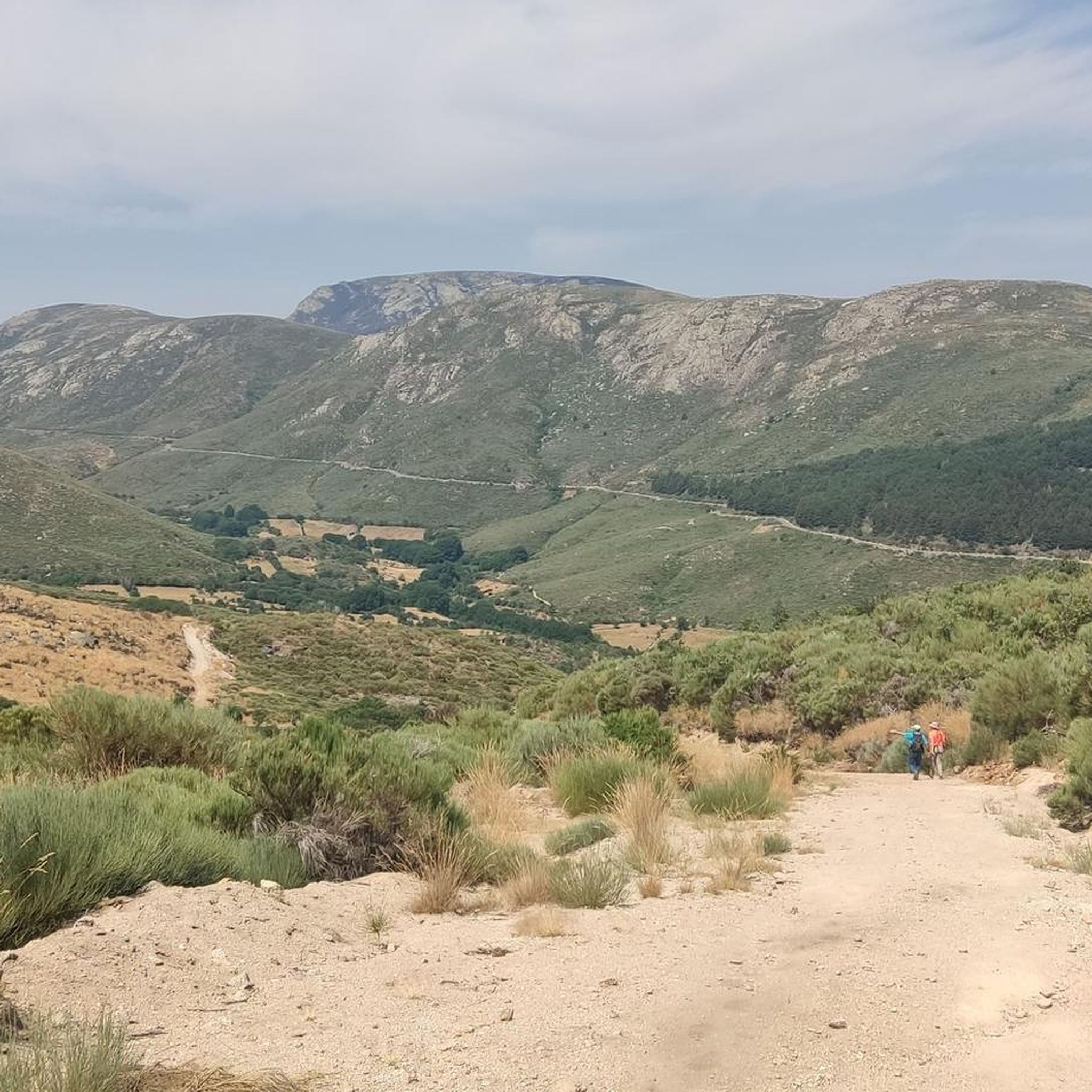
Cycling around Valle Del Tietar
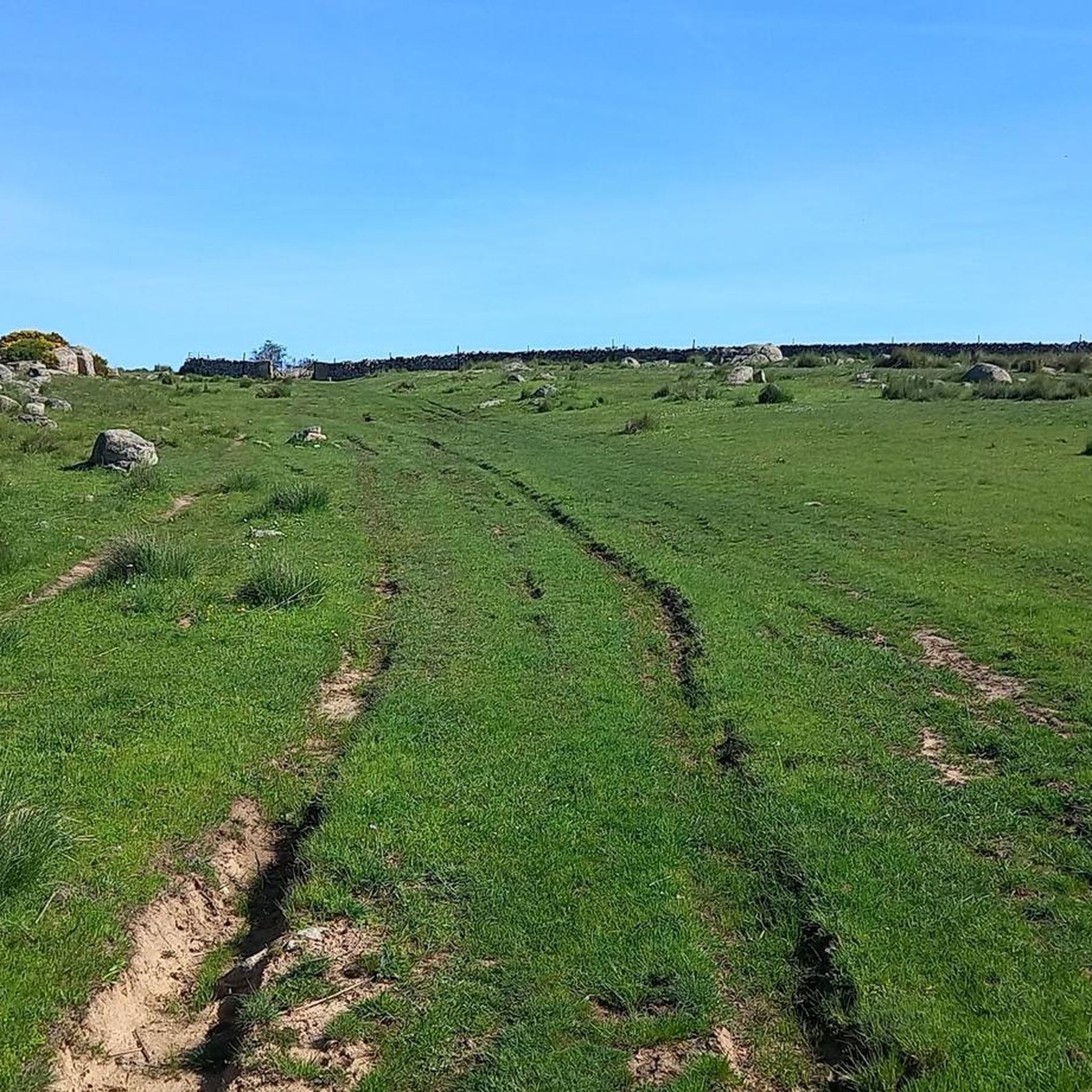
Cycling around Avila
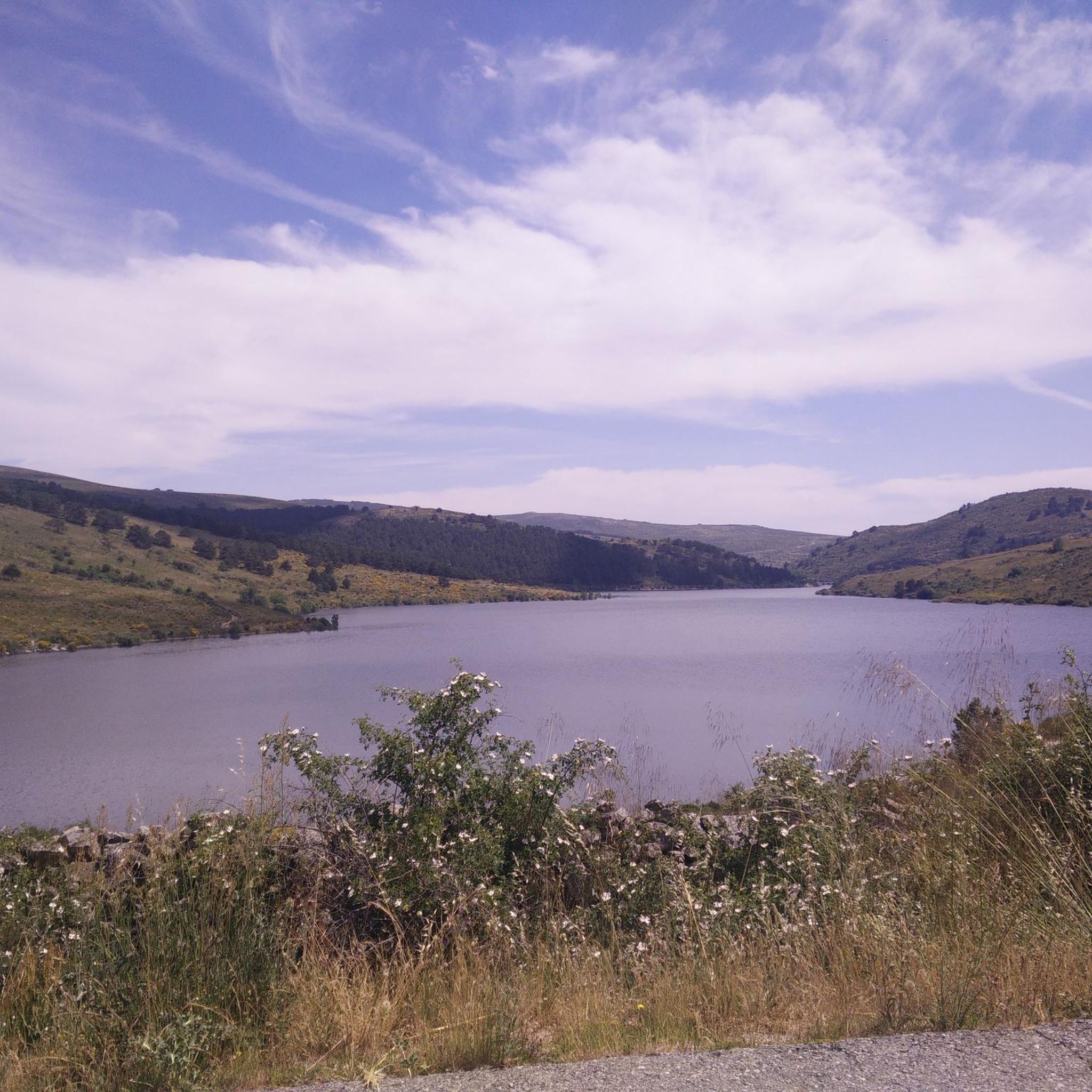
Cycling around Valle Bajo Alberche
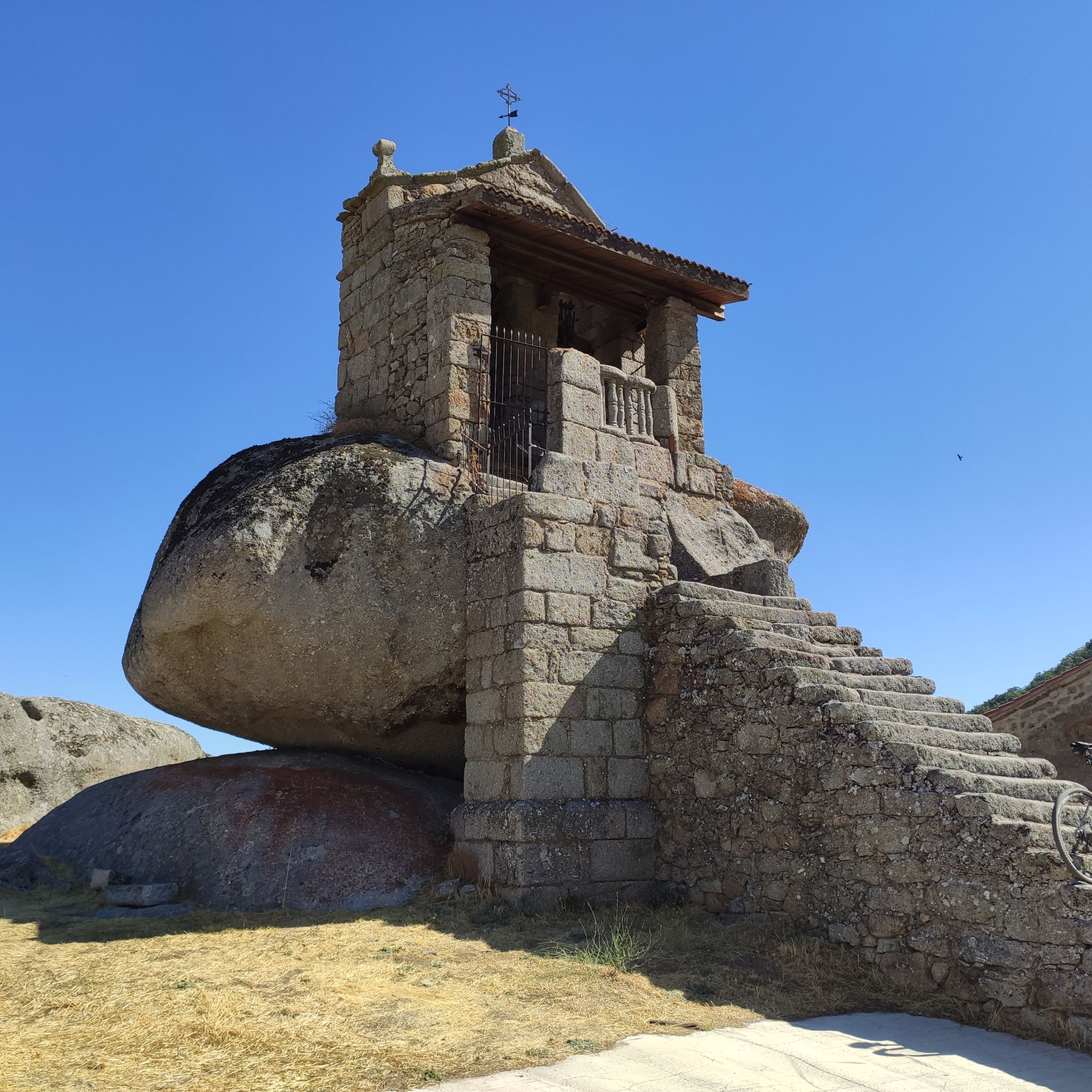
Cycling around Barco Avila-Piedrahita
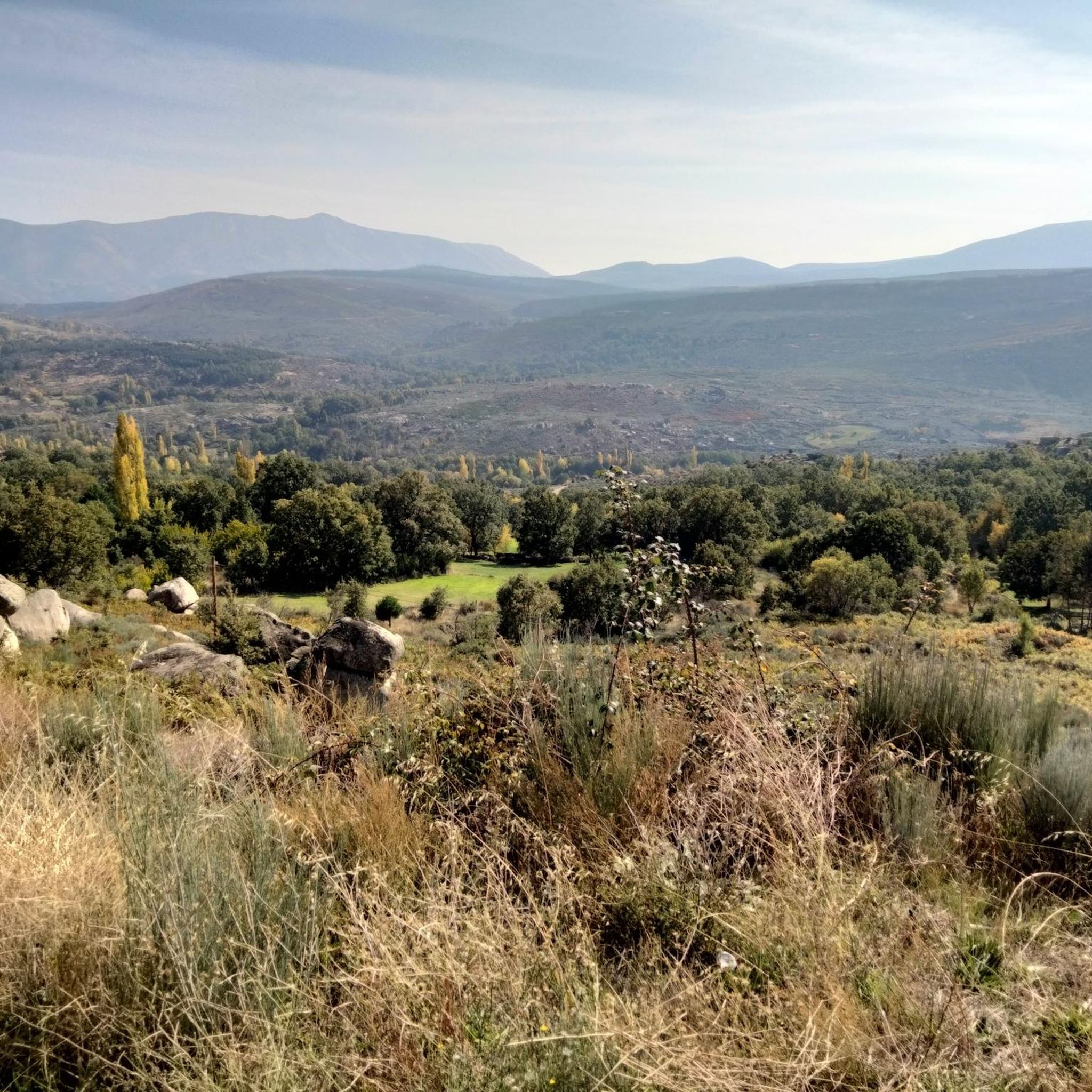
Cycling around Gredos
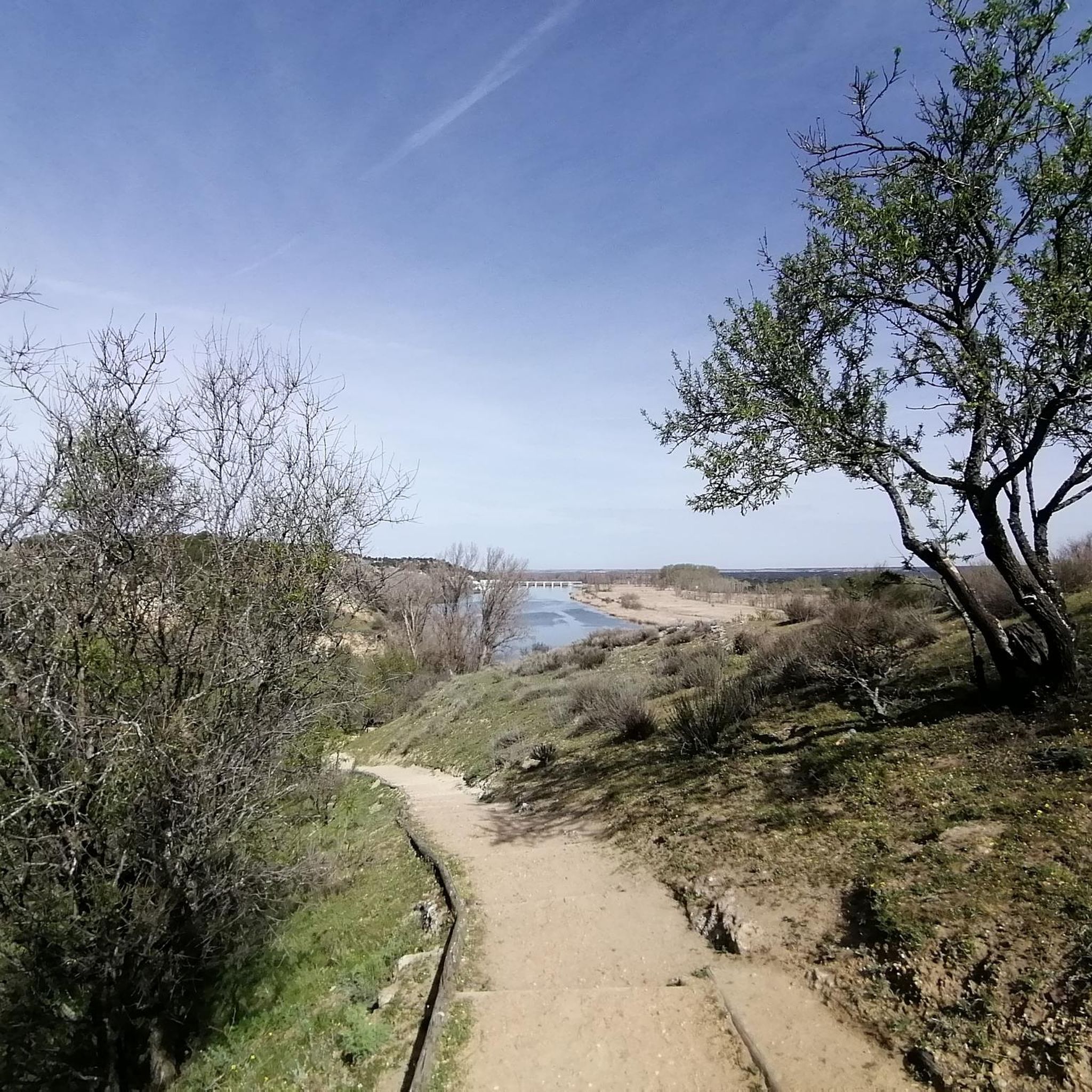
Cycling around Arevalo-Madrigal
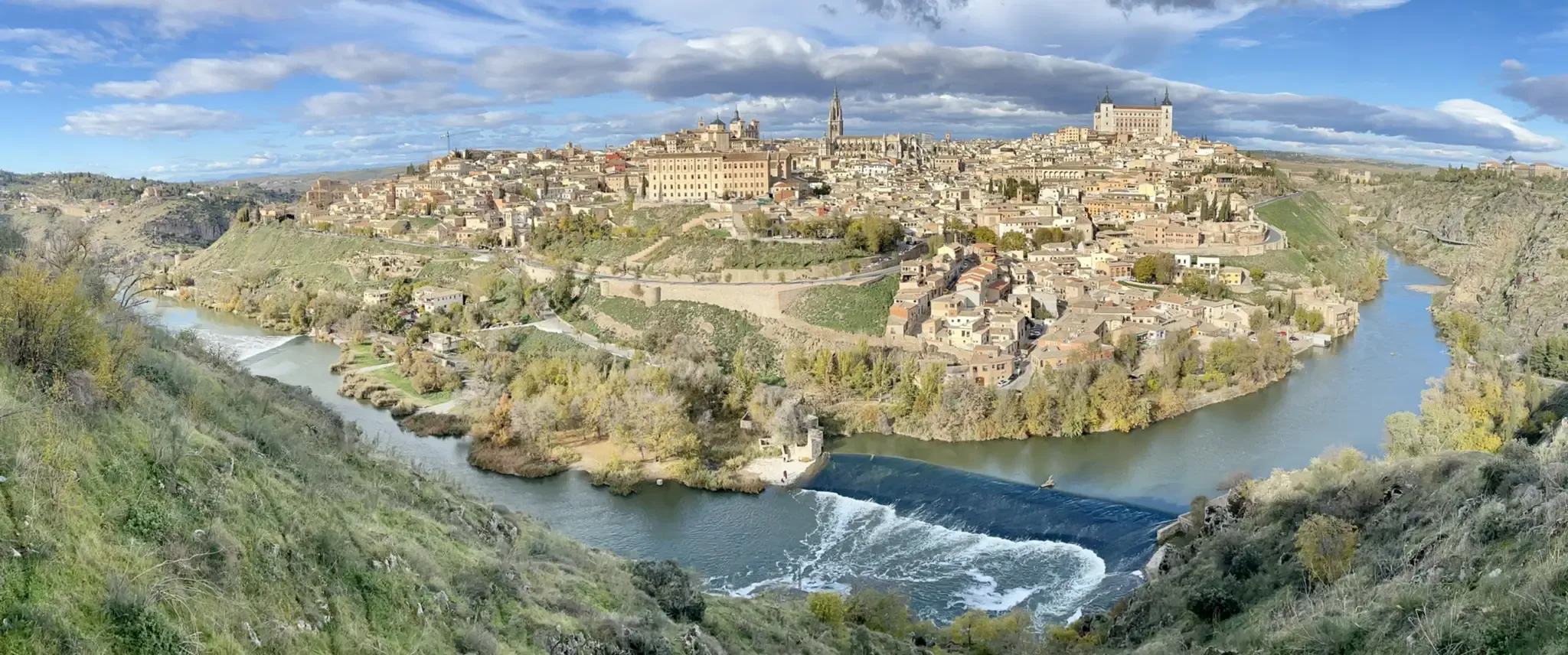
A journey to the interior of the Iberian Peninsula – Levante Way (GR 239)
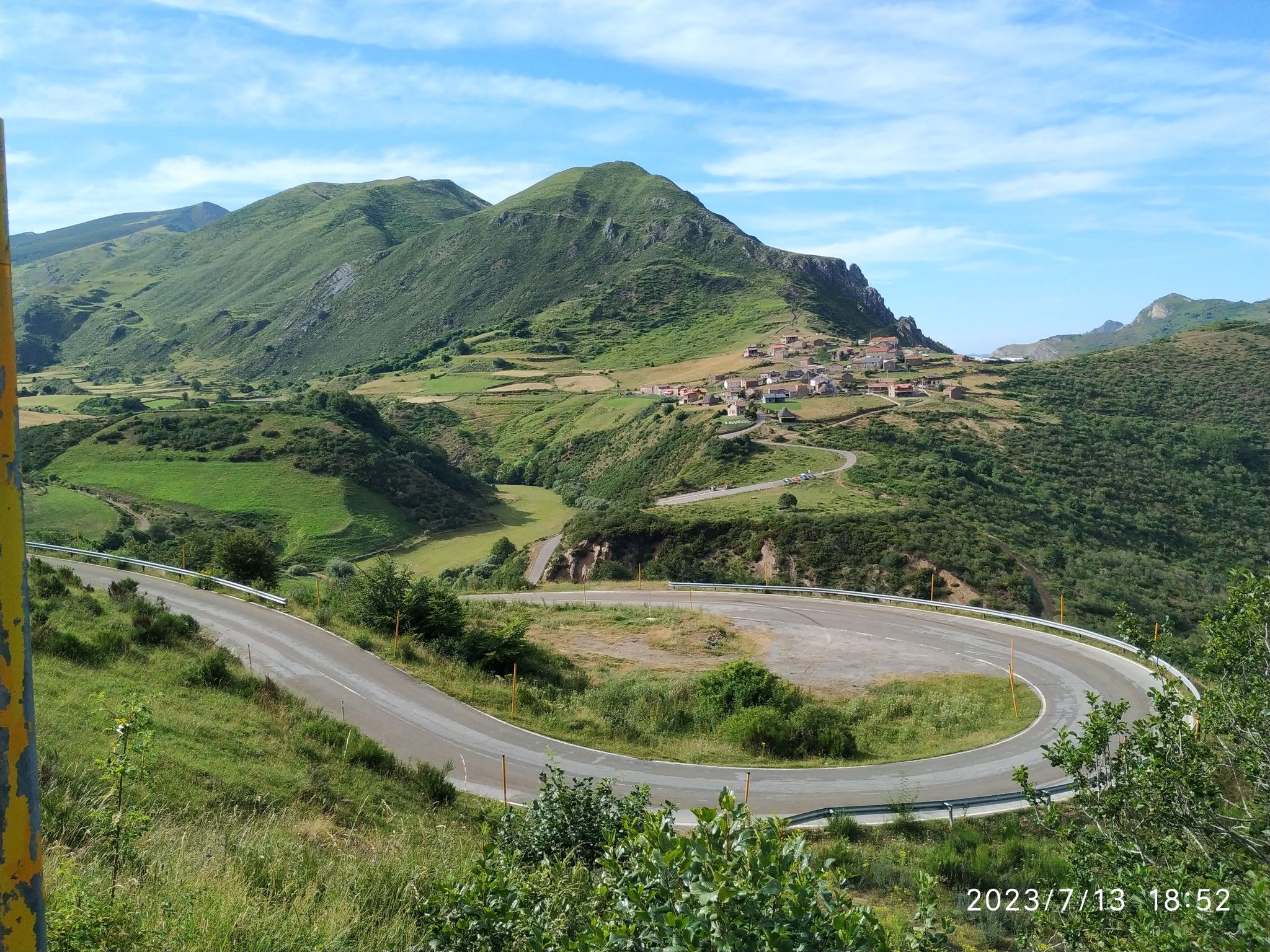
Height Challenges — Ports in Castilla y León
Monumental and Natural History — The Way of La Vera GR-111
9 mountain biking routes in undiscovered Spain
Other adventures in Ávila


Tips from the Community

On our tour from West to East Europe, started in 2023 in Lisbon and extended this year to Tirana in Albania, I can say that this section was indeed one of my personal highlights on the total of over 4,000 km across Europe. Komoot used the photos I took back then to create a highlight from them. Today I am happy to provide a text for it. Enjoy the "ride" through this fantastic landscape. Thank you Europe!!
0
0

The views of Mombeltrán Castle from the N-502 are truly spectacular, especially when coming from Arenas de San Pedro towards Ramacastañas. The castle stands atop a hill with the Sierra de Gredos mountains in the background, creating a very photogenic scene.
7
0
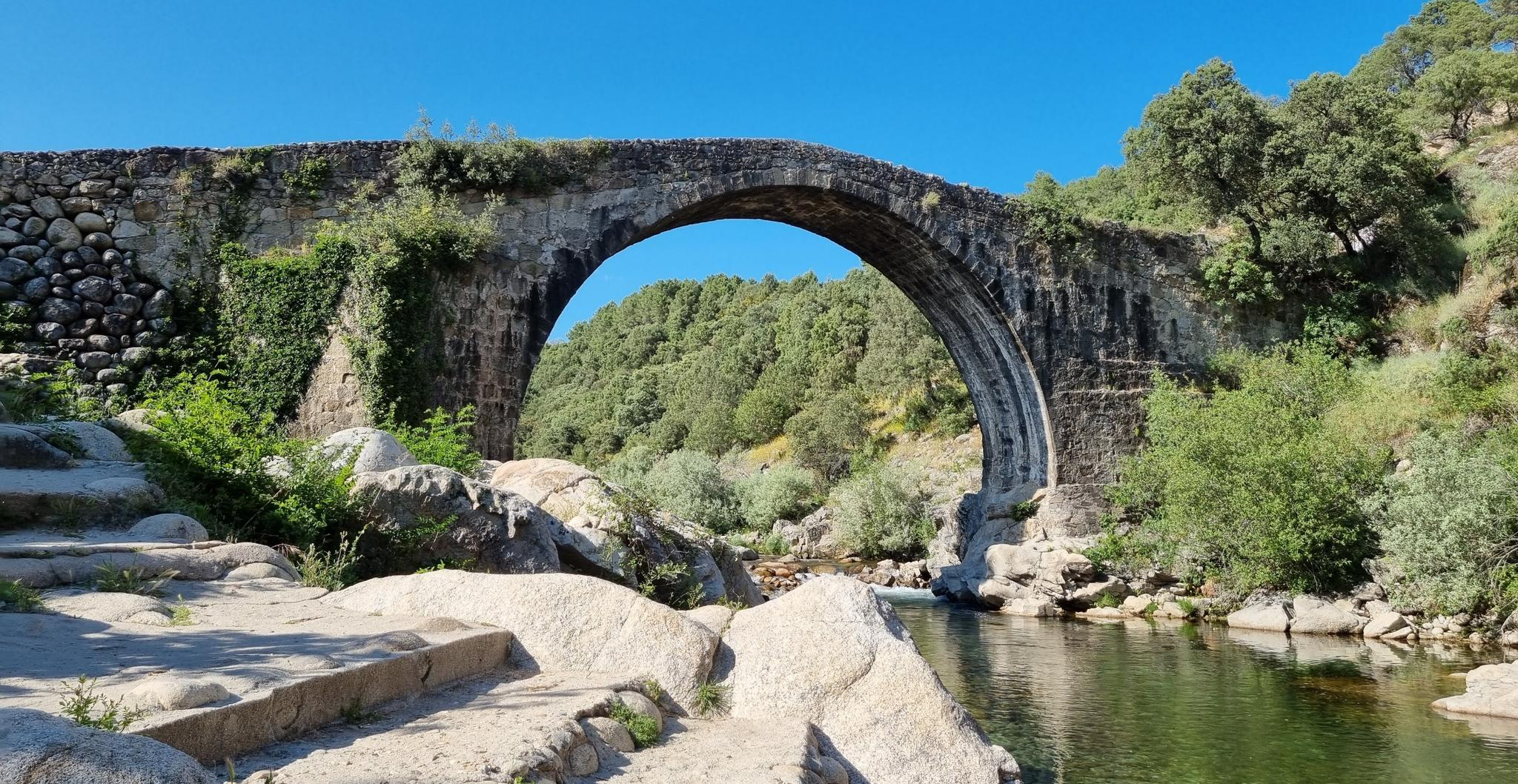
The Old Bridge of El Barco de Ávila, also known as the Medieval Bridge, is one of the most representative symbols of this town in Ávila. It crosses the Tormes River and connects the historic center with the old communication route to Castile and León. Although its current structure is medieval (12th–13th centuries), it is believed to have been built on Roman foundations.
2
0
Valdecorneja Castle, located in El Barco de Ávila, is a medieval gem that dominates the Tormes River valley from a strategic, elevated position. It is one of the most emblematic monuments in the province of Ávila and a must-see for history and architecture lovers.
2
0
The cathedral was built in the 12th century on the remains of an ancient mosque. It is the first Gothic cathedral in Spain. Its architecture fuses Romanesque, French Gothic, and Renaissance elements.
18
0

from the camper parking approx. 10km to the high plateau. with a considerable climb. doable with an e-bike. but once you arrive at the top, you find yourself in a magnificent, quiet and peaceful environment. wonderfully beautiful.
1
0


Built on a Vettonian fort that was destroyed by the Romans, it was built in the 12th century and rebuilt in the 14th century. After being conquered from the Arabs, King Alfonso VI donated the Lordship of Valdecorneja to his daughter and son-in-law, Ramon de Borgoña, for repopulation. At the beginning of the 14th century, Henry II of Trastamara donated these lands to the House of Alba in the person of Don García Álvarez de Toledo. The House of Alba was responsible for building the castle. Grand Duke Don Fernando Álvarez de Toledo had his second residence here. During the Peninsular War, it suffered significant deterioration, not only due to the war itself but also because its stones were used to build private homes. The old interior arcade (which apparently formed a double gallery on the inside of the tower) was dismantled and rebuilt to provide arcades for the town hall building, located in the Plaza Mayor. Between 1851 and 1904, the interior of the castle grounds was used as a municipal cemetery, which further deteriorated its condition. Today, the exterior is in perfect condition after restorations carried out in 1985 and 2004, preserving its original perimeter. The pavement and part of the keep were repaired. Access to the monument is free, and visitors can see the well located in the center of the courtyard, a vaulted cistern excavated in the subsoil rock, and the ancient windows and oriel windows with double pointed arches. The courtyard is used for certain cultural events held in this town.
1
0
Frequently Asked Questions
What types of landscapes can I expect to see while touring cycling in Ávila?
Ávila offers a diverse range of landscapes, from the rugged peaks and high-altitude valleys of the Sierra de Gredos Regional Park to the serene river Tormes valleys and open dehesa woodlands. You'll encounter varied hills, pine, chestnut, and oak forests, and parts of the Sistema Central mountain range, providing a dynamic and engaging cycling experience.
Are there touring cycling routes suitable for beginners in Ávila?
Yes, Ávila offers routes for all skill levels. While many routes feature challenging climbs, there are also easier options. For example, the From Plaza de San Esteban to Convento de Santa Teresa route is classified as easy, offering a gentle introduction to touring cycling in the region.
What are some notable historical or natural landmarks I can explore along touring cycling routes in Ávila?
Ávila is rich in landmarks. You can cycle past the historic Ávila City Walls, explore the Plaza del Mercado Chico, or discover the ancient Aquelcabos Medieval Bridge. Natural features include the Puerto de Casillas – Entrance to the Valle de Iruelas Nature Reserve and the impressive El Abuelo Chestnut Tree.
When is the best time of year for touring cycling in Ávila?
The best times for touring cycling in Ávila are spring (March to May) and autumn (September to November). During these seasons, temperatures are mild, the landscapes are vibrant, and you'll generally find fewer crowds, making for a more pleasant cycling experience.
Are there any circular touring cycling routes in Ávila?
Yes, many routes in Ávila are circular, allowing you to start and end in the same location. An example is the Embalse de Rosarito y Puente de Los Riveros — circular desde Candeleda, which offers scenic views around the reservoir.
What is the general difficulty level of touring cycling routes in Ávila?
Ávila's touring cycling routes range from easy to difficult. While there are nearly 30 easy routes, the majority are moderate (around 150) or difficult (over 300), often featuring demanding climbs, especially in the Sierra de Gredos. This variety ensures options for different fitness levels and preferences.
What do other touring cyclists say about their experience in Ávila?
The touring cycling routes in Ávila are highly rated by the komoot community, with an average score of 4.6 stars from over 80 reviews. Cyclists often praise the varied terrain, the stunning mountain scenery, and the opportunity to explore historical pathways and charming villages.
Can I find routes that combine historical sites with natural beauty?
Absolutely. Many routes in Ávila blend history with nature. For instance, the Castillo del Condestable Dávalos y piscina natural El Pelayos — circular desde Arenas de San Pedro route allows you to visit a historic castle and enjoy a natural swimming spot.
Are there any touring cycling routes that offer views of reservoirs or rivers?
Yes, several routes feature beautiful water views. The Ruta de las Esculturas, Embalse de Valtravieso y Castillo de Magalia — circular desde Navas del Marqués, for example, includes views of the Embalse de Valtravieso.
Are there any routes that pass through traditional villages or offer cultural insights?
Many touring cycling routes in Ávila incorporate charming mountain villages like Burgohondo, Navatalgordo, and Candelario. These villages, with their massive stone houses, offer a glimpse into local culture and ancient traditions. The Castillo de Cuéllar, San Esteban del Valle y Cruz del Rollo — circular desde Mombeltrán route is a great example, passing through San Esteban del Valle.
What kind of terrain can I expect on the touring cycling routes?
The terrain in Ávila is quite varied. While many routes are on paved surfaces, especially on quiet secondary roads, some segments, particularly in more challenging mountain areas like the Sierra de Gredos, may include unpaved sections or gravel, as seen on the Embalse del Burguillo — gravel circular by the río Alberche route.
Are there routes that lead to significant viewpoints?
Yes, the region is known for its magnificent viewpoints. The Pozo de las Paredes and Mirador del Circo de Gredos — circular from the parking of the Laguna de Gredos route, for instance, takes you to the stunning Mirador del Circo de Gredos, offering expansive vistas of the surrounding hills and mountains.
Most popular routes in Ávila
Most popular attractions in Ávila

Get inspired with the komoot mobile app


Didn’t find what you were looking for?
Check out more Cycling routes throughout Ávila below and find the perfect route in your destination.
Explore more
Browse the best Cycling routes in other regions.
