Top 4 Castles around Grandchamp
Best castles around Grandchamp offer a glimpse into centuries of history and architectural evolution across various French regions. The area features diverse landscapes, from the tranquil Eure River valley to the hillsides of the Seine, providing varied settings for these historical structures. Visitors can explore estates ranging from medieval fortresses to 18th-century châteaux, many set within expansive parks. This collection of castles highlights the rich cultural heritage and historical significance of the Grandchamp vicinity.
Best castles around Grandchamp
- The most…
Last updated: July 1, 2026
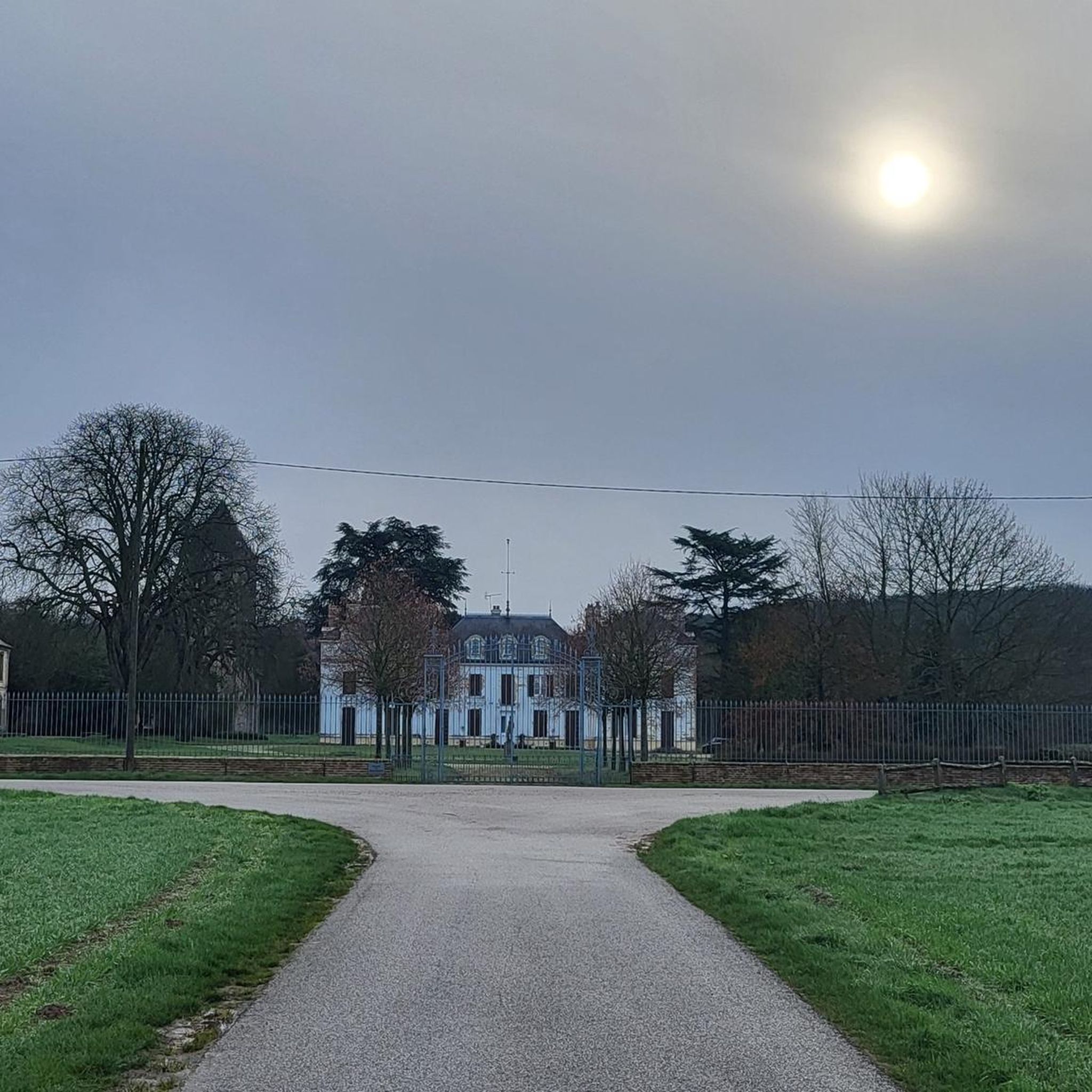
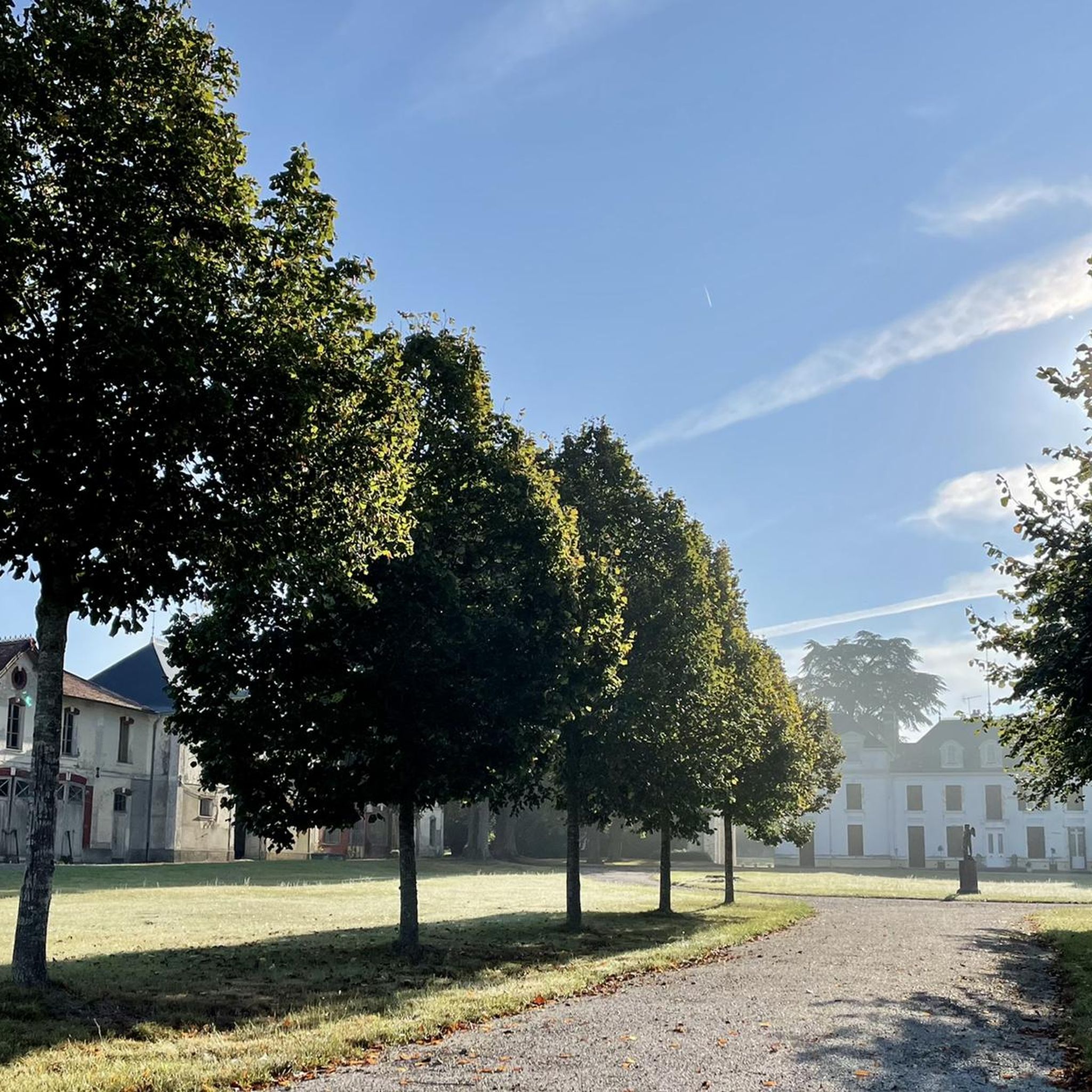
Château de Mormoulins
Highlight • Castle
Translated by Google •
Tip by

The Donjon of Houdan
Highlight • Castle
Translated by Google •
Tip by

Sign up now to discover places like this
Get recommendations on the best single tracks, peaks, & plenty of other exciting outdoor places.
Sign up for free
Nogent-le-Roi Castle
Highlight • Castle
Translated by Google •
Tip by
Chateau de Bourdonné
Highlight • Castle
Translated by Google •
Tip by

Remains of Fremont Castle
Highlight • Castle
Translated by Google •
Tip by

Sign up for free to discover even more castles around Grandchamp.
Sign up for free
Already have an account?
Start today with a free account
Your next adventure awaits.
Login or Signup


Tips from the Community

The Moulin de Mormoulins is a watermill located on the Eure River in the hamlet of Mormoulins. This mill dates back to the 18th and 19th centuries and is a listed historical monument. You can admire the old stone building, the wooden wheel, and the canal that diverts water from the river as you pass in front of the mill. The mill is surrounded by green fields and trees, creating a peaceful and relaxing atmosphere.
0
0

Built at the end of the 12th century by the Counts of Montfort and listed as a Historic Monument since 1889, the Houdan Tower was used to watch for enemies and defend the territory. The Keep consists of a 15 m diameter and 21 m high tower, flanked by four turrets of the same height located at the four cardinal points. From the 16th century until the French Revolution, the Keep served as a prison, and executions took place at the foot of the Tower. The first water reservoir was installed in the tower in 1880. The second, built in 1952, is still visible. Tours are available on certain days.
0
0

The castle of Nogent-le-Roi dates from the 15th century and was built by Pierre de Brézé, close advisor to King Charles VII1. You will be able to admire the neo-Louis XIII style of the current building, built in 1863 by Alfred Chapelain, and discover the remains of the medieval fortress, such as the surrounding wall and the two square towers. You can also run in the magnificent park surrounding the castle, where there is an old windmill which was used to pump water during the Second Empire. The park is open to the public every day from 8 a.m. to 8 p.m. and hosts various exhibitions and events throughout the year. The Château de Nogent-le-Roi is an ideal destination for a refreshing and cultural run.
2
0
The castle of Nogent-le-Roi dates from the 15th century and was built by Pierre de Brézé, a close adviser to King Charles VII1. You can admire the neo-Louis XIII style of the current building, built in 1863 by Alfred Chapelain, and discover the remains of the medieval fortress, such as the surrounding wall and the two square towers. You can also enjoy the magnificent park that surrounds the castle, where there is an old windmill that was used to pump water during the Second Empire. The park is open to the public every day from 8 a.m. to 8 p.m. and hosts various exhibitions and events throughout the year. The Château de Nogent-le-Roi is an ideal destination for a relaxing and cultural hike.
2
0

Very nice windmill, especially in good weather!
0
0

Monument dating from the end of the 12th century
1
0

The Tower (commonly called "The Dungeon"), built in the 12th century under the reign of the Counts of Montfort, and classified as a Historic Monument since 1840, had the function of watching out for enemies and defending the territory. But in reality, it mainly had a dissuasive role since it was reputed to be impregnable. Built on the site of an old Merovingian necropolis, it originally consisted of an enclosure and a main tower. The enclosure, which has now disappeared, had a circular turret intended for the defense of the gate. The access door, located 4 meters from the ground then raised in the 15th century to 6 meters, was the only access to the large room on the 1st floor reserved for the military chief. It was accessed via a drawbridge.
0
0
Frequently Asked Questions
What historical periods do the castles around Grandchamp represent?
The castles in the Grandchamp area offer a journey through various historical periods. You can find structures with origins dating back to the 10th century, such as parts of the Château de Mormoulins, alongside 12th-century defensive strongholds like The Donjon of Houdan. There are also 15th-century castles like Nogent-le-Roi Castle, and later estates from the 17th, 18th, and 19th centuries, showcasing diverse architectural styles from medieval fortresses to neo-Louis XIII designs.
Are there family-friendly castles to visit near Grandchamp?
Yes, several castles in the area are suitable for families. Nogent-le-Roi Castle is explicitly noted as family-friendly, featuring a magnificent park that is open to the public. The Remains of Fremont Castle, with its surviving walls and towers, also offers an accessible historical experience for families.
What kind of natural settings can I expect around the castles?
The castles around Grandchamp are often nestled in picturesque natural environments. For example, the Château de Mormoulins is situated on the Eure River, surrounded by green fields and trees, creating a peaceful atmosphere. Other castles are set within expansive parks, offering opportunities for leisurely strolls and enjoying the landscape.
What outdoor activities can I do near these castles?
The region around Grandchamp offers various outdoor activities. You can find numerous hiking trails, including moderate routes like the 'Unobstructed view – Carrefour du Haut Planet loop' or the 'Remarkable tree - ONF loop'. For cyclists, there are road cycling routes such as the 'Adainville Church – Neuville Castle loop'. If you prefer running, explore running trails like the 'Château de la Boissière loop'.
Are there any castles with significant historical monument status?
Yes, several castles in the area hold significant historical monument status. The Château de Mormoulins is a listed historical monument. The Donjon of Houdan, dating from the late 12th century, has been classified as a Historic Monument since 1840. Additionally, Chateau de Bourdonné and its chapel were classified as historical monuments in 1946, with its outbuildings, moat, and park classified in 1989.
What is the best time of year to visit the castles around Grandchamp?
While specific opening hours vary by castle, visiting during spring or autumn generally offers pleasant weather for exploring the grounds and parks. The region's castles, like Nogent-le-Roi Castle with its magnificent park, are particularly enjoyable when the foliage is vibrant or in bloom. Winter visits might offer a different, quieter perspective, though some outdoor areas or specific castle sections might have reduced access.
Can I visit the interior of all castles, or are some only viewable from the exterior?
Access varies by castle. For instance, the main courtyard (Avant Cour) of the Château de Grandchamp in Yonne is open to the public year-round for exterior viewing. Other sites, like Nogent-le-Roi Castle, have parks open to the public, while the interior access might be limited or require specific tour times. The Donjon of Houdan offers tours on certain days. It's advisable to check the specific castle's website for current visitor information.
Are there any castles that were used as prisons?
Yes, The Donjon of Houdan, originally a defensive structure from the late 12th century, served as a prison from the 16th century until the French Revolution. Executions also took place at its foot during that period.
What unique architectural features can be found among the castles?
The castles display a range of unique architectural features. The Château de Mormoulins features an old stone building with a wooden water wheel and canals from its mill origins. The Donjon of Houdan is notable for its 15-meter diameter, 21-meter high tower flanked by four turrets at the cardinal points. Nogent-le-Roi Castle showcases a neo-Louis XIII style building alongside remains of a medieval fortress.
What do visitors particularly enjoy about the castles around Grandchamp?
Visitors appreciate the rich history and diverse architectural styles of the castles, ranging from medieval keeps to 18th-century châteaux. The peaceful settings, such as the green fields around Château de Mormoulins and the magnificent park at Nogent-le-Roi Castle, are also highly valued. The opportunity to explore historical monuments and imagine centuries of stories is a key draw.
Are there any castles with connections to famous historical figures or families?
Yes, some castles have notable historical connections. Nogent-le-Roi Castle was built by Pierre de Brézé, a close advisor to King Charles VII. The Château de Mormoulins was once owned by the Receiver General of Finance of Picardy, brother-in-law of Madame de Pompadour. The Donjon of Houdan was built under the Counts of Montfort.
Are there any castles that are still privately owned or have been adapted for modern use?
Yes, some castles remain in private hands or have found new purposes. The Château de Grandchamp in Yonne has been continuously owned by the same family since 1869. The Domaine de Grandchamp in Le Pecq, Yvelines, a 1925 construction with a classical Louis XVI style, is currently undergoing renovation to create apartments, blending historical architecture with modern living.
Most popular routes around Grandchamp
Most popular attractions around Grandchamp

Get inspired with the komoot mobile app


Explore more
Looking for the best castles somewhere else? Discover other guides around Grandchamp:
