Attractions and Places To See around Halles-Sous-Les-Côtes - Top 8
Best attractions and places to see around Halles-Sous-Les-Côtes include a range of historical sites and natural features. This rural commune in the Meuse department of France is situated at the foot of the Côtes de Meuse. The area is characterized by its well-preserved 19th-century architecture and varied terrain, including plains and hillsides. Visitors can explore landmarks, traditional village streets, and nearby natural points of interest.
Best attractions and places to see around Halles-Sous-Les-Côtes
- The most popular attractions is Pershing Bridge…
Last updated: July 14, 2026
Pershing Bridge of Dun-sur-Meuse
Highlight • Bridge
The upper town was largely destroyed during the First World War.
This bridge over the …
Translated by Google •
Tip by

Murvaux
Highlight • Settlement
Translated by Google •
Tip by

Sign up now to discover places like this
Get recommendations on the best single tracks, peaks, & plenty of other exciting outdoor places.
Sign up for free
Path Along the Canal in Stenay
Highlight (Segment) • Cycleway
Translated by Google •
Tip by

Church of Our Lady of Good Guard
Highlight • Other
Translated by Google •
Tip by
Beer Museum
Highlight • Restaurant
Translated by Google •
Tip by
Sign up for free to discover even more attractions around Halles-Sous-Les-Côtes.
Sign up for free
Already have an account?
Start today with a free account
Your next adventure awaits.
Login or Signup
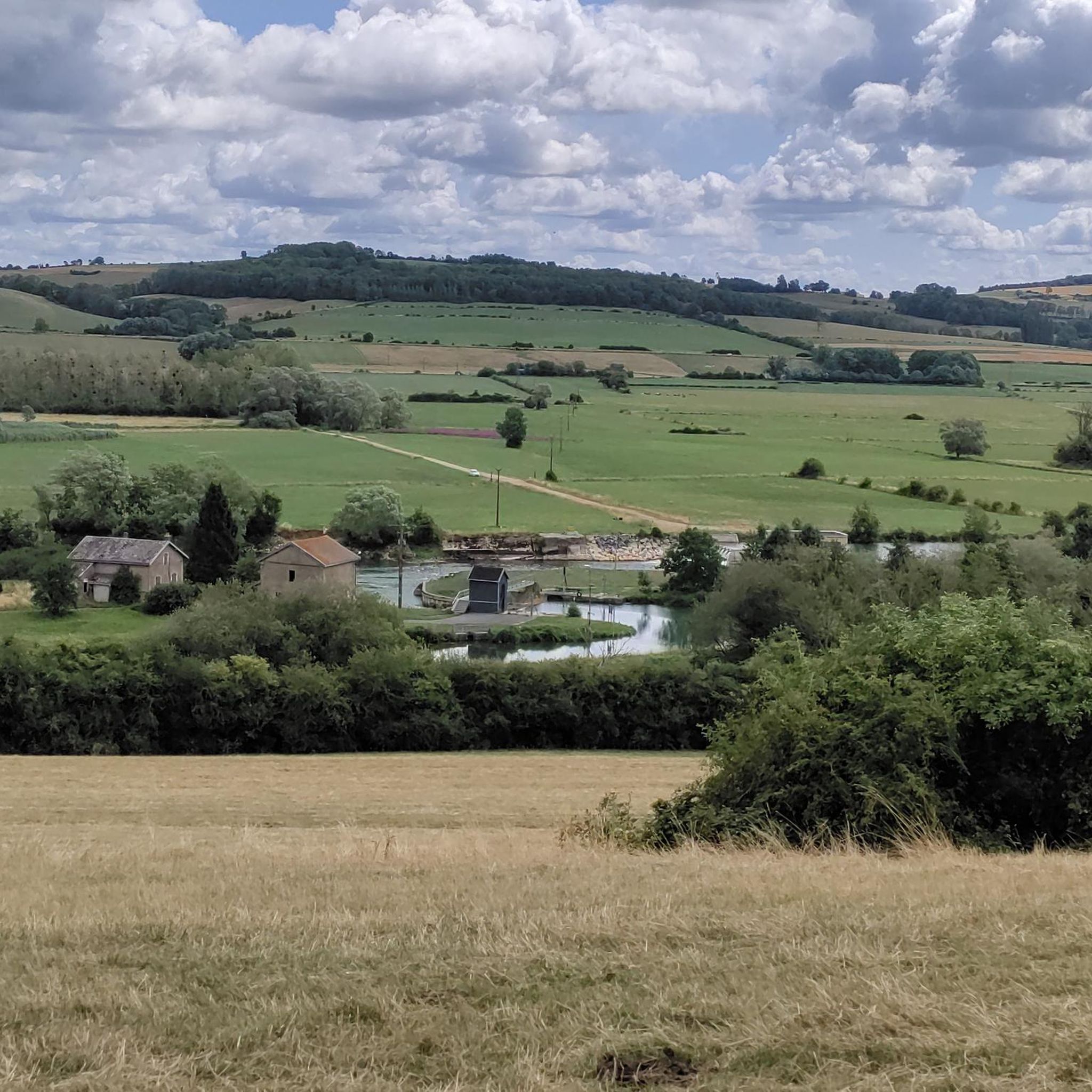

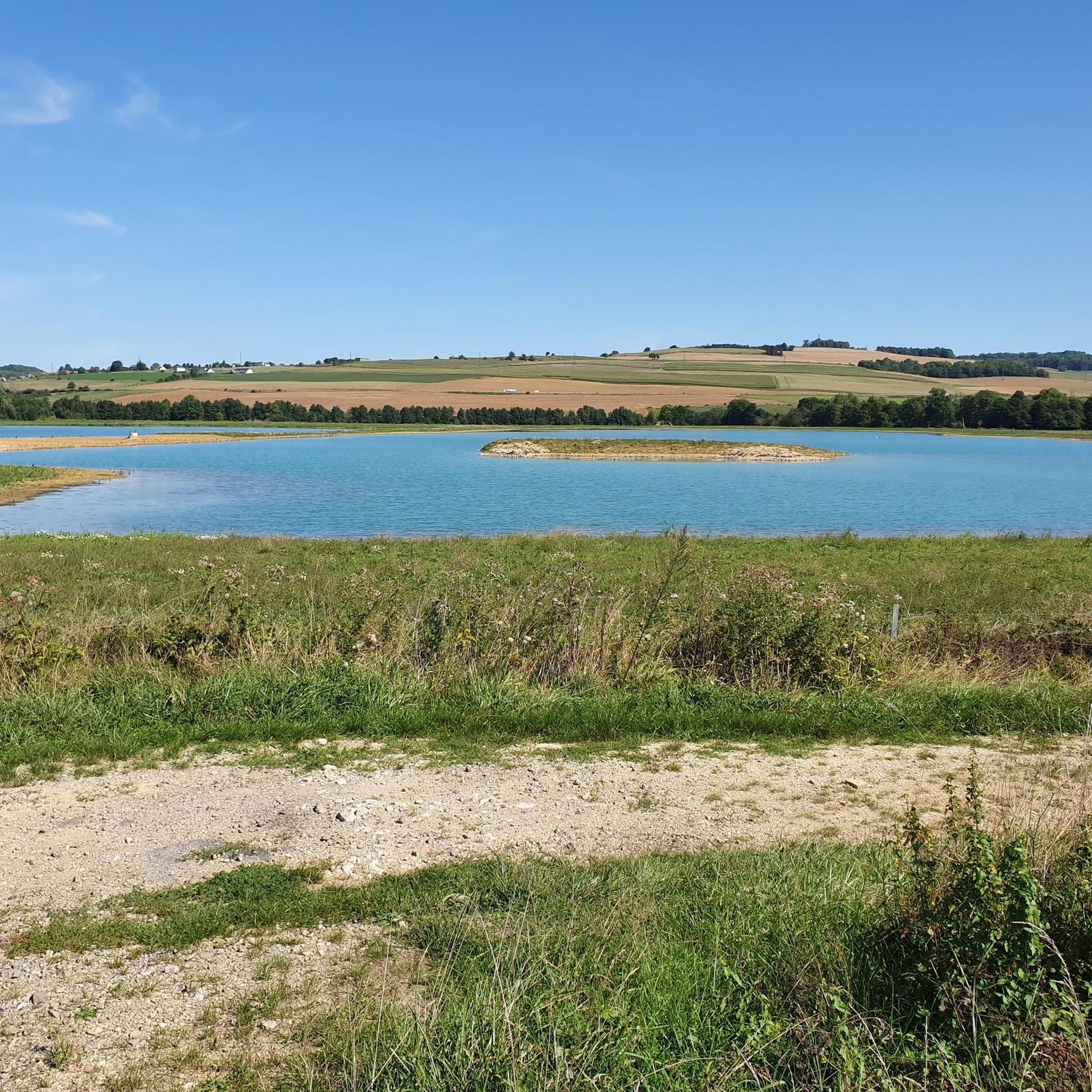


Tips from the Community

If you want to stay overnight, Moulin de Cygne is highly recommended
0
0

Dun-sur-Meuse is a French commune in the Meuse department, in the Lorraine region. During the First World War, the upper city was largely destroyed. This bridge over the Meuse is one of the most beautiful monuments of this type in France. There are bronze balustrades on both sides of the bridge, with designs in the center and engraved plaques. It reminds French citizens and others, who will cross the bridge for years to come, of the passage of the Meuse. The crossing of the Meuse by the 5th Division was commanded by General John Pershing.
6
0
Murvaux is a small village in the Meuse, in the Grand Est region. It has a rich history and beautiful nature. Here are some places of interest to visit in Murvaux: *The church of Murvaux: This church dates from the 12th century and has a Romanesque style. It is a historical monument since 1926. You can admire the beautiful stained glass windows, the wooden altar and the bell tower. *The Murvaux laundry service: This is an old public wash house that used to be used by the villagers to wash their clothes. It was built in the 19th century and has a stone roof. It is located on the edge of a stream and surrounded by greenery. *The old presbytery of Murvaux: This is a large stone house that used to be the residence of the village's parish priest. It was built in the 18th century and has a typical Lorraine architecture. It is now a private residence, but you can still see it from the outside.
6
0
Located within the fortification built from the 10th century overlooking the town, this massive church was built in 1346 by the Lords of Apremont. After centuries of conflict, it remains today the only surviving monument in the upper town. Classified as a historical monument, this jewel of ogival architecture has an organ case and rich 18th century furniture, as well as two masterful sculptures by the contemporary artist Ipoustéguy: the "Death of Bishop Neumann" and the "Christ" . This building is part of the European “Open Churches” network.
5
0
It was built in 1346 in the upper town and has been listed as a monument since 1920. It is in the radiant gothic style. The church contains furniture also classified as a historical monument: a tombstone on the north wall (classified MH in 1913), a wooden organ case from the 17th century, badly damaged during the First World War (classified as M.H. in 1913), an 18th-century wooden altarpiece, located in the Chapel of the Dead in the south wall; a Virgin and Child is set up in the central niche and we also see a pelican opening its belly to feed its young (listed as M.H. in 1913), an 18th century wooden pulpit (classified M.H. in 1936). a marble and bronze sculpture of Ipoustéguy Death of Bishop John Neumann, created in 1976 and installed in 2001.
6
0
It was built in 1346 in the upper town and has been listed as a historical monument since 1920. It is in the Gothic Rayonnant style. The church contains furnishings that are also listed as historical monuments: a tombstone on the north wall (listed as a historic monument in 1913), a wooden organ case from the 17th century, badly damaged during the First World War (listed as a historic monument in 1913), a wooden altarpiece from the 18th century, located in the Chapel of the Dead in the south wall; a Virgin and Child is installed in the central niche and we can also see a pelican opening its belly to feed its young (listed as a historic monument in 1913), a wooden pulpit from the 18th century (listed as a historic monument in 1936). a marble and bronze sculpture by Ipoustéguy Death of Bishop John Neumann, created in 1976 and installed in 2001.
2
0

Dun-sur-Meuse is a French commune located in the department of Meuse, in the Lorraine region. The upper town was largely destroyed during the First World War. This bridge over the Meuse is one of the most beautiful monuments of this type in France. There are bronze balustrades on both sides of the bridge, with designs in the center and inscribed plaques. It reminds French citizens and others, who will cross the bridge for years to come, of the passage of the Meuse. The crossing of the Meuse by the 5th Division was commanded by General John Pershing. It was one of the most brilliant military exploits of the American army on French territory.
2
0

Over 50,000 exhibits await every beer lover here in the former citadel of Stenay. The ensemble also includes a publicly accessible garden and a restaurant where you can not only taste a wide variety of 🍻 🍺.
0
0
Frequently Asked Questions
What historical landmarks can I explore in and around Halles-sous-les-Côtes?
Halles-sous-les-Côtes and its surroundings are rich in history. You can visit the impressive Pershing Bridge of Dun-sur-Meuse, a significant monument commemorating a WWI military exploit. Within the village, explore the historic Église Saint-Barthélemy with its Black Madonna statue and the distinctive Lavoir, a well-preserved 19th-century wash house. The nearby village of Murvaux also offers historical sites like its 12th-century church and an old public wash house.
Are there any cultural sites or museums nearby?
Yes, for a unique cultural experience, you can visit the Beer Museum in Stenay, which houses over 50,000 exhibits related to the history of beer. It's easily accessible via the Path Along the Canal in Stenay.
What natural attractions or scenic viewpoints are there?
The region offers beautiful natural settings. You can enjoy promenades through the village's gardens and orchards, leading towards the hillsides. The Grotte de Notre-Dame de Montserrat, located at the foot of a hillside near a spring, is a serene natural spot. The varied terrain of Halles-sous-les-Côtes, with its plains and hills, provides picturesque landscapes for exploration.
What kind of outdoor activities can I do near Halles-sous-les-Côtes?
The area is great for various outdoor activities. You can find numerous routes for mountain biking, road cycling, and running. For MTB enthusiasts, explore trails like the 'Small Bench loop from Mouzay' or the 'Beer Museum loop from Stenay' which you can find in the MTB Trails around Halles-Sous-Les-Côtes guide. Road cyclists can enjoy routes such as the 'Eurovélo 19 – Glide along the Meuse loop from Stenay' from the Road Cycling Routes around Halles-Sous-Les-Côtes guide.
Are there any family-friendly attractions or activities?
Many attractions in the area are suitable for families. The Pershing Bridge of Dun-sur-Meuse and the Beer Museum are listed as family-friendly. Additionally, the village's well-preserved architecture and the promenades through gardens offer pleasant, easy walks for all ages. The Path Along the Canal in Stenay is also wheelchair accessible, making it suitable for families with strollers.
What is the best time of year to visit Halles-sous-les-Côtes?
The region is charming throughout the year. Spring and summer are ideal for enjoying outdoor activities like cycling and walking through orchards. The annual pilgrimage to the Grotte de Notre-Dame de Montserrat takes place on the first Sunday of September, offering a unique cultural experience. The well-preserved village architecture can be appreciated in any season.
Where can I find walking or running routes near the attractions?
You can find several walking and running routes in the vicinity. The Running Trails around Halles-Sous-Les-Côtes guide features options like the 'Running loop from Mouzay' or 'Running loop from Stenay'. The village itself offers pleasant promenades through its gardens and towards the Grotte de Notre-Dame de Montserrat.
Are there any unique architectural features to see in the village?
Halles-sous-les-Côtes is renowned for its coherent and well-preserved 19th-century architecture. You can admire characteristic houses, including former winegrowers' and peddlers' homes, along with carved and dated door lintels. The Lavoir on the central square is a particularly striking example of the village's historic charm.
What is the significance of the Church of Our Lady of Good Guard?
The Church of Our Lady of Good Guard, built in 1346, is a magnificent example of radiant Gothic style. It is listed as a historical monument and contains valuable furnishings, including an 18th-century altarpiece and a 17th-century wooden organ case. It also features contemporary sculptures by Ipoustéguy, making it a significant site for art and history enthusiasts.
Can I learn about the region's industrial past?
Yes, in the surrounding forest, you can discover the vestiges of 19th-century ironworks installations. These remnants offer a fascinating glimpse into the region's industrial heritage and provide an interesting point of interest during a walk.
Are there any accessible attractions for visitors with mobility needs?
The Path Along the Canal in Stenay is listed as wheelchair accessible, offering a pleasant route with views along the canal. While specific accessibility details for all sites are not available, the flat sections of the village and its promenades may also be suitable for some visitors with mobility needs.
What do visitors enjoy most about the attractions around Halles-sous-les-Côtes?
Visitors appreciate the blend of historical sites, cultural landmarks, and natural beauty. The well-preserved architecture of the village, the historical significance of sites like the Pershing Bridge, and the serene natural paths are frequently highlighted. The community has shared 7 photos and given 27 upvotes, indicating a positive experience with the diverse offerings.
Most popular routes around Halles-Sous-Les-Côtes

Get inspired with the komoot mobile app


Explore more
Still not found the Highlight you’re looking for? See guides of the top attractions in other regions:
