Attractions and Places To See around Château - Top 20
Attractions and places to see around Château encompass a region rich in history and natural features, offering a diverse range of experiences. This area is characterized by significant cultural landmarks, including ancient monastic sites and historical residences. Visitors can explore a landscape that blends historical architecture with opportunities for outdoor activities. The region provides a variety of attractions for those interested in history, culture, and exploring hidden gems.
Best attractions and places to see around Château
- The most popular attractions…
Last updated: May 9, 2026
Cluny
Highlight • Settlement
Translated by Google •
Tip by

Tunnel du bois clair
Highlight • Other
Translated by Google •
Tip by

Sign up now to discover places like this
Get recommendations on the best single tracks, peaks, & plenty of other exciting outdoor places.
Sign up for free
Sainte-Marie-Madeleine Church
Highlight • Other
Translated by Google •
Tip by

Church of Reconciliation
Highlight • Other
Translated by Google •
Tip by
Lamartine House
Highlight • Historical Site
Translated by Google •
Tip by

Sign up for free to discover even more attractions around Château.
Sign up for free
Already have an account?
Start today with a free account
Your next adventure awaits.
Login or Signup

Tips from the Community

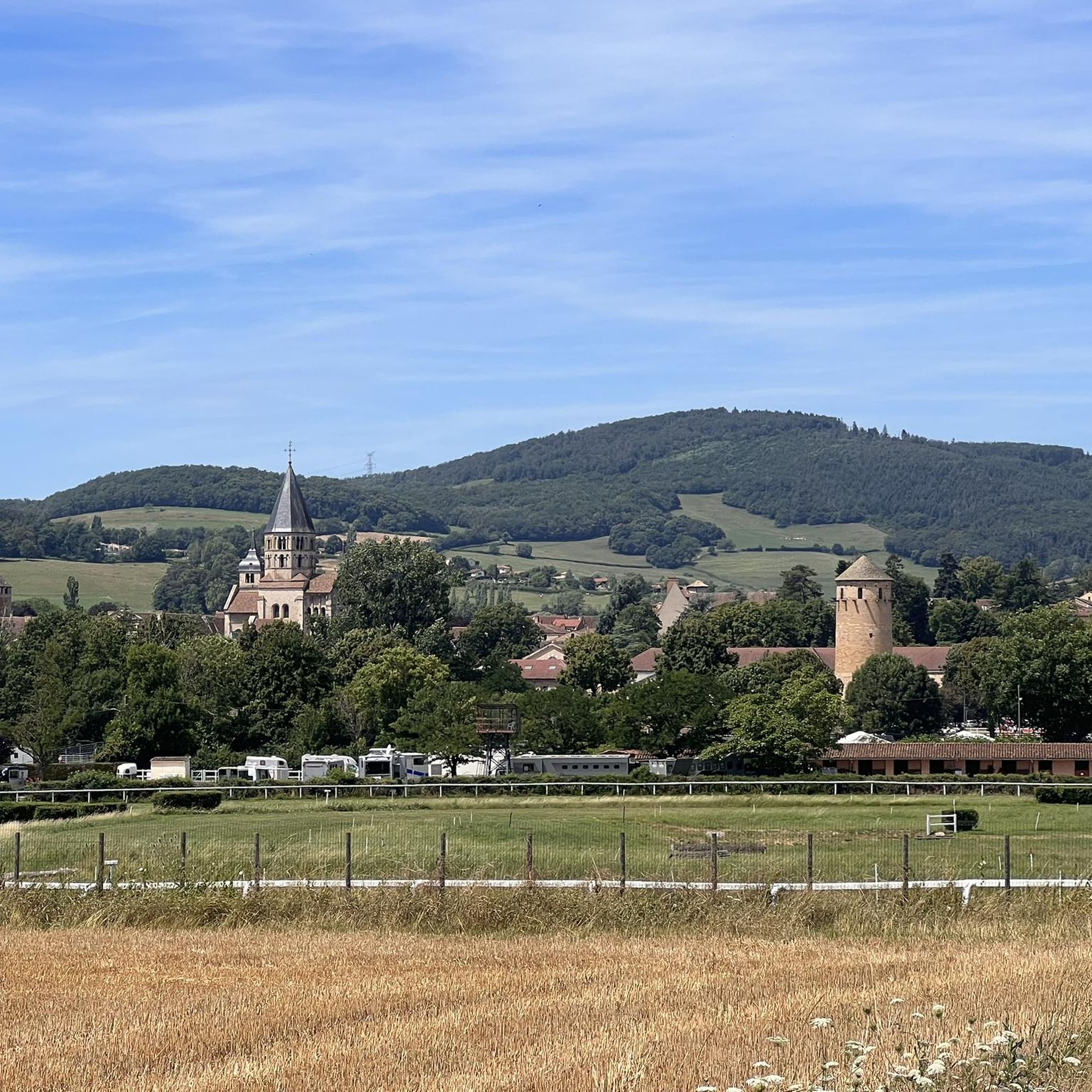
In the Middle Ages, the abbey was one of the most influential spiritual and cultural centers in Europe. Cluny was the mother house of the Cluniac Reform and headed a federation of over 1,200 monasteries. The third abbey church (Cluny was the largest church in the Christian world until the construction of St. Peter's Basilica in Rome). Of the once-mighty complex, only parts of the southern transept remain today, as the abbey was largely used as a quarry and demolished after the French Revolution.
0
0

very beautiful hike Very shaded and very pleasant
0
0
The Church of Reconciliation is the spiritual center of the Taizé Community. A simple, spacious structure without interior fittings, which deliberately dispenses with any pomp.
2
0

The town of Cluny was based on the Benedictine monastery (Cluniac Abbey), founded in 910. The abbey was the starting point and center of the Cluniac reform at the beginning of the 10th century. Cluny reached its peak membership at the beginning of the 12th century with approximately 400 monks. The last abbey church (Cluniac 3) was the world's largest Romanesque basilica and, until the construction of today's St. Peter's Basilica in Rome, the largest church in Christendom. The church had seven towers. Although large parts of the building were destroyed, the remaining relics are absolutely remarkable and make a visit to Cluny an unforgettable experience!
1
0

The Tunnel du Bois Clair is a former railway tunnel and at 1.6 km the longest tunnel in France now open to a greenway. It takes 4 to 6 minutes to cross by bike, 6 to 10 minutes on rollerblades and 15 to 20 minutes on foot, horse riders are not allowed to pass. The temperature is around 11 °C. There is a lighting system, but it is best to bring extra lighting on your bike... As this tunnel is home to protected species of bats, it is closed during hibernation (from October to April). In this case, a route is offered to bypass the tunnel, taking the circular trail n°14 (4 km, level: expert). A picnic area is located above the tunnel if you are coming via Cluny.
0
1

Please note that the Bois Clair tunnel has closing periods: https://www.cluny-tourisme.com/visites-incontournables/le-tunnel-du-bois-clair/#ouverture If it is closed you will have to go through the Bois Clair pass which has the same name but not the same height difference. Good luck!
0
0

This tunnel is impressive in its length!
0
0

The poet Alphonse de Lamartine spent his childhood and adolescence in this house built by his great-grandfather in 1705. This 19th century author and politician left his mark on France, notably through his fight for the abolition of slavery, the decree of which he signed in 1848, when he was head of the Provisional Government.
1
0
Frequently Asked Questions
What historical and cultural sites can I visit around Château?
The region around Château is rich in history. You can explore the significant relics of the Benedictine monastery at Cluny, once home to the world's largest Romanesque basilica. Another notable site is the Sainte-Marie-Madeleine Church, the original place of worship for the Taizé community and the final resting place of its founder, Frere Roger. Additionally, the Lamartine House offers insight into the life of the influential 19th-century poet and politician Alphonse de Lamartine.
Are there any unique natural features or outdoor attractions in the Château area?
Yes, the area features the Tunnel du bois clair, which is the longest bicycle tunnel in Europe, stretching 1600 meters. It offers a unique experience for cyclists and is generally open from April 14th to June 30th. Many châteaux in the broader region, particularly in the Loire Valley, are also surrounded by extensive and beautifully landscaped gardens and parklands, providing natural beauty to explore.
What kind of outdoor activities can I do near the attractions around Château?
The region offers various outdoor activities. For cyclists, the Tunnel du bois clair is a must-visit. You can find numerous routes for road cycling, gravel biking, and running. For detailed routes and guides, explore the Road Cycling Routes around Château, Gravel biking around Château, and Running Trails around Château guides.
Are there family-friendly attractions around Château?
The Lamartine House is categorized as family-friendly, offering a historical experience. The Tunnel du bois clair provides a fun and unique cycling experience suitable for families. Many châteaux in the wider region, like those in the Loire Valley, often have extensive grounds and gardens that children can enjoy exploring.
What is the significance of the Taizé community in the Château area?
The Taizé community has a strong presence in the area. You can visit the Sainte-Marie-Madeleine Church, the original village church where the community's founder, Frere Roger, is buried. Nearby, the Church of Reconciliation was built by the Brotherhood of Taizé, emphasizing their mission of reconciliation between peoples and denominations. This modern church also features a shop selling handicrafts made by the brothers.
What is the best time to visit the Château area for outdoor activities?
For cycling enthusiasts, the Tunnel du bois clair is open from April 14th to June 30th, making late spring and early summer ideal for experiencing this unique attraction. Generally, spring and early autumn offer pleasant weather for exploring historical sites and engaging in outdoor activities like running and cycling, avoiding the peak heat of summer or colder winter months.
Can I find places to eat or drink near the attractions?
While specific cafes are not detailed for each highlight, the town of Cluny, being a settlement with historical significance, would offer options for dining and refreshments. Many châteaux in the broader region, especially those that are popular tourist destinations, often have on-site or nearby cafes and restaurants.
What makes Cluny a significant historical site?
Cluny is historically significant as the center of the Cluniac reform movement in the 10th century, based around its Benedictine monastery. The abbey church, known as Cluny III, was the world's largest Romanesque basilica until the construction of St. Peter's Basilica in Rome. Although much of the original structure was destroyed, the remaining relics offer a remarkable glimpse into its past grandeur.
Are there any specific tips for visiting the Lamartine House?
The Lamartine House is open from May 20th to September 30th. It was the childhood home of Alphonse de Lamartine, a key figure in 19th-century French literature and politics, known for his role in the abolition of slavery. Paid visits are organized, and more information can typically be found on its dedicated website.
What do visitors particularly enjoy about the attractions around Château?
Visitors appreciate the rich historical depth, particularly the ancient monastic sites like Cluny and the spiritual significance of the Taizé community's churches. The unique experience of cycling through the Tunnel du bois clair is also highly rated. The blend of historical architecture with opportunities for outdoor activities is a key draw for many.
Are there any less crowded attractions or hidden gems in the area?
While the main highlights are well-known, exploring the smaller villages surrounding the major sites can reveal charming, less crowded spots. The Sainte-Marie-Madeleine Church, as the old village church of Taizé, offers a simpler, more intimate historical experience compared to the larger Church of Reconciliation. Additionally, the extensive parklands and gardens associated with many châteaux often have quieter corners to discover.
Most popular routes around Château

Get inspired with the komoot mobile app


Explore more
Still not found the Highlight you’re looking for? See guides of the top attractions in other regions:
