Attractions and Places To See around Buffières - Top 20
Attractions and places to see around Buffières, a village in the Saône-et-Loire department of Burgundy-Franche-Comté, France, offer a mix of historical sites and natural landscapes. Situated between the Mountains of Suin and the Massif of Cluny, the area provides diverse opportunities for exploration. Visitors can discover ancient architecture and extensive walking and cycling trails.
Best attractions and places to see around Buffières
- The most popular attractions is Voie verte of Southern Burgundy, a cycle way that offers a flat…
Last updated: July 6, 2026
Cluny
Highlight • Settlement
Translated by Google •
Tip by

Tunnel du bois clair
Highlight • Other
Translated by Google •
Tip by

Sign up now to discover places like this
Get recommendations on the best single tracks, peaks, & plenty of other exciting outdoor places.
Sign up for free
Suin Hill
Highlight • Summit
Translated by Google •
Tip by

Cluny Abbey
Highlight • Historical Site
Translated by Google •
Tip by

Bois clair tunnel
Highlight (Segment) • Other
Translated by Google •
Tip by

Sign up for free to discover even more attractions around Buffières.
Sign up for free
Already have an account?
Start today with a free account
Your next adventure awaits.
Login or Signup


Tips from the Community

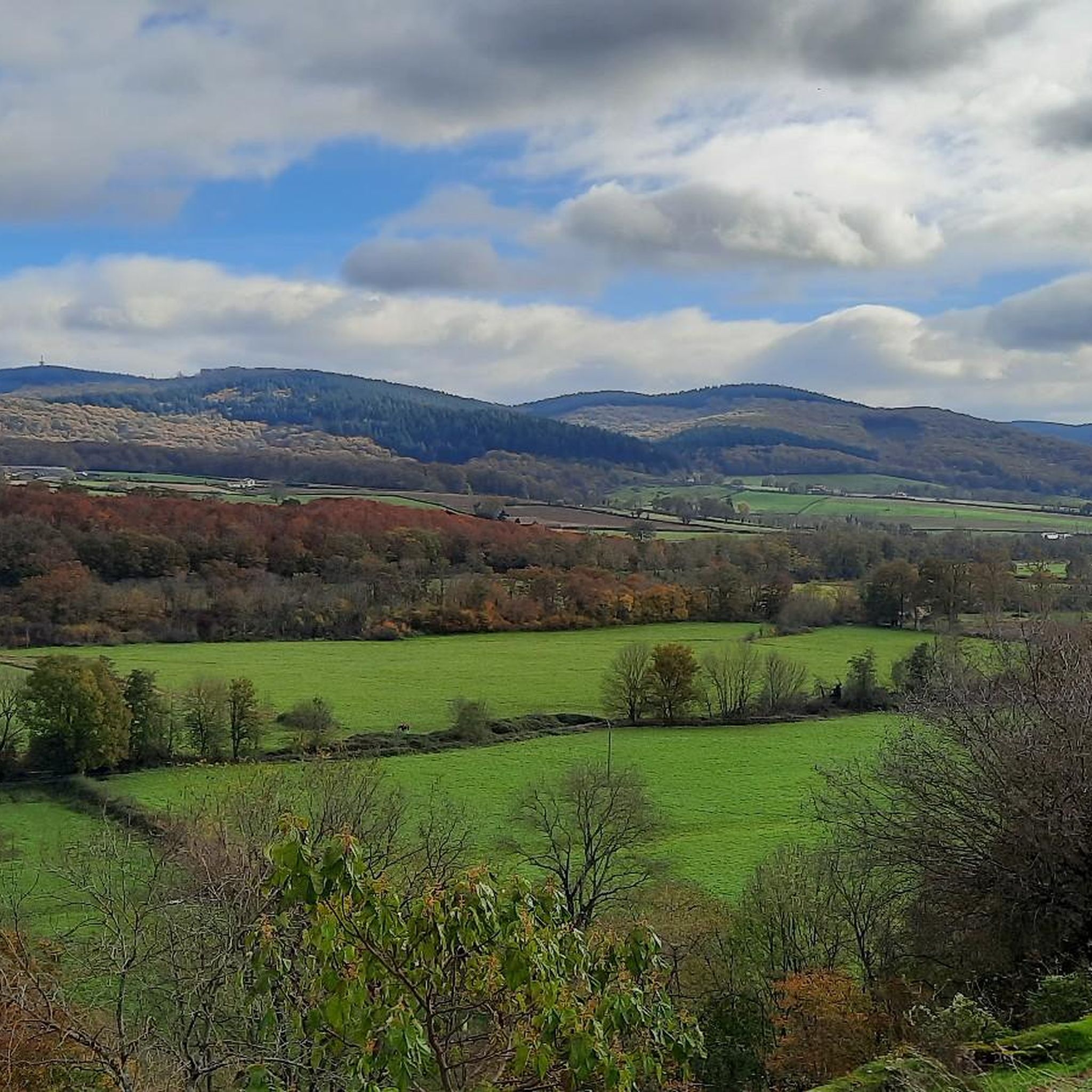
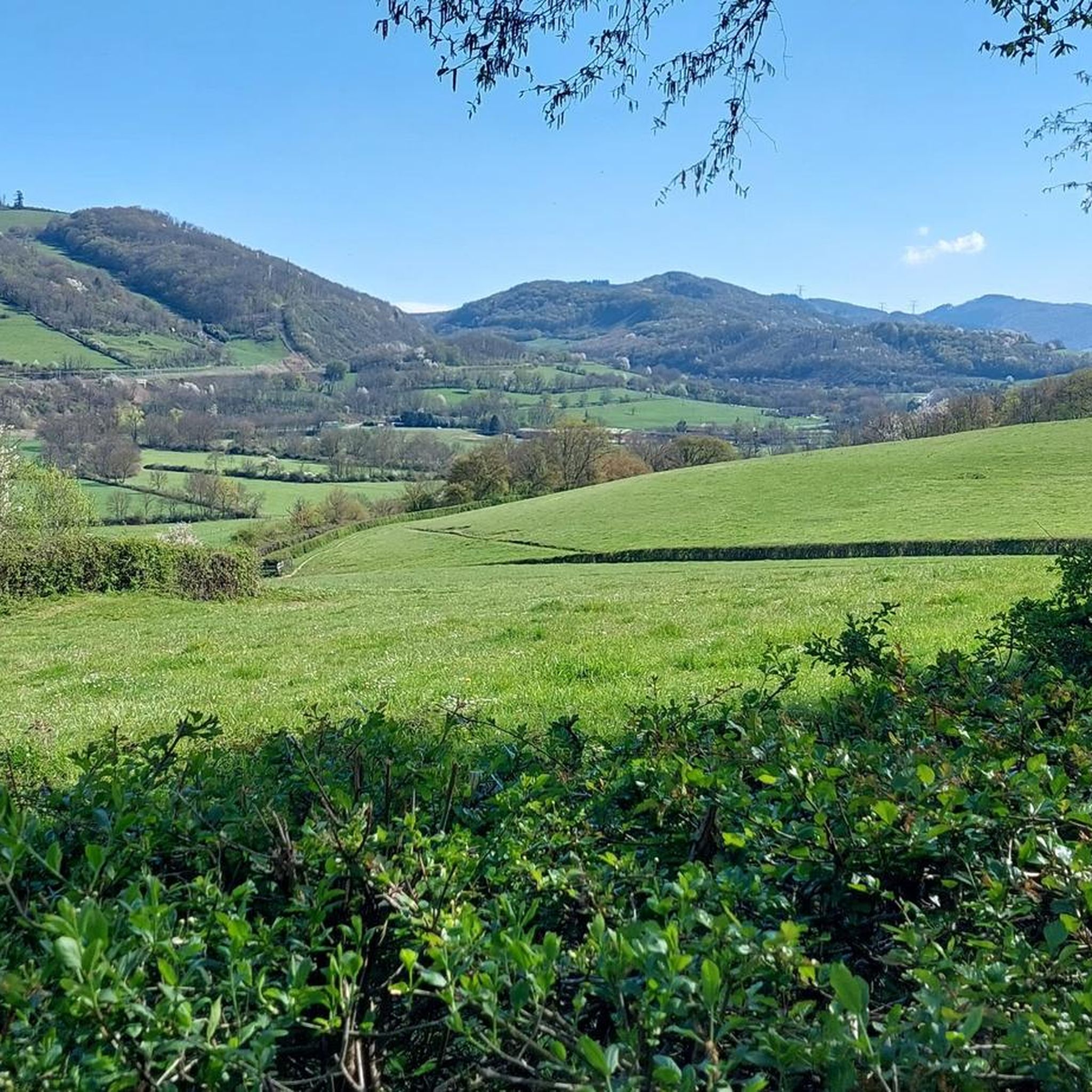
La Butte de Suin is a 593-meter-high viewpoint hill in the Saône-et-Loire department, near the small French municipality of Suin. From the summit, there is an impressive 360-degree panoramic view. In clear weather, you can look far over the hilly landscapes of Southern Burgundy (including the Charolais and Clunysois regions, and as far as Beaujolais). At the summit, there is a striking statue of the Virgin Mary, an orientation table for hikers, and the remains of an old fortress that was used from the Celtic period until the 16th century.
0
0
In the Middle Ages, the abbey was one of the most influential spiritual and cultural centers in Europe. Cluny was the mother house of the Cluniac Reform and headed a federation of over 1,200 monasteries. The third abbey church (Cluny was the largest church in the Christian world until the construction of St. Peter's Basilica in Rome). Of the once-mighty complex, only parts of the southern transept remain today, as the abbey was largely used as a quarry and demolished after the French Revolution.
1
0

The town of Cluny developed around the Benedictine monastery (Abbey of Cluny) founded in 910. The abbey was the origin and center of the Cluniac reform at the beginning of the 10th century. Cluny reached its peak membership at the beginning of the 12th century with about 400 monks. The last abbey church (Cluny 3) was the world's largest Romanesque basilica and, until the construction of the present-day St. Peter's Basilica in Rome, the largest church in Christendom. The church had seven towers. Although large parts of the structure were destroyed, the remaining relics are absolutely remarkable and make a visit to Cluny an unforgettable experience!
2
0

The town of Cluny was based on the Benedictine monastery (Cluniac Abbey), founded in 910. The abbey was the starting point and center of the Cluniac reform at the beginning of the 10th century. Cluny reached its peak membership at the beginning of the 12th century with approximately 400 monks. The last abbey church (Cluniac 3) was the world's largest Romanesque basilica and, until the construction of today's St. Peter's Basilica in Rome, the largest church in Christendom. The church had seven towers. Although large parts of the building were destroyed, the remaining relics are absolutely remarkable and make a visit to Cluny an unforgettable experience!
2
0

The Tunnel du Bois Clair is a former railway tunnel and at 1.6 km the longest tunnel in France now open to a greenway. It takes 4 to 6 minutes to cross by bike, 6 to 10 minutes on rollerblades and 15 to 20 minutes on foot, horse riders are not allowed to pass. The temperature is around 11 °C. There is a lighting system, but it is best to bring extra lighting on your bike... As this tunnel is home to protected species of bats, it is closed during hibernation (from October to April). In this case, a route is offered to bypass the tunnel, taking the circular trail n°14 (4 km, level: expert). A picnic area is located above the tunnel if you are coming via Cluny.
0
1

Founded in 910, Cluny Abbey was a powerful centre of the Benedictine order and influenced the spiritual and cultural life of all of Europe at its height. Today, although much of the abbey was destroyed during the French Revolution, you can still explore the remaining parts of the vast complex, including the majestic bell tower and restored cloister.
2
0

Please note that the Bois Clair tunnel has closing periods: https://www.cluny-tourisme.com/visites-incontournables/le-tunnel-du-bois-clair/#ouverture If it is closed you will have to go through the Bois Clair pass which has the same name but not the same height difference. Good luck!
0
0

Frequently Asked Questions
What historical and cultural sites can I explore in and around Buffières?
Buffières itself features a Romanesque and Gothic church with 12th-century murals currently undergoing restoration, as well as a private castle and a restored wash house. Nearby, you can visit the historic town of Cluny, home to the renowned Cluny Abbey, once the largest Romanesque basilica. Other notable sites include the 17th-century Château de Cormatin and the historic Berzé Castle.
What is the significance of Cluny Abbey and what can I see there?
Cluny Abbey was a Benedictine monastery founded in 910 and a central point of the Cluniac reform. Its abbey church was once the world's largest Romanesque basilica. Although much of it was destroyed, the remaining relics and foundations are remarkable. The town of Cluny, which grew around the abbey, also hosts the Haras National de Cluny (National Stud Farm).
What cycling opportunities are available around Buffières?
The region is excellent for cycling, especially along the Voie Verte of Southern Burgundy, a scenic greenway suitable for all fitness levels. This route includes the Tunnel du Bois Clair, France's longest bicycle tunnel. For more challenging rides, explore the various road cycling routes available, such as the "Beautiful cycle path – Tour Ronde de Cluny loop" or "Cormatin Castle – Chapaize Church loop." You can find detailed routes on the Road Cycling Routes around Buffières guide.
Are there good hiking trails for different skill levels near Buffières?
Yes, Buffières is known for its beautiful walking trails, situated between the Mountains of Suin and the Massif of Cluny. The GR 76 long-distance hiking trail also passes through the village. You can find routes ranging from easy to difficult, such as the "View from Mont Saint-Cyr – Suin Hill loop" or the shorter "Suin Hill loop." Discover more options on the Hiking around Buffières guide.
What is the Tunnel du Bois Clair and when is it open?
The Tunnel du Bois Clair is a 1.6-kilometer-long former railway tunnel, now part of the Voie Verte, making it France's longest bicycle tunnel. It is typically open from April to June. It serves as a hibernation site for a protected bat population, so it is closed between October and April, with a diversion available via route 14 (Cluny road and D17) during that period.
Can I find family-friendly activities in the Buffières area?
Absolutely. The Voie Verte of Southern Burgundy offers flat, shaded sections perfect for family cycling. Many easy hiking routes are also available, such as the "Suin Hill loop." Additionally, the region features an educational farm, providing an interactive experience for children.
What natural features or scenic viewpoints can I explore near Buffières?
Buffières is nestled between the picturesque Mountains of Suin (reaching 602 meters) and the Massif of Cluny, offering beautiful landscapes. You can explore various walking trails that lead to scenic spots. The "View from Mont Saint-Cyr" is a popular viewpoint accessible via hiking trails, providing panoramic vistas of the surrounding countryside.
What is the best time of year to visit Buffières for outdoor activities?
The spring (April to June) and late summer/early autumn are ideal for outdoor activities. During spring, the Tunnel du Bois Clair is open, and the weather is pleasant for cycling and hiking. The Voie Verte offers shaded sections, making it enjoyable even in warmer months.
Are there any unique cultural experiences or 'hidden gems' to discover?
Beyond the major attractions, Buffières is known for its local crafts, including porcelain potters. The village church, with its Romanesque and Gothic elements and 12th-century murals, offers a glimpse into local history. The restored wash house also adds to the village's charm. The nearby Taizé Community is a well-known ecumenical monastic order that attracts pilgrims from around the world, offering a unique spiritual experience.
Are there options for dining or refreshments near the attractions?
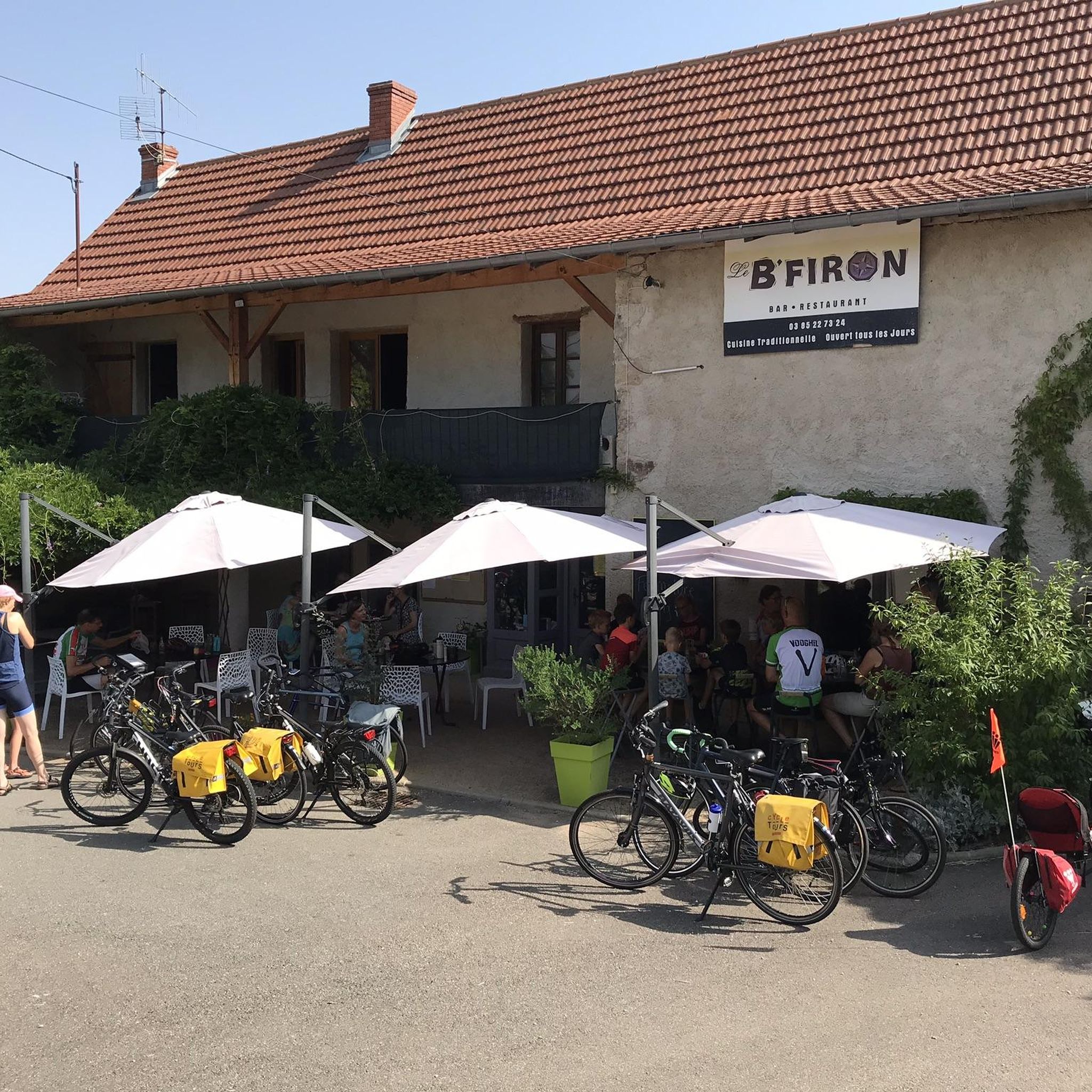
While Buffières is a small village, the nearby town of Cluny offers a selection of cafes, pubs, and restaurants. Along the Voie Verte and in other nearby villages, you may find local establishments to stop for refreshments.
Is Buffières accessible by public transport?
Public transport options directly to Buffières may be limited. It is generally recommended to travel by car to fully explore the village and its surrounding attractions. However, local bus services might connect to larger towns like Cluny, from which further arrangements would be needed.
Most popular routes around Buffières

Get inspired with the komoot mobile app


Explore more
Still not found the Highlight you’re looking for? See guides of the top attractions in other regions:
