Attractions and Places To See around Wasserburg - Top 20
Best attractions and places to see around Wasserburg include a rich array of historical landmarks, cultural sites, and natural features. The town is situated on a narrow peninsula, nearly surrounded by the Inn River, giving it a distinctive setting. Its preserved medieval old town features colorful facades and structures reflecting Renaissance, Gothic, and Baroque styles. This historical significance, particularly its role in the salt trade, contributed to its unique architecture.
Best attractions and places to see around Wasserburg
- The most popular attractions is Hohneck, a summit that offers a magnificent panoramic view and is the second highest peak in the Vosges Mountains. It is also the highest point in the range accessible by asphalt.
- Another must-see spot is Eguisheim Village, a settlement classified among the most beautiful villages in France. This medieval city was built around its castle, which unfolds in concentric circles, featuring cobbled streets and old houses with colorful facades.
- Visitors also love Ferme Auberge du Frankenthal, a farmed alpine hut located in a very beautiful valley. It is known for its cheese, ham, cakes, and drinks.
- Wasserburg is known for its historical landmarks, cultural sites, and natural beauty. The town offers a variety of attractions to see and explore, from medieval architecture to river views.
- The attractions around Wasserburg are appreciated by the komoot community, with more than 2000 upvotes and over 750 photos shared across 20 highlights.
Last updated: July 6, 2026
Hohneck
Highlight • Summit
Translated by Google •
Tip by

Eguisheim Village
Highlight • Settlement
Translated by Google •
Tip by

Sign up now to discover places like this
Get recommendations on the best single tracks, peaks, & plenty of other exciting outdoor places.
Sign up for free
Ferme Auberge du Frankenthal
Highlight • Summit
See also: frankenthal.pagesperso-orange.fr/de_accueil.html
Translated by Google •
Tip by

Grand Ballon
Highlight • Summit
In 1927, a monument to the Blue Devils (French: Diables bleus), a mountain infantry battalion during World War I, was erected. It was destroyed by the Germans in September 1940 and reconstructed by the sculptor Bouret in October 1960. A radar station has stood on the summit since 1997, serving civilian aviation during approaches to the airports of Strasbourg and Basel-Mulhouse.
On clear days, you can see far into the Rhine Valley and the Alps.
Translated by Google •
Tip by

Altstadt Eguisheim
Highlight • Settlement
Translated by Google •
Tip by

Sign up for free to discover even more attractions around Wasserburg.
Sign up for free
Already have an account?
Start today with a free account
Your next adventure awaits.
Login or Signup

Tips from the Community

Welcome to Eguisheim, the village where the houses are so photogenic they’re probably taking selfies when you’re not looking. Everything here looks like it was designed by an interior designer with a flower addiction and a passion for pastels. The streets wind in circles, so if you’re thinking, “I’ve been here before,” you’re right – you’ve just landed on an architectural merry-go-round. Perfect for those who love half-timbered houses, wine, and getting lost in the most charming way possible.
8
0

The stork is the symbolic animal of Alsace. The people here believe that the stork was present at the crucifixion of Jesus. Of course, that's why they honor him so much. Adebar also breeds in other regions of France, such as along the Atlantic coast.
32
1

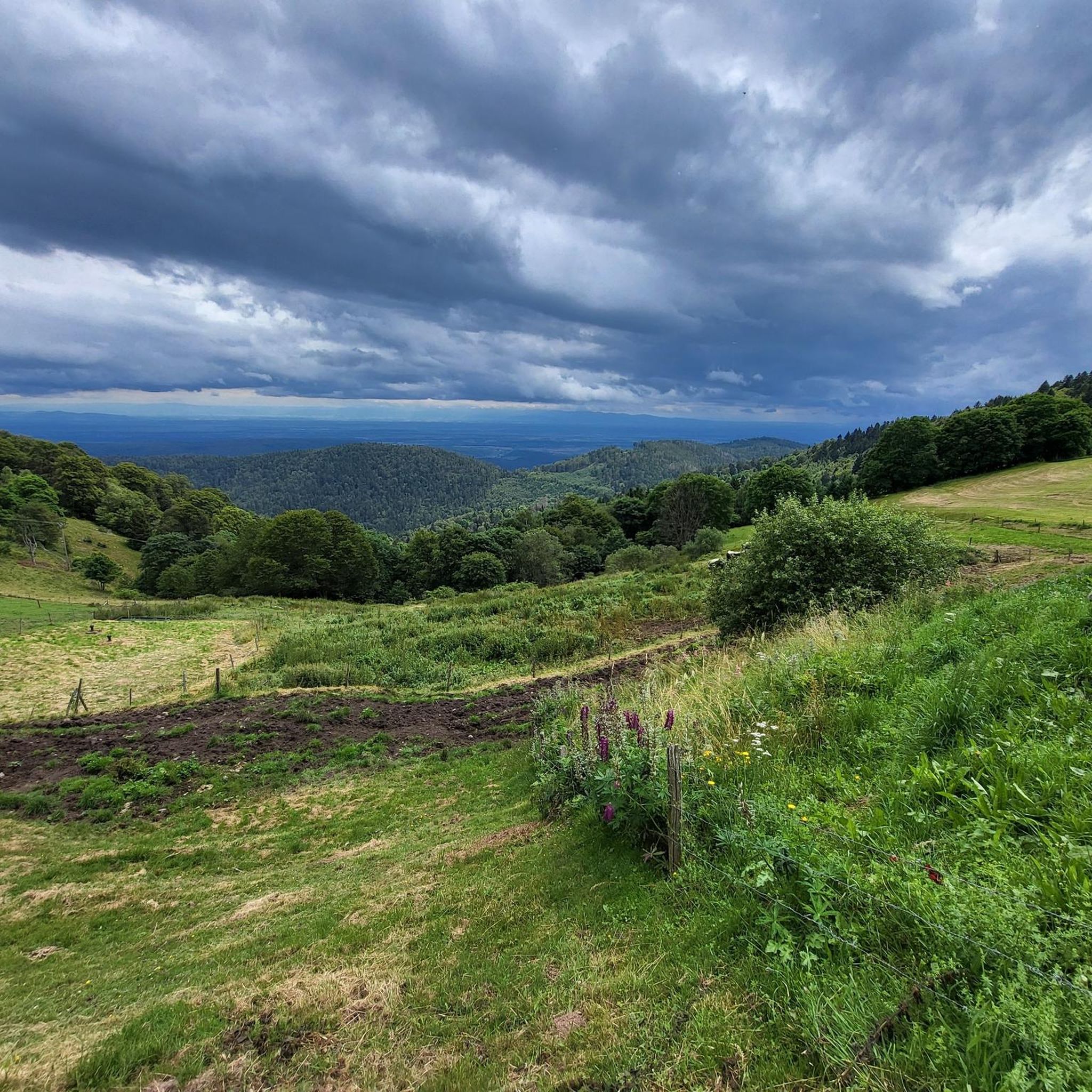
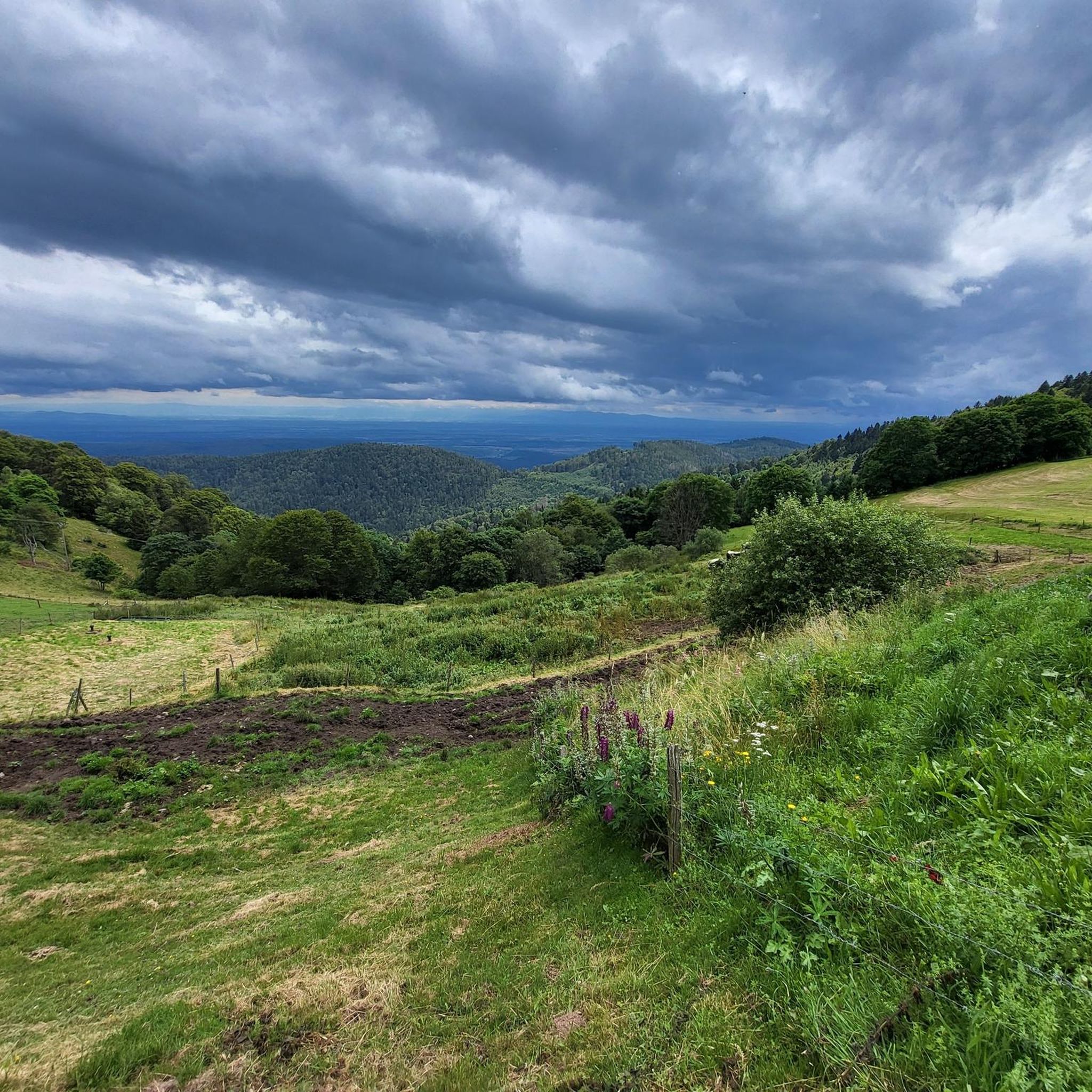
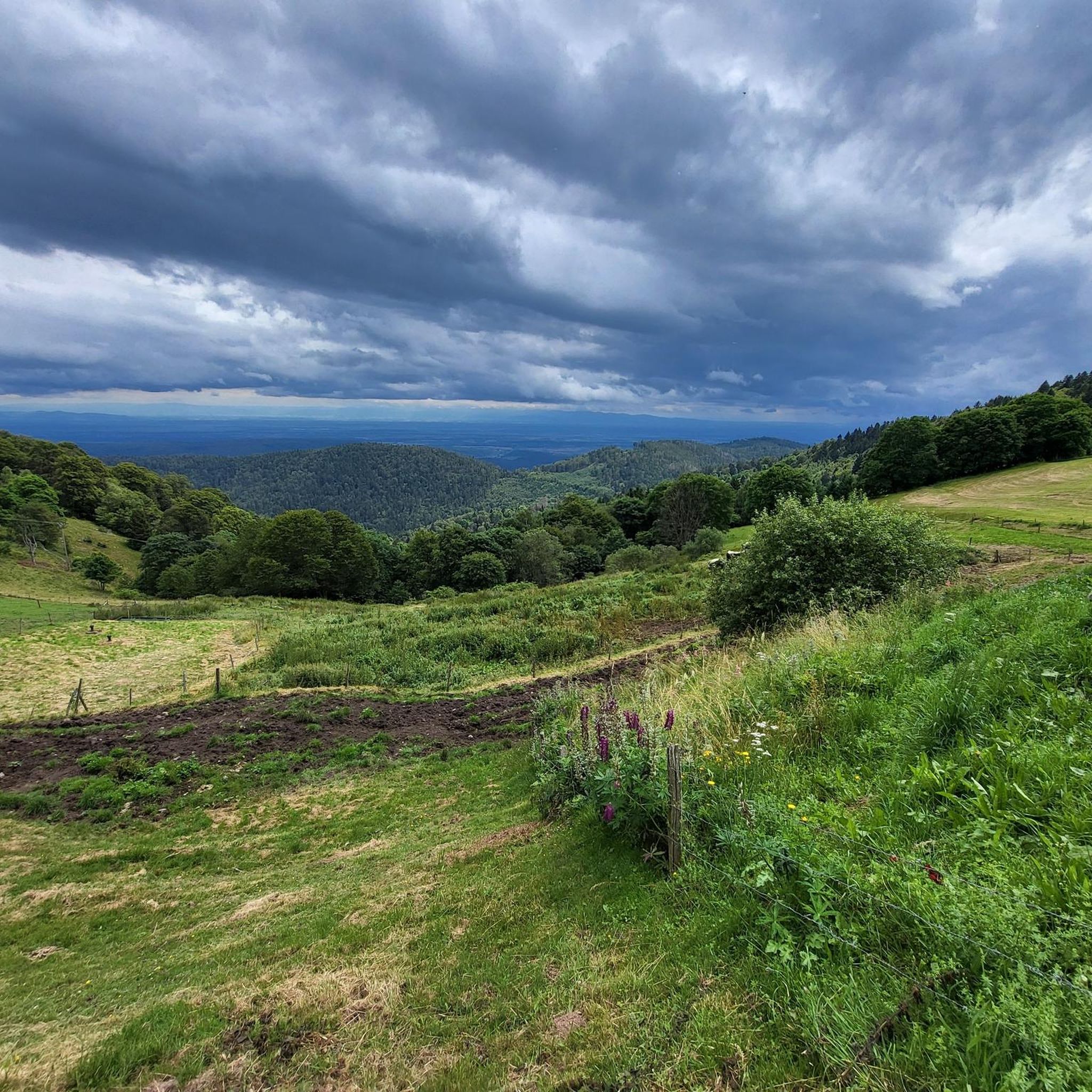
With 1,363 meters above sea level, the Hohneck is the third highest peak in the Vosges. It is also one of the most iconic, and perhaps the most beloved. Next to the Route des Crêtes, it is the ideal starting point for family hikes. The view it offers is simply splendid. It magnificently dominates the lake of Schiessrothried, the slope being very abrupt in this place. A real postcard landscape perfectly representing the Vosges mountains.
11
4

Many wineries are built in a typical way. Characteristically, the ground floor was built in stone to support the timber frame construction. The half-timbering was sober until the 16th century and the woodwork is protected by soot or red iron oxide. Pigments and colors on the facades are priceless, which is why clay or whitewash is used. In the 17th century, the windows become larger, wooden decorations embellish the facades and pastel colors are used by the very wealthy. In the 19th and 20th century, a building is completely provided with a layer of cement. But for several decades now, woodwork of a house has become visible again. With the arrival of paint and its wide color palette, the Alsace region takes on a cheerful note... Her new identity is colorful 🌈
11
1

A very nice town center with beautiful streets and many half-timbered houses. Unfortunately also a lot of tourism and shops with knick-knacks. But definitely recommended.
9
1

Beautiful city center with narrow streets and old half-timbered houses, but a lot of tourists on weekends.
9
1

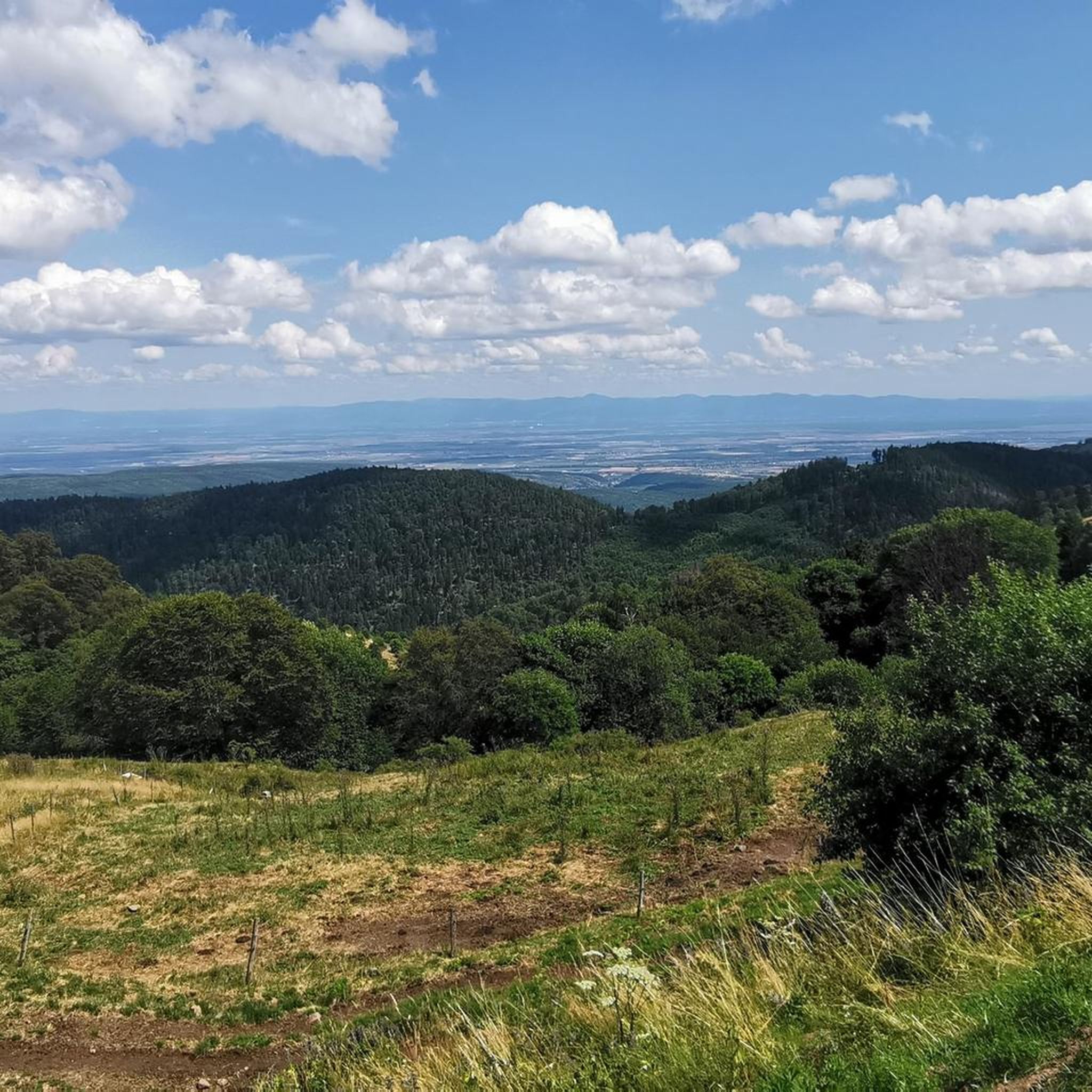
The Grand Ballon is the highest peak in the Vosges. Dominating all the other peaks of the Alsace-Lorraine mountain range, this mountain is 1424 m high. About 500 years B.C. The sun god Belenus, the supreme deity of the Celts, was worshiped up here, from which the name Belchen could have been derived. From the summit of the Grand Ballon, which has been fairly rounded off by glaciers and erosion, you have a unique panoramic view that stretches from the Black Forest to the Jura and the Alps. To the north-west are the peaks of the longest Vosges ridge, which stretches up over the Route des Crêtes to the Col de lagorge. Opposite to the west, Drumont and Ventron impress. From the car park you can reach the summit of the Grand Ballon in about 20 minutes. The stony footpath leads past the remains of the old Belchenhotel to the memorial for the "Diables bleus", the French mountain troops in World War I 1917. There is also a weather station and a radar station for flight observation. The infrastructure on the Grand Ballon includes summit hotels, restaurants, ski lifts and trails for winter sports, hiking trails and a summer toboggan run. Source: https://www.reisetipps-elsass.com/wandern-elsass/berge-und-taeler/grand-ballon/
9
1

Frequently Asked Questions
What historical landmarks can I explore in Wasserburg am Inn?
Wasserburg am Inn is rich in history. You can visit the Gothic Town Hall, built between 1457 and 1459, known for its historic halls. The Brucktor (Bridge Gate), first mentioned in 1339, serves as the main entrance to the town with its distinctive pastel-colored facades. Don't miss Wasserburg Castle, dating back to 1085, or the Church of Our Lady (Frauenkirche), the oldest market church in town.
Are there any unique natural features to see around Wasserburg am Inn?
Absolutely. Wasserburg's most striking natural feature is its unique location on a narrow peninsula, almost entirely surrounded by a dramatic bend of the Inn River. For a scenic walk, explore the Sculpture Trail Along the Inn River, a 1.5-kilometer path featuring over thirty sculptures. For panoramic views, hike up to "Schöne Aussicht" (Beautiful View) south of the Inn River bridge.
What cultural sites and museums are available in Wasserburg am Inn?
The town offers several cultural attractions. The Städtisches Museum Wasserburg houses extensive collections on local history from the Stone Age to the 20th century. You can also learn about road construction history at the Wegmacher Museum, or explore the over 200-year-old Beer Catacombs on certain dates for a historical experience.
What kind of outdoor activities can I do near Wasserburg am Inn?
Wasserburg is a great base for outdoor enthusiasts. You can enjoy various cycling routes, including the popular Inn River cycle path. For more adventurous rides, consider gravel biking or road cycling on routes like the Col de la Schlucht loop or the Pinot Bend. There are also general cycling routes suitable for touring.
Are there family-friendly attractions in Wasserburg am Inn?
While the provided data doesn't explicitly list 'family_friendly' for Wasserburg's specific attractions, the town's charming Old Town with its colorful facades and narrow lanes is pleasant for walks. The Sculpture Trail Along the Inn River offers an engaging outdoor experience for all ages. Exploring the historical sites like the Brucktor or the Town Hall can also be educational for families.
What is the best time of year to visit Wasserburg am Inn?
Wasserburg am Inn is beautiful year-round, but the warmer months are ideal for enjoying the outdoor activities and exploring the town's architecture. Spring and autumn offer pleasant temperatures for cycling along the Inn River or walking the sculpture trail. The town's vibrant atmosphere, especially in areas like Marienplatz, is best experienced when the weather allows for outdoor strolls.
Can I find unique architectural sights in Wasserburg am Inn?
Yes, Wasserburg is renowned for its preserved medieval architecture. The Old Town features a mix of Renaissance, Gothic, and Baroque styles. Look for the Kernhaus, directly opposite the Rathaus, which boasts one of Southern Germany's most beautiful Rococo facades. The Red Tower, part of the old city fortifications, is another unique architectural remnant.
Are there any viewpoints offering scenic vistas of Wasserburg am Inn?
For a truly splendid view of Wasserburg am Inn, head to "Schöne Aussicht" (Beautiful View). It's about a 20-minute climb south of the Inn River bridge via the "Kellerbergweg" path and offers magnificent panoramic vistas of the town and the surrounding countryside.
What is the significance of the Inn River to Wasserburg am Inn?
The Inn River is central to Wasserburg's identity and history. The town's unique location on a narrow peninsula, almost entirely encircled by the river, defines its picturesque setting. Historically, its position on the river was crucial for the salt trade, which contributed significantly to its wealth and the impressive architecture seen today. The river also offers recreational opportunities like the Sculpture Trail along its embankment.
What kind of shopping and dining experiences can I expect in Wasserburg's Old Town?
The Old Town of Wasserburg am Inn is a lively hub. Areas like Marienplatz, Salzsenderzeile, Hofstatt, and Ledererzeile are home to numerous small, owner-managed shops, offering a charming shopping experience. You'll also find various cafes and pubs throughout the old town, perfect for a break after exploring the historical sites.
Are there any art-related attractions in Wasserburg am Inn?
Yes, the Ganserhaus, a 16th-century building, serves as the center for an art association. It hosts several four-week exhibitions annually, showcasing contemporary art and providing a cultural focal point for art enthusiasts.
Can I visit any religious sites in Wasserburg am Inn?
Wasserburg am Inn has several significant religious buildings. The Church of Our Lady (Frauenkirche) is the oldest market church, retaining its Gothic character despite Baroque refurbishments. Another notable site is St. Michael's Church in the Schmidzeile, a late Gothic structure. Additionally, the former Attel Monastery with its Baroque Parish Church of St. Michael is located nearby amidst rolling green hills.
Most popular routes around Wasserburg
Most popular attractions around Wasserburg

Get inspired with the komoot mobile app


Explore more
Still not found the Highlight you’re looking for? See guides of the top attractions in other regions:
